
Best Braided Rugs 2026: A Home Buying Guide
Disclosure: We may earn a commission when you buy through links on this page, at no extra cost to you. As an Amazon Associate I earn from qualifying purchases. Learn more

Learn how to choose braided rugs for living rooms and kitchens, covering wool and cotton, size and placement, rug pads, grip, and cleaning advice.
best braided rugs add warmth, texture, and casual charm to living rooms, kitchens, and bedrooms, with a handmade look that suits many home styles. The comparison table below gives a quick overview, while this guide explains materials, sizing, and care for braided designs.
Braided rugs are made by plaiting fabric or yarn strands and stitching them into flat or oval shapes. That construction gives them flexibility, a soft feel underfoot, and a forgiving nature on uneven floors. Understanding material and construction helps you choose a rug that lasts and cleans well.


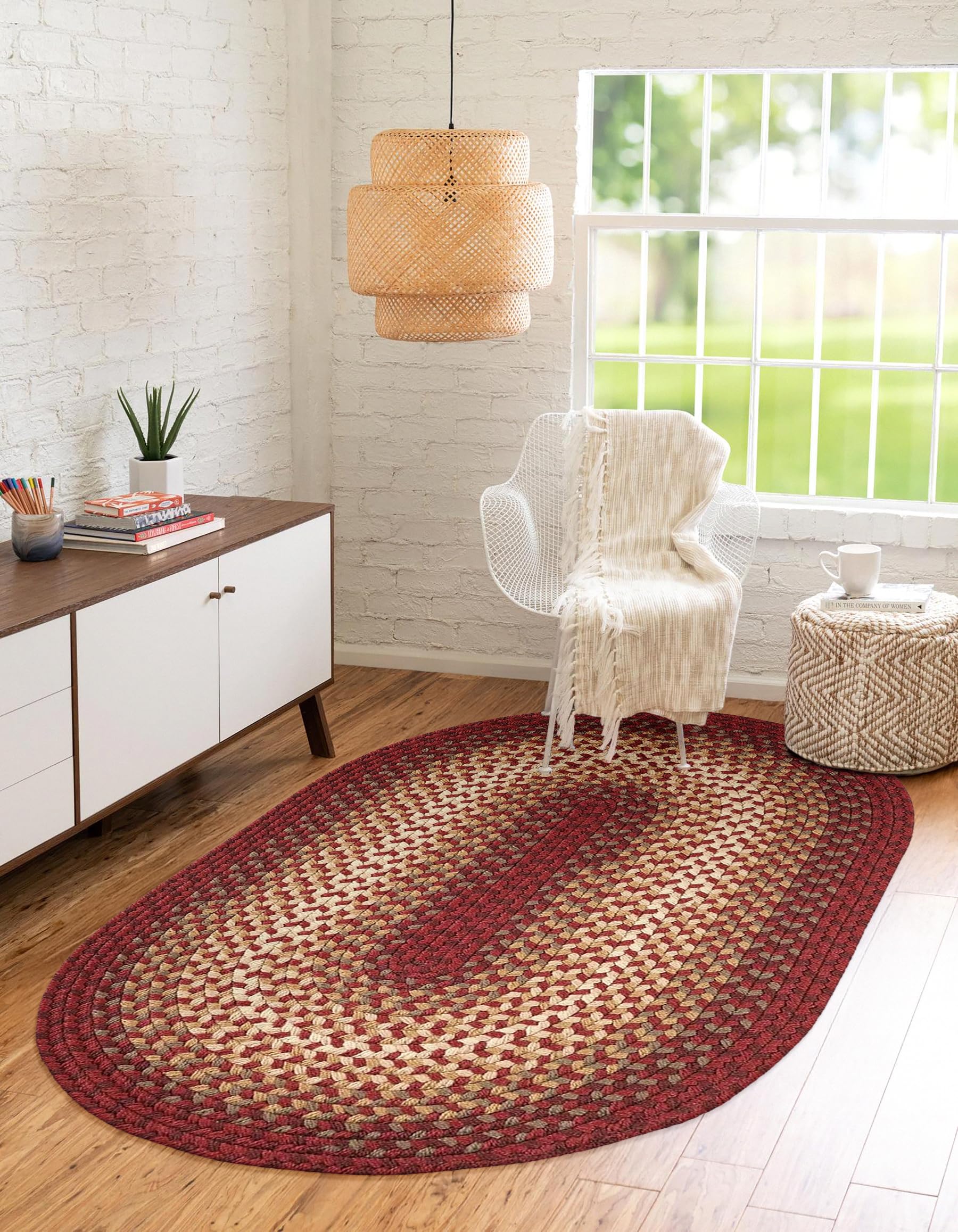
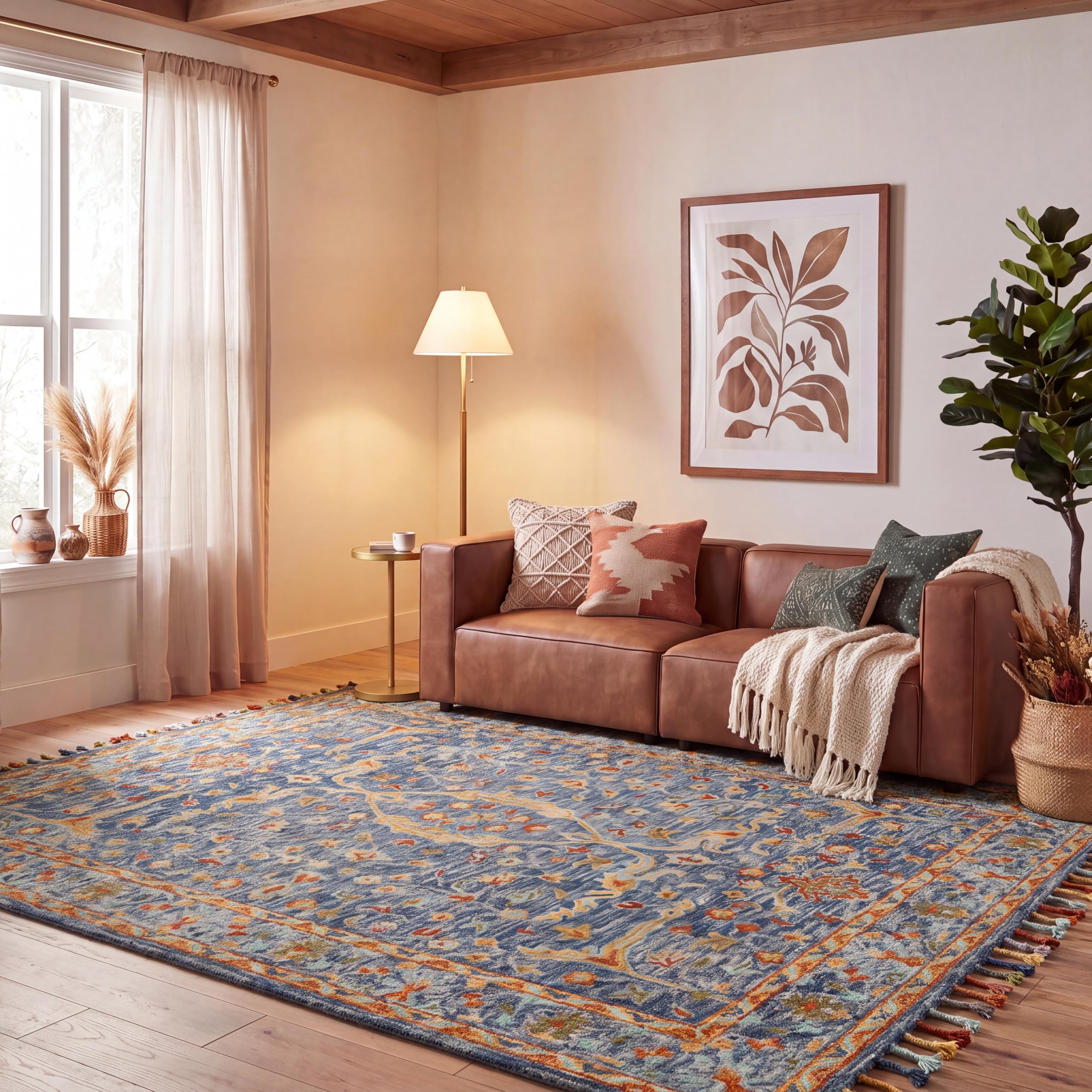
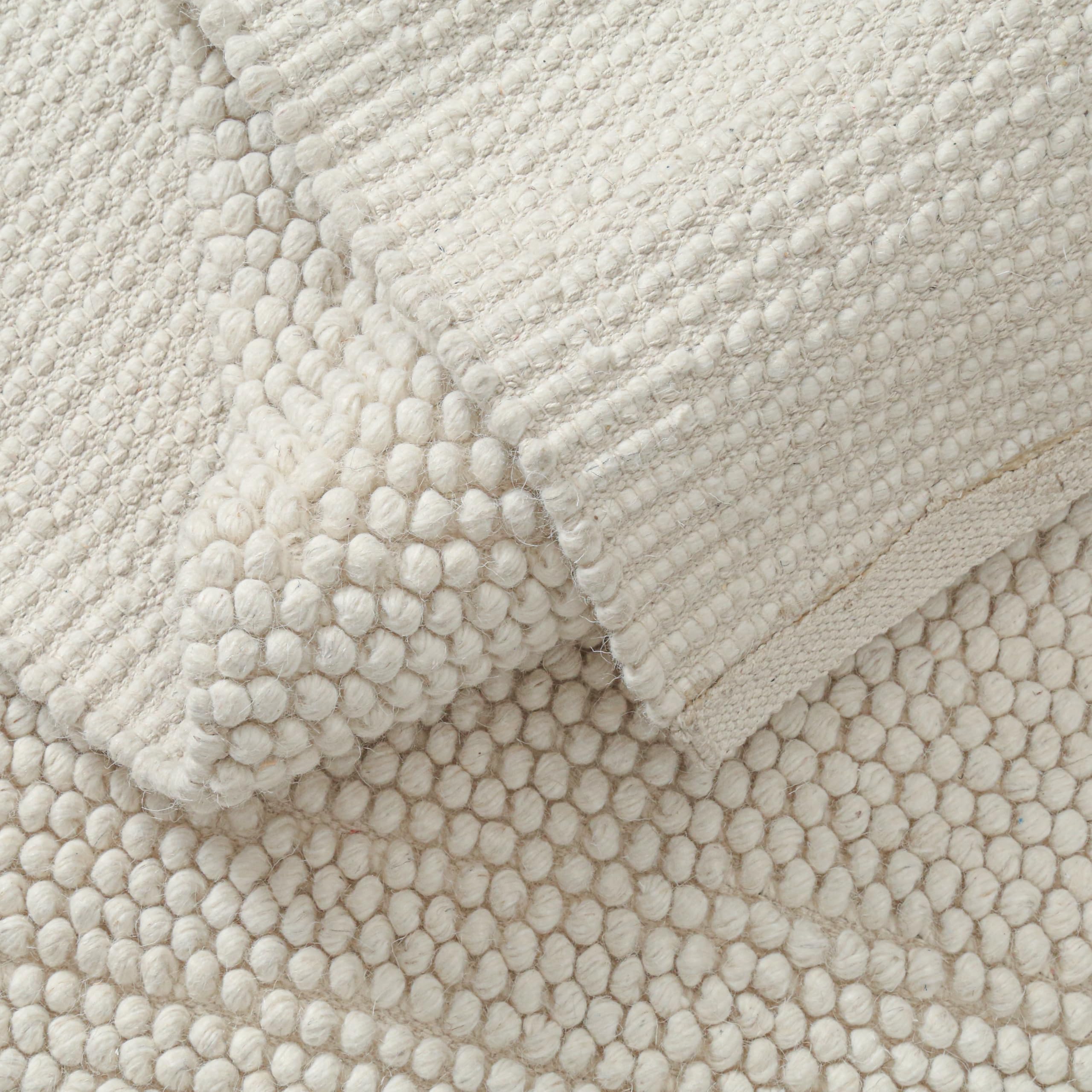


Who Should Buy a Braided Rug
Braided rugs suit homes that favour casual, country, or coastal styles and want a soft, flexible rug that adapts to room shapes. They work well in living rooms, kitchens, and bedrooms where comfort underfoot matters more than formal pattern. If you like texture and warmth without a stiff, formal rug, braided designs are appealing.
They are less suited to very formal rooms or high traffic commercial spaces, where flat weave or low pile rugs may wear better and clean more easily. Braided rugs can trap crumbs and pet hair in their texture, so homes with heavy shedding pets need a realistic cleaning routine before choosing one.
Materials: Wool, Cotton, and Synthetics
Wool braided rugs offer natural warmth, resilience, and stain resistance, and they recover well from furniture compression. They cost more than cotton or synthetic options but often last longer with proper care. Wool also handles moisture better than many fibres, though it needs protection from moths in storage.
Cotton braided rugs are affordable, washable, and soft, suiting kitchens and casual spaces where frequent cleaning matters. They may flatten faster under heavy furniture and fade in strong sun, so rotate them regularly. Synthetic braided rugs resist stains and fading well, suiting busy family rooms and outdoor covered areas, but can feel less luxurious underfoot.
Wool braided options are covered in our guide to best wool braided rugs, which compares wool types and durability for different rooms.
Size, Shape, and Room Placement
Size matters more than pattern for rug satisfaction. A living room rug should anchor the front legs of sofas and chairs, while a kitchen rug should cover the main standing area without curling under cabinets. Measure your space and mark the outline with tape before ordering, because rugs look smaller in a room than in photos.
Oval braided rugs suit kitchens and entryways, while round rugs anchor small seating groups and rectangular rugs suit larger living rooms. Leave a border of visible floor around the rug to frame the space, and avoid rugs that barely fit under furniture, which look cramped and shift constantly. A rug pad underneath improves grip and cushioning significantly.
Material choices for braided rugs are covered in our guide to best material for braided rugs, which compares fibre properties for durability and cleaning.
Rug Pads, Grip, and Safety
A rug pad prevents slipping, adds cushioning, and protects both rug and floor from wear. Choose a pad slightly smaller than the rug so edges lie flat, and match pad type to floor type: felt pads suit hard floors, while grip pads suit smooth tiles. A good pad also reduces rug movement that causes trips, especially for older adults and children.
Safety matters on smooth floors, where an unpadded braided rug can slide dangerously. Check grip after installation by walking across the rug in socks, and replace pads when they flatten or lose grip. Keep rug edges flat and repair curling edges promptly, because curled edges cause trips even with a good pad underneath.
Rug pad options are covered in our guide to best rug pad for braided rugs, which compares pad types for different floors.
Cleaning and Maintenance
Regular vacuuming without a beater bar, or with the beater bar off, removes dust and crumbs from braided texture without pulling fibres. Shake small rugs outside periodically, and blot spills immediately rather than rubbing, which pushes stains deeper into braids. For washable cotton rugs, follow label instructions and air dry flat to prevent shrinkage and curling.
Professional cleaning suits wool braided rugs every year or two, depending on traffic and pets. Avoid harsh chemicals and steam cleaning unless the label allows it, because heat and chemicals can damage wool and dyes. Rotate rugs every few months to even out wear and sun fading, especially in rooms with strong sunlight.
Vacuum choices for braided textures are covered in our guide to best vacuum for braided rugs, which compares suction and brush settings for textured rugs.
Fabric, Colour, and Style Matching
Braided rug colours range from natural neutrals to multicoloured patterns that hide stains and add cheer to plain rooms. Multicoloured braids suit busy family spaces, while solid neutrals suit calm bedrooms and formal living rooms. Consider existing furniture and wall colours, because a rug should anchor a room rather than compete with it.
Fabric blends affect feel and durability: cotton blends wash easily, wool blends add resilience, and synthetic blends resist fading. Check dye fastness if the rug will sit in strong sun, and try a small hidden area with water before spot cleaning. A rug that complements your home style will feel intentional rather than accidental.
Fabric options are covered in our guide to best fabric for braided rugs, which compares textures and care needs for braided designs.
A Final Check Before You Order
Measure your space, check floor type, and confirm washing instructions before ordering. Try the rug with a pad during the return window, walking across it in socks and checking edges for curling and slipping. A rug that looks beautiful but slides or curls is a safety risk, not a bargain.
The product table above can help you compare shortlisted models once you know your room size, material preference, and cleaning routine. Choose size and pad quality first, and let pattern follow your home style.
Living With a Braided Rug
A braided rug settles into a home over its first months as fibres compress and colours soften slightly with light and use. Rotate it seasonally, vacuum gently and regularly, and address spills promptly to keep texture and colour even. These routines matter more than the initial purchase price for long term satisfaction, because a well cared for rug looks intentional for years.
Notice how the rug interacts with furniture and foot traffic over time. Heavy furniture may leave impressions that recover slowly, while main walkways wear faster than edges. Rearranging furniture occasionally and using a quality pad underneath distributes wear more evenly and keeps the rug feeling fresh rather than tired in high traffic zones.
Frequently Asked Questions
Are braided rugs good for high traffic areas?
Braided rugs handle moderate traffic well because their flexible construction absorbs footfall, but very high traffic areas wear them faster than flat weave rugs. Wool braids resist compression better than cotton, and a good rug pad extends life significantly. Rotate rugs regularly and vacuum without a beater bar to preserve texture in busy rooms.
Can braided rugs be machine washed?
Cotton braided rugs often machine wash well on a gentle cycle, while wool braided rugs usually need spot cleaning or professional cleaning. Always check the label before washing, and air dry flat to prevent shrinkage and curling. Small rugs are easier to wash than large ones, so consider size when choosing washable options.
Do braided rugs need a rug pad?
Braided rugs benefit greatly from a rug pad, which prevents slipping, adds cushioning, and protects floors and rug backing. Choose a pad slightly smaller than the rug and matched to your floor type. Pads reduce trip risks on smooth floors and extend rug life by absorbing footfall impact. Replace flattened pads promptly.
How do I clean spills on a braided rug?
Blot spills immediately with a clean cloth rather than rubbing, which pushes stains deeper into braids. Use mild detergent and water for most spills, testing a hidden area first. Avoid harsh chemicals and steam unless the label allows them. For wool rugs, professional cleaning suits stubborn stains better than aggressive home treatments.
Are braided rugs suitable for homes with pets?
Braided rugs suit pet homes if you accept regular vacuuming, because texture traps hair and crumbs more than flat rugs. Multicoloured patterns hide hair better than solid light colours. Choose durable materials and washable options for accident prone areas, and keep a lint roller handy for quick touch ups between vacuuming sessions.
Final Thoughts
Choosing best braided rugs comes down to material, size, rug pad quality, and a realistic cleaning routine for your home. Wool offers durability and warmth, cotton offers washability, and synthetics offer stain resistance. The product table above can help you compare options once you know your room and floor type.
Measure carefully, invest in a good pad, and test grip and edges during the return window. A well chosen braided rug should add warmth and texture to your home for years, with care that fits your daily life.


