Best Budget Mattress for 2026: A Practical Buying Guide
Disclosure: We may earn a commission when you buy through links on this page, at no extra cost to you. As an Amazon Associate I earn from qualifying purchases. Learn more

Compare budget mattress types, firmness, sizes and cooling features, plus trial and warranty terms, so you can sleep well without overspending.
A low price means little if you wake up sore, hot, or tossing through the night. The best budget mattress for you is the one that supports your body, fits your room and frame, and still leaves money for sheets, pillows, and a protector. This guide compares types, firmness levels, materials, and price tiers so you can judge value by what you actually feel each night.
Start with your sleep position, body weight, and any back or shoulder pressure you already notice. Then use the comparison table below to line up thickness, materials, and trial terms against the profiles and criteria in this guide. If you are still weighing a full price model against a budget one, our overview of the best mattress options shows what extra money usually adds and what it often does not.
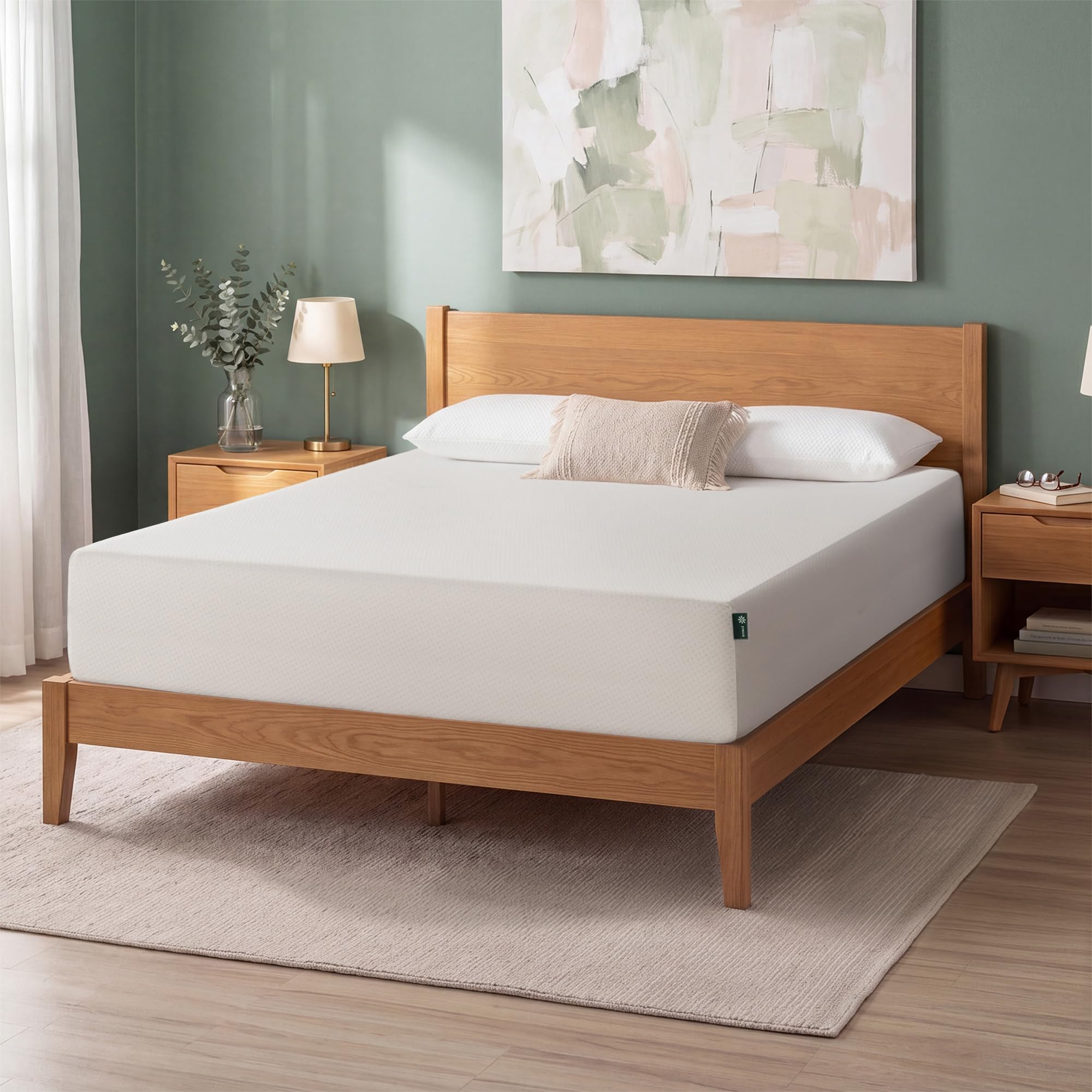


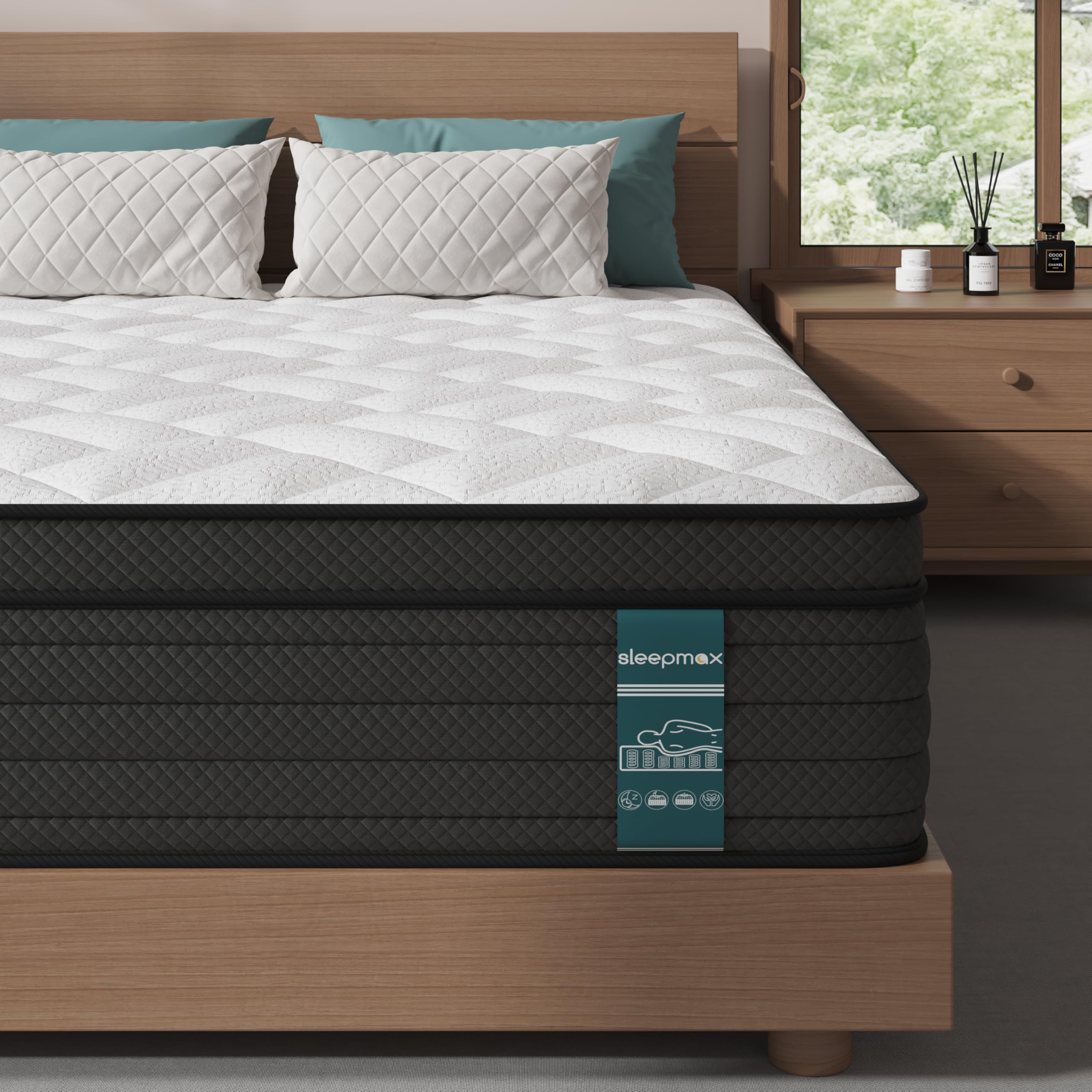
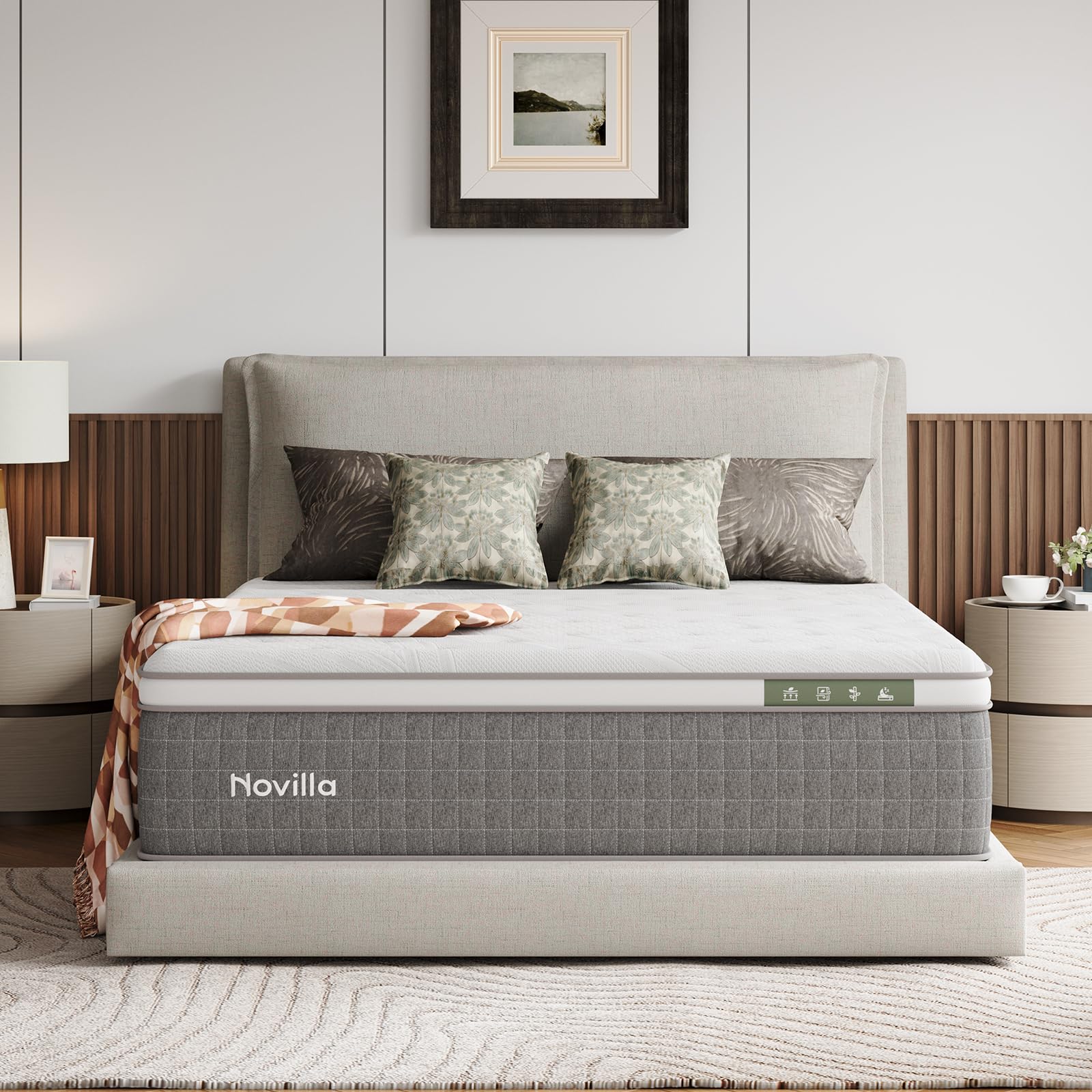
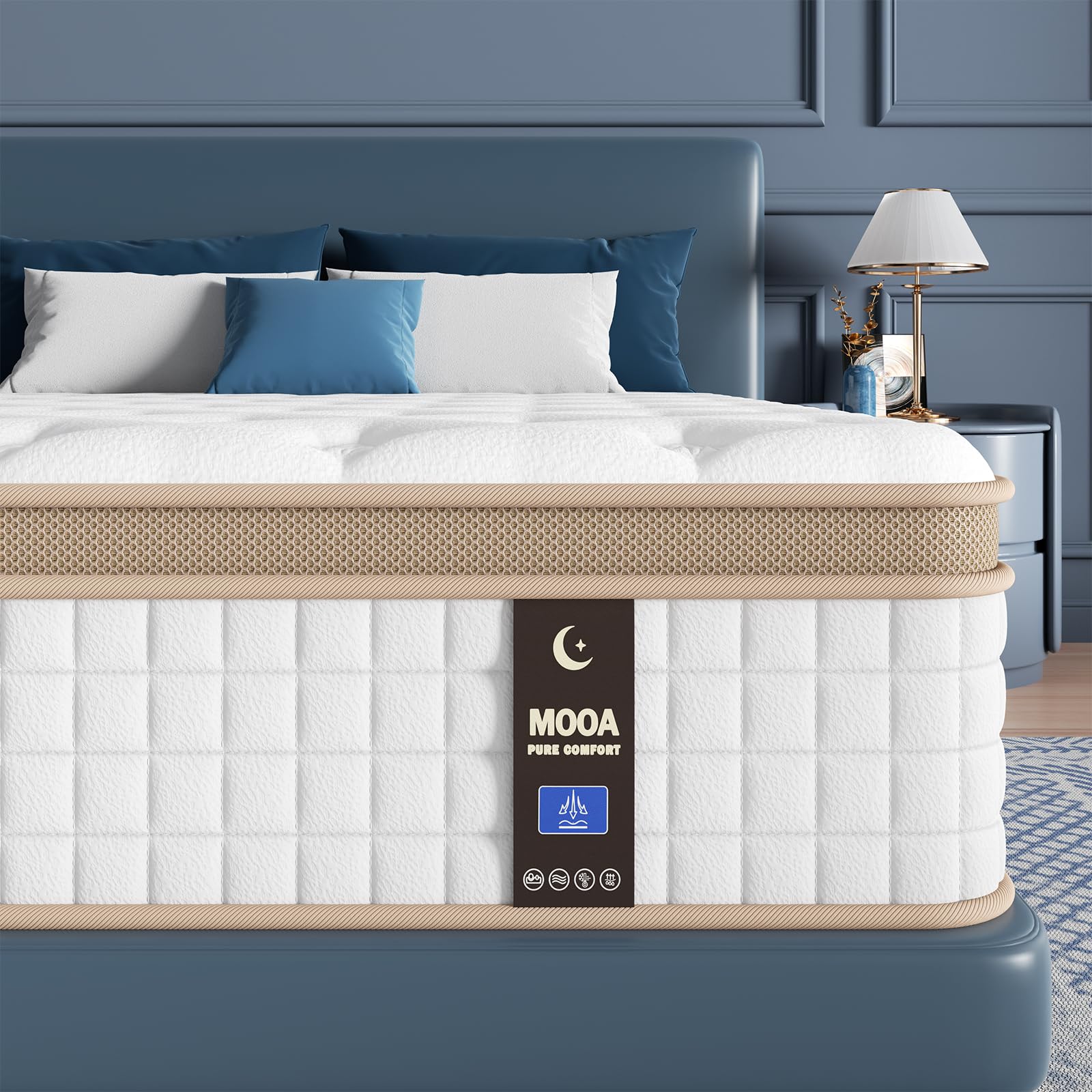
Buying Profiles at a Glance
Budget shopping works best when you match the mattress to the job it has to do. A guest bed used a few nights each month needs less durability than a primary bed slept on every night by two adults.
The three profiles below each point to a different mix of thickness, firmness, and materials.
Three Buying Profiles and What to Prioritize
The Everyday Sleeper Who Needs Real Support on a Tight Budget
Your priority is a support core that will not sag within the first year. Look for a total thickness of about 10 to 12 inches, a firm base layer, and a comfort layer thick enough to cushion shoulders and hips without letting your midsection sink. Medium firm usually suits this profile because it balances pressure relief with spinal alignment for most back and combination sleepers.
The Guest Room and First Apartment Buyer
Here the goal is decent comfort for varied guests at the lowest sensible cost. A simple foam or basic hybrid build at about 8 to 10 inches thick often covers this job well, since occasional use puts less stress on the materials. Spend what you save on a washable protector and a set of pillows at different heights, because guests differ more in pillow preference than in mattress preference.
The Hot Sleeper Watching Every Dollar
Heat is your main risk, because dense foam at low prices can trap warmth against your body. Favor open coil or hybrid builds, thinner foam comfort layers, and covers described as breathable rather than plush and quilted. A slightly firmer feel also helps, since sinking less deeply leaves more of your body exposed to moving air instead of wrapped in foam.
How to Judge Value From the Product Page
Judge a budget model by five things you can verify on the product page: comfort and support, materials and certifications, temperature regulation, durability signals, and trial and warranty terms. Maker specifications, foam density figures where listed, and patterns in verified buyer comments tell you more than award badges. Read the critical comments first.
How to Choose the Right Mattress
Size and Form Factor
Measure your frame and your room before you fall for a price. Twin and twin XL suit single sleepers, kids rooms, and dorms, while full gives one adult more width at a modest step up in cost. Queen is the most common choice for couples and usually has the widest budget selection and the cheapest bedding, and king or California king raises both the mattress price and the cost of every sheet set you buy later.
Type: Foam, Hybrid, Innerspring, and Latex
All foam models are usually the cheapest and the quietest, and they isolate motion well for couples. Their trade off is heat retention and weaker edges, so sitting on the side to dress can feel unstable. Innerspring models cost a little more, sleep cooler, and feel bouncier and more responsive, but they transfer more motion and can develop noise as they age.
Hybrid models pair coils with foam or latex comfort layers, and they often give budget buyers the best balance of airflow, support, and pressure relief. Our explainer on hybrid vs memory foam walks through how that balance feels in practice. Latex feels springy and durable and sleeps cooler than foam, but even budget latex is rarely the cheapest option, so treat it as an upgrade rather than a starting point.
Features Worth Paying For
Some features earn their cost even on a tight budget. Individually wrapped coils improve motion isolation and usually outlast a single connected coil unit. Stronger edge support matters if you share the bed, sit on the side each morning, or use the full width because a partner takes the middle. A removable and washable cover helps households with kids, pets, or allergies keep the sleep surface clean.
Other features are easier to skip. Thick pillow top layers add softness you can copy later with a separate topper, which can be replaced on its own when it wears out. Put your dollars into the support core first, because you cannot add support later with an accessory.
Sleep Position and Body Type
Side sleepers need enough cushion at the shoulder and hip to keep the spine straight, so a medium or medium soft feel with a comfort layer of about 2 to 3 inches usually works best. If shoulder pain is your main complaint, our guide to the best mattress for side sleepers explains the alignment checks to use. Back sleepers need the opposite balance, with firmer support under the lower back and only modest cushioning on top.
Stomach sleepers should stay on the firmer end, because a soft surface lets the hips drop and strains the lower back overnight. Heavier sleepers, roughly above 230 pounds, should favor thicker builds, firmer feels, and coil support, since foam only models compress more under load and wear faster. Lighter sleepers under about 130 pounds often find firm budget models too hard, because they do not sink enough to get pressure relief, so a softer comfort layer helps them.
Back pain deserves extra care at any price. Persistent or worsening back pain, numbness, or pain that shoots down a leg is a reason to see a doctor or physical therapist, not just to change mattresses. For general stiffness, the advice in our guide to the best mattress for back pain can help you pair firmness with your sleep position while you address the underlying cause.
Materials and Certifications
Foam quality shows up in density and in how the layers are described. Higher density base foam resists sagging longer, while very light foam at a very low price often softens within a couple of years. Look for CertiPUR US certified foams, which limit certain chemicals and emissions, and OEKO TEX certified fabrics where offered. These labels do not guarantee comfort, but they do give you a checked baseline for materials you will breathe near for years.
Cooling and Breathability
Airflow comes from structure more than from marketing words. Coil cores move air, thin comfort layers trap less heat, and smooth breathable covers feel cooler than thick quilted ones. Gel infusions in foam can feel cool for the first minutes of contact, but they do not change how much heat the foam holds over a full night, so weigh them lightly in your decision.
Trial Period and Warranty
A trial of at least 90 nights gives your body time to adjust, since the first two weeks on a new firmness often feel odd even when the fit is right. Check who pays return shipping, whether the company collects the mattress or asks you to donate it, and whether a mandatory break in period applies before a return is allowed. Get these terms from the listing before you order, not after a problem appears.
How Much Should You Spend?
Under $200, expect a thin foam mattress suited to kids, guests, or short term use, with limited edge support and a shorter working life. About $200 to $300 buys a thicker foam or basic hybrid queen with better cushioning, and this is the entry point most adults find acceptable for nightly use. About $300 to $500 is the value center of the market, where you can get wrapped coils, stronger edges, and longer trials without paying brand premiums.
About $500 to $1000 moves you into thicker hybrids, better cooling covers, and more generous warranties, which suits couples and heavier sleepers. Above that range you are mostly paying for luxury materials and brand names rather than better basic support.
Budget Mattresses Compared With Costlier Ones: Pros and Cons
The honest case for a budget model is simple: sleep quality depends mostly on fit, firmness, and support, and those do not scale neatly with price. A well chosen budget queen can suit your body better than a costly model in the wrong firmness. Savings also free up cash for a good pillow, breathable sheets, and a protector, all of which shape how the bed feels.
The trade offs are real, though. Cheaper foams soften sooner, edges are weaker, and cooling features are thinner, so a budget mattress used nightly may need replacing in about 5 to 7 years rather than 8 to 10.
- Pros: lower upfront cost, frequent sales, easy delivery in a box, and good trial offers are now common even at low prices.
- Cons: shorter lifespan, less edge support, fewer firmness choices per model, and softer foams that may not suit heavier sleepers.
- Best value move: buy the support core you need, skip luxury layers, and add comfort later with a replaceable topper if you guess wrong.
Care That Keeps a Budget Mattress Comfortable Longer
Use a waterproof protector from the first night, because stains can void warranty cover and budget foams absorb spills quickly. Rotate the mattress head to foot every few months so body impressions spread across the surface instead of deepening in one spot. Keep the base supportive and even, with slats close together for foam models, since a sagging base will make even a new mattress feel worn.
Vacuum the surface with an upholstery tool when you change sheets to lift dust and allergens. For spills and odors, the steps in our guide on how to clean a mattress cover spot cleaning without soaking the foam, which matters because trapped moisture can lead to mildew. Let any cleaned area dry fully before you remake the bed.
FAQ
Are budget mattresses worth it for nightly use?
Yes, budget mattresses are worth it for nightly use when you buy enough thickness and the right firmness for your body. Models in the middle budget tier with coil support hold up well for most adults. The new point many buyers miss is replacement math: two budget mattresses over twelve years can still cost less than one premium model, so a shorter lifespan does not erase the saving.
How do you choose a mattress on a tight budget?
Start with firmness and support, then check trial terms, and only then compare small features. List your sleep position, weight, and heat tendency, and rule out any model that fails one of those three. A useful extra step is to read the one star and two star comments for repeated words such as sagging or hot, because repeated complaints reveal more than the average score does.
How often should you replace a budget mattress?
Plan to replace a budget mattress after about 5 to 7 years of nightly use, sooner if you wake with new aches or see a visible dip. Guest beds can last longer because they see far fewer hours of load. One extra sign to watch is noise or motion transfer that grows over time, which often means the core is tired even before a dip becomes obvious.
How long does a budget mattress last for a heavier sleeper?
A budget mattress lasts about 4 to 6 years for a heavier sleeper, and coil based builds sit at the top of that range. Extra load compresses foam faster, so thickness and firmness matter more than brand. Rotating the mattress on schedule helps, and so does a strong base, because a flexing foundation adds wear that shortens the life of the layers above it.
What mattress firmness do you need if you sleep on your side?
Most side sleepers need a medium or medium soft firmness so the shoulder can sink while the waist stays supported. If the surface feels like a board at the shoulder, pressure builds and you will roll more often through the night. Side sleepers who are heavier may still need medium firm, since weight increases sink, and pairing that feel with a thicker comfort layer gives both cushion and alignment.
Can a budget mattress help with general back stiffness?
A budget mattress can help with general back stiffness when its firmness keeps your spine level in your main sleep position. Medium firm suits most back sleepers, while stomach sleepers need firmer support. Remember that morning stiffness that lasts most of the day, or pain with numbness, needs medical advice. A new mattress is a comfort step, not a treatment, so see a clinician if symptoms persist.
Final Thoughts
The right choice is the one that fits your body, your room, and your wallet at the same time. Use the product table above to compare thickness, build type, and trial length against your profile, then commit to the trial and give your body a few weeks to adjust. Chosen that way, a best budget mattress purchase stops being a gamble and becomes a sensible, well checked buy.
Prices and availability can change, so check the product page before ordering. Prioritize the support core, protect the surface from day one, and let the trial period do its job.