
Best Budget Chairs: A Complete Buying Guide
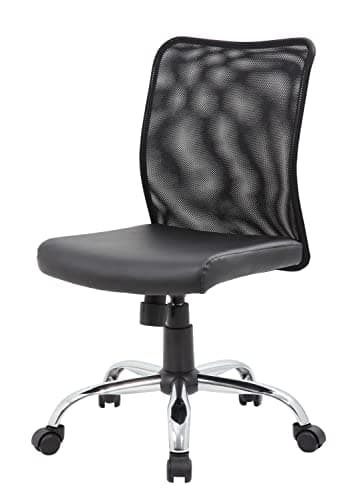
Furnishing a room without blowing the budget usually comes down to one piece: the chair. Whether you need an extra seat for the dining table, a reading chair for a bedroom corner, or something comfortable for the entryway, finding the best budget chairs means knowing which corners are safe to cut and which ones aren't. Low prices can hide flimsy frames, thin foam, or fabric that pills after a few months of regular use, but plenty of affordable options hold up fine once you know what to check. This guide covers frame material, upholstery, sizing, and the mistakes that shorten a cheap chair's lifespan, so you can shop with more confidence.
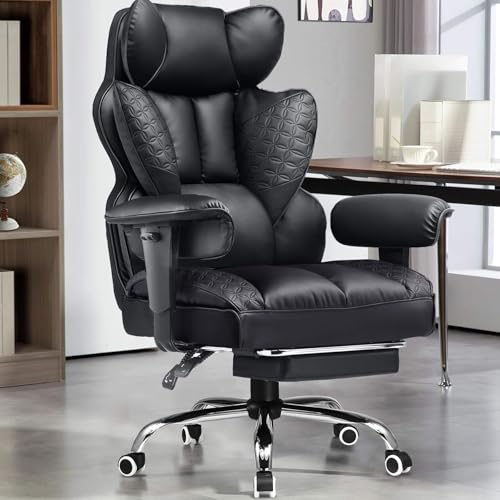
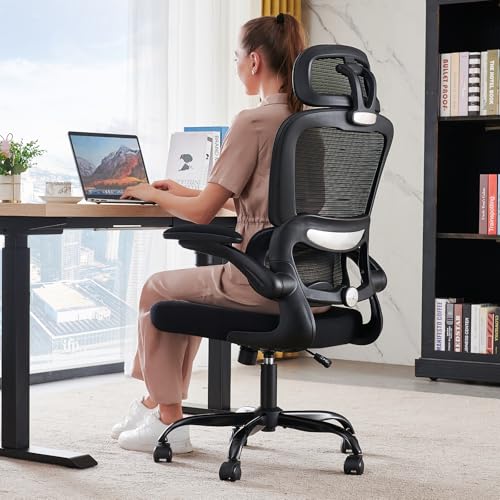
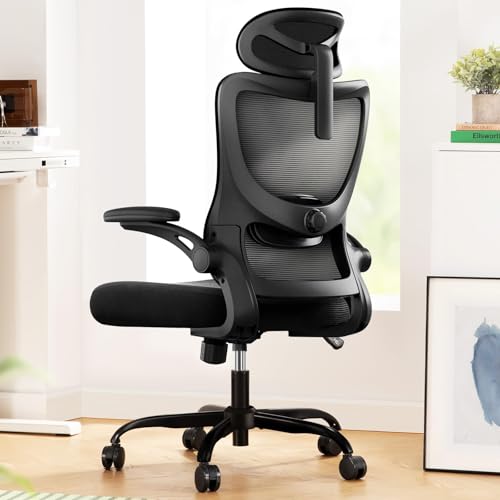
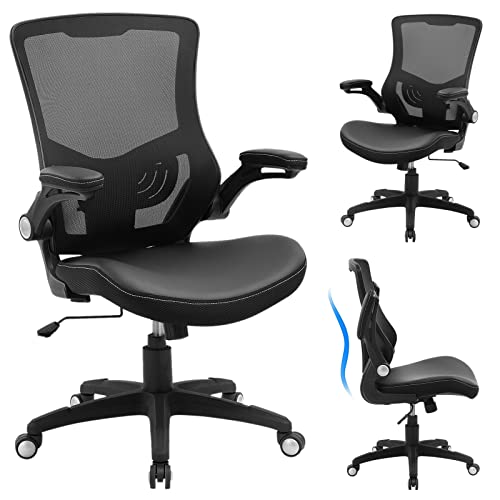
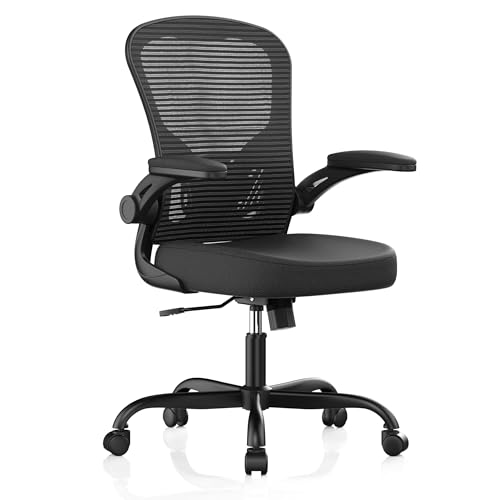
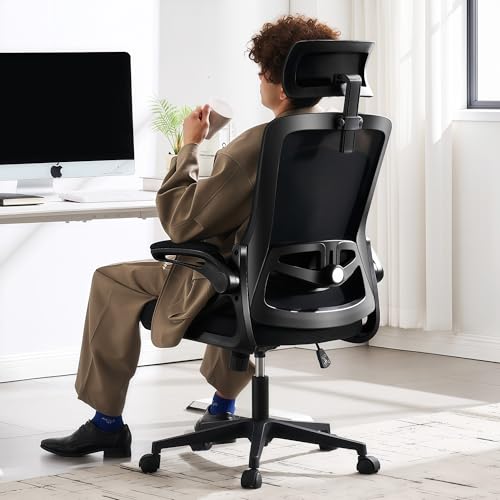
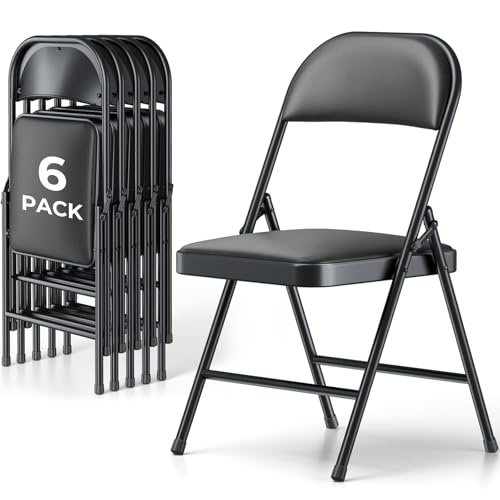
Frame Material: What Holds Up at a Low Price
The frame is the part you can't see once a chair is upholstered, and it's also the part most likely to fail first if a manufacturer cut costs in the wrong place. Kiln-dried hardwood frames hold joints tightly and resist warping, but they push a chair's price up, so budget models often lean on engineered wood, particleboard, or plywood instead. These materials aren't automatically bad, but thin particleboard under heavy use tends to crack at stress points like the legs and arm joints.
Metal-frame chairs are a solid budget option in their own right, especially for dining chairs, since steel and aluminum resist the wobble that develops in wood frames over years of shifting weight. Whatever material you choose, check how the joints are put together. Screwed or doweled joints reinforced with glue outlast staples or nails alone, and a chair that feels loose in the showroom or in early reviews will only get looser with daily use.
Upholstery and Fabric: Durability, Comfort, and Cleaning
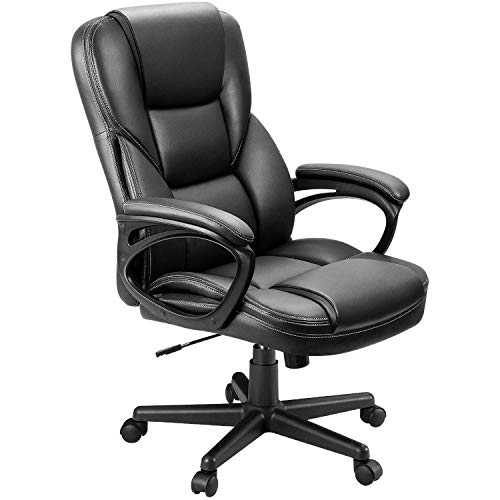
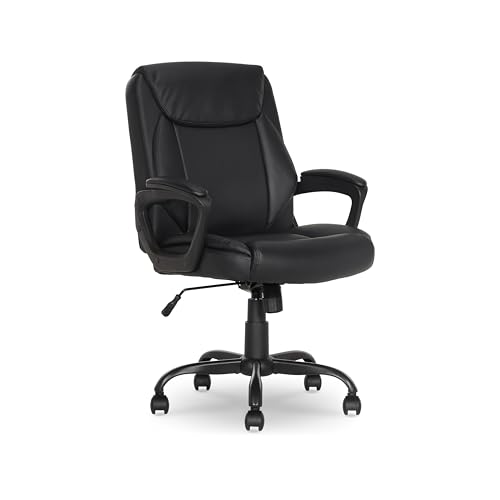
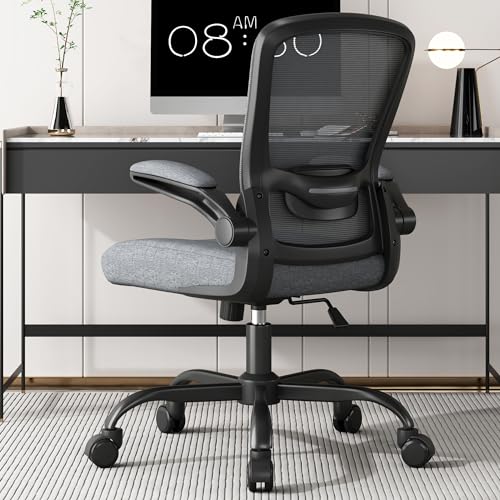
Upholstery is where budget chairs show their age fastest. Among the best budget chairs, fabric upholstery tends to hide everyday wear better than faux leather, which often cracks and peels within a year of regular use, especially in dry climates or near heating vents. Woven polyester and performance fabrics resist stains and hold their color longer than cheaper cotton blends, which matters if the chair sits near a dining table or in a high-traffic room.
Underneath the fabric, foam density matters just as much as the material on top. High-density foam springs back after you stand up, while low-density foam flattens permanently within months and starts to feel like sitting on the frame itself. When it comes to cleaning, check the tag for a cleaning code before you buy. Fabric with a "W" or "WS" code can handle water-based cleaners, which makes routine spot cleaning far easier than upholstery that requires dry cleaning solvents only.
Accent, Dining, or Occasional: Matching the Chair Type to the Room
Not every budget chair is built for the same job, and picking the wrong type for the room is a common source of disappointment. Accent chairs are meant to be a standalone statement piece in a living room or bedroom, usually with more cushioning and a lower, more relaxed seat height for lounging rather than eating or working. The best budget chairs for a living room corner rarely double as good dining chairs, since each type is built for a different kind of use.
Dining chairs need a firmer seat, an upright back, and a height that matches your table, along with a frame built to handle being pulled in and out repeatedly. Occasional chairs cover everything else: guest room seating, entryway chairs, or a chair for a specific task like feeding a baby. If you're furnishing a nursery specifically, our guide to best nursery glider chairs covers budget-friendly gliders built for that exact use rather than general seating.
Getting the Size Right for a Small Room or Tight Corner
A chair that looks reasonably sized in a product photo can dominate a small room once it's actually in place. Before buying, measure the space where the chair will sit, including enough clearance for someone to walk past and for the chair to swing out if it swivels or reclines. Armless designs and slim profiles save real space in tight corners without sacrificing much seat comfort, and they're often cheaper than chairs with bulky arms or wide bases.
For dining chairs, seat height matters more than overall footprint. A mismatch between chair height and table height makes even a comfortable chair feel wrong at the table. As a rule of thumb, leave about 10 to 12 inches between the seat and the underside of the tabletop so knees clear comfortably. If you're mixing chair styles around one table, keep seat heights consistent even if the designs differ.
What Budget Pricing Actually Trades Off
Every chair at a low price point gets there by trimming something, and knowing what that is helps you avoid disappointment. Common trade-offs include thinner foam that softens faster, lighter-gauge frame materials, simpler joinery, and shorter or nonexistent warranty coverage. None of these are automatically dealbreakers, but they do mean a budget chair generally won't last as long under daily heavy use as a chair built with premium materials throughout.
Where you shouldn't compromise is basic structural safety. A stated weight capacity, a warranty of at least a year, and a return policy that allows exchanges give you a way to catch problems early rather than being stuck with a chair that fails after the return window closes. Reading recent buyer reviews, rather than just the star rating, usually reveals whether a specific model's frame or seams tend to fail early.
Assembly and Weight-Rating Mistakes That Shorten a Chair's Life
Two of the most common budget chair mistakes happen before the chair is even used. The first is skipping the weight capacity listed by the manufacturer and assuming any chair can handle any adult. Chairs rated for lighter loads flex and loosen faster when consistently used above their rated weight, even if nothing seems wrong at first. The second is rushing assembly, which is where a lot of budget furniture actually fails.
Overtightening screws can strip the pre-drilled holes in particleboard or engineered wood, leaving joints permanently loose, while undertightening leaves a wobble that gets worse with use. Following the assembly instructions in order, hand-tightening first and then fully tightening once every piece is in place, prevents most of the early failures buyers blame on the chair itself rather than the setup.
Frequently Asked Questions
What's a reasonable price range for a decent budget chair?
Prices vary widely by type, but a well-made accent or dining chair at the lower end of the market typically comes from a brand that discloses frame material, weight capacity, and warranty terms. Chairs with none of that information listed are a bigger gamble regardless of price.
Are metal-frame chairs better than wood-frame chairs on a budget?
Neither is automatically better. Metal frames resist wobble and warping well, especially for dining chairs, while a solid or well-joined wood frame can be just as durable and often looks more at home in a living room setting.
How long should a budget chair realistically last?
With normal household use, a reasonably well-built budget chair can last several years before foam or upholstery needs attention. Frames with solid joinery often outlast the upholstery itself, which can sometimes be refreshed separately instead of replacing the whole chair.
Is faux leather a bad choice for a budget chair?
It's not a bad choice, but it does wear differently than fabric. Faux leather is easy to wipe clean and looks polished when new, but lower-grade versions tend to crack or peel with regular use, especially in dry or high-heat environments.
Do budget chairs need to be assembled, or can you find ready-to-use options?
Most budget chairs ship flat-packed and require assembly to keep shipping costs and prices down. Fully assembled chairs are available but usually cost more once shipping and handling are factored in.
What's the easiest way to check if a chair will fit a small room?
Measure the intended spot and mark it out with tape on the floor before buying, then account for extra clearance if the chair swivels, rocks, or needs to be pulled out from a table.
Should you prioritize comfort or durability when money is tight?
Durability should come first, since an uncomfortable chair can often be improved with a cushion or throw, while a chair with a failing frame or collapsing foam usually can't be fixed cheaply.
Buying Smart, Not Just Cheap
A tight budget doesn't have to mean settling for a chair that falls apart within a year. Paying attention to frame material, joinery, foam density, and a stated weight capacity does more for long-term value than chasing the lowest price tag alone. Match the chair type to the room it's actually going in, and a modest budget can still furnish a space that holds up.