Best Buckwheat Pillows in 2026: Buying Guide by Sleep Position
Disclosure: We may earn a commission when you buy through links on this page, at no extra cost to you. As an Amazon Associate I earn from qualifying purchases. Learn more

Choose the best buckwheat pillow by loft, fill quality and sleep position, with sizing, care and trial period advice for first time buyers.
A buckwheat pillow feels nothing like foam or down. The hulls shift under your head, settle into a firm shape, and hold that shape through the night. That feel delights some sleepers and surprises others, so choosing the best buckwheat pillow starts with understanding loft, fill quality, and how the pillow fits your sleep position. This guide compares types on comfort and support, materials and certifications, and cooling, so you can judge the options with clear criteria before you buy.
Use the comparison table below to see how the main types differ at a glance, then read on for sizing, care, and the trade offs that matter most for your body and your bedroom.




Buckwheat Pillow Types at a Glance
Most buckwheat pillows fall into three broad types, and the type matters more than any single feature. All three use hulls as the main fill, but they differ in height, softness at the surface, and how much you can adjust them at home.
Traditional hull only pillows
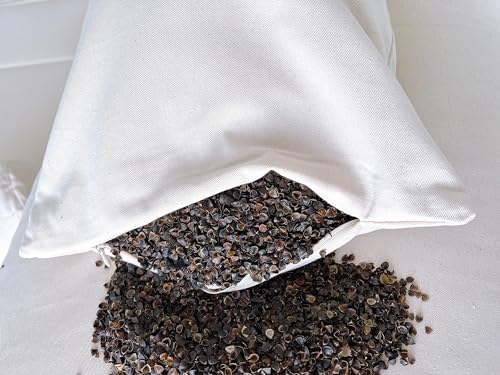
This classic form is filled only with hulls, often in a smaller and lower shape than a standard bed pillow. It gives the most direct moldable support and the strongest cooling, since air moves freely between hulls. It also feels firmest and rustles most when you turn. Choose it if you value a stable shape and a cool surface over plushness.
Adjustable pillows with a zipper opening
These pillows add a zipper so you can remove or add hulls and set the height yourself. That solves the most common complaint, a pillow that arrives too high or too low for your shoulders. Many come with extra hulls in the box. Choose this type if you are new to buckwheat, since you can tune the loft over several nights.
Blended fill pillows with a soft layer
Blended designs pair hulls with a thin layer of wool, cotton batting, or shredded latex on one side. The soft layer quiets rustling and softens first contact, while hulls below still provide the firm molded shape. Choose this type if you like the support idea but worry that hulls alone will feel too hard or too loud.
What Matters Most When Comparing Options
Compare types using the criteria below, which draw on maker specifications, material certifications, and patterns in buyer reviews. Comfort and support come first, followed by hull quality, cover fabric, temperature regulation, and durability. Trial periods and warranties matter too, since a firm pillow can only be judged by sleeping on it. Always confirm details on the product page before you order.
Who Should Buy a Buckwheat Pillow?
Side sleepers who need firm neck support
If you sleep on your side, the gap between your ear and the mattress is wide, and a soft pillow often collapses and leaves your neck bent. Hulls hold their shape in that gap, so your head and spine stay closer to a straight line. Look for an adjustable model you can fill higher, and read our guide to the best pillow for side sleepers if you want to compare hull support with other firm fills.
Back sleepers who want a molded cradle
On your back, you need support under the curve of your neck without a high mound pushing your chin down. A buckwheat pillow lets you push hulls to the edges and form a shallow cradle in the middle, a shape foam cannot hold. A medium loft adjustable model suits most back sleepers. If neck stiffness is your main concern, our guide to the best pillow for neck pain explains when pillow changes help and when you should talk with a clinician about ongoing pain, numbness, or weakness.
Hot sleepers who dislike foam
Foam tends to hold heat against your head, while hulls leave small air channels throughout the fill. Air moves through those channels each time you shift, so the surface feels closer to room temperature. If you wake up warm and flip your pillow often, a hull only model in a cotton cover is the strongest match here. Very light sleepers should weigh the rustling sound before choosing.
How to Choose the Right Pillow
Size and form factor
Standard, queen, and king sizes match the pillowcases you already own, while traditional buckwheat pillows are often smaller and feel firmer because hulls pack into less space. A larger size spreads the fill thinner and feels softer, so size changes firmness as well as looks. Measure your current pillow before ordering, since product photos make small pillows look bigger than they are.
Fill quality and hull preparation
Good hulls are whole, clean, and screened to remove dust and broken pieces, and many makers roast or air clean them before filling. Whole curved hulls interlock and hold a molded form, while crushed fill packs down and loses height faster. Check that the listing states the fill weight, since two pillows of the same size can differ by several pounds. A listing that hides fill weight makes honest comparison hard.
Features worth paying for
An adjustable fill opening is worth the most, since loft decides whether the pillow fits your body at all. A sturdy inner case matters too, because hulls can work through thin fabric over time. A washable outer cover is far easier to launder than the fill itself. Gusseted edges help a full pillow keep an even height at the sides. Skip scented inserts, which add cost and can bother sensitive sleepers without improving support.
Sleep position and body type
Side sleepers with broad shoulders need the highest loft, often four to six inches of compressed height, while back sleepers usually do well with three to four inches. Stomach sleepers need the lowest option and should remove a generous amount of fill, since a high pillow twists the neck. Use shoulder width and mattress firmness as your guide, because a soft mattress lets your shoulder sink and lowers the loft you need.
Materials and certifications
Look for a cotton or linen cover with a tight weave that keeps hull fragments inside. Some covers carry OEKO TEX certification, which means the fabric was tested for harmful substances, and organic cotton options exist for both cover and hull sourcing. If you have a known allergy to buckwheat as a food, talk with your doctor before sleeping on hulls, since caution costs nothing.
Cooling and breathability
Breathability here comes from the fill itself rather than from gels or special foams. The gaps between hulls let warm air escape and cooler air enter, and a natural fiber cover preserves that effect. A thick synthetic cover can block much of the air flow, so pair the pillow with a thin cotton case if cooling is your priority. Blended models with a foam layer run warmer, so hot sleepers should keep any soft layer thin.
Trial period, warranty, and budget
A trial period of at least a month matters because your neck needs one to two weeks to adapt to firm support. Check whether returns require you to ship back several pounds of hulls at your cost. Warranties mostly cover stitching and zippers rather than comfort. On price, expect about $30 to $50 for a basic small pillow, about $50 to $100 for a full size adjustable model with extra hulls, and over $100 for large sizes with organic materials.
Buckwheat vs Other Pillows: Pros and Cons
Compared with memory foam, buckwheat offers a shape you set yourself and far better air flow, but foam gives a softer and silent surface. Compared with down and down alternative fills, hulls are much firmer and heavier, and they never need fluffing. Compared with latex, buckwheat adjusts by handfuls of fill rather than by fixed firmness levels, though latex bounces back instantly while hulls stay where you push them. Weight is the clearest drawback, since a full buckwheat bed pillow can weigh seven to ten pounds, and noise is the second drawback.
The strongest case for buckwheat is control. You decide the height, shape, and firmness, and you can refresh all three at home in minutes. The strongest case against it is feel, since no adjustment makes hulls plush. If our broader guide to the best pillow shows you prefer soft and quiet fills, trust that instinct. If firm and cool are your priorities, buckwheat has few rivals among natural fills.
Common Mistakes to Avoid
- Judging the pillow on the first night, before your neck adapts to firm support and before you tune the fill level.
- Keeping the factory fill level even when the height strains your neck, even though removing hulls takes only a few minutes.
- Washing the hulls with water, which soaks the fill and can lead to mold if the hulls do not dry fully.
- Pairing the pillow with a thick waterproof protector, which blocks the air flow that makes buckwheat sleep cool.
- Ordering the smallest traditional size for a large bed and broad shoulders, then blaming the fill for a poor fit.
- Ignoring a stated buckwheat allergy in your household because the hulls sit inside a closed case.
How to Make Your Buckwheat Pillow Last Longer
Keep the hulls dry and let the pillow air out in sunlight for a few hours every few months, which freshens the fill and discourages moisture buildup. Launder only the removable cover, following its label. Store extra hulls in a sealed bag in a dry closet so you can restore height as the fill slowly compacts. Inspect the zipper and seams twice a year, since a small opening can spill thousands of hulls in one night.
FAQ
What is the best buckwheat pillow for a first time buyer?
An adjustable full size model is the safest first purchase, since you can start with less fill and add hulls as you learn what height suits you. Buy from a seller that includes extra hulls, so tuning does not require a second order. Give yourself two weeks of small changes rather than one large change, because your neck adapts gradually and small steps show you clearly which height helped.
Are buckwheat pillows worth it?
They are worth it if firm molded support and a cool surface are your top needs and you accept the weight and rustling. The value improves over time because you can add hulls instead of replacing the whole pillow when height drops. They are not worth it if you love a plush sinking feel, since no amount of adjustment turns hulls soft. Your sleep position and your tolerance for sound decide the answer more than price does.
How long does a buckwheat pillow last?
The case and zipper usually wear out before the hulls do, so inspect them first when the pillow starts to feel wrong. Hulls slowly break into smaller pieces with years of pressure, and a pillow that needs constant reshaping may hold tired fill. Sifting the fill over a colander outdoors removes dust and broken bits and shows you how much whole fill remains. That quick check tells you whether fresh hulls or a new case will solve the problem.
How to wash a buckwheat pillow safely?
Empty the hulls into a clean dry tub, wash only the fabric cases, and let the hulls sit in fresh air while the cases dry fully. Never reassemble the pillow until every part is completely dry. Our step by step guide to how to wash pillows covers stain treatment for covers and the drying times for other common fills, which helps if your household uses several pillow types.
How often should you replace a buckwheat pillow?
Replace the fill when hulls have crumbled enough that the pillow will not hold a shape, and replace the whole pillow when seams or the zipper fail beyond repair. Many owners refresh hulls in stages instead of replacing everything at once. Our guide on how often to replace pillows gives timelines for foam, down, and latex, which puts the long service life of hull fill in useful context.
Final Thoughts
Buckwheat rewards buyers who want firm support they can shape by hand and a surface that sleeps cool without gels or fans. Compare the types in the product table above by loft control, fill weight, and cover fabric, and favor an adjustable model with a fair trial if you are new to hulls. Chosen well, the best buckwheat pillow for your position and build can end the nightly cycle of folding, fluffing, and flipping that softer pillows demand.