
Best Bucket and Spade Sets: Buying Guide for 2026
Disclosure: We may earn a commission when you buy through links on this page, at no extra cost to you. As an Amazon Associate I earn from qualifying purchases. Learn more
Compare sizes, materials, safety and value to choose the best bucket and spade sets for beach days with kids.
A flimsy bucket that cracks on the first morning can quietly ruin a beach day for a small child. The difference between a set that lasts one trip and one that lasts several summers comes down to plastic quality, size, and a few simple safety details. This guide to the best bucket and spade sets explains what to check before you buy, with no guesswork about which shapes and sizes suit each age.
Start with the age of the youngest child who will use the set, then use the comparison table below to compare set sizes, piece counts, and materials.






Three Set Profiles Worth Looking For
Instead of chasing named products, shop by profile. The three profiles below describe what a strong set looks like at each level, so you can judge any set in a shop or listing against clear criteria.
All Round Profile
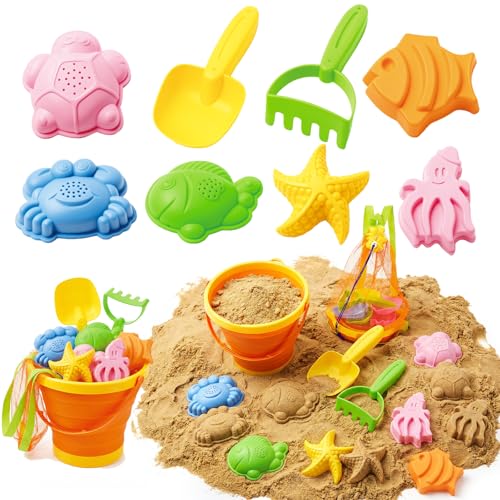
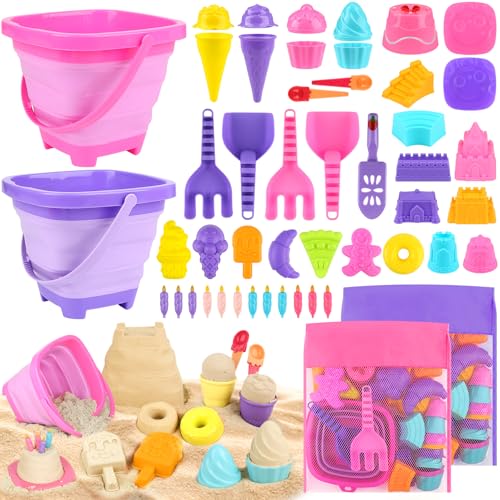
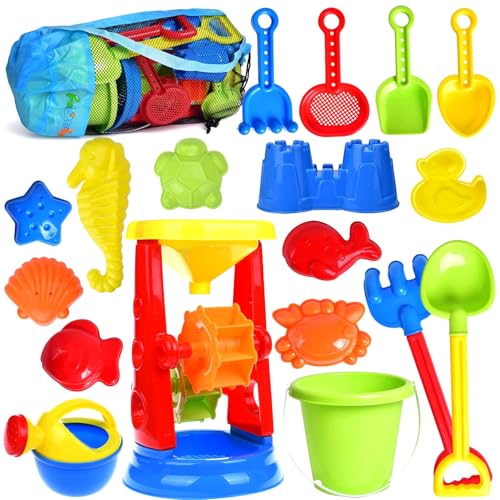
A strong all round set pairs a sturdy mid sized bucket with a spade, a rake, and one or two sand molds in shapes a child can press and lift cleanly. The plastic should flex slightly without creasing white at the bend, and the handle should attach at two solid points. This profile suits most families because it covers digging, carrying water, and building in one bag. Expect to pay about $15 to $25 for this level of build quality and piece count.
Value Profile
A value set keeps the essentials and skips the extras: one bucket, one spade, and a rake or a couple of molds. What matters is that the core pieces are thick enough to survive being stood on and left in the sun. Thin handles and sharp mold edges are where cheap sets fail, so check those first. At around $8 to $15, a value set is a smart buy for a single holiday or a spare set that lives at a grandparent's home.
Beginner Profile
For toddlers and first beach trips, smaller and lighter is better. A beginner set has a small bucket a little hand can carry when half full, a short chunky spade that is easy to grip, and smooth rounded shapes with no small parts. Bright colors help you spot pieces in the sand at packing up time. This profile costs about $10 to $18 and values safety and easy handling over piece count, which is the right trade for children under three.
How to Choose the Right Set: A Full Buying Guide
Choosing well means matching the set to your child, your beach, and how often you go. The points below cover the decision in order, and together they describe the best bucket and spade sets for a given family far better than any star rating can.
Intended Use and Who It Is For
Age drives everything. Toddlers need small, light, and simple pieces they can hold with two hands. Children from about four to seven want bigger buckets, real digging power, and molds for castles and shapes. Older children may prefer a large bucket and a strong spade for deep holes and channels. If siblings of different ages share one set, buy for the middle age and add one toddler safe piece for the youngest.
Maintenance and Long Term Costs
These sets cost little to maintain, but salt, sand, and sun do slow damage. Rinse pieces in fresh water after beach days so grit does not grind into joints and printed designs. Let everything dry before storage, because a sealed bag with wet plastic grows musty smells. Replacement cost is the real long term factor, so a slightly thicker set that survives three summers beats two thin sets that crack in one season each.
Build Quality and Materials
Most sets use polypropylene or similar plastics, and thickness matters more than the material name. Press the bucket wall with your thumb: it should give a little and spring back, not feel brittle or paper thin. Check seams and mold edges for rough flashing that can scratch small hands. Handles deserve a tug test in the shop, because a handle that pops off under a full bucket of wet sand is the most common failure of all.
Size, Weight, and Fit for Your Space
Think about the trip to the sand as well as the sand itself. A set that nests inside its own bucket packs into a beach bag or a suitcase corner, while loose pieces get lost in car boots and cupboards. Weight matters for the adult carrying everything, and for the child carrying the bucket to the water. A bucket around two to three liters suits most children, while very large buckets become too heavy once filled with wet sand.
Safety and Certifications
Look for clear age grading on the packaging and buy at or above your child's age, because grading reflects small parts and strength checks. Run a finger along edges and mold rims to check for sharp points, and avoid sets with thin cords or detachable small parts for toddlers. Toy safety marks from recognized standards bodies are a good sign. At the beach itself, tools do not replace supervision: keep young children within arm's reach near water, and see a doctor if a cut from a broken piece looks deep or dirty.
Key Performance Specs
The useful specs are bucket capacity, spade length, and piece count, read together. A spade around 20 to 30 cm long gives a school age child real leverage without being clumsy. Capacity around two to four liters balances building size against carrying weight. Piece counts between five and ten cover digging, raking, sieving, and molding without clutter. A sieve or watering can adds play value, but only if the core bucket and spade are strong first.
Types of Bucket and Spade Sets
Budget Options
Budget sets cost about $5 to $12 and cover the basics for a day or a short trip. They suit occasional beach visits and party gifts. The trade off is thinner plastic and fewer pieces, so check handles and edges with extra care at this level.
Compact Options
Compact sets nest or stack into one bucket and suit travel, hand luggage, and small storage spaces. They cost about $10 to $20. The pieces run smaller, which suits toddlers and light play, but older children may find the bucket fills too fast for big castles.
Premium Options
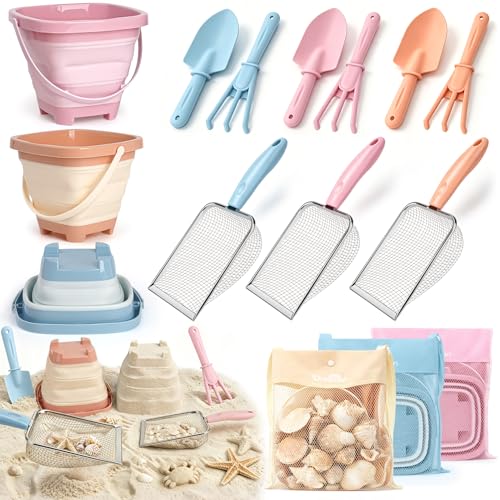
Premium sets cost about $25 to $45 and use thicker plastic, better handles, and sometimes silicone buckets that fold flat. They suit families who beach often and want one set for years. Extras like mesh carry bags and well finished molds justify the price when use is frequent.
Mid Range Options
Mid range sets cost about $15 to $25 and balance durability, piece count, and pack size for most families. This is the level where handles get stronger and molds get more detailed. For a typical family taking several beach trips a year, this range usually offers the best mix of life span and price.
How to Make Your Bucket and Spade Set Last Longer
- Rinse every piece in fresh water after use so salt and grit do not wear the plastic and fade the colors.
- Dry the set fully before storage, and keep it in a dry place out of direct sun, which makes plastic brittle over time.
- Count pieces back into the bucket at the end of each beach day, because most sets shrink by loss rather than breakage.
- Check handles, rims, and edges at the start of each season and retire any piece with cracks or sharp breaks.
- Store heavy items on top of nothing delicate, since a full beach bag can slowly bend thin spades out of shape.
Bucket and Spade Sets: Your Questions Answered
What features matter most when buying bucket and spade sets?
Plastic thickness, handle strength, and the right size for your child's age matter most. After those, look at piece mix and how the set packs away. One feature buyers often miss is the bucket rim. A rolled or reinforced rim resists cracking when the bucket is dropped on hard ground and makes the bucket easier for small hands to carry without spilling.
How long does a bucket and spade set last?
A mid range or premium set can last three or more summers of regular use, while a thin budget set may last a single season. Sun exposure is the biggest factor, because ultraviolet light slowly makes plastic brittle. Storing the set indoors between trips is the simplest way to add years. Lost pieces shorten a set's life in practice, so a carry bag helps more than people expect.
Are expensive bucket and spade sets worth it?
They are worth it for families who visit the beach often, because thicker plastic and stronger handles survive repeated use and rough packing. Premium materials like silicone also pack smaller, which frequent travelers value. For one beach trip a year, the gain is smaller, and a solid mid range set gives you most of the durability for about half the price.
How do I maintain a bucket and spade set?
Rinse, dry, and store out of the sun, and the job is nearly done. For stubborn smells after a season in storage, soak pieces in warm water with a little mild soap, rinse well, and dry in open air. Avoid harsh cleaners, which can dull colors and weaken some plastics. Check for cracks while you clean, since a quick check each season keeps sharp broken edges away from small hands.
How much should I spend on a bucket and spade set?
Most families should spend about $15 to $25 for a set that lasts several seasons. Spend under $12 when the set is for a single trip or a gift bag, and over $25 when you beach often or want a folding travel set. Age matters to the budget too. A toddler will outgrow a tiny set in a year, so avoid premium prices at that stage.
The Bottom Line
Buy for your child's age, check plastic thickness and handle strength in person when you can, and pick the type that fits how often you travel. The product table above lets you compare sizes and piece counts quickly. Judged on those points, the best bucket and spade sets are simply the ones still digging happily several summers from now.


