
Best Bubble Wand for 2026: Matching the Right Wand to Your Routine
Disclosure: We may earn a commission when you buy through links on this page, at no extra cost to you. As an Amazon Associate I earn from qualifying purchases. Learn more
Learn how to choose a bubble wand by size, solution flow, grip and durability, with simple setup and care tips for parties, gifts and everyday play.
There is no single wand that suits every home, party and play session, so the smartest choice starts with how you plan to use one. A best bubble wand for a small backyard game looks very different from a wand made for a large party or a classroom activity, and the comparison table below helps you see those trade offs side by side. Size, solution flow, grip and durability all matter more than a fancy shape, and a wand that feels right in an adult hand may be too long or too heavy for a small child.
This guide walks through the main user groups, the features worth comparing, the mistakes that waste money and the care steps that keep a wand working well. You will learn how to match wand length to your space, how to judge solution use, and when a simple wand beats a larger one. By the end, you should be able to pick a style that fits your routine without paying for features you will never use.
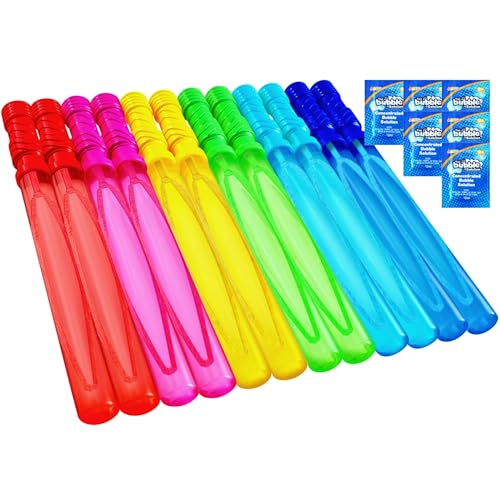

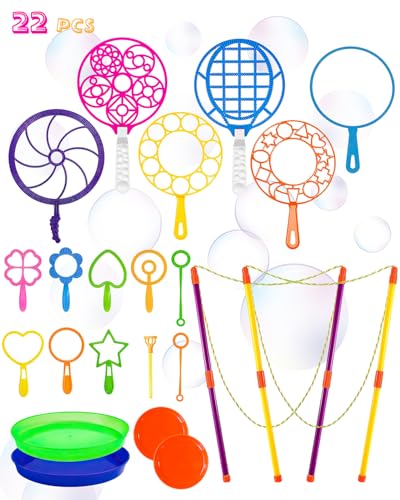
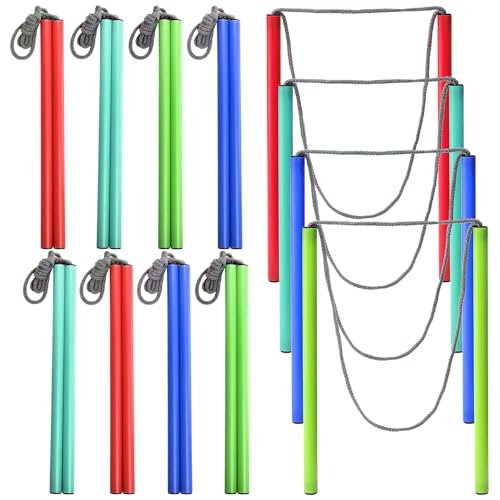
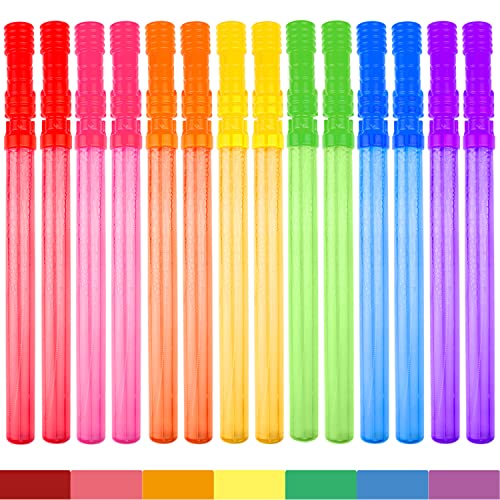
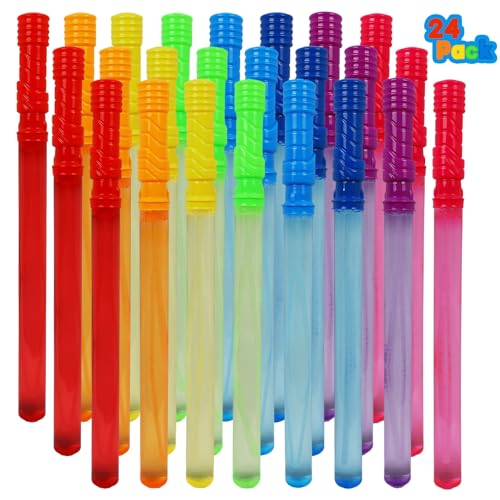
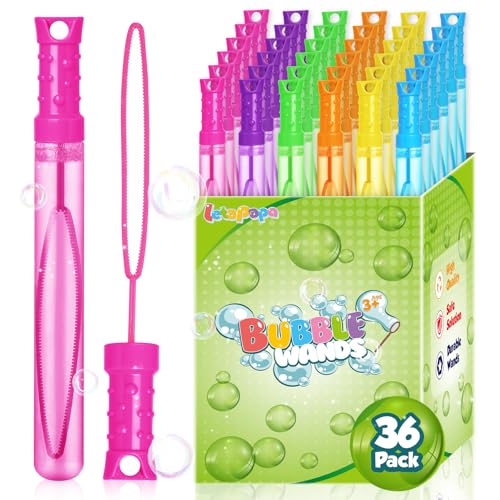
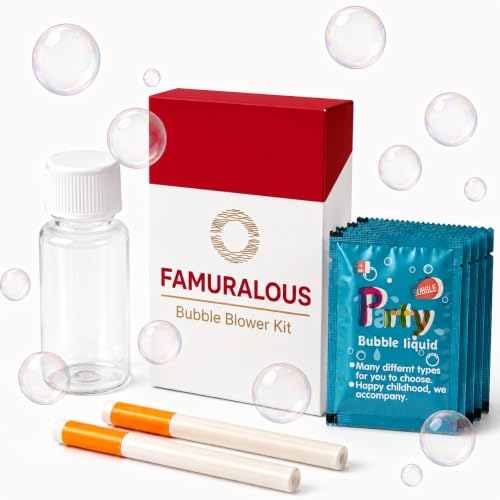
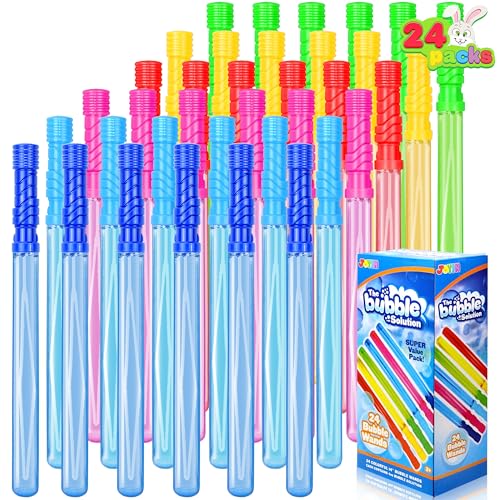
Who Should Buy Which Bubble Wands?
Different buyers want different things from a wand, so it helps to start with your own situation rather than with a list of shapes. Think about who will hold the wand, where it will be used, how often it will come out of storage and how much mess you are willing to manage. A wand for occasional party use can be larger and more playful, while a wand for daily play needs to be easy to clean and hard to break. The groups below cover the most common buyers, and each one points to the features that matter most for that routine.
For Value Seekers
Value seekers want a wand that lasts through many play sessions without a high price. Look for a sturdy handle, a ring that holds its shape after repeated dipping and a design that is easy to rinse and dry. A simple wand often gives better value than a large novelty shape, because there are fewer weak joints and less solution wasted on each dip. Check the maker guide for cleaning advice, and choose a size that suits your usual space so the wand does not hit fences, furniture or other players.
For related play ideas, see our guide to the best bubble toys when choosing gear for the children using it.
For First Time Buyers
First time buyers should keep things simple and choose a wand that is easy to hold, easy to dip and easy to clean. A medium length wand with a comfortable grip and a ring that is neither too small nor too wide gives the best start, because it makes steady bubbles without needing a special technique. Avoid wands with many moving parts at first, since each extra part adds a place where solution can leak or a joint can break. Read the maker guide before the first use, and test the wand in an open space where drips will not matter.
For Gift Shoppers
Gift shoppers want a wand that looks fun, feels solid in the hand and works well straight out of the package. A wand with a cheerful color, a comfortable grip and a clear maker guide makes a better gift than a complicated set that needs assembly or special parts. Think about the age of the person receiving it, since a long wand can be hard for a small child to control, while a tiny wand may bore an older child or an adult who wants larger bubbles. A sturdy storage case or a simple pouch is a useful bonus, because it keeps the wand clean between uses.
If you want bubbles with less effort, see our guide to the best bubble machine for parties and larger groups.
For People Who Want the Best Performance
Buyers who want strong performance should focus on ring design, solution flow and control rather than on decoration. A well shaped ring holds a film of solution evenly, releases it smoothly and resists bending when waved at different speeds. Handle length and grip texture matter too, because a wand that slips or twists in the hand will waste solution and produce uneven bubbles. Look for a maker guide that explains the right dipping depth and waving speed, since technique often matters as much as the wand itself.
Key Features to Compare
The features below cover the points that most affect everyday use, from safety to price. Work through them in order, and note which ones matter most for your space, your users and your budget. A wand that scores well on every feature may not exist, so trade offs are normal. The goal is a wand that fits your routine, not a wand that tries to do everything at once.
Safety and Certifications
Safety starts with the maker guide and any age guidance printed on the package, so read both before buying and before handing the wand to a child. Look for smooth edges, a handle that will not splinter or crack easily, and a ring that stays fixed during play. Small parts deserve special attention, because loose caps, beads or decorative pieces can come off and pose a choking risk for young children. Supervise play with small children, keep solution away from eyes and mouths, and store the wand and solution out of reach when play ends.
Intended Use and Who It Is For
Intended use shapes almost every other choice, so be clear about whether the wand is for backyard play, parties, classroom activities, photos or quiet indoor fun. Backyard play favors a durable wand that can handle drops and rough handling, while photo use favors a wand that makes large, slow bubbles in calm air. Classroom use favors easy cleaning and a size that many hands can share without breaking, and party use favors a wand that works fast and uses solution at a steady rate. When you know the main use, the right length, ring size and grip become much easier to choose.
Key Performance Specs
The most useful specs for a wand are ring size, handle length, grip shape and solution flow, and each one changes how bubbles form. A small ring makes many small bubbles with little solution, while a large ring can make fewer, larger bubbles but uses more solution on each dip. Handle length affects reach and control, since a long handle helps an adult make wide arcs but can be hard for a child to steer. Grip shape affects comfort during long play, and a textured grip helps when hands get wet or sticky from solution.
Ease of Use and Setup
A good wand needs almost no setup, and that simplicity is part of its appeal. You should be able to open the package, read the maker guide, dip the ring and start making bubbles within minutes. If a wand needs assembly, check that the joints fit firmly and do not wobble, and test it over a tray or outdoors so drips do not stain floors or furniture. A wand that is hard to assemble or hard to clean will spend more time in storage than in use, no matter how attractive it looks.
Price vs Value
Price tiers for wands are simple, and most buyers will find a good fit without spending much. Budget wands, at about $3 to $10, suit occasional play and younger children who may lose or break a wand. Mid range wands, at about $10 to $25, usually offer sturdier handles, better rings and clearer care advice, and they suit families who play often. Premium wands, at about $25 to $50, may offer larger rings, special shapes or stronger materials, and they suit party hosts, photographers and frequent players who want steady performance.
For help matching solution to your wand, see our guide to the best bubble solution for your ring size and play space.
| Wand type | Best for | Pros | Cons |
|---|---|---|---|
| Small ring wand | Young children and indoor play | Easy to control, uses little solution | Small bubbles only |
| Medium ring wand | Everyday family play | Balanced size and bubble count | Not ideal for very large bubbles |
| Large ring wand | Parties and photos | Large, slow bubbles | Uses more solution, needs open space |
Common Mistakes to Avoid When Buying Bubble Wands
- Choosing by shape alone, without checking ring size, handle length and grip comfort for the actual user.
- Ignoring safety and age guidance, especially small parts and supervision needs for young children.
- Buying a wand that is too long or too wide for the available space, which leads to broken bubbles and bumped furniture.
- Skipping the maker care advice, so dried solution stiffens the ring and shortens the life of the wand.
- Forgetting solution cost, since a wide ring can empty a bottle much faster than a small ring during long play.
Setup and Care Tips
Read the manual before first use, then test the wand outdoors or over a tray so drips do not stain surfaces. Dip the ring fully but gently, lift it slowly and wave it at a steady speed rather than flicking it fast. If bubbles break at once, try a slower wave, a different dipping depth or a calmer spot out of strong wind.
Clean and inspect regularly, rinse with clean water after play and check the ring and handle for cracks or bends before the next session. Store in a dry place, keep the wand flat or hanging, and keep solution capped and out of reach of small children when play ends.
FAQs
What features matter most when buying bubble wands?
Ring size, handle length, grip comfort and durability matter most, because they decide how easy the wand is to control and how long it lasts. A ring that holds solution evenly and a handle that fits the user will give better bubbles than a decorative shape. Safety guidance and cleaning ease matter too, especially for children. Check the maker guide for age advice and care steps before you buy, and choose a wand that suits your space rather than the largest one available.
How much should I spend on a bubble wand?
Most buyers do well at about $10 to $25, where wands usually offer sturdy handles and rings that hold their shape. Budget wands at about $3 to $10 suit occasional play or younger children who may break or lose a wand. Premium wands at about $25 to $50 suit frequent players, party hosts and photographers who want larger bubbles. Remember solution cost as well, since a wide ring uses more solution on each dip and can raise the total cost of play over a season.
How long does a bubble wand last?
A well made wand can last through many seasons when it is rinsed after use, dried fully and stored flat or hanging. Life depends on how often it is used, how roughly it is handled and whether it is left in heat or damp storage. Cracks, bent rings and loose handles are signs that a wand should be replaced rather than repaired with tape or glue. Following the maker care advice and keeping the wand out of reach of small children between sessions helps it last longer.
How do I maintain a bubble wand?
Rinse the wand with clean water after every play session, shake off extra water and let it dry fully before storage. Inspect the ring for bends and the handle for cracks, and set aside any wand that feels loose or damaged. Avoid harsh cleaners unless the maker guide allows them, and store the wand in a dry place away from heat. Keep solution capped and stored separately, and never leave a wet wand inside a sealed bag where dampness can damage the ring coating.
Are expensive bubble wands worth it?
Expensive wands are worth it only when the extra cost buys a real benefit for your routine, such as a larger ring for photos, a stronger handle for frequent play or a grip that suits long sessions. For occasional backyard play, a simple mid range wand usually gives just as much fun. Compare ring size, handle comfort and cleaning ease before paying more, and remember that technique and the right solution often matter more than price alone for good bubbles.
Our Verdict
Start with your user, your space and how often the wand will be used, then choose ring size, handle length and grip to match. A simple, sturdy wand that is easy to clean will serve most families better than a large novelty shape that wastes solution and breaks early. Check safety guidance, supervise young children and follow the maker care advice to keep the wand working well. For a final check, look back at the product table above, pick the size that fits your routine, and enjoy the best bubble wand choice for your next play session.


