
Best Bubble Mowers in 2026: Matching the Right Model to Your Routine
Disclosure: We may earn a commission when you buy through links on this page, at no extra cost to you. As an Amazon Associate I earn from qualifying purchases. Learn more

Compare bubble mowers for toddlers by bubble output, tank size, rolling ease and safety, with checks for age, yard surface, sounds and simple cleanup.
A bubble mower looks simple until your toddler pushes it across real grass and the bubbles stop, the tank drips, or the handle sits too high to steer. The best bubble mowers match how your child actually walks and plays. Use the comparison table below to check bubble output, tank size, rolling ease and weight against your yard.
No single model suits every family. A new walker needs a light toy that rolls at a slow, wobbly pace, while a confident three year old wants a long stream of bubbles on every loop of the lawn. Start with your child and your surface, and let the features follow.


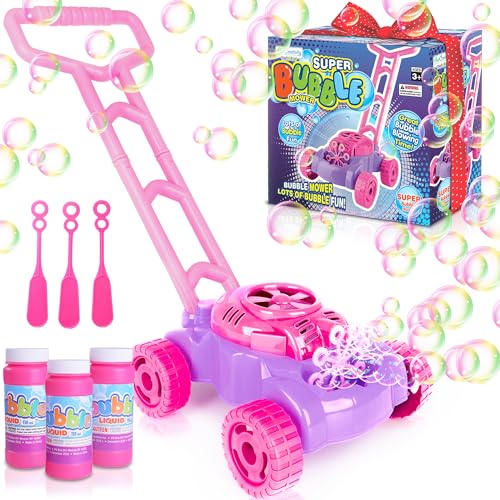


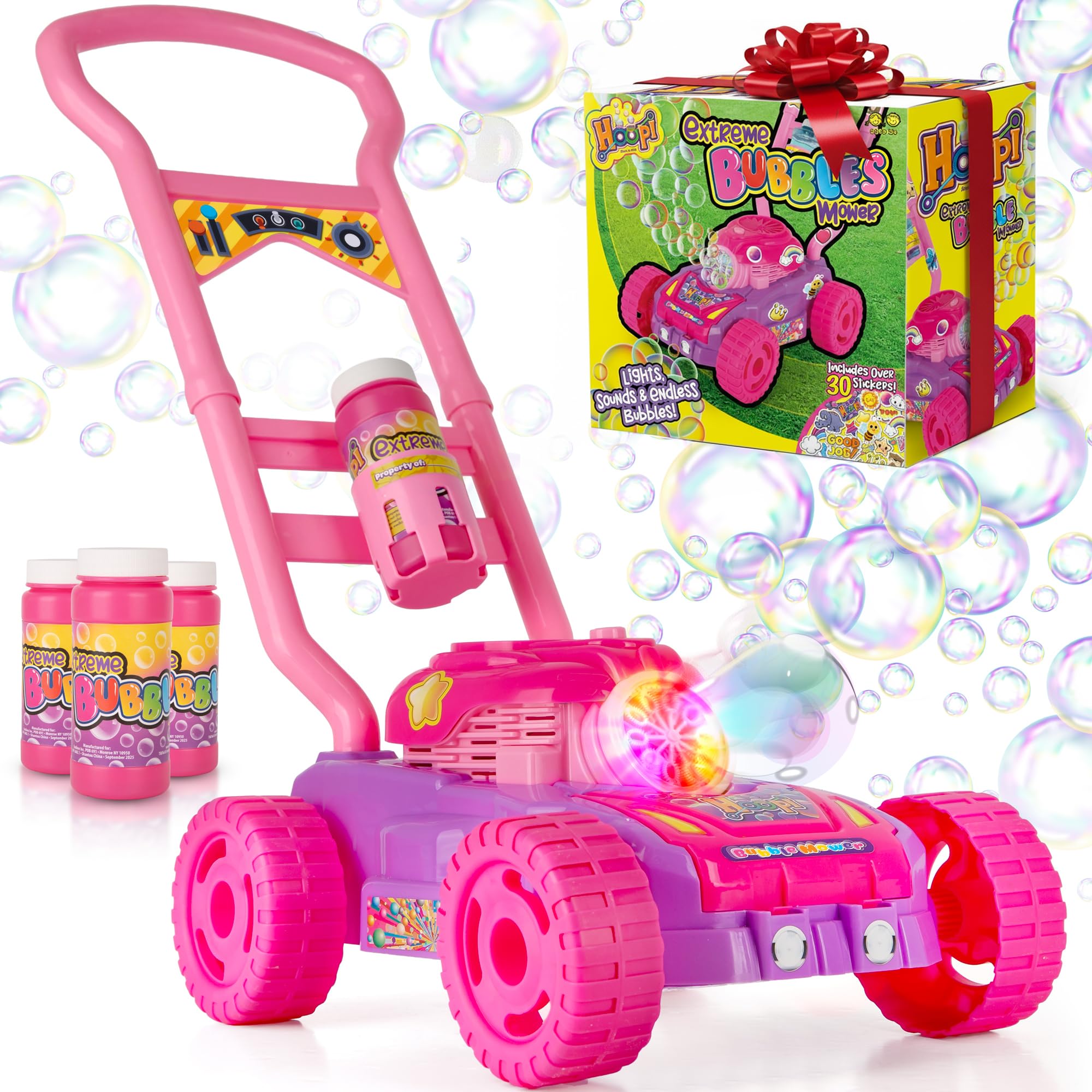
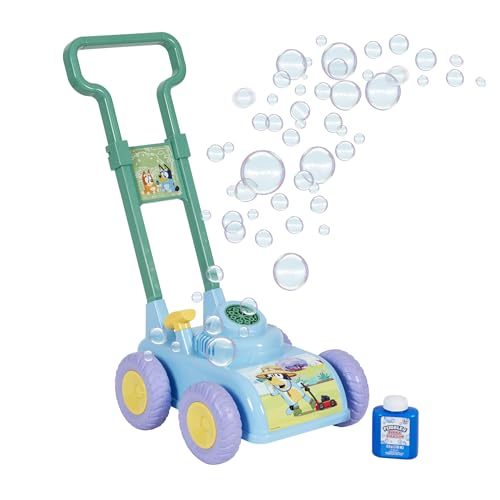

Who Should Buy Which Bubble Mowers?
Pick by the stage your child is in now, because a toy that feels wrong this season rarely gets a second chance. The groups below cover the situations parents describe most often.
Toddlers Who Are Just Learning to Walk
Your child pushes slowly, stops often and leans on the handle for balance. Choose the lightest body you can find, a wide and stable wheel base and a handle low enough for hands to rest on without lifting the shoulders. Bubbles should start at a gentle pace, since a blower that needs speed rewards this group with almost nothing.
Confident Walkers Who Play for Longer Stretches
Your child walks full loops of the yard, turns at the fence and comes back for more. Choose a larger tank so play does not end at the first refill, stronger handle joints, and wheels that keep rolling over bumps and thicker grass. Sounds and moving parts matter more here, because pretend play now carries the fun.
Families With Small Yards, Patios and Tight Storage
Your play space is a patio, a driveway or a small patch of lawn, and the toy lives in a closet. Choose a compact body that stores upright without dripping, and check that the handle folds flat or removes for a shelf. Pavement suits this group well, because bubbles show clearly and rolling takes little effort.
Bubble Mowers for Specific Toddler Needs
The name can confuse shoppers, because a bubble mower does not cut grass at all. It is a pretend mower that blows bubbles as a child pushes it. If you arrived here looking for a machine for adult yard work, see our guide to the best grass mowers for cutting, our guide to the best motor mowers for powered models, and our guide to the best of mowers for a wider view.
Best bubble mowers for toddlers: What to Prioritize
Toddlers tip the toy over to inspect it, shake it and carry it by the handle, so a sealed tank and a low, light body matter more than extra features. Choose solution labeled nontoxic and made for bubble toys, and let an adult do every fill. If a child drinks a large amount of solution, develops eye pain or redness that does not settle, gets a rash or has trouble breathing, contact a doctor promptly, and talk with your clinician about personal needs.
Key Features to Compare
Compare these factors in the same order each time, so a bright color cannot hide a leaking tank or stalling wheels.
Bubble Output and How the Blower Works
Most models blow bubbles one of two ways. In a push powered design, the wheels turn a small fan as the toy rolls, so the stream grows stronger as your child walks faster and stops when the toy stops. In a battery blower design, a motor keeps the stream steady at a slow toddle, but the toy weighs more and the battery area must stay dry.
Tank Size, Refills and Leak Control
A bigger tank means longer play between refills, but a full tank also adds weight at the front of the toy, where a small child feels it most. Look for a wide fill opening you can pour into without a funnel, a cap that closes with a firm twist and seals that hold solution inside when the toy tips onto its side. Partly clear walls help you see the level at a glance and refill before the stream fades.
Wheels and Rolling Ease on Grass and Pavement
Wheels decide whether your child plays or gives up. Wide wheels roll over short grass, cracks and small bumps with less effort, while small hard wheels feel quick on smooth pavement but stall in a thick lawn. Push resistance matters twice on a push powered model, because the wheels also drive the fan, so a toy that rolls hard makes fewer bubbles. Picture your child starting from a standstill on your surface, since that first push is the hardest one.
Handle Height, Weight and Grip Size
The handle should meet your child between waist and chest height, so arms hang in a natural position while pushing. A handle that sits too high forces the shoulders up and tires small arms, while one that sits too low makes your child stoop. Weigh the toy empty and imagine it full, and choose a grip slim enough for small hands to wrap around fully, because a grip a child cannot close a hand around slips on turns.
Sounds, Lights and Pretend Play Details
Engine sounds, clicking gears, spinning beads and a whirling pretend cutter stretch a five minute push into a long pretend job. Volume is the catch. A loud toy on a patio or near a sleeping baby wears out its welcome fast, so look for a volume control or an off switch on electronic sounds. Prefer sounds that play while the toy moves, since a button your child must hold down asks for one hand too many.
Build, Edges and Outdoor Durability
Look for smooth, rounded edges, seams that sit flush and no sharp points where two plastic parts meet. Check that moving joints open and close without catching skin, and that the handle locks firmly instead of folding when a tired toddler leans on it. Thick plastic that flexes a little survives drops on pavement better than thin plastic that cracks, and a toy stored out of direct light keeps its colors longer.
Common Mistakes to Avoid When Buying Bubble Mowers
Most disappointments with this toy come from a short list of buying errors.
- Choosing by color or a favorite character alone leaves you with a toy your child cannot push across your own grass.
- Buying a large, heavy model for a new walker makes the toy tip or sit unused until your child grows into it.
- Ignoring the cap seal lets solution leak in the closet and coat the floor under the toy.
- Assuming every model bubbles well at a slow toddling pace ends the game early when the stream never starts.
- Filling the tank with diluted dish soap instead of bubble solution gives weak bubbles and leaves the patio slick.
Care and Maintenance for Your Bubble Mower
Empty the tank when play ends for the day, rinse the fill opening with plain water if the maker allows it, and let the toy air dry before you store it upright indoors. Dried solution left inside can gum up the bubble path, so the next season starts with sputtering instead of a stream. Keep spare solution bottles sealed and out of reach, like any household liquid.
Before each outing, spin each wheel once to clear grass wrapped around the axle, wipe spills off the body so small hands do not slip on the grip, and check that the cap still twists closed with a firm stop. Fill the tank outdoors when you can, because even a careful pour sheds drops.
Frequently Asked Questions
How long does a bubble mower toy usually last?
A bubble mower toy usually lasts one to three seasons of regular outdoor play. The handle joint and the wheel axles wear first, because they take the steering force and the grit from the lawn. Before a second child inherits the toy, wobble the handle and spin each wheel. Play in either part means poor steering, even when the body still looks new.
Does a bubble mower work on both grass and pavement?
Yes, a bubble mower works on both surfaces, but short dry grass and smooth pavement give the steadiest stream. Wet grass flattens under the wheels and slows the toy, and bubbles pop faster on a damp lawn. A dry late morning, after dew lifts, tends to give young children the easiest push and the longest lasting bubbles.
Does a bubble mower need batteries?
Many bubble mowers need no batteries at all, because the wheels power the blower. Some models use batteries for sounds only, while a smaller group uses them for the blower itself. Read the listing closely to learn which job the batteries do, since a toy that goes quiet when batteries fade is a small problem, while a toy that stops blowing bubbles is another matter.
What size bubble mower suits a toddler who is still unsteady?
The smallest and lightest size suits an unsteady toddler, with a handle near waist height and a wide wheel base. Try the first pushes with the tank only half full, because the lighter front end lets your child practice steering before full weight arrives. Stand behind your child on any slope, since a toy that rolls away invites a chase on feet not ready for speed.
How can parents stop a bubble mower from leaking in storage?
Emptying the tank and storing the toy upright with the cap fully closed stops most storage leaks. Temperature swings also play a part, because warm air expands inside a part filled tank and can push solution past a weak seal. Keep the toy in a plastic bin in the car, and a rare drip stays contained.
Wrapping Up
Start with rolling ease on your own surface, then check that bubbles flow at the pace your child actually walks, then look for a sealed tank and a handle at the right height. Those points decide whether the toy gets daily use or gathers dust. The product table above lets you weigh size, weight and price against each one.
When you compare best bubble mowers with your child stage in mind, the right pick is usually the simplest one that rolls well and bubbles steadily. Keep spare solution on hand, and your small mower can get to work beside yours.


