
Best Brushless RC Motor Brand for 2026: Who Makes the Most Reliable Models?
Disclosure: We may earn a commission when you buy through links on this page, at no extra cost to you. As an Amazon Associate I earn from qualifying purchases. Learn more

Compare brushless RC motor makers on reliability, warranty, parts support and value, so you can pick a maker that fits your model, driving style and budget.
With so many makers on the market, it is hard to know which one to trust with your model and your money. A best brushless rc motor brand is not simply the loudest name in the hobby. It is the maker whose motors run smoothly, whose stated specs match real use, and whose support helps you when something goes wrong.
This guide compares makers by clear criteria instead of hype. You will learn what separates a reliable maker from a risky one, how to weigh warranty and parts support, and how to match a maker to your budget. Read the comparison table below, then use the criteria in this guide to narrow your shortlist.


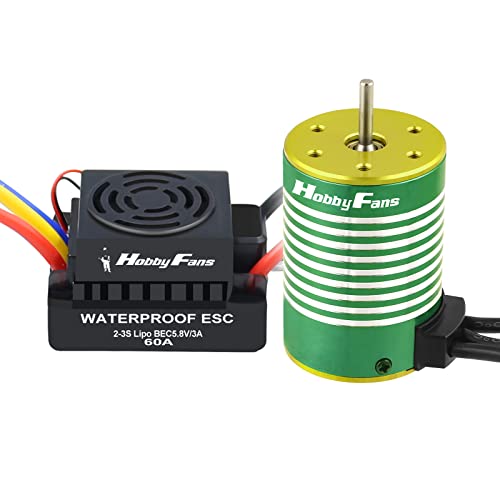


What Makes a Great Brushless RC Motor Brand?
A strong maker starts with consistent quality control. Motors from the same line should feel alike, run at similar temperatures, and deliver similar speed on the same setup. When quality varies from unit to unit, tuning becomes guesswork and you may blame your gearing or battery for a problem that really comes from the motor. Look for makers that publish clear specs, including motor size, KV rating, pole count, and recommended cell count, and that keep those specs stable across production runs.
Support matters just as much as the motor itself. A good maker answers questions, stocks spare parts such as bearings and sensor cables, and honors warranty claims without a long fight. Before you buy, check whether replacement parts are easy to find and whether the maker lists a service contact. A motor that cannot be repaired or replaced quickly can sideline your model for weeks.
Intended Use and Who It Is For
Your driving style shapes which maker fits you best. Bashers who jump and crash need tough construction and good parts support, while racers need consistent power delivery and precise spec sheets for class rules. Crawlers need smooth low speed control, and on road drivers need efficient motors that stay cool at sustained speed. Match the maker to your use first, then compare motors within that maker range.
Price vs Value
Budget motors often start at around $25, mid range options sit at about $40 to $90, and premium motors can run above $100. A higher price does not always mean a better motor for your model, but it often buys tighter quality control, better bearings, and stronger support. Spend more when you race or run high power setups, and save money when you are learning or building a spare model.
Key Performance Specs
The most useful specs are KV rating, motor size, pole count, and maximum voltage. KV tells you roughly how fast the motor spins per volt, so lower KV suits torque heavy crawling and higher KV suits speed. Motor size, such as 540 or 3660, hints at torque and heat handling. Always match the motor to your speed controller rating and your battery voltage, and follow the maker guidance on gearing to avoid overheating.
Maker Criteria at a Glance
Rather than ranking individual makers, use the table below to score any maker you are considering. A maker that scores well on most rows is usually a safer buy than one that shines on a single spec but fails on support or parts.
| Criterion | What to Look For | Why It Matters |
|---|---|---|
| Warranty | Clear length and simple claim process | Protects you against early defects |
| Parts support | Bearings and sensor cables in stock | Keeps your model running after wear |
| Product range | Motors for several scales and uses | Lets you stay with one maker as you grow |
| Materials and build | Quality magnets, shafts, and housings | Affects durability and heat handling |
| Spec honesty | Consistent, detailed published specs | Makes gearing and setup predictable |
Warranty length alone is not enough. Read the terms to see what is covered, whether you pay return shipping, and how long claims usually take. A short warranty with fast, friendly service can beat a long warranty that is hard to claim. Keep your receipt and note your purchase date, since many makers ask for proof of purchase.
Range matters because your needs may change. A maker that offers crawler, basher, and race motors lets you compare options on familiar terms and reuse what you learn about gearing and setup. A narrow range is fine if it covers your exact use, but it can leave you starting over when you buy a second model. Materials also deserve a close look, since better magnets and stronger shafts tend to handle heat and hard landings with less wear.
Support quality shows up in small details. Clear manuals, wiring diagrams, and gearing charts save time and prevent wiring mistakes. Responsive help channels matter when a motor stutters or runs hot and you need to know whether the cause is the motor, the speed controller, or the gearing. When a maker invests in clear guidance, setup feels less like trial and error.
How to Choose Between Brands
The specific motor often matters more than the name on the can. Two motors from the same maker can suit very different models, and a well chosen motor from a lesser known maker can outperform a poorly matched motor from a famous one. Start with your model, scale, battery, and speed controller, then shortlist motors that fit those limits.
Next, weigh warranty and service in your country, since a maker with no local support can be slow to help even with a good product. Read user feedback for patterns rather than single complaints, and look for repeated notes about heat, bearing wear, or spec accuracy. Finally, confirm parts availability before you order, so a worn bearing does not end your season.
Frequently Asked Questions
What features matter most when buying brushless RC motors?
KV rating, motor size, pole count, and voltage rating matter most, because they decide speed, torque, and heat. Match these specs to your model scale, battery, and speed controller before you compare makers. Also check sensor support if you crawl or race, since sensored motors give smoother low speed control. A maker that publishes full specs makes this comparison much easier.
Are expensive brushless RC motors worth it?
Expensive motors are worth it when you race, run high power setups, or need consistent performance from run to run. Premium motors often bring tighter quality control, better bearings, and stronger support, which can save money over time. For casual driving or a first build, a mid range motor usually gives plenty of performance. Spend the extra money only when the added consistency and support match your use.
How long does a brushless RC motor last?
A brushless motor can last for years with sensible gearing and regular care, since it has no brushes to wear out. Bearings are usually the first part to wear, and they can often be replaced to extend motor life. Heat is the main enemy, so avoid gearing that leaves the motor too hot to touch after a run. Dust, water, and hard crashes can shorten life, so inspect the motor after rough sessions.
How much should I spend on a brushless RC motor?
Most drivers do well at about $40 to $90 for a solid mid range motor that balances power, durability, and support. Budget motors at around $25 suit learning builds and spare models where top performance is not critical. Premium motors above $100 suit racing and demanding setups where consistency matters. Set your budget after you choose the right size and KV, not before, so you do not buy the wrong motor at any price.
How do I maintain a brushless RC motor?
Keep the motor clean and dry, clear debris from cooling vents, and check mounting screws after hard runs. Listen for grinding or rough bearings, and replace worn bearings promptly to protect the shaft and magnets. Avoid overgearing, since excess heat damages magnets and shortens motor life. Follow maker guidance on cleaning and lubrication, and keep small parts and batteries away from children during maintenance.
The Bottom Line
The right maker is the one that pairs honest specs with a fair warranty, available parts, and support you can actually reach. Choose your motor size and KV first, then score makers on the criteria in this guide and pick the best fit for your model and budget. A best brushless rc motor brand earns that trust run after run, not from a single fast lap. Check the product table above once more, confirm parts availability, and buy with confidence.


