Best Brown Platform Sandals: Budget, Midrange, and Premium Picks for 2026
Disclosure: We may earn a commission when you buy through links on this page, at no extra cost to you. As an Amazon Associate I earn from qualifying purchases. Learn more

Learn how to choose the best brown platform sandals by height, cushioning and strap fit, with clear budget guidance and a simple sizing checklist.
Brown platform sandals range from under $30 for simple summer pairs to over $150 for leather styles built to last several seasons. That wide spread makes it hard to know where extra money actually helps and where it only pays for a label. This guide sorts the best brown platform sandals by budget level, so you can match height, cushioning, and strap quality to how you really walk and dress.
Use the comparison table below to scan heights and materials side by side, then read the tier notes to decide which level fits your feet and your plans.

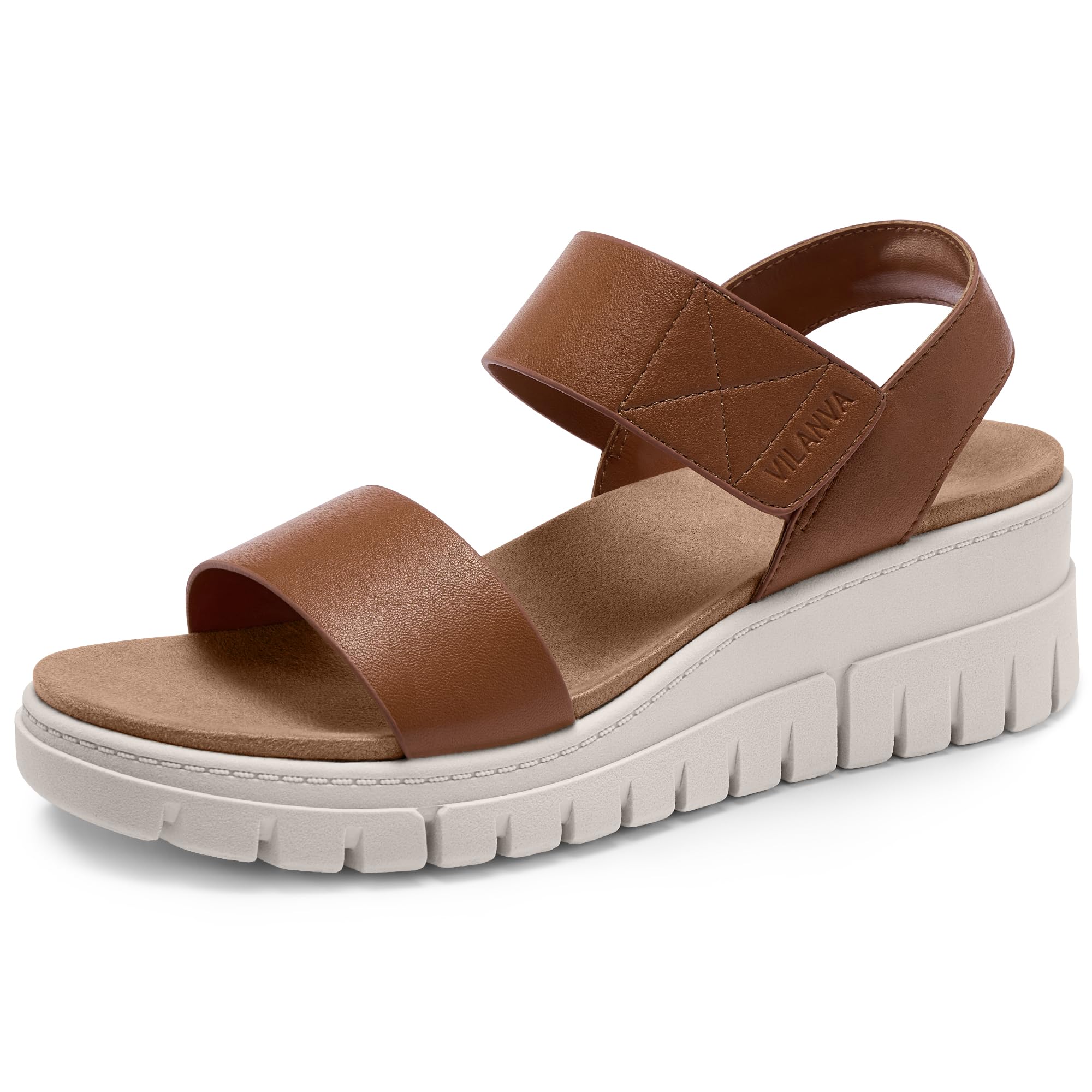
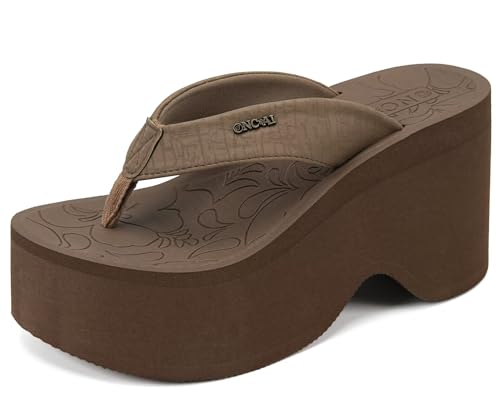

Choosing by Budget: What Each Level Should Deliver
Budget is the fastest way to narrow this category, because platform height and color look similar in photos at every price. What changes with price is the footbed, the strap lining, and how well the sole holds its shape after weeks of wear. Think of the three levels below as checklists for what your money should buy, not as promises about any single pair.
Budget Level Expectations
At the budget level, around $30 to $50, expect a molded synthetic footbed, a lightweight foam platform, and straps that feel fine for short outings. This level suits occasional wear, vacations, and trying the platform look before you commit. Check that the sole has real tread texture, that straps do not cross over your ankle bone, and that the brown tone in photos looks even rather than blotchy. The main trade off is lifespan, since foam platforms at this level often compress within one busy summer.
Midrange Level Expectations
Midrange pairs, around $50 to $90, should add a contoured footbed with some arch support, softer strap linings, and a more durable rubber outsole. This is the level most buyers should target for regular weekly wear, because comfort gains are real and easy to feel on a long afternoon. Look for adjustable straps, a platform that flexes slightly at the toes, and stitching that looks even. If a midrange pair lacks those basics, a cheaper pair may serve you just as well.
Premium Level Expectations
Premium pairs, around $90 to $160, should bring full leather uppers or high quality leather alternatives, a footbed that keeps its cushion, and hardware that feels solid in hand. You are paying for materials that age gracefully, since brown leather deepens in tone and molds to your foot over time. This level makes sense if you wear platforms three or more days a week or want one pair to anchor many outfits. Even here, fit comes first, because premium leather cannot fix a strap in the wrong place.
What Your Money Gets You at Each Price Tier
The product table above gives you the raw specs, but tiers only matter when you connect them to your routine. A commuter who walks on pavement, a teacher on hard floors, and a vacationer on boardwalks all stress a platform differently. The notes below translate price into daily comfort so you can place yourself in the right tier with confidence.
Budget Tier: What to Expect
Budget platforms work best for light duty days of a few hours, mostly on flat ground. Foam soles feel soft at first, yet they pack down faster, so arch support fades sooner than in pricier pairs. Straps are often unlined, which can rub on the first warm days. Choose this tier for style experiments, pool adjacent outfits where water exposure is likely, or a spare pair for guests and travel. Inspect the glue lines and heel edges before you keep them, since finish quality varies most at this level.
Midrange Tier: The Sweet Spot for Most Buyers
Midrange is where comfort features stop being marketing words and start showing up in the build. You should see a shaped footbed, a heel cup that cradles rather than a flat slab, and an outsole with enough rubber to grip wet pavement. Many walkers who start here never need to spend more. If you are comparing options in this range, our overview of the best platform sandals explains how platform shapes differ across styles. Spend your attention on strap placement and footbed shape rather than small price gaps.
Premium Tier: When Spending More Pays Off
Spending more pays off when you value longevity and a refined finish. Leather straps soften without stretching out, metal buckles outlast plastic ones, and denser sole materials resist the wobble that thin foam develops. Brown shades also tend to look richer and more consistent at this level, which matters when the sandal is the focal point of an outfit. Premium pairs still need a trial walk at home, because a tall, stiff platform can feel tippy regardless of price. Keep the receipt until you have worn them indoors for a full evening.
Features Worth Paying For and Ones to Skip
Not every feature deserves your money. The four areas below decide whether a platform sandal feels good at hour one and hour six. Use them as a scoring card when you compare pairs, and be skeptical of decorative extras that add cost without adding comfort, such as heavy metal trim on straps or overly sculpted footbeds that suit only one foot shape.
Cushioning and Support
Cushioning should absorb impact without feeling mushy. Press your thumb into the heel area of the footbed. It should give a little, then push back, rather than bottoming out against a hard base. Modest arch support helps most people on long days, while a very high arch can ache if your feet are flatter. Heel to toe drop on platforms is usually small, which keeps your stance level, but a rigid sole shifts work to your knees. If all day comfort is your priority, compare notes with our guide to the best comfortable platform sandals before you decide.
Outsole Traction and Terrain
A platform raises you above the ground, so grip matters more than on flat sandals. Look for a rubber outsole with grooves that run in more than one direction, since single direction grooves can slide on smooth wet floors. Shallow tread is fine for city sidewalks and indoor events. Deeper lugs help on gravel paths and grass at outdoor gatherings, though they can feel clunky on polished floors. Avoid glossy soles with no texture at all, no matter how pretty the brown finish looks, because one slip can end the season for that pair.
Weight and Flexibility
Platforms add height and material, so weight creeps up fast. A pair that feels fine in your hand can tire your legs after a mile. Walk across the room and notice whether the sandal follows your foot or slaps against it. Some flex at the ball of the foot is healthy, because it lets your stride roll instead of rocking like a block. Very stiff platforms suit short, styled outings. Lighter, slightly flexible platforms suit errands, transit days, and any plan where you may end up walking farther than expected.
Fit, Sizing, and Toe Box
Measure your feet in the late afternoon, when they are at their largest, and match the longer foot to the size chart for that style. Your toes should rest fully on the footbed with a small margin at the front, never hanging over the edge, which looks untidy and risks stubbing. A roomy toe box helps if your feet swell in heat. Adjustable straps over the toes and ankle give you the most control. If you fall between sizes, most platform styles feel better sized up, with straps tightened to secure the fit.
Long Term Costs to Factor In
The purchase price is only part of what a pair costs you. Leather styles benefit from a conditioner that costs around $10 to $15 and extends strap life, while foam platforms may need full replacement sooner, which doubles their true cost across two summers. Factor in a spare pair of gel heel grips if you love a style that runs slightly loose, and consider whether the maker offers resoling or strap repair. Brown is a forgiving color for scuffs, which lowers upkeep, but light tan shades show water spots more than deep chocolate tones. A slightly pricier pair you wear 100 times beats a cheap pair you retire after 15 wears.
FAQs
How long is the break in period?
Most platform sandals settle in within three to five short wears. Leather straps soften fastest, often within a week of regular use, while synthetic straps may keep their shape and never truly mold. Wear new pairs at home for an hour at a time, and add thin socks if a strap rubs. If pain persists after a week, the fit is wrong rather than the pair being stubborn, so exchange sizes instead of pushing through.
Do I need waterproof shoes?
No, most people do not need fully waterproof platform sandals. Leather and foam platforms handle a light rain shower if you let them dry fully afterward, away from direct heat. If your plans involve boats, beach bars, or sudden summer storms, choose synthetic straps and a rubber sole that dries fast. For broader warm weather options beyond platforms, see our guide to the best brown sandals for flat styles that tolerate water better.
How should brown platform sandals fit?
Your heel should sit centered in the heel cup and your toes should stay on the footbed when you walk, with no sliding forward. Straps should hold the sandal close without leaving deep marks after ten minutes. Walk on a hard floor, not just carpet, and try a gentle slope if you can. Platforms amplify a poor fit, so a half size change often matters more here than in flat shoes.
Can I wear them all day?
Yes, many people wear midrange and premium platforms all day once the fit is right. Start with a half day, carry a backup pair on your first long outing, and note where pressure builds. Height above about 2 inches raises ankle roll risk on uneven ground, so save the tallest pairs for familiar routes. If your day involves miles of walking, our guide to the best platform sandals for walking covers lower, steadier designs.
How often should I replace my brown platform sandals?
Replace them when the footbed stays compressed, the tread looks smooth, or straps stretch so much that your foot slides. For daily wear, that is often after one to two seasons for foam soles and two to four seasons for leather pairs with rubber outsoles. Rotating two pairs extends the life of both, because foam recovers between wears. Retire a pair promptly if the platform cracks, since a split sole can catch and trip you.
Wrapping Up
Start with your budget tier, then judge cushioning, traction, and toe room in that order. Brown pairs well with denim, white dresses, linen, and navy, so one well chosen pair can carry a whole warm weather wardrobe. Pick the best brown platform sandals for the days you actually live, and check the comparison table above once more before you order.