Best Brown Oxford Shoes for 2026: Which One Fits the Way You Use It?
Disclosure: We may earn a commission when you buy through links on this page, at no extra cost to you. As an Amazon Associate I earn from qualifying purchases. Learn more

Not all brown oxford shoes fit every routine. See which best brown oxford shoes match how you actually use them, what features to prioritize, and what to skip.
There is no single right oxford, because a shoe that thrives in a daily office rotation fails as an occasional wedding shoe, and the reverse is just as true. Brown adds another layer, since the shade that flatters a navy suit can look wrong with charcoal. This guide to the best brown oxford shoes starts from how you actually live in your shoes, then matches construction and features to that routine.
The comparison table below collects current options across styles and price tiers. Read the use case sections first, find the one that sounds like your week, and then shop the table with those priorities in hand.


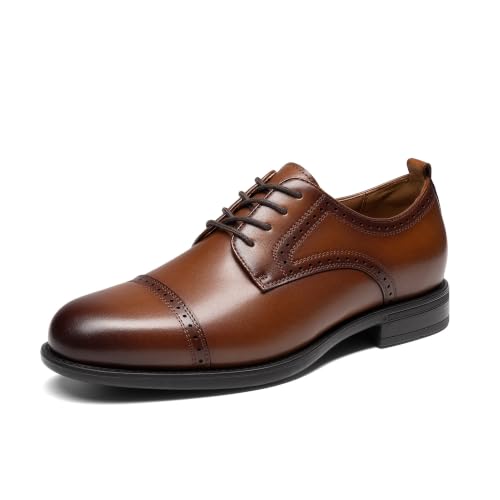
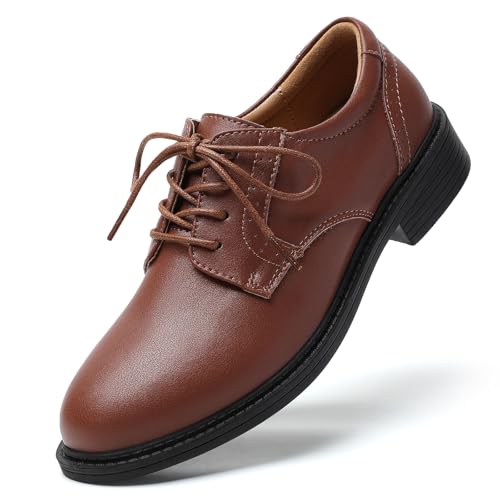

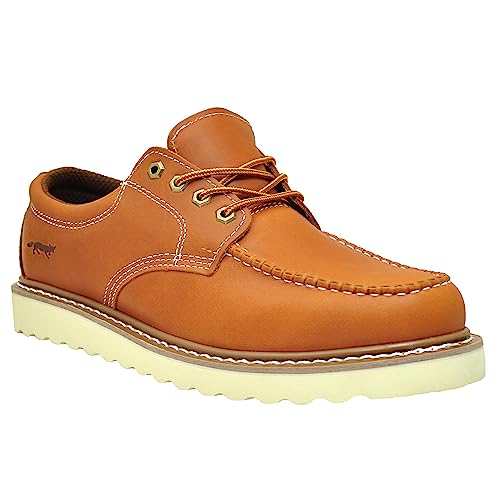
Who Should Buy Which Brown Oxford Shoes?
For Daily Office and Frequent Wear
If oxfords are your weekday uniform, durability and comfort features outrank ceremony. Look for full grain leather uppers, a leather or combination sole with rubber for grip and rain, and construction that allows resoling, such as a stitched welt. A slight heel cushion and a breathable leather lining pay off across ten hour days. Choose mid brown or chestnut, which pairs with navy, gray, and tan suits and hides scuffs better than very light tan. Buy two pairs and rotate them; the second pair doubles the life of both, which beats one premium pair worn daily. Shoppers building a full rotation can compare shapes in our guide to the best oxford shoes as a starting point.
For Occasional and Weekend Wear
If you wear oxfords a few times a month for dinners, services, and events, you can trade a little longevity for a lower price and softer comfort out of the box. Cemented soles are acceptable at this wear rate and keep the shoe lighter and more flexible from the first wear. Prioritize a clean cap toe or plain toe silhouette and a shade that matches the one or two suits you own. Rich dark brown works with almost everything except black tailoring. Since occasional wear means long gaps in the closet, buy cedar shoe trees with the shoes so the leather keeps its shape between outings.
For Travel and Small Closets
Travelers need one brown oxford that covers meetings and dinners without a second pair in the bag. That points to a versatile derby adjacent oxford shape in mid brown, a rubber soled construction that handles cobblestones and airport floors, and leather that shrugs off scuffs with a quick brush. Flexible construction packs flatter and weighs less. If your closet is small rather than your suitcase, the same logic applies: one adaptable pair in a middle shade earns its space better than a formal pair and a casual pair that each sit idle. Our guide to the best brown shoes shows how oxfords sit alongside loafers and boots for a compact wardrobe.
Key Features to Compare
Cushioning and Support
Dress shoes cushion differently from sneakers. The support comes from a shaped leather insole that molds to your foot over weeks, a firm shank that stabilizes the midfoot, and a heel stack that absorbs impact on hard floors. Thin foam insoles feel soft in the shop and compress flat within months, so judge support by structure, not by the first squashy step. If you stand through events or commute on foot, a cushioned insole over a leather base is the practical middle ground. For long standing days, some wearers add a slim dress insole, so check that the shoe has enough internal volume to accept one without crushing your toes.
Leather Quality and Water Resistance
Full grain calfskin is the benchmark: it flexes without cracking, takes polish evenly, and develops depth as it ages. Corrected grain leather has a coated surface that looks perfect in the box but scuffs show as pale marks and repairs blend poorly. Suede oxfords in brown are a legitimate casual option, softer from day one but vulnerable to rain. Oxfords do not use waterproof membranes in any meaningful way, so manage water with care instead: wax based polish sheds light rain, and a day of rest on trees dries a soaked pair safely. Never wear the same leather pair in heavy rain twice in a row.
Arch Support and Foot Type
Most oxfords offer mild built in arch shaping rather than athletic support, which suits average feet for office hours. Flat feet that roll inward do better in a shoe with a firm heel counter and a stable welted sole that resists twisting. High arches benefit from the molding effect of a leather insole, which gradually fills the gap under the arch. If you wear orthotics, bring them to the fitting and choose a style with a removable insole and enough depth. Persistent foot, knee, or back pain is a reason to talk with a podiatrist about your footwear, not a reason to keep upgrading shoes at random.
Fit, Sizing, and Toe Box
Fit is the feature that decides whether everything else matters. Try oxfords in the afternoon with dress socks, and judge three things: the laces should close with a narrow, even gap, the widest part of your foot should meet the widest part of the shoe, and your heel should stay seated when you walk. A toe box that tapers for style can still fit if the length is right, but toes should never press the sides. Different lasts change fit more than different sizes do, so a snug brand in your size may simply be the wrong last for you. Formal shoppers can cross check silhouettes against our guide to the best oxford dress shoes before ordering.
Outsole Traction and Terrain
A full leather sole is the traditional choice: elegant, quiet on carpet, and slippery on wet marble and polished stone until it roughs up with wear. Rubber soles and rubber inset leather soles trade a little formality for year round grip and much better rain behavior. Commuters, anyone in a wet climate, and travelers should default to rubber. Pure leather soles suit drivers, office carpet, and dry ceremonial use. Check the heel too: a rubber heel cap grips and wears slowly, while a full leather heel is loud and slick. Match the sole to the ground you actually cross each day.
Construction and Resoling
Construction decides whether the shoe is a purchase or an investment. A stitched welt joins upper and sole with thread, so a cobbler can strip the worn sole and attach a new one while the upper continues for years. Cemented construction glues the sole on; it is lighter and cheaper, and when the sole wears out the shoe is usually finished. Blake stitching sits between the two, resoleable by fewer cobblers but slimmer in profile. Daily wearers should pay for the welt. Occasional wearers can honestly save the money, because their soles will outlast the fashion cycle anyway.
Common Mistakes to Avoid When Buying Brown Oxford Shoes
- Buying for the suit you wish you owned. Match the shade to your actual wardrobe: mid brown for navy and gray, dark brown for charcoal, and never brown with a black suit.
- Judging fit by length alone. The lace gap, heel slip, and ball position matter more than a thumb of space at the toe.
- Ignoring the sole until the first rainy commute. Leather soles on wet stone are a fall risk; pick rubber if your life includes weather.
- Skipping the rotation. Wearing one pair daily keeps leather damp and halves its life. Rest days on shoe trees are maintenance, not luxury.
- Polishing over dirt. Cream polish on a dusty shoe seals grit into the finish. Brush first, then condition, then polish.
How to Make Your Brown Oxford Shoe Last Longer
- Use cedar shoe trees after every wear. Trees hold the shape, absorb moisture and odor, and smooth the creases across the toe while the leather rests.
- Rotate two pairs for daily wear. A full rest day between wears lets the insole dry and recover, which is the single biggest lifespan habit.
- Brush after wear and condition monthly. A horsehair brush removes grit in seconds; conditioner keeps the leather fed so flex points resist cracking.
- Air dry wet shoes away from direct heat. Stuff with newspaper and wait a full day. Radiators and vents shrink leather and loosen glued soles.
- Resole before the welt or midsole is damaged. A timely resole costs a fraction of replacement and keeps a broken in upper working for years.
FAQs
How long is the break in period for brown oxford shoes?
Most leather oxfords settle within about three to five full wears, roughly one to two weeks of office use. The insole compresses to your footprint and the upper softens across the flex points. Wear them for short days first, and use thicker socks if a heel rubs early on. Pain that stays sharp after a week usually means the last or size is wrong, and no amount of patience will correct a structural mismatch.
Do I need waterproof brown oxford shoes?
You need a water plan rather than waterproofing. Dress oxfords have no membrane, and coating products only slow light rain. Choose rubber soles for wet climates, keep a second pair for storm days, and let any soaked pair rest a full day on trees. If your commute regularly involves standing water or snow, an oxford is the wrong tool that day; rotate in a boot and save the leather.
Can I wear brown oxford shoes all day?
Yes, provided the fit is right and the support suits your feet. A welted pair with a molded leather insole gets more comfortable across a long day, while a thin fashion sole fades by afternoon. Standing heavy roles may need a slim cushioned insole added. Break the pair in before the big day, and if all day wear is your normal routine, the use case advice in our guide to the best men's oxford shoes covers work focused fits in more detail.
How often should I replace my brown oxford shoes?
Replace cemented pairs when the sole wears smooth or separates, often after two to four years of regular wear. Welted pairs rarely need replacing on a schedule at all: resole them every few years and the uppers can serve a decade or more with conditioning. Retire any pair whose upper leather cracks through at the flex point or whose insole has collapsed unevenly, because both change how you walk.
Are expensive brown oxford shoes worth it?
They are worth it for frequent wearers, because the premium buys full grain leather, resoleable construction, and lasts that fit more carefully, and those three things repay you across years of daily use. For a few wears a year, a mid priced cemented pair in the right shade looks identical in photos and serves just as well. Men comparing the whole brown category can use our guide to the best brown shoes for men to see where oxfords beat other styles on value.
Wrapping Up
Start from your routine: daily rotation, occasional events, or one pair that travels. Then spend on the features that routine rewards, fit first, leather second, and construction third. The product table above lets you compare shades, soles, and price tiers with those priorities fixed. Choose the best brown oxford shoes for the week you actually live, and the pair will earn its place every time you put it on.