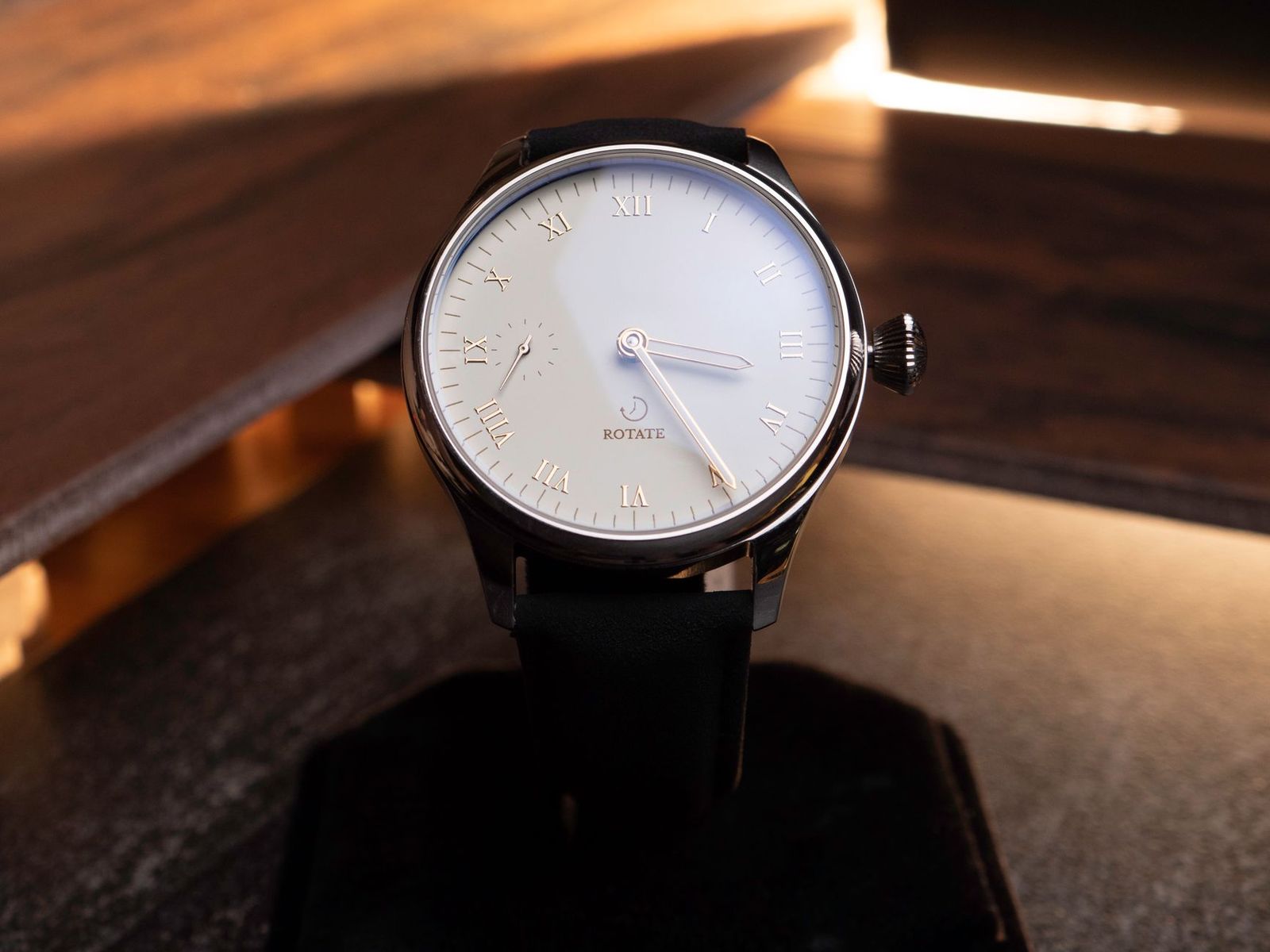
Best Brown Leather Strap Watches: The Buyer Checklist We Use for 2026
Disclosure: We may earn a commission when you buy through links on this page, at no extra cost to you. As an Amazon Associate I earn from qualifying purchases. Learn more

Learn how to choose the best brown leather strap watches with clear checks for movement, case size, crystal, strap quality and daily comfort.
A brown leather strap can make a simple watch feel warm, classic, and easy to wear with almost anything in your closet. The hard part is judging quality from a product photo, because leather grade, stitching, and movement details are rarely obvious at a glance. This guide turns best brown leather strap watches into a simple checklist you can score in minutes.
Use the checklist below before you study the comparison table below, and you will spot weak straps and vague specs quickly. Each section gives you a clear good sign, a clear warning sign, and a number to look for where numbers matter.
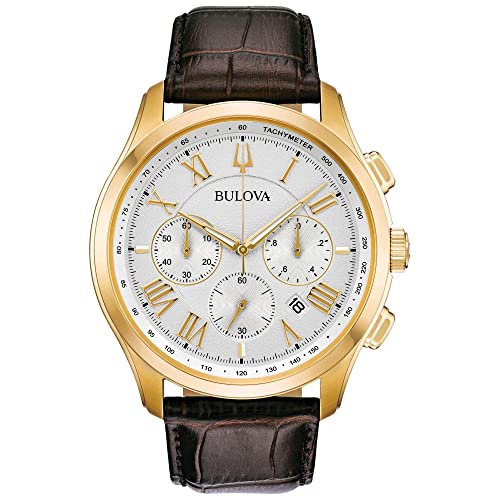
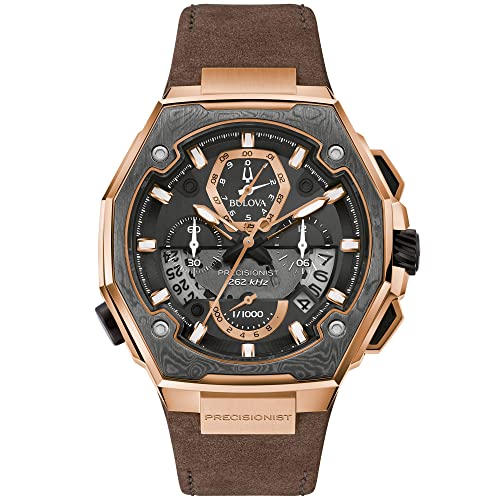


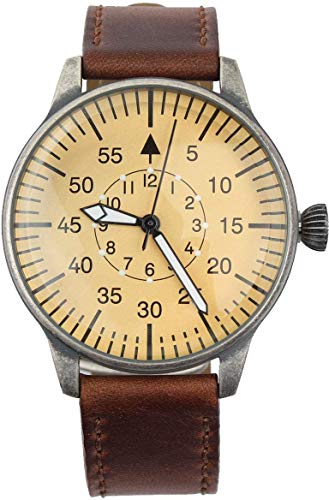


How We Evaluate Brown Leather Strap Watches
Score each watch on the six points in this section and you will separate a watch you wear daily from one that disappoints within a month. A strong total matters more than one flashy feature, because comfort, legibility, and strap quality shape every single day of ownership.
Movement Type (Quartz, Automatic, Solar, Smart)
Quartz movements are accurate, light, and low cost, and they ask only for a battery change every two to three years. Automatic movements wind from wrist motion and feel special to many buyers, but they need regular wear and a service every five to seven years. Solar models charge from light and suit low effort ownership. Smart models add notifications and tracking, yet they need charging far more often and their software support ends long before a classic case wears out.
Case Size and Wrist Fit
Most wrists look balanced with a case diameter of 38 to 42 mm, while larger wrists can carry 43 or 44 mm without strain. Lug to lug length matters just as much, because lugs that hang past your wrist edge make any watch feel clumsy. Case thickness also shapes comfort under a shirt cuff, so slim profiles around 10 to 12 mm slide under fabric with ease. If you shop mainly for men, see our guide to the best men's leather strap watches for more sizing notes.
Smart and Fitness Features
A classic watch tells time and little else, and that simplicity is a strength for many buyers. Smart models add GPS, heart rate data, sleep logs, and phone alerts, which help training and busy workdays. Treat those health numbers as general guidance only, never as a medical reading, and see a doctor if a reading worries you. Battery life is the trade off, since a smart model may need charging every few days while a quartz watch runs for years.
Legibility and Style
You should read the time at a quick glance in bright sun and in dim rooms. Lume on hands and markers glows after light exposure and helps at night, while plain polished hands can vanish against a glossy dial. Contrast matters too, so pale hands on a pale dial are a poor match. Brown leather pairs naturally with cream, black, blue, and green dials, and our guide to the best brown leather watches covers dial colors in more depth.
Strap and Bracelet Options
Full grain leather ages with a rich patina and resists cracking far longer than thin coated leather with a plastic feel. Look for even stitching, sealed or well finished edges, and padding that feels firm rather than spongy. Quick release spring bars let you swap straps in seconds without tools, which helps when you rotate a watch between office and weekend wear. Keep a metal bracelet or a silicone strap for wet days, because repeated soaking shortens leather life. If strap material matters most, start with our guide to the best leather strap watches.
Crystal and Case Materials
Sapphire crystal resists scratches from keys, desks, and door frames, and it stays clear for years of daily wear. Mineral glass costs less and handles knocks well, but it can pick up marks that never polish out. Stainless steel in the common 316L grade resists rust and suits sensitive skin for most people. Titanium feels lighter on the wrist, while coated cases can show wear at edges over time, so plain steel is the safer long term finish.
Three Price Tiers That Pass Our Checklist
Price tiers help you judge value without chasing names. Use the product table above to place each watch in a tier, then check that its specs match what that tier should deliver in movement, crystal, and strap quality.
The Balanced Tier
Around $150 to $350, expect a reliable quartz or entry automatic movement, a sapphire or quality mineral crystal, and genuine leather with tidy stitching. This tier suits most buyers because it balances daily comfort, clean looks, and sane upkeep costs. Water resistance of 50 meters handles rain and hand washing with ease. Skip any watch in this range that hides its movement type or leather grade, because honest brands state both clearly at this price.
The Value Tier
Under about $150, quartz movements dominate and that is fine, since accuracy stays excellent and service costs stay near zero. Expect mineral glass, thinner leather, and simpler case finishing, yet fit and legibility can still be strong. This tier suits a first leather strap watch or a second watch for casual days. Check strap width and lug shape before ordering, because odd sizes make later strap swaps costly and limit your color choices.
The Premium Tier
Above about $350, you should gain a sapphire crystal, a proven automatic movement, and full grain leather with careful edge work. Cases feel more refined, lume lasts longer, and warranty support usually improves. This tier pays off if you plan to wear one watch for many years and value service networks in the United States. Shoppers comparing finished color options can also see our guide to the best men's brown leather watches.
Quick Buyer Checklist
Answer each question before you order, and pause if you hit two or more no answers.
- Does the listing state the exact movement type and maker?
- Is the case diameter right for your wrist size?
- Does the lug to lug length fit within your wrist?
- Is the crystal sapphire, or is mineral glass priced fairly?
- Does the strap use genuine leather with even stitching?
- Can you swap the strap with quick release bars?
- Does water resistance match your daily routine?
- Is the warranty at least two years long?
Red Flags to Watch For
Vague listings are the biggest warning in this market, because honest specs cost a seller nothing to publish. Walk away when a listing hides movement details, calls coated split leather premium without naming the grade, or shows only glamour photos with no side view of case thickness.
- Leather described only as genuine without a grade or source
- No stated water resistance rating in meters or ATM
- Reviews that praise looks but never mention comfort or wear
- A warranty under one year on a mid priced watch
Care and Maintenance Tips
Leather and movements both reward small habits. Wipe the strap with a dry cloth after warm days, let it air overnight, and keep it away from showers and pools so the fibers stay strong. Rest the watch on a second strap during humid weeks if you can. Service an automatic watch every five to seven years, rinse any watch rated for swimming after saltwater exposure, and store it away from magnets such as bag clasps and speakers, which can affect accuracy.
Frequently Asked Questions
Is a smartwatch worth it over a classic watch?
A smartwatch is worth it only if you will use its alerts and tracking every week. Many buyers enjoy the data for a month, then ignore it while still charging the watch every few days. A classic watch also keeps its style for decades, while smart software support ends after a few years. Choose smart for function, classic for calm and longevity.
How water resistant should a watch be?
Choose at least 50 meters of water resistance for daily wear with a leather strap. That rating covers rain, splashes, and hand washing, but you should still remove the watch before swimming to protect the leather. A rating of 30 meters means splash care only. Screw down crowns and sealed case backs raise protection further on sport leaning models.
What case size fits my wrist?
Most wrists between 6 and 7.5 inches suit cases of 38 to 42 mm best. Measure around your wrist just behind the wrist bone, then match lug to lug length to the flat top of your wrist. If the lugs overhang, size down even when the diameter looks fine on paper. Trying a printed case outline at home gives a surprisingly honest preview before you spend money.
How long does a watch battery last?
Most quartz watch batteries last two to three years, and solar models can run far longer. A battery that fades early can signal a movement that needs service rather than a simple swap. Ask a watchmaker to check seals during each battery change so water resistance stays honest. Low battery warnings, such as a second hand jumping in steps, tell you to act soon.
Quartz or automatic: which is better?
Quartz is better for accuracy and low upkeep, while automatic suits buyers who love mechanical craft. An automatic can gain or lose several seconds a day and still be healthy, while quartz stays within seconds per month. Ownership cost differs too, since automatic service every five to seven years costs real money. Pick by habit, not by status.
Final Thoughts
Focus first on movement honesty, case fit, and strap grade, because those three points decide daily satisfaction more than any styling detail. Match the tier to how often you will wear the watch, then compare finalists in the comparison table above. Chosen with care, the best brown leather strap watches pair with suits, denim, and everything between, and the right one will serve you for years.