Best Brown Leather Sandals: A Buying Guide for 2026
Disclosure: We may earn a commission when you buy through links on this page, at no extra cost to you. As an Amazon Associate I earn from qualifying purchases. Learn more

Best brown leather sandals: how fit, leather quality, arch support and traction differ by price tier, and how to make a pair last.
A good pair of brown leather sandals works with nearly everything you own, from shorts to linen trousers, and the leather only looks better with wear. The trouble is that sandals vary enormously in support, strap quality, and sole construction while looking similar in photos. This guide to the best brown leather sandals explains how to judge fit, leather, and support before you spend.
The comparison table below brings current styles together in one place. Decide first whether you need an all day walking sandal or a smarter dress style, because that single choice changes which features deserve your money.




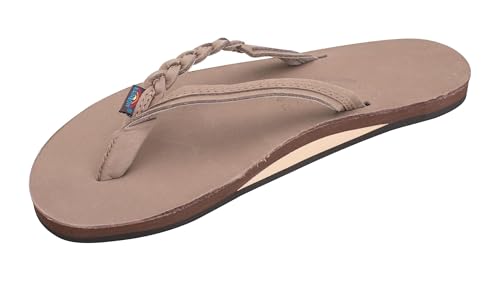


Price Tiers at a Glance
What Around $40 to $80 Usually Delivers
The entry tier covers casual slides and simple two strap styles in corrected grain or thinner leather. Footbeds are usually flat foam or thin cork with modest shaping, fine for short errands and beachside wear but tiring on long days. Stitching may be glued rather than sewn at stress points, so expect one or two seasons of regular use. This tier makes sense if sandals are an occasional shoe for you. Spend your limited budget on a contoured footbed rather than decorative hardware, because comfort is what you will notice every single wear.
What Around $80 to $140 Usually Delivers
The middle tier is where full grain leather, real arch support, and replaceable quality straps become common, and it suits most buyers best. Footbeds use molded cork, EVA, or leather covered cushioning that holds its shape, and outsoles gain real rubber with tread you can walk on all day. Hardware improves to metal buckles that hold adjustment instead of slipping. A pair in this range, worn in rotation and conditioned a few times a year, commonly lasts three to five summers. If you walk a lot in warm months, this is the tier that repays you daily.
What Around $140 to $220 Usually Delivers
The premium tier buys craftsmanship: thicker vegetable tanned leather, hand finished edges, anatomical footbeds, and construction you can resole or repair. The leather starts stiffer and molds closely to your foot over the first weeks, ending up more personal than any foam footbed. You also pay for cleaner styling that reads as a dress shoe with trousers. This tier is worth it if sandals are your main summer footwear and you keep shoes for years. It is poor value if your size is still changing or you replace styles with fashion each season.
How to Choose the Right Brown Leather Sandals: Buying Guide
Fit, Sizing, and Toe Box
Measure your feet in the afternoon, when they are at their largest, and compare against the brand size chart rather than your usual shoe size, because sandal sizing runs less standardized than sneakers. Your heel should sit inside the footbed cup with a small margin, never hanging off the back edge. Toes need room to spread, so look for a wide enough toe box, especially in closed toe fisherman styles. If you are between sizes, most open sandals fit better sized up, since straps can snug a slightly long footbed but nothing fixes toes spilling over the front.
Break In Period and Comfort Out of the Box
Real leather needs a break in period. Straps soften and the footbed takes your imprint over roughly one to two weeks of short wears. Start with an hour around the house, then build up, and put adhesive moleskin on any spot that rubs before it becomes a blister. Foam comfort sandals feel perfect immediately but pack down within a season. Judge a leather pair at day ten, not minute ten. If a strap still cuts in after two weeks of gradual wear, the shape is wrong for your foot and more time will not fix it.
Outsole Traction and Terrain
Look at the outsole material and tread, not just the leather above it. Solid rubber with a patterned lug grips wet pavement and pool decks far better than smooth leather soles, which can be genuinely slippery when wet. City walking sandals do fine with moderate tread and a slight heel for shock absorption. If your summers include trails or riverbanks, choose a lugged rubber outsole and straps that lock the heel. Dress styles hide thinner soles, so accept them as dry weather, hard surface shoes and keep a grippier pair for travel days.
Upper Materials and Breathability
Full grain leather is the strongest and most breathable natural option, because the intact surface lets moisture escape while resisting scuffs. Corrected grain and split leather cost less but use surface coatings that breathe poorly and crack sooner. Lining matters too: a smooth leather lining wicks sweat and prevents the sticky feel of synthetic linings in heat. Brown shades from tan to dark chocolate show water spots differently, with mid browns hiding marks best. If you want to compare leather quality across all colors and styles, our guide to the best leather sandals covers grading terms in depth.
Arch Support and Foot Type
Flat sandals force your feet to do all the work, and after a few hours that shows up as tired arches and aching heels. A contoured footbed with a defined arch and a heel cup spreads load and suits most foot types. Flat feet usually need firmer support that resists rolling inward, while high arches need cushioning under the arch gap so pressure is shared. If you have ongoing foot pain, diabetes related foot concerns, or a diagnosed condition, treat sandal shopping as a health decision and talk with your clinician or a podiatrist about the support level you need.
Water Resistance and Leather Care Reality
Leather sandals are not waterproof footwear, whatever the listing implies. Brief splashes and light rain are fine, but soaking swells the fibers, darkens the color unevenly, and can loosen glued soles. Water resistant treatments slow absorption and are worth having for travel. If you will wade or boat regularly, keep leather for dry land and use a synthetic water sandal for the wet work. Color specialists can start from our guide to the best brown sandals for non leather options in the same shade family.
Types of Brown Leather Sandals
Slide and Slip On Sandals
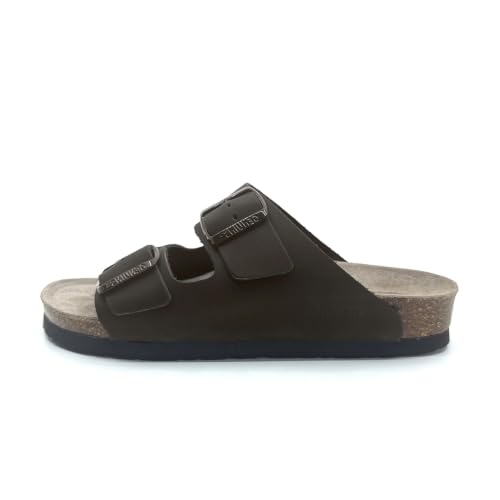
Slides are the fastest on and off, with one or two wide straps and no heel retention. They suit home, garden, and short trips where convenience beats security. The downside is your toes grip to keep them on, which tires feet over distance. Choose slides with a contoured footbed and textured strap lining so they stay put without that constant gripping.
Fisherman and Closed Toe Sandals
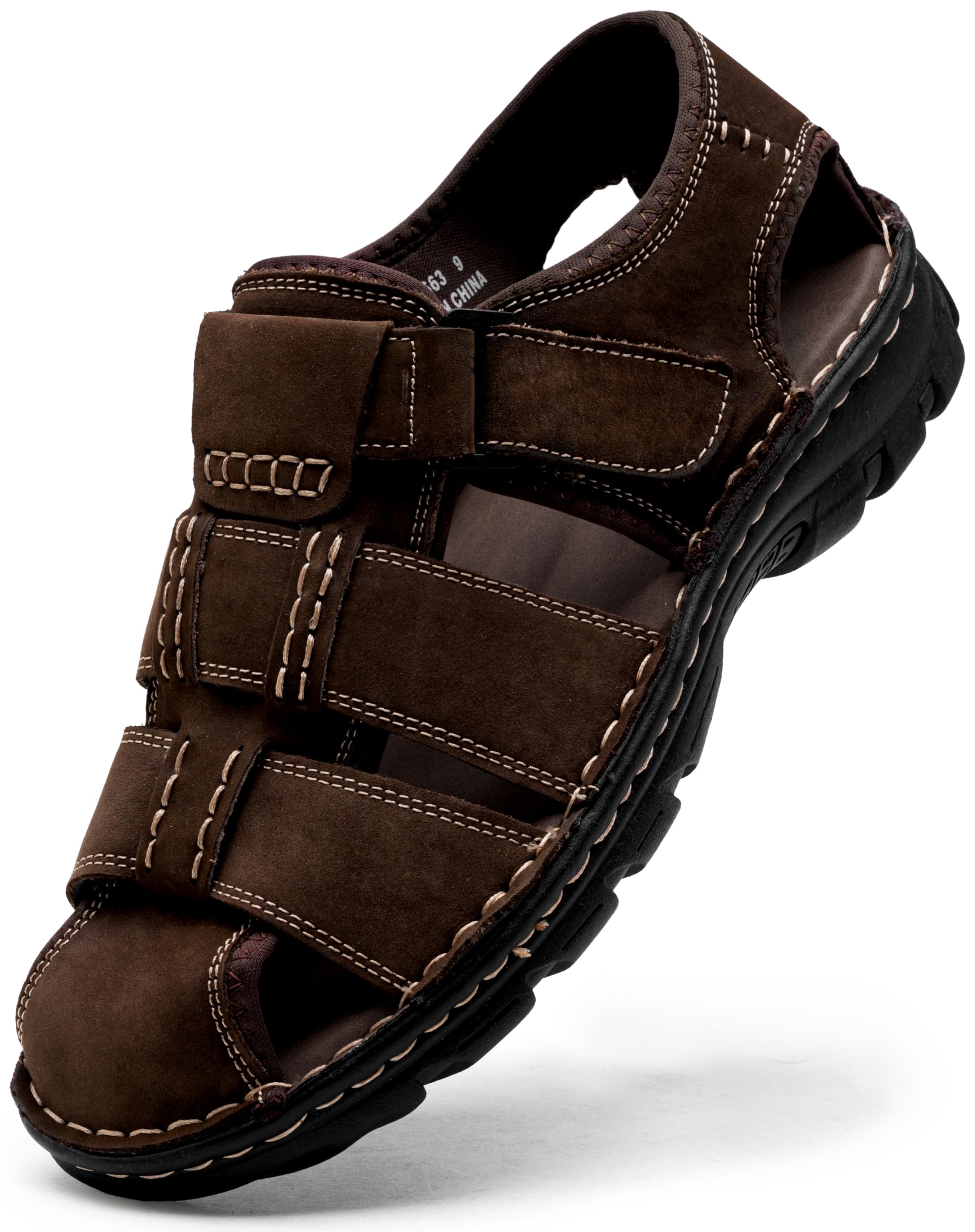
Fisherman styles weave straps over a closed toe, protecting your feet in crowds, on bikes, and around rocky ground while still venting heat. They dress up better than most sandals and pair well with trousers. The trade off is a longer break in, since more leather touches your foot, and a fit that depends heavily on toe box width. Wider feet should look for soft woven straps that flex over the toes.
Walking and Travel Sandals
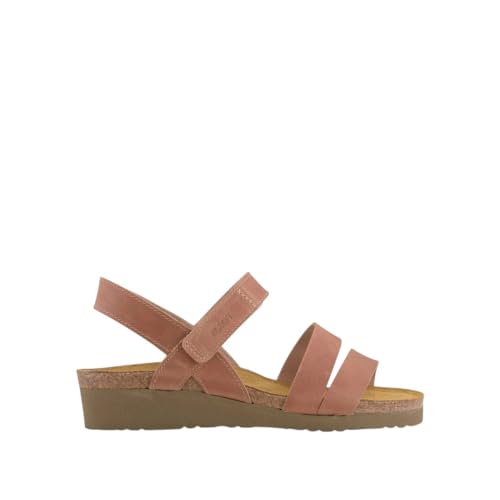
Walking sandals add a heel strap, cushioned midsole, and grippy rubber outsole to the leather formula. They are the right call for sightseeing days and light hikes where sneakers feel too hot. Many designs aimed at men and women share the same platform logic, so compare features rather than the department label; our guides to the best leather sandals for men and the best leather sandals for women break down fit differences. Weight is the compromise here, as support adds ounces you feel by evening.
Cushioned and Recovery Style Sandals
Recovery style sandals use thick, soft footbeds to pamper feet after sport or long shifts on hard floors. In leather, this usually means a plush lined strap over a deeply cushioned base. They feel wonderful for short periods but the soft foam compresses with daily mileage, so treat them as a second pair for evenings rather than your main walking sandal. Dedicated walkers should compare them against the best leather walking sandals before deciding.
How to Make Your Brown Leather Sandal Last Longer
- Condition the leather two to three times per season. A light conditioner replaces oils lost to sun and sweat, preventing cracks along strap bends.
- Air dry wet sandals away from direct heat. Stuff them with paper and let them dry at room temperature; radiators and hair dryers shrink and stiffen leather.
- Rotate two pairs for daily wear. A rest day lets the footbed recover its shape and fully dry out, which also controls odor.
- Clean salt and grit off after beach days. A soft brush and a barely damp cloth stop abrasive grains from cutting strap stitching.
- Resole before the outsole wears through. A cobbler can replace a worn rubber layer cheaply while the leather upper is still strong.
Frequently Asked Questions
Can I wear brown leather sandals all day?
Yes, if the pair has a contoured footbed, real arch support, and a heel strap that keeps your foot from sliding. Fashion slides and flat leather soles are half day shoes at best. Build up wear time during the break in period, and if your job keeps you on concrete for eight hours, rotate sandals with a cushioned closed shoe across the week to vary the load on your feet.
How often should I replace my brown leather sandals?
Replace them when the footbed stays compressed, the outsole tread is smooth in the heel strike zone, or straps crack at the bend points and no longer hold adjustment. With care, a mid tier leather pair lasts about three to five summers of regular wear. Premium resoleable pairs can go much longer, since the sole is the wear item and the upper keeps going.
How long is the break in period for leather sandals?
Expect about one to two weeks of gradually longer wears. Thin, soft leather settles in a few days, while thick vegetable tanned straps can take a full two weeks to stop feeling stiff. Wear them indoors first, and use moleskin on hot spots. Pain that sharpens rather than fades, or rubbing in exactly the same place after ten wears, signals a fit problem rather than a break in problem.
Are expensive brown leather sandals worth it?
They are worth it when the extra money buys thicker full grain leather, a shaped footbed, and construction a cobbler can repair. Those three things convert directly into years of extra wear and better comfort by the second summer. They are not worth it when the price pays only for a fashion label on entry level materials. Read the materials list, not the marketing, and the tiers above will tell you which case you are looking at.
Do I need waterproof brown leather sandals?
Almost nobody needs truly waterproof leather sandals, because sealed leather traps sweat and feels clammy in summer heat. What helps is a water resistant treatment plus a rubber outsole for grip on wet stone. If your plans involve wading, kayaking, or daily downpours, a synthetic water sandal will serve you better and your leather pair will live longer by staying dry.
Final Thoughts
Prioritize fit measured late in the day, a contoured footbed that matches your arch, and the best leather your budget tier allows. Use the product table above to compare strap layouts and sole types side by side. The right best brown leather sandals choice feels slightly firm at first, molds to your feet within two weeks, and is still the pair you reach for three summers from now.