Best Brown Dress Shoes 2026: A Practical Buying Guide
Disclosure: We may earn a commission when you buy through links on this page, at no extra cost to you. As an Amazon Associate I earn from qualifying purchases. Learn more

Learn how to choose brown dress shoes by leather, shade, fit, sole, and occasion so your pair works for offices, weddings, and evenings without discomfort.
Shopping for best brown dress shoes is easier when you start with shade and occasion, because brown covers everything from pale tan to deep chocolate. The comparison table below helps you sort those shades and styles, so you can match a pair to suits, chinos, and smart evening outfits with confidence.
Fit matters as much as color, since dress shoes are worn for long days at work, weddings, and dinners where there is little chance to change. Take time to learn your width, your arch needs, and the break in behavior of the leather, and you will end up with shoes that look better the more you wear them.



Choosing the Right Shade of Brown
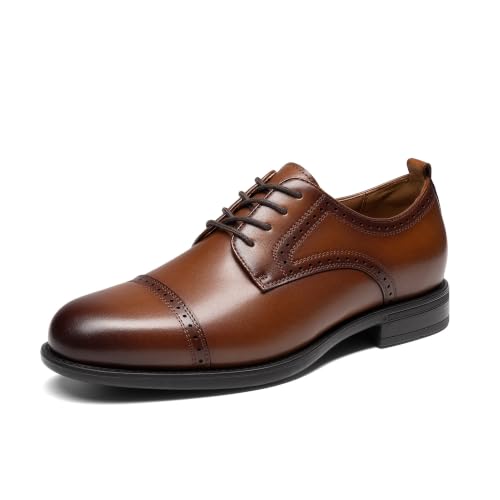
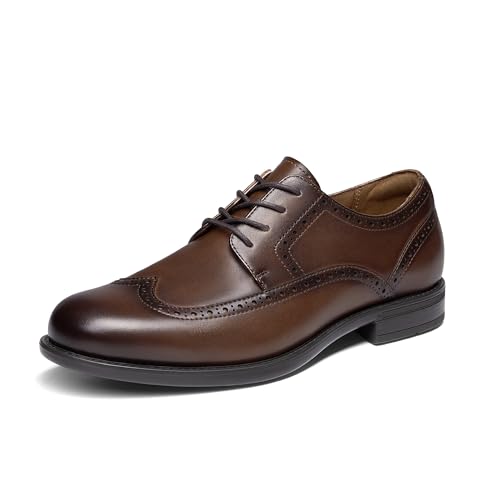
Light tan suits summer outfits, lighter suits, and casual smart looks, but it shows scuffs and stains more readily, so it needs regular care. Medium brown is the most versatile shade, pairing well with navy, gray, and charcoal, and it hides everyday wear better than pale tan. Dark chocolate reads almost like black in dim light, which makes it a safe choice for formal evenings and conservative offices.
When you compare shades, hold the shoes against the trousers and belt you will wear most often, because matching tones matters more than matching exact colors. A belt in a similar brown family ties the outfit together, while a black belt with brown shoes usually looks mismatched. If you own only one pair, medium brown gives you the widest range of outfits.
Leather Quality and Construction
Full grain leather ages gracefully, developing character with wear, while corrected grain looks uniform at first but shows creasing and wear sooner. Stitched construction, especially Goodyear welted or Blake stitched soles, allows resoling, which extends the life of a good pair far beyond glued soles. Check the stitching along the sole edge and the feel of the leather, since stiff, plasticky leather rarely softens into comfort.
Also look inside the shoe at the lining, insole, and heel counter, because those hidden parts decide comfort over a full day. Leather linings breathe better than synthetic linings, and a firm heel counter keeps the foot stable without rubbing. A well made shoe feels structured when new but not painful, and it should flex at the ball of the foot rather than bending in the middle.
Fit, Width, and Break In
Dress shoes should fit snugly at the heel and midfoot while leaving room for toes to move, and the widest part of your foot should align with the widest part of the shoe. Try shoes late in the day when feet are slightly larger, wear the socks you will use most, and walk on a hard floor for several minutes before deciding. If the heel slips badly or toes press hard at first try, a different size or width is usually better than hoping for break in.
Break in should soften leather and mould the insole, not fix a fundamentally wrong fit, so expect mild stiffness for a few wears but not blisters or numbness. Wear new shoes for short periods at home first, use shoe trees to hold shape, and alternate pairs when possible so leather dries between wears. If pain persists beyond a week of short wears, talk with a footwear fitter or your clinician, since persistent foot pain deserves attention.
Soles, Comfort, and All Day Wear
Leather soles look refined and suit offices and formal events, but they can be slippery on wet pavements and wear faster outdoors. Rubber soles grip better and last longer on varied surfaces, while combination soles offer a leather look with a rubber insert for traction. Choose based on where you walk most, not only on appearance, because a beautiful sole that slips on rain slick streets is a poor daily companion.
Comfort also depends on cushioning, arch support, and weight, so check whether the insole is removable if you use orthotics. A cushioned insole helps for standing days, while a slimmer insole suits a sleeker profile for evenings. If you stand for long periods, prioritize support and shock absorption over a narrow, fashion first last, and your feet will thank you by evening.
Styling Brown Dress Shoes for Different Occasions
For offices, pair medium or dark brown oxfords or derbies with navy or gray suits, and keep the shoes polished and the laces tidy for a professional finish. For weddings, a polished dark brown pair works with most suit colors, while tan suits lighter, daytime celebrations and linen or light wool. For smart evenings with chinos or dark jeans, a well kept brown derby or loafer bridges the gap between formal and relaxed without looking underdressed.
Care completes the style, since scuffed brown leather undermines even a good suit, so brush after wear, polish regularly, and store with shoe trees. Rotate pairs when you can, avoid wearing the same pair two days in a row, and protect light tan pairs from rain when possible. Consistent simple care keeps brown leather rich and extends the life of the shoes noticeably.
Mistakes to Avoid When Buying
A common mistake is buying a shade that matches nothing you own, so audit your wardrobe before you shop and choose the brown that pairs with your most worn trousers. Another mistake is prioritising a brand name over fit, since even a respected maker produces lasts that suit some feet and not others. Finally, do not skip trying both shoes, because feet differ in size and a pair that fits one foot may pinch the other.
Also avoid buying dress shoes only for one event without considering reuse, because a versatile medium brown pair serves far more occasions than a very light or very unusual style. Check return policies before wearing shoes outdoors, and test them indoors first so you can exchange sizes if needed. A patient purchase beats a rushed one that sits unworn in a cupboard.
Related Guides for Your Shortlist
For mens sizing and lasts, the guide to best men's brown dress shoes covers widths and office appropriate styles.
If you are still deciding between oxfords, derbies, and loafers, the guide to best dress shoes compares the main styles.
For a wider view beyond dress styles, the guide to best brown shoes includes casual and smart options in brown tones.
For mens dress shoe basics from fit to care, the guide to best dress shoes for men is a useful companion read.
A Final Check Before You Order
Before you commit, wear the shoes indoors on hard floors for an evening, paying attention to heel grip, toe room, and any pressure at the widest part of the foot. Indoor testing protects return options while revealing fit problems that a quick shop try cannot, especially for shoes that will face long office days. Note how the leather flexes and whether the insole moulds comfortably, since those early signs predict break in success or failure.
Also build a simple care routine from the first wear, including brushing after use, shoe trees overnight, and polishing on a regular schedule that matches wear frequency. Consistent care keeps brown leather rich, prevents cracking at flex points, and extends resoling intervals noticeably. A pair that receives basic attention will look better after a year than a neglected pair looked after a month.
Finally, plan rotation if your budget allows, since alternating two pairs lets leather dry and recover between wears, which improves comfort and longevity for both. Even a simpler second pair for casual days reduces strain on your best dress shoes and keeps them presentable for important occasions. Rotation is the single easiest way to make good shoes last longer.
Frequently Asked Questions
What shade of brown is most versatile?
Medium brown is the most versatile shade, because it pairs with navy, gray, charcoal, and many earth tones without looking too light or too dark. Dark chocolate suits formal evenings and conservative offices, while light tan suits summer and lighter outfits. If you buy one pair first, medium brown covers the widest range of occasions.
How should dress shoes fit when new?
Dress shoes should feel snug at the heel and midfoot with room for toes to wiggle, and the widest part of your foot should match the widest part of the shoe. Mild stiffness is normal for a few wears, but sharp pinching, numbness, or heel slip that does not improve suggests the wrong size or width. Try shoes late in the day with your usual socks for the most honest fit.
Are leather soles or rubber soles better?
Leather soles look refined and suit offices and formal events, but they grip less on wet ground and wear faster outdoors. Rubber soles grip better, last longer on varied surfaces, and suit daily commuting. Combination soles offer a good compromise, giving a leather appearance with a rubber insert for traction where it matters most.
How do I care for brown leather shoes?
Brush shoes after each wear to remove dust, polish with a matching brown cream or wax regularly, and store them with shoe trees to hold shape. Let shoes dry naturally away from direct heat after rain, and rotate pairs so leather rests between wears. Simple consistent care keeps color rich and prevents cracking far better than occasional heavy polishing.
Can brown dress shoes work for weddings and offices?
Yes, brown dress shoes work for both when shade and style match the setting, with dark brown for formal weddings and conservative offices and medium brown for most other workplaces. Keep shoes polished, match your belt tone, and choose oxfords or derbies for the most formal settings. Loafers suit less formal offices and evening events, provided they are well kept.
Final Thoughts
With shade, leather, fit, and sole decided, best brown dress shoes stop feeling like a gamble and start feeling like a wardrobe staple, and the product table above is a useful place to compare your shortlist. Choose the pair that fits your most worn outfits and your longest days, not only the pair that looks best in a photo.
If your feet hurt, swell, or develop sores that do not heal, talk with your clinician or a foot specialist rather than pushing through in new shoes. Good shoes should support a good day, and a careful fit check now saves many uncomfortable evenings later.