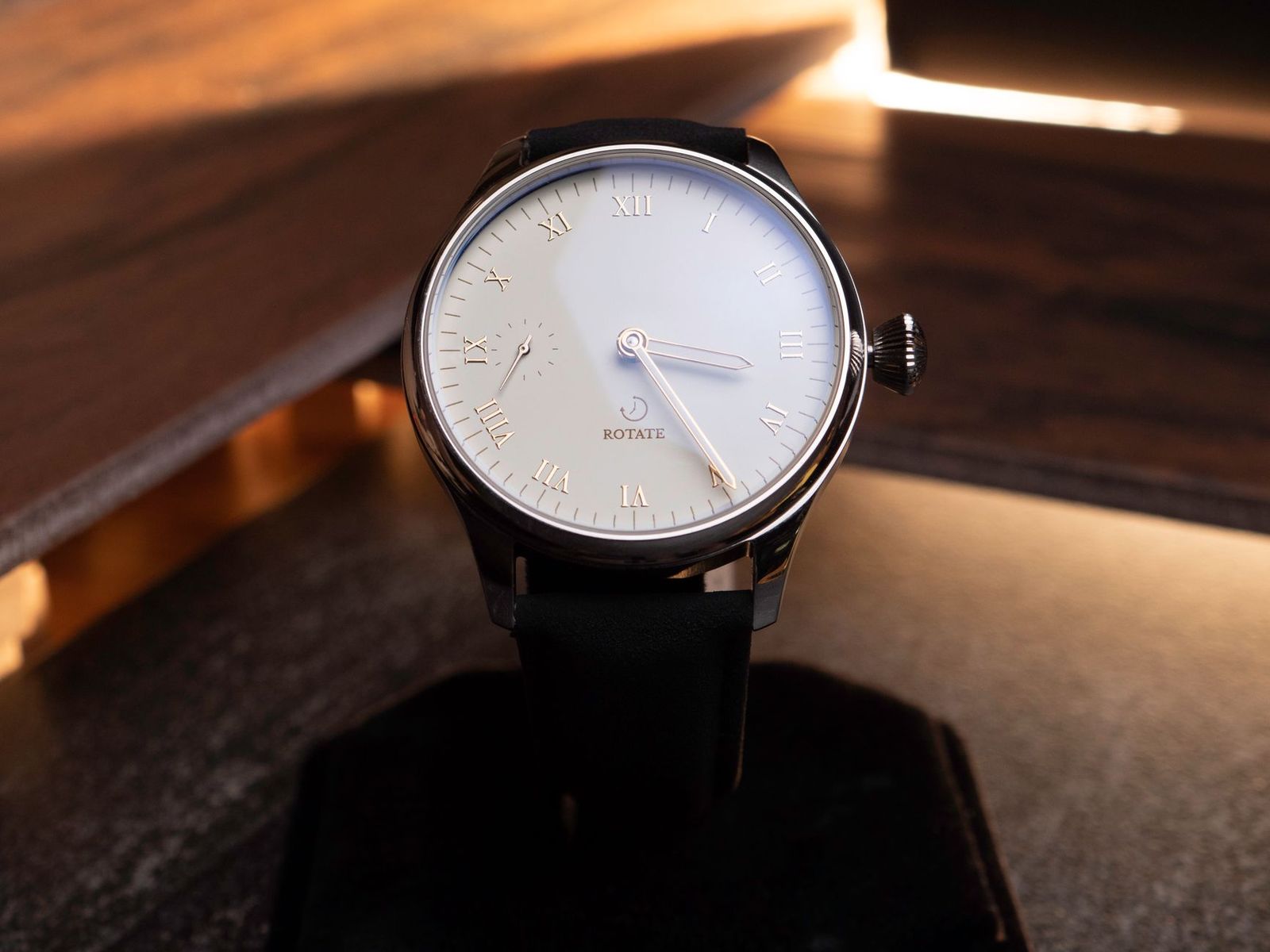
Best Brown Boots for Fall of 2026: Complete Buying Guide
Disclosure: We may earn a commission when you buy through links on this page, at no extra cost to you. As an Amazon Associate I earn from qualifying purchases. Learn more

Compare the best brown boots for fall by leather, fit, grip and warmth, with a clear checklist for rain, wet leaves and all day comfort this season.
Fall asks a lot from one pair of boots. Mornings turn cold, afternoons warm up, and rain can leave sidewalks slick with wet leaves. The best brown boots for fall handle that swing while pairing with jeans, trousers, dresses and layered knits. Use the comparison table below to check shaft height, heel height and materials side by side.
Brown is not a single shade, and fall is not a single temperature. A deep chocolate leather suits dressier outfits, while a lighter tan suede feels casual and shows scuffs sooner. This guide walks through fit, tread, lining and care so you can choose one pair that earns daily wear all season.


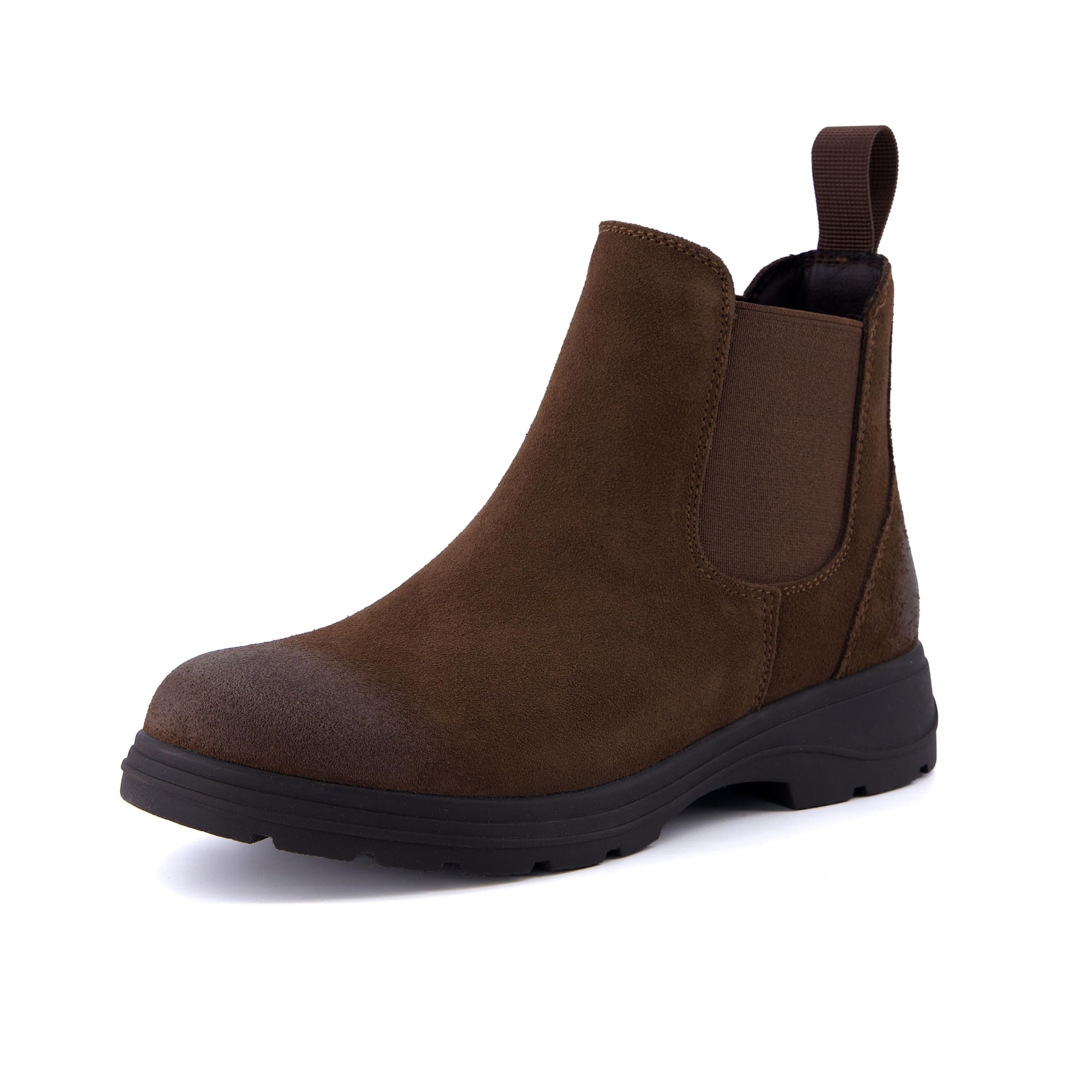

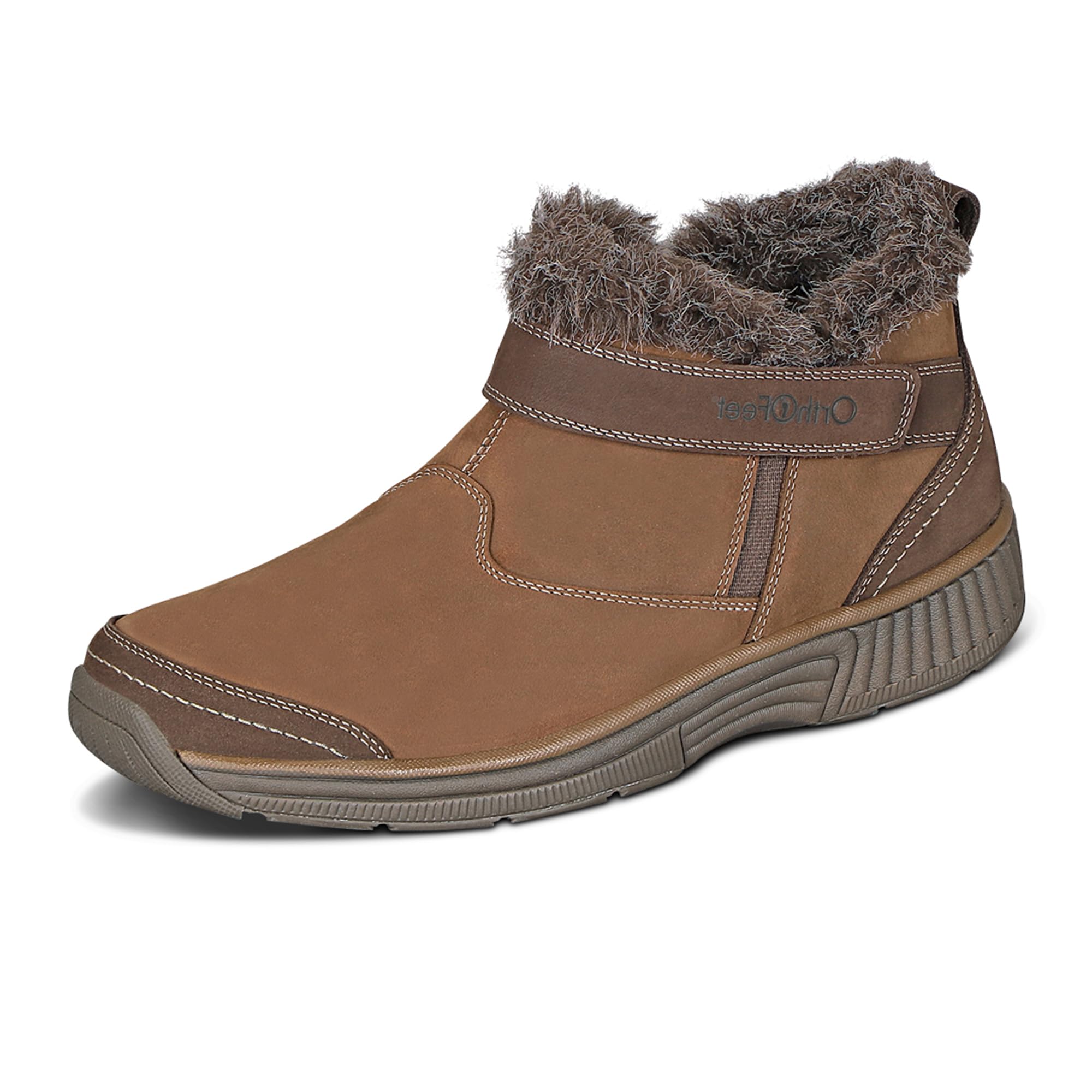
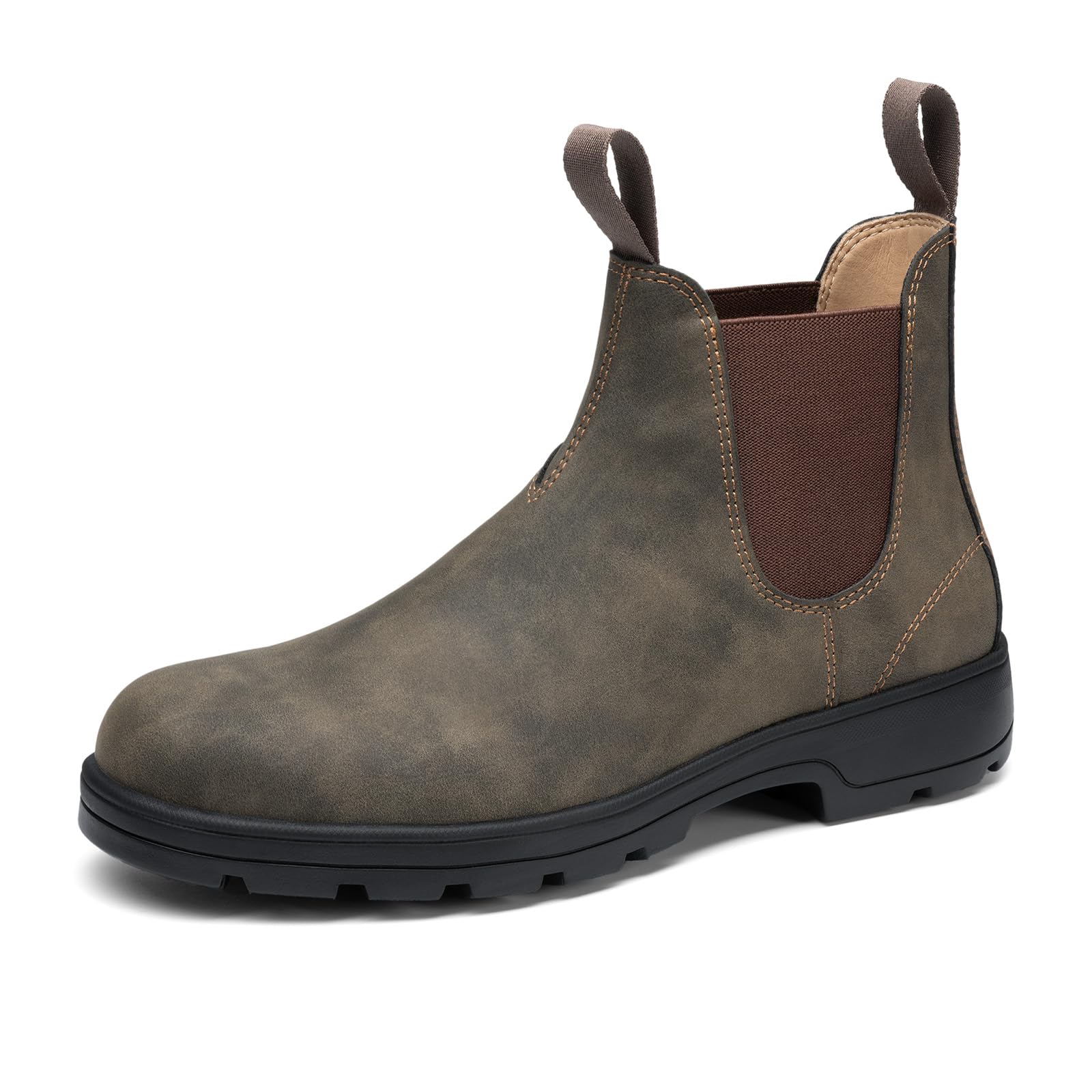

Who Should Buy Brown Boots for Fall?
Start with how you actually spend fall days. Your commute, your dress code and your usual walking distance matter more than a trend photo.
Daily Commuters Who Walk on Wet Pavement
You need grip first and polish second. Choose a rubber outsole with clear lugs, a heel that feels stable on station steps, and leather that sheds light rain. If your route mixes bus rides and pavement, see our guide to the best fall boots for broader seasonal options beyond brown.
Women Pairing Boots With Dresses and Layers
You likely want a shaft that works with tights, midi skirts and straight leg trousers without catching at the hem. An ankle or mid calf height in a warm cognac or chestnut tone bridges casual and dressed up outfits. For more heights and silhouettes, see our guide to the best fall boots for women.
Men Who Want One Pair for Office and Weekend
You need a boot that looks clean with chinos yet handles a park path on Saturday. A plain toe lace up or Chelsea shape in dark brown leather does both jobs, since the smooth upper dresses up and the flat sole stays practical. For cuts aimed specifically at men, see our guide to the best men's fall boots.
Key Features to Compare
Compare these factors in order. Shade gets your attention first, but fit, tread and lining decide whether you still love the pair in November.
Shade of Brown and How It Pairs With Fall Clothing
Dark chocolate and espresso tones read as formal and hide rain spots and scuffs well. Medium chestnut and cognac show grain and stitching more clearly and pair easily with navy, olive, burgundy and cream knits. Light tan looks relaxed but marks sooner and can clash with black tights or trousers. Hold the boot against three outfits you wear weekly, and pick a deeper shade if it only works with one. Shoppers who wear brown year round can also see our guide to the best brown boots for shades outside the fall palette.
Upper Material, Leather, Suede and Water Handling
Full grain and top grain leather resist scuffs, shed light rain and can be conditioned back to a rich tone. Suede and nubuck feel soft and look matte, but they spot in rain and need a protector spray before first wear. Synthetic uppers cost less, often around $50 to $90, yet they crease sooner and breathe less. For unsettled fall weather, smooth leather is the safer default. Choose suede only if you have a second pair for wet days.
Fit, Sizing, Toe Box and Shaft Fit
Try boots late in the day, when feet are at their largest, and wear the socks you plan to use in fall. Bring a mid weight pair to the fitting, since thicker socks can turn a snug fit painful. Your toes should wiggle without sliding forward, and your heel should lift only slightly as you walk. An ankle boot should clear your ankle bone, while a taller shaft should hug your calf without pinching when you sit.
Outsole Tread, Stability and Heel Height
Wet leaves on pavement are as slick as ice in places, so tread pattern matters more in fall than in dry summer months. Look for rubber outsoles with lugs about 3 to 5 mm deep and open channels that clear mud. A flat heel about 1 to 2 inches high gives stability for most walkers. Taller fashion heels narrow your base and tire your calves on long days. Press the heel counter and choose a firm feel, since firmness holds your foot steady and supports your arch on slopes.
Lining, Cushioning and Breathability for Changing Temperatures
Fall days swing, so heavy winter insulation often feels too hot by noon. A thin textile or leather lining suits most regions, while a light fleece lining helps if your mornings sit near freezing. Cushioning should feel dense under the heel and ball of the foot, not marshmallow soft, because very soft foam bottoms out on pavement. Breathable linings and leather uppers let moisture escape during warm spells. If you run cold, plan on wool blend socks rather than a heavily insulated boot.
Types of Brown Boots for Fall Compared
Shape changes both style and function. Use this section to narrow the silhouette before you worry about small details. Matching the type to your daily routine is the fastest way to spot the best brown boots for fall for your wardrobe, because a style that suits your commute and outfits gets worn instead of stored.
Chelsea boots use elastic side panels for quick pull on entry and a clean line under trousers. They suit commuters, but the ankle opening can let in rain and cold air. Chukka boots end at the ankle with two or three eyelets, feel light and casual, and pair well with jeans and cords. Their low cut offers less support on rough ground.
Lace up ankle boots give the most adjustable fit, because you can loosen the forefoot and tighten the ankle as socks change. Knee high and riding style boots add warmth over tights and leggings and protect calves from wind, but they need careful calf sizing and more storage space. They can feel warm indoors, so they fit colder regions best.
Common Mistakes to Avoid
Most returns come from a few repeat errors. Check this list before you order.
- Buying suede for a rainy commute leaves water spots and stiff patches after the first storm.
- Sizing with thin summer socks makes the same boots pinch once you switch to thicker fall socks.
- Choosing a smooth leather sole for wet leaves invites slips on pavement and station steps.
- Picking a tan shade that matches nothing in your closet leaves the boots unworn despite a good fit.
- Ignoring calf width on taller boots causes pinching when you sit and swelling by evening.
- Wearing brand new boots on a full travel day turns a normal break in period into blisters.
Care and Maintenance for Brown Boots
Brush dirt from leather and suede after each wear, and let wet boots air dry at room temperature away from direct heat. Stuff the toe with plain paper to hold shape, and rotate pairs so the lining dries fully. Radiator heat can crack leather and loosen glue at the sole.
Condition smooth leather every few weeks during heavy fall use, using a shade matched or neutral product, and buff once it soaks in. Spray suede with protector before first wear and again after cleaning. Check heels monthly for uneven wear, and visit a cobbler for heel cap replacement before wear reaches the main heel block.
FAQ
What features matter most in brown boots for a rainy fall?
Grip and water handling matter most in brown boots for a rainy fall. A lugged rubber outsole, smooth leather rather than suede, and sealed seams around the sole keep feet steadier and drier. As a practical check, look for product photos showing water beading on the upper. Beading suggests a finish that buys you time to get indoors.
How long does the break in period last for brown leather boots?
The break in period for brown leather boots usually lasts about three to five wears of a few hours each. Stiff leather softens at the ankle crease and around the ball of the foot first. If pain stays sharp in one spot after a week, the size or shape is wrong rather than simply new.
Can I wear brown boots all day during fall?
Yes, you can wear brown boots all day during fall if the heel stays modest and the insole supports your arch. Choose a block heel or flat sole, a toe box with room to spread, and cushioning that still feels firm by afternoon. Pack spare socks on long days, since swapping at midday reduces moisture and cools hot spots.
Do I need waterproof brown boots for fall weather?
You need waterproof brown boots for fall only if you regularly walk through steady rain or puddles on your commute. Conditioned leather handles occasional showers well. A waterproof membrane adds protection but can feel warmer on mild afternoons. Decide by your wettest normal week, not by the worst storm of the year, since an overly warm boot will sit unused on the many dry days between rains.
Are expensive brown boots worth it for fall wear?
Expensive brown boots can be worth it for fall wear when the extra cost buys full grain leather, a repairable sole and stronger stitching. Pairs around $150 to $250 often add those traits, while pairs under $100 lean on synthetic uppers and glued soles. Resoling extends life for years, so cost per season can beat a cheaper pair replaced each fall.
Our Verdict
Choose shade for your wardrobe, then insist on a roomy toe box, a lugged rubber outsole and a lining matched to your climate. That order prevents the common trap of falling for a color and living with sore feet. Review the product table above to confirm shaft height, heel height and upper material for your short list.
When you judge best brown boots for fall by fit and grip before fashion, one pair can carry you from September errands to late season dinners. Pick the type you will reach for on a wet Tuesday, and it will serve you all season.