Best Brooklinen Sheets (2026): Which Type Should You Buy?
Disclosure: We may earn a commission when you buy through links on this page, at no extra cost to you. As an Amazon Associate I earn from qualifying purchases. Learn more

Compare the best brooklinen sheets by weave, temperature feel and price, with clear sizing and care guidance.
Choosing within one brand sounds simple until you face three weaves that all promise better sleep and feel completely different in your hands. Percale, sateen, and linen change how warm you sleep, how the fabric drapes, and how much care the set needs. This guide to the best brooklinen sheets compares those types by comfort, materials, and temperature control so you can match one to your bed and your habits instead of guessing from photos.
A weave that feels perfect in a cool room can feel heavy on a warm night, and a size that fits a slim mattress can slip off a tall one. Use the comparison table below to see the main types side by side, then read on for sizing, materials, and budget help. For a wider view of the market, our guide to best sheets covers other fabrics and brands as well.


Brooklinen Sheet Types Compared
Brooklinen builds its core lineup around a small number of weaves, and each one suits a different sleeper. Thinking in types rather than model names keeps your decision clear, because the weave is what you feel every night. The right choice usually comes down to temperature and texture.
Crisp Percale Cotton
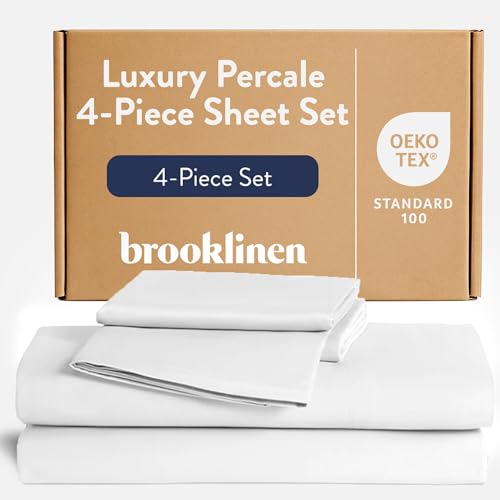
Percale uses a plain, tight weave that feels light, matte, and slightly crisp, much like a freshly ironed cotton shirt. It breathes well and tends to feel cool against the skin, so it suits warm rooms and people who dislike a clingy surface. Percale wrinkles more readily than sateen and softens gradually with washing. If you fold laundry right away or accept a relaxed look, that trade off is minor. Our detailed guide to percale vs sateen walks through the feel of each weave in daily use.
Smooth Sateen Cotton
Sateen weaves more threads over the surface, which gives the fabric a subtle sheen, a smoother glide, and a slightly heavier drape. Many sleepers find it feels a touch warmer and more polished than percale, and it resists visible wrinkling better. That makes it a good fit for cooler rooms, for beds that stay made and tidy, and for anyone who prefers a silky hand feel without moving to silk itself. The trade off is less airflow, so very warm sleepers may find it holds more heat.
Airy Linen
Linen comes from flax and has a looser weave with a textured, airy feel that many people love in summer. It allows strong airflow, absorbs moisture, and then releases it, so the surface feels dry even on humid nights. New linen can feel coarse, though it softens with each wash, and its naturally rumpled look is part of the style. If you run warm and want fabric that feels light rather than slick, start here and compare it with the options in our roundup of best sheets for hot sleepers.
How We Evaluate These Sheets
We judge the lineup on five factors. Comfort and drape come first, followed by materials and any independent safety certification the fabric carries. Temperature regulation matters because weave and fiber change how warm a set sleeps. Durability covers stitching and how the material holds up to repeated washing. Finally, we weigh the trial period and warranty, since sheets are hard to judge from a single night. Our views rest on maker specifications and patterns in verified buyer feedback.
How to Choose the Right Sheets
Size and Form Factor
Start with your exact mattress size, since twin, twin XL, full, queen, king, and California king all differ in width or length. Twin XL adds length for tall sleepers in dorm rooms, while California king trades some width for extra length compared with a standard king. Next, measure mattress depth from the bottom edge to the top surface, including any topper you plan to keep. Choose a pocket depth that clears that measurement with a little room to spare, because a fitted sheet that barely reaches will pop off at the corners during the night.
Type
Fiber and weave work together, so read both parts of the label. Cotton in a percale weave feels crisp and cool, while the same fiber in a sateen weave feels smooth and warmer. Linen brings airflow and texture, flannel brings brushed warmth for cold months, and lyocell made from eucalyptus or bamboo feels smooth and manages moisture well. Silk is the most delicate and costly option and needs gentle care. If cotton is your clear preference, the fabrics in our guide to best cotton sheets show how staple length and weave change the result.
Features Worth Paying For
The most useful extras solve small daily annoyances. Deeper pockets and strong elastic around the full edge keep a fitted sheet in place on tall mattresses. Corner tags that mark the short side end the guessing game when you make the bed. Envelope closures on pillowcases keep pillows from sliding out overnight. Extra pillowcases save a separate purchase if you sleep with two pillows. Prints add nothing to comfort, so pay for fit and closure details first.
Sleep Position and Body Type
Your sleep position changes how much surface friction you notice. Side sleepers press shoulders and hips into the bed and often prefer a smooth surface that lets them shift without dragging. Back sleepers usually do well with any weave, so temperature can lead the choice. Stomach sleepers tend to prefer a lighter, cooler surface near the face. Taller and heavier sleepers should watch pocket depth and dimensions, since a set can still feel short once a topper is in place.
Materials and Certifications
Long staple cotton fibers make a smoother, stronger yarn with fewer loose ends, which is why makers highlight them on premium cotton sets. Shorter fibers can feel rougher and pill sooner. Linen quality depends on flax grade and weave consistency rather than thread count. Look for OEKO TEX Standard 100 certification when you want assurance that the finished fabric was screened for harmful substances. Certifications speak to safety screening, not to softness, so treat them as one input alongside fiber and weave rather than as a quality score on their own.
Cooling and Breathability
Airflow comes from the fiber, the weave, and the weight of the finished fabric. Linen and percale let air move freely and feel cooler for most sleepers, while sateen traps a bit more warmth under its smoother surface. Moisture handling matters too, because fabric that holds sweat against your skin feels clammy even in a cool room. If you regularly wake up hot, compare this lineup with the options in our guide to best cooling sheets before you decide, and check whether your mattress protector is adding a heat holding layer of its own.
Trial Period and Warranty
A trial period has real value with sheets because the feel changes after the first few washes, and you cannot judge that in a store. Read the return terms before you buy so you know whether a set must be unused and how long you have to decide. Warranties usually cover defects in stitching or fabric rather than normal softening or pilling. Keep your order details and contact the seller early if a seam fails.
How Much Should You Spend?
Most sets in this brand lineup fall between about $100 and $300, with linen and larger king sizes at the upper end. Around $100 to $150 usually buys a core cotton set in a standard size. Moving toward about $200 often adds longer staple fibers, a wider color range, or an extra pillowcase. Near the top of the range you are mostly paying for linen or specialty fabrics rather than better basic function. Sales within the brand are common, so a patient buyer can often step up one tier without paying full list price.
The Brooklinen Sheets Lineup Explained
With the types clear, the lineup itself is easy to read. The percale option is the cool, crisp cotton set aimed at warm sleepers and anyone who likes a matte finish. The sateen option is the smooth, slightly lustrous cotton set aimed at people who want a polished bed and a warmer drape. The linen option is the textured, airy set aimed at summer use and humid climates. Seasonal and specialty fabrics appear at times, such as flannel for winter, but they follow the same logic of matching fiber and weave to the season.
Choosing between them is rarely about one being better in absolute terms. When shoppers ask which brooklinen sheets models compared side by side feel most different, the answer is percale and linen, because their textures sit at opposite ends of the range. Sateen falls between them in airflow while leading on smoothness. If two people share a bed and disagree, pick based on the warmer sleeper, since the cooler partner can add a blanket, while the warm partner cannot easily cool a heat holding sheet.
FAQ
Which Brooklinen sheets are best for most sleepers?
For most sleepers, the sateen cotton type is the safest starting point because its smooth surface and moderate weight suit a wide range of rooms and seasons. It also looks neat with little effort, which matters if the bed stays visible during the day. Percale is the better default only when you know you sleep warm. If you are buying a gift and know nothing about the recipient, sateen in a neutral color is the choice least likely to miss.
Is Brooklinen a good brand for sheets?
Brooklinen is a reasonable choice if you like the idea of a small, curated lineup instead of hundreds of near identical sets. The brand focuses on natural fibers, clear weave choices, and coordinated colors, and it sells matching duvet covers and pillowcases so you can build a set over time. The main caution is price, since you pay a premium over basic cotton sets at big box stores. Buyers who value fabric feel and simple matching usually find that premium easier to justify.
Which Brooklinen sheets should I buy for a guest room?
For a guest room, choose percale cotton in queen, since queen is the most common guest bed size and percale feels clean and neutral to most visitors. Keep a spare pillowcase pair on hand because guests often use two pillows. Wash the set once before the first stay to remove any packaging smell. A folded spare top sheet in the closet lets guests adjust warmth on their own.
How often should you wash Brooklinen sheets?
Wash your sheets about once a week, or sooner after illness, heavy sweating, or a spill. Rotating two sets extends the life of each one because the elastic and fibers rest between uses. Our full guide on how often to wash sheets explains how pets, allergies, and skin care products change that schedule. Whatever rhythm you pick, wash a new set before its first night so the fabric softens and any loose dye rinses away.
What thread count is best for cotton sheets?
For cotton, a thread count between about 270 and 500 usually gives a balance of softness, strength, and airflow. Numbers far above that range often rely on thinner yarns packed tightly together, which can make the fabric feel heavy without making it last longer. Weave matters as much as the number, since a percale set and a sateen set at the same count feel quite different. Treat thread count as a rough guide, then decide using fiber length and weave, which shape the feel more directly.
How do you fold a fitted sheet neatly?
Tuck one corner into the corner directly beside it on the same short side, then repeat with the other pair so the elastic forms a rough pocket shape. Lay the sheet flat, fold the elastic edges inward to make a rectangle, then fold that rectangle into thirds. Storing the folded fitted sheet inside its matching pillowcase keeps the whole set together in the closet. The corners will never look as sharp as a flat sheet, and that is fine, since a tidy bundle is the real goal.
Final Thoughts
Match the weave to how you sleep and the choice makes itself. Pick percale for a cool and crisp bed, sateen for a smooth one, and linen for maximum airflow. Measure your mattress, confirm the pocket depth, and check the trial terms before you order. The product table above pulls the main types together, and if the best brooklinen sheets for your bed turn out to be linen, give them a few washes before you judge the texture.