Best Bridge Cameras under 500 in 2026: Which Type Is Right for You?
Disclosure: We may earn a commission when you buy through links on this page, at no extra cost to you. As an Amazon Associate I earn from qualifying purchases. Learn more

Compare bridge cameras under 500 by zoom, sensor and controls, with guidance on types, video, battery life and which style fits your trips and subjects.
A bridge camera gives you a long zoom and manual controls in one body with a fixed lens, so you do not carry extra lenses. Finding the best bridge cameras under 500 feels confusing because models trade zoom reach against sensor size and video quality. This guide compares types first, so you can use the product table with a clear priority.
Start with your main subject. Distant birds reward reach, family trips reward image quality in shade and indoors, and school sports reward fast focus from far seats.





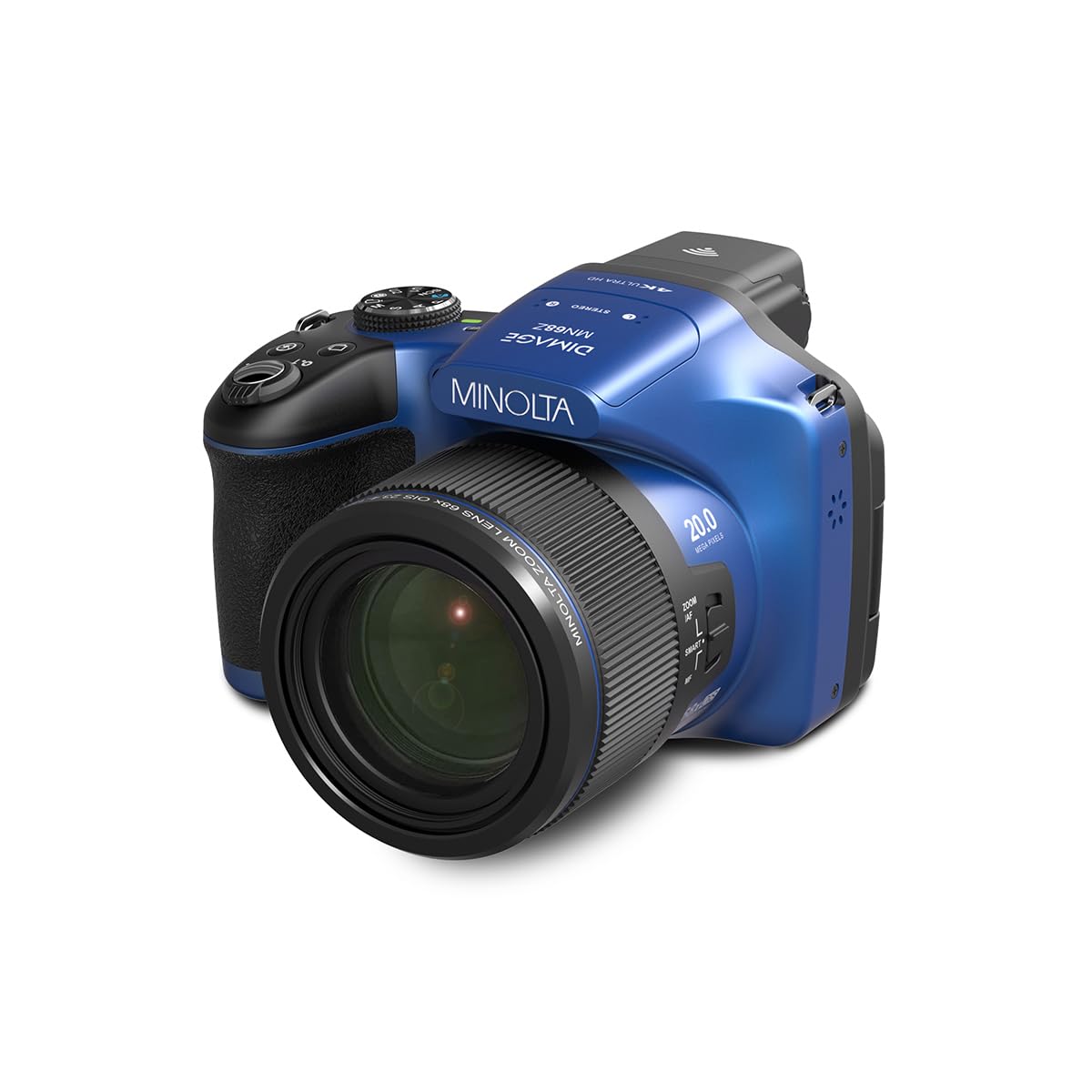
Who Should Buy Which Bridge Camera?
Pick by the subject you photograph most often. Reach, sensor size and body size pull in different directions, and no model under this budget leads on all three.
Wildlife and Bird Watchers on a Budget
You shoot from a path, a hide or the edge of a field, and your subject rarely comes close. Choose a superzoom type with the longest optical zoom you can handle steadily. A deep grip, a clear viewfinder and strong image stabilization matter more than the largest sensor, because a sharp distant shot beats a cleaner shot that is too small.
Travelers Who Want One Camera for Everything
You walk all day and switch between street scenes, landscapes and distant details without changing lenses. Choose a mid zoom type that balances reach with weight. A tilting screen helps for crowds and low angles. If size matters far more than reach, see our guide to the best compact cameras under 500 for smaller options.
Families Filming School Sports and Performances
You sit in bleachers or back rows and need faces and action to fill the frame. Choose a type with fast autofocus, a steady zoom for video and a tilting screen. Look for 4K video if you plan to crop clips later. Action cameras suit mounted wide views, while a bridge camera suits filming from where you sit.
Types of Bridge Cameras Compared
Bridge cameras split mainly by one trade. A small sensor allows a very long zoom in a light body, while a larger sensor gives cleaner images with a shorter zoom. If you are still weighing other formats in this budget, see our guide to the best cameras under 500 for the wider picture before you narrow to these types.
Superzoom Bridge Cameras With a Small Sensor
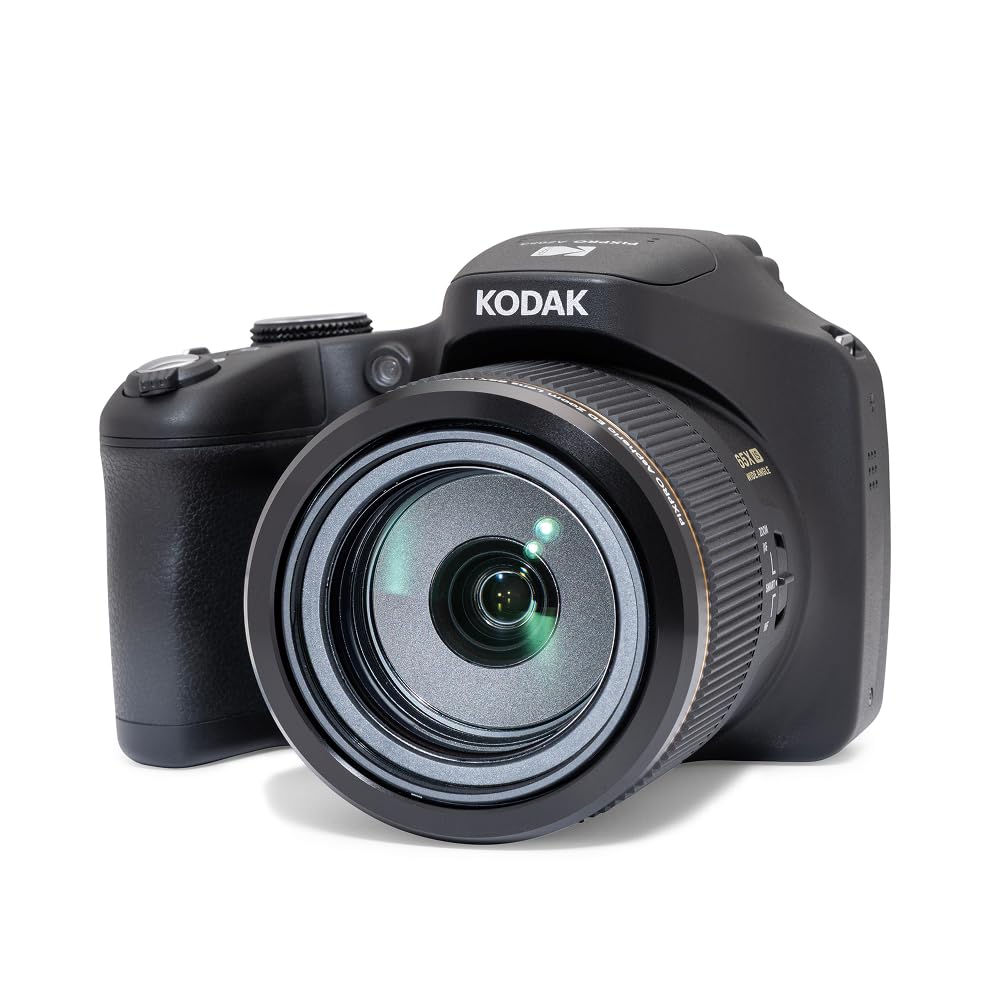
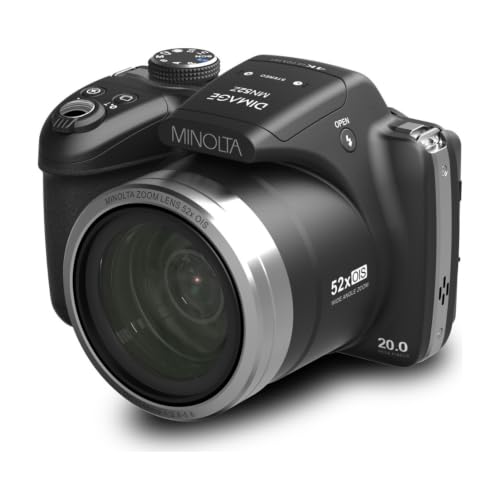
These models use a sensor around 1/2.3 inch and a zoom reaching about 40x to 60x magnification, often covering about 24 to 1200 mm or more in full frame terms. They suit birds, the moon and distant sports at about $300 to $500. The cost of that reach is softer detail in low light and more noise indoors, so they reward bright days and steady hands.
Large Sensor Bridge Cameras With a Shorter Zoom
These models use a 1 inch sensor and a zoom of about 8x to 25x, often covering about 24 to 200 mm up to about 24 to 600 mm. Detail, color and low light results are better, and backgrounds blur more easily for portraits. Under $500 they are less common new, so you may accept a shorter zoom or fewer video features to stay in budget.
Mid Zoom Bridge Cameras Built for Travel and Video
These models sit between the two groups above, with a small sensor, a zoom of about 30x to 40x and a body shaped for all day carry. They often add a tilting touch screen, WiFi for phone transfers and 4K video, at about $250 to $450. They suit travelers and families who want reach and video in one camera, and accept modest low light quality.
Key Features to Compare
When you compare best bridge cameras under 500, work through sensor, zoom, focus and controls in that order. A headline zoom number alone tells you little about the photos you will keep.
Sensor Size and Image Quality
Sensor size shapes detail and noise more than megapixel count does. A 1/2.3 inch sensor keeps the body and lens small, but fine feathers, hair and shadows can look grainy when light falls. A 1 inch sensor collects more light, so indoor and evening shots stay cleaner and cropping leaves more detail. Choose the small sensor for reach in daylight, and the larger sensor if most photos are indoors, at dusk or printed large.
Lens and Optical Zoom Range
Optical zoom moves the objective lens elements to magnify the scene, so detail stays real. Digital zoom only crops and enlarges pixels, so turn it off for still photos you care about. Check both ends: a wide end near 24 mm suits landscapes and groups, while a long end near 600 mm or beyond suits wildlife. A brighter lens, shown by a lower f number at full zoom, helps focus and shutter speed as light fades.
Autofocus and Image Stabilization
At long zoom, small movements look large, so image stabilization decides how many shots stay sharp. Optical stabilization in the lens is the norm here and helps most for still subjects. Autofocus speed and tracking matter for birds and sports: look for face detection, subject tracking and a burst mode you can hold while panning.
Viewfinder, Screen and Manual Controls
An electronic viewfinder lets you compose in bright sun where a rear screen washes out, and holding the camera to your eye also steadies it. A tilting screen helps for children, pets and video. Manual controls and RAW file support give you room to fix exposure later. If changing lenses matters more than one fixed zoom, see our guide to the best dslr cameras for under 500 before you decide.
Video, Battery Life and Weather Resistance
Many models under $500 record 4K video, while others stop at 1080p with smoother frame rates for sports. Battery life is often rated at about 250 to 350 shots per charge, and video drains a battery faster, so plan a spare for full days out. Most bridge cameras here are not weatherproof, so a rain cover and a dry bag are wise for field use.
Common Mistakes to Avoid
These errors cost image quality or money, and none of them shows up in a headline spec.
- Buying the longest zoom for indoor use leaves you with noisy photos, because a small sensor and a dim lens struggle away from daylight.
- Trusting digital zoom numbers inflates your reach on paper while cropping away the detail you wanted.
- Shooting at full zoom without support blurs distant subjects, because hand movement grows with magnification.
- Ignoring battery ratings strands you mid day, because long zoom focusing and video use power quickly.
- Assuming a bridge camera is weatherproof invites water damage, because most seals in this price range are minimal.
- Paying for 4K video you never edit wastes budget that would serve you better in a larger sensor or a spare battery.
Setup and Care Tips for Bridge Cameras
On your first day, charge the battery fully, format the memory card in the camera and set the clock, file quality and stabilization. Turn off digital zoom, choose single point or tracking focus for your main subject and take test shots at wide, middle and full zoom at home. That session shows how much hand movement your zoom can tolerate.
Clean the lens with a lens cloth, not your shirt, because grit in fabric can scratch the coating. Carry a spare battery and store the camera in a dry, padded bag away from heat. Wipe off dust and moisture before you put the camera away, and keep the lens cap on in transit.
Bridge Cameras: Your Questions Answered
Can you get a good bridge camera for under $500?
Yes, you can get a good bridge camera for under $500 if you pick one clear strength. Models in this range deliver long zoom, decent daylight quality and useful manual controls. What you give up is the cleanest low light quality, the fastest tracking and strong weather sealing. Spend first on the strength your subject needs, and accept average results elsewhere.
What does a 24 to 600 mm zoom mean on a bridge camera?
A 24 to 600 mm zoom means the lens covers wide scenes at 24 mm and distant subjects at 600 mm, a 25x magnification range. At 600 mm a bird across a pond can fill the frame, while at 24 mm a whole building fits. These numbers describe the view in full frame terms, so you can compare any two bridge cameras directly by them.
What specs matter most for first time bridge camera buyers?
For first time bridge camera buyers, a clear viewfinder, simple auto modes and a zoom you can hold steady matter most. Start in auto, learn how exposure compensation brightens or darkens a scene, and add manual modes one at a time. A lighter body you bring daily teaches you more, and takes more photos, than a heavier model left at home.
Is a smartphone enough instead of a bridge camera under $500?
A smartphone is enough for nearby subjects, quick sharing and video in good light. A bridge camera pulls ahead when the subject is distant, because its optical zoom keeps real detail that a phone crop loses. It also gives you a viewfinder, a grip and physical dials. If most of your missed shots are distant ones, the bridge camera adds the most value.
Which type of bridge camera is better for low light photos?
A large sensor bridge camera is better for low light photos, because its 1 inch sensor gathers more light at the same setting. You can help any type by bracing against a rail, zooming out a little and using the brightest part of the lens range. A small tripod in your bag helps for still scenes, such as buildings and city lights after dark.
The Bottom Line
Choose your type first, then check sensor, optical zoom, focus and battery life in that order. Superzoom models win on reach, large sensor models win on quality, and mid zoom models win on carry and video. Use the product table to confirm zoom, video format and weight.
Matched to one clear subject, the best bridge cameras under 500 give you reach and control that a phone cannot match, without a bag of lenses. Buy for the subject you shoot most, and the rest of the spec sheet falls into place.