
Best Breast Pumps for Low Supply: Buying Guide for 2026
Disclosure: We may earn a commission when you buy through links on this page, at no extra cost to you. As an Amazon Associate I earn from qualifying purchases. Learn more

Choose the best breast pumps for low supply by comfort, flange fit and steady routine, and know when to talk with a lactation professional.
Worrying about milk supply is one of the most common stresses of early parenthood, and it is easy to pin hopes on a pump. A pump cannot create milk on its own, but the right one can support a regular routine without adding pain. The best breast pumps for low supply are comfortable, adjustable and easy to use often. This guide explains what to look for and when a professional should be part of the plan.
This is general information, not medical advice. If you are worried about supply or your baby's feeding, talk with a lactation consultant, your baby's clinician or your own clinician.
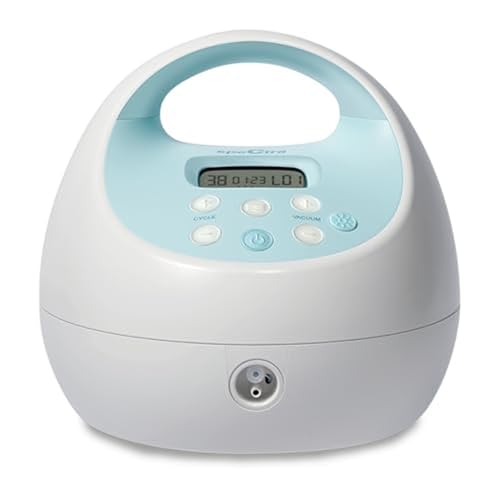
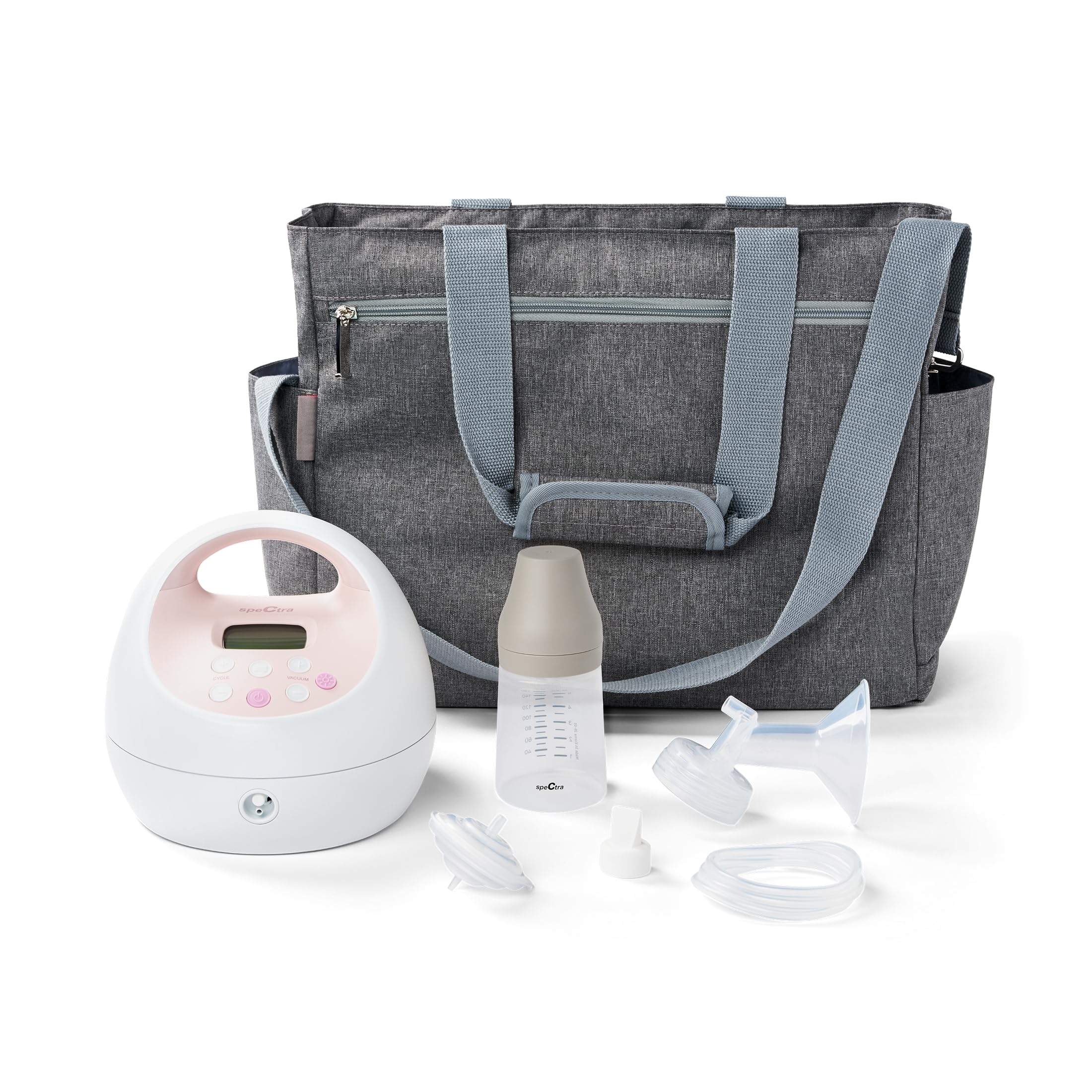


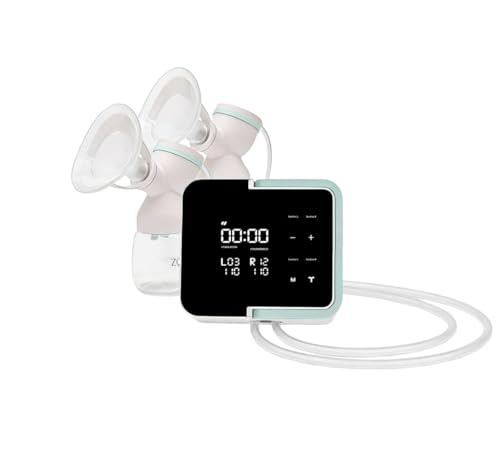


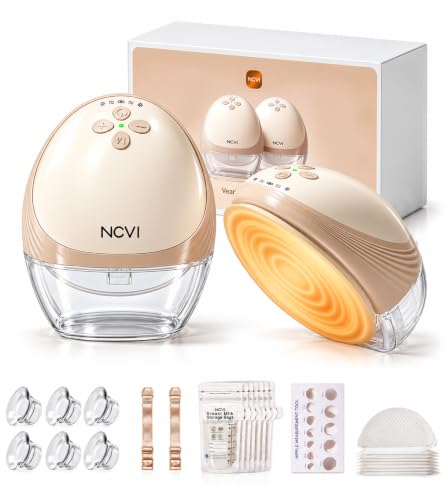
First, Check Whether Supply Is Really Low
Many parents feel their supply is low when their baby is feeding normally. Breasts can feel softer after the first weeks, and a baby who feeds often is not necessarily hungry. Weight gain, wet and dirty diapers and the baby's general alertness are better signs than how much you pump in one session. If you are unsure, a lactation professional can assess feeding and help you make a plan before you buy anything.
What a Pump Can and Cannot Do
Milk production responds to how often and how well the breasts are emptied. A pump can add sessions after feeds, replace a missed feed or help you keep going if your baby cannot feed directly. It cannot fix an underlying cause, and a more expensive pump does not guarantee more milk. What helps most is a correct flange fit, consistent sessions and rest.
Features That Matter Most
Gentle, Adjustable Suction
Pain and stress make pumping harder. Choose a pump with fine control over vacuum and speed, so you can find a rhythm that feels comfortable. Higher suction is not better if it hurts.
Flange Fit
The right flange size lets the breast move freely and empties more comfortably. Measure your nipples and try other sizes if you feel rubbing or see little output. Fit can change over time, and it can differ between sides.
Double Pumping
Pumping both sides at once saves time and can help you keep regular sessions. If you add extra sessions to your day, speed becomes important.
Quiet, Easy-Clean Design
A quiet pump is easier to use at night or at work, and a design with fewer parts is quicker to wash. Both help you keep a routine, which matters when sessions are frequent.
Types of Pumps Worth Knowing
Double Electric Pumps
These are the usual main pump for regular sessions, with strong suction, adjustable settings and good parts availability.
Hospital-Grade Pumps
Some pumps are built to hospital-grade standards and can be rented or bought. They offer strong, adjustable suction for intensive periods. Ask a clinician whether this suits your situation.
Wearable Pumps
Wearables offer freedom of movement but may empty less completely for some parents. Many keep one as a second pump and use a traditional double pump for fuller sessions.
Manual Pumps
A manual pump is a back-up for a short session or travel. It is tiring for frequent use.
Tracking Without Stress
Note times and amounts for a few days to spot a pattern, then step back if counting adds stress. Output varies across the day, and morning sessions are often larger. Comparing yourself with other parents rarely helps, because every body and baby is different.
When to Ask for Help
Talk with a lactation consultant or clinician if supply stays low despite regular sessions, if your baby is not gaining weight well or if feeding is painful. Medication, health conditions and feeding history can all affect supply. Seek prompt care for fever, spreading redness, a hard painful lump, cracked or bleeding nipples, or a baby with few wet diapers.
Building a Realistic Routine
A routine that you can keep is worth more than a perfect plan. Many parents who add pumping sessions place them after the first morning feed, when supply tends to be fullest, and again in the evening. Keep sessions short enough to be sustainable, and stop if they cause pain. Drink when you are thirsty, eat regularly and sleep when you can, since exhaustion and stress make everything harder.
It helps to prepare a pumping spot with water, a snack and something to watch or read. Pumping beside your baby, or looking at a photo or a short video of them, helps some parents relax. If you return to work, plan where you will pump and how you will store milk, so sessions are not skipped by accident.
Looking After Your Pump
A pump in poor condition can seem to reduce supply when the real problem is a worn part. Check suction each week by feeling how the pump pulls, replace valves and membranes on the maker's schedule and keep a spare set. Wash parts after each use and let them dry fully. If the pump seems weaker even with new parts, contact the maker, since a faulty motor is another common cause.
When you compare the best breast pumps for low supply, look at how many spare parts are included and how easy they are to reorder, since regular use means regular replacement.
Talking With Your Support Team
Bring notes to any appointment: feeding times, pumping times, amounts and any pain or changes you have noticed. A lactation consultant can watch a feed, check your baby's latch and help with flange sizing. Your clinician can look at health factors and medications that may play a part. Ask about the safest next steps, including whether renting a hospital-grade pump makes sense for a short period, and follow their advice rather than relying on general tips.
Many parents also find peer groups helpful. Hearing from others who have been through the same concerns can ease worry and give practical ideas, though it should never replace personal medical guidance.
Budget and Common Mistakes
Pumps range from about $60 to $300, plus rental fees for hospital-grade models. A solid double electric pump covers most needs. Common mistakes include buying on price alone, ignoring flange fit, using worn valves and chasing supplements without advice. Check parts often, since worn valves quietly cut suction.
Frequently Asked Questions
Can a pump increase my milk supply?
A pump can support supply by emptying regularly, but it cannot guarantee more milk. Fit, regular sessions, rest and professional advice all matter.
Should I pump after feeds as well?
Some parents add a short session after feeds for a limited period, but extra sessions should be manageable and pain-free. A professional can help you set a pattern.
What if one side produces much less?
Uneven output is common. Check flange fit on each side and keep sessions balanced. Seek advice if one side becomes painful, lumpy or red.
Do supplements help?
Be cautious with products that promise more milk, and talk with your clinician or pharmacist before trying one. Fit, regular emptying and worn parts are what you can check directly.
Final Thoughts
Choose the best breast pumps for low supply for comfort, adjustability and ease of use, and compare the options in the product table with your routine in mind. Pair the pump with professional support, rest and realistic expectations. If your worry continues, ask a lactation consultant or clinician for personal guidance.


