
Best Breast Pumps for Exclusively Pumping: Guide for 2026
Disclosure: We may earn a commission when you buy through links on this page, at no extra cost to you. As an Amazon Associate I earn from qualifying purchases. Learn more

How to choose the best breast pumps for exclusively pumping: durable motors, double pumping, spare parts and a routine you can keep up.
When a pump provides all of your baby's milk, it is not a back-up tool but your main way to feed. That raises the bar. The best breast pumps for exclusively pumping have a motor built for many sessions a day, strong and adjustable suction, parts you can wash quickly and spares you can order easily. This guide explains what to look for and how to set up a routine you can keep going.
This is general information, not medical advice. Talk with a lactation consultant or your clinician about your own plan, especially if you have pain or concerns about supply.

What Exclusive Pumping Demands From a Pump
Many parents who pump exclusively aim for about eight sessions in 24 hours in the early weeks, then fewer as the baby grows, though the right pattern depends on you and your baby. At that rate a pump may run for several hours a day for months. A light travel pump can wear out. Look for a pump designed for daily use, with a motor that maintains its suction over many weeks and a closed system that keeps milk away from the tubing.
Types of Pumps for a Full-Time Routine
Hospital-Grade and Rental Pumps
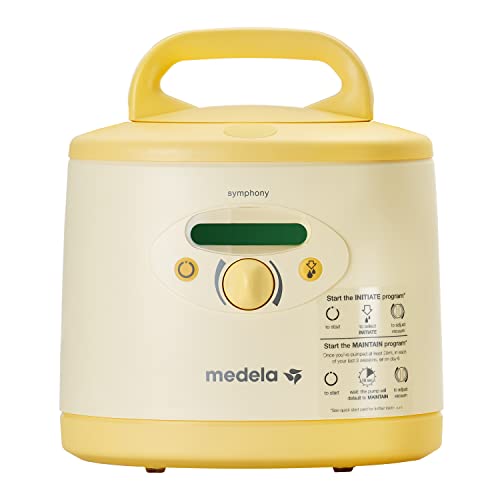
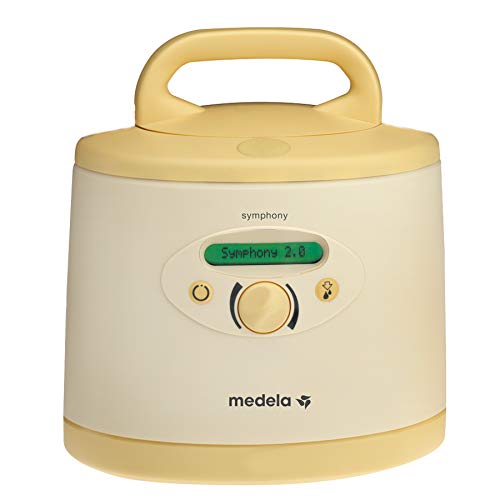
Hospital-grade pumps are built for heavy use and offer strong, adjustable suction. Some are sold for personal use, and some can be rented for a set period. They are bulky and more expensive, so many exclusive pumpers use one as a main pump at home. Ask a clinician whether renting or buying fits your situation.
Double Electric Pumps
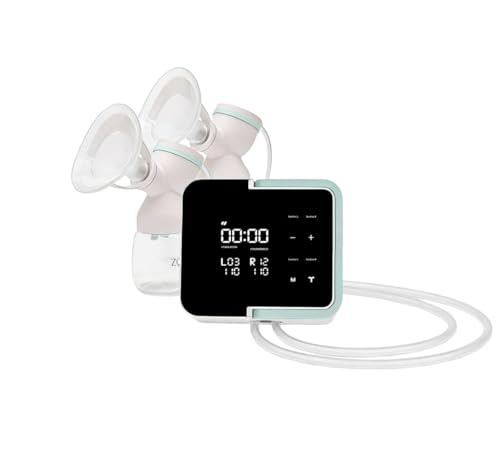
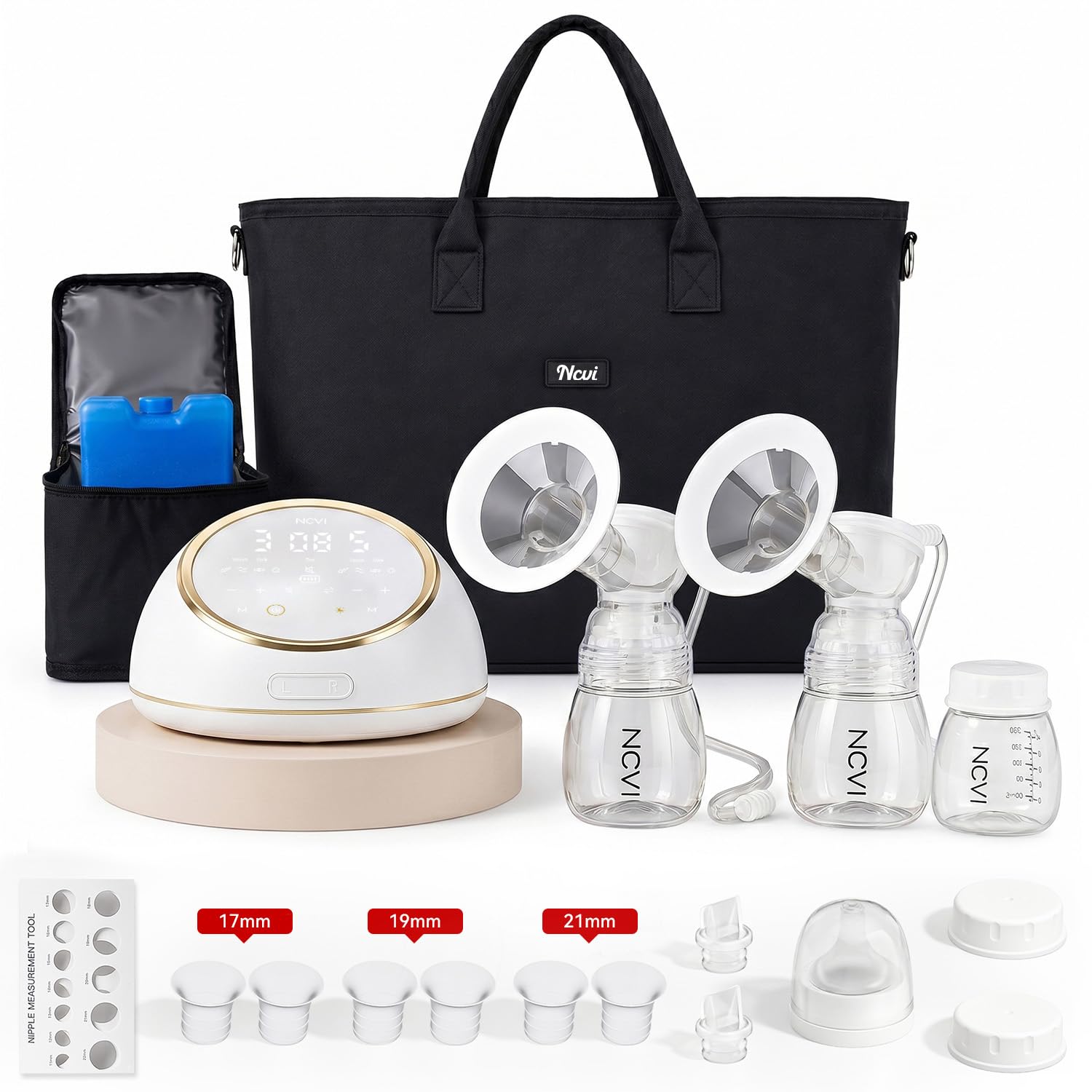
A good double electric model empties both sides at once and cuts your pumping time in half. Adjustable suction and cycle speed help you find a comfortable rhythm. Check that replacement valves and membranes are cheap and easy to order.
Wearable Pumps as a Second Pump
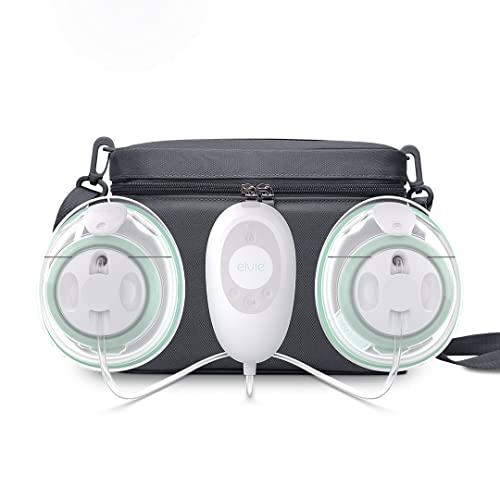
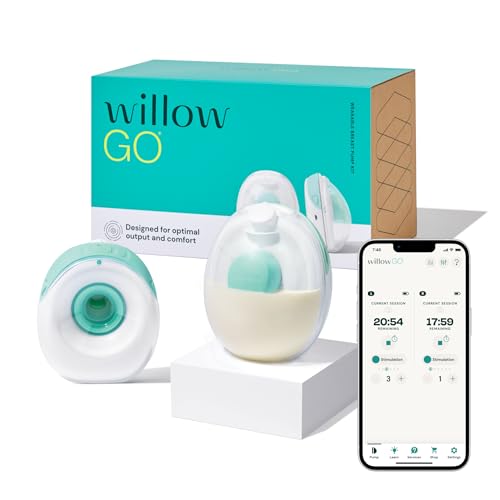
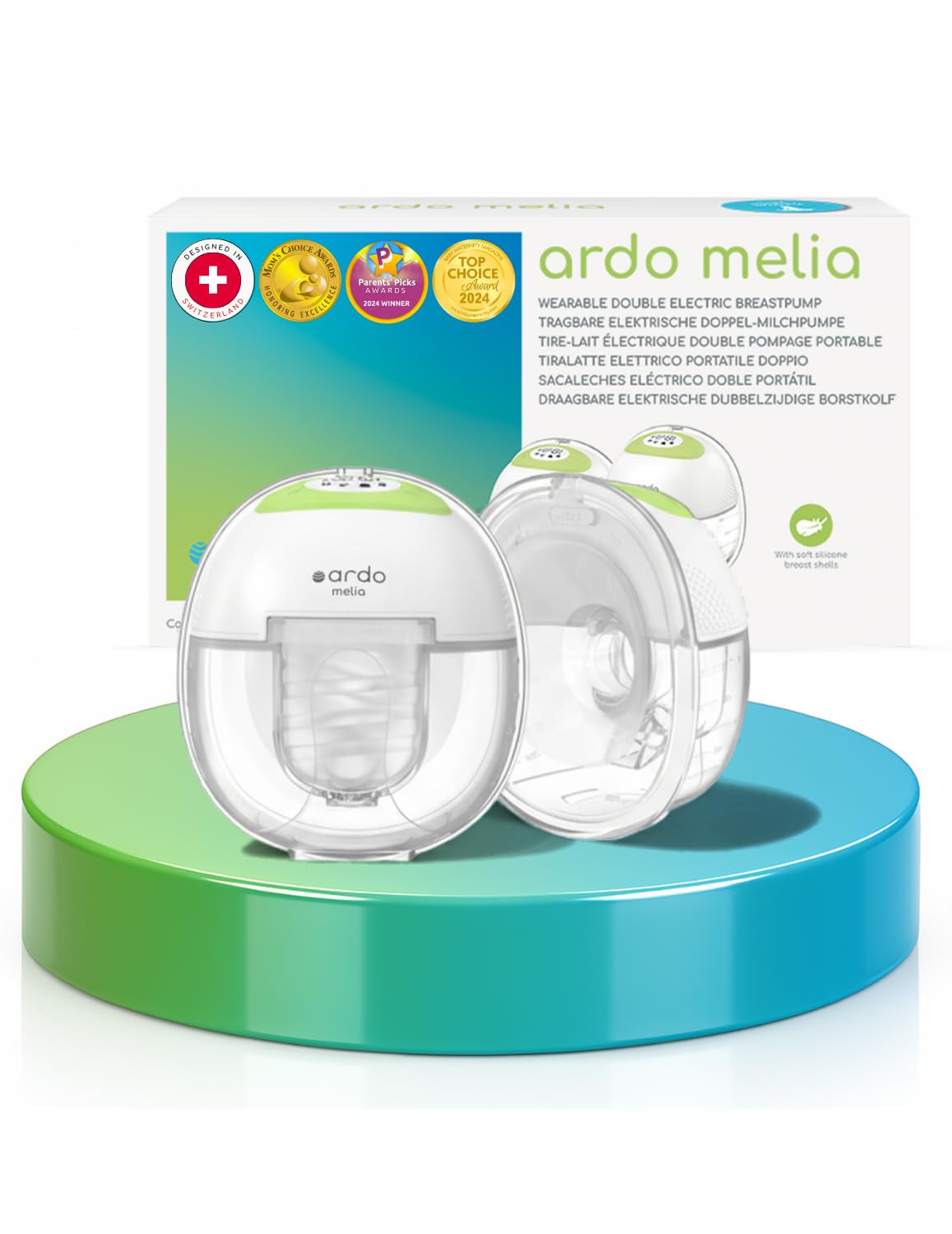
Wearable pumps fit inside a bra and let you move around while pumping. Many parents use them for work calls, errands or night sessions, and keep a traditional double pump for fuller sessions. Check cup capacity and comfort, and compare how well they empty over a full week.
Manual Pumps as a Back-Up
A manual pump is a good back-up for power cuts, travel and a quick top-up. It is slow and tiring for regular use, so it should not be the only pump.
Key Features to Compare
Durability and Warranty
A longer warranty on the motor is a good sign for a machine you will use many times a day. Read what the warranty covers and for how long, and check whether the maker has US customer support.
Suction Range and Comfort
You want strong enough suction to empty comfortably, and fine control to avoid pain. Pumping should not hurt. Start low and increase slowly, and pay attention to flange fit, since a poor fit reduces comfort and output.
Parts, Cleaning and Spares
Fewer parts mean quicker cleaning between sessions. Keep at least two sets of parts so a clean set is always ready, and replace valves, membranes and tubing on the maker's schedule. A pump with parts sold in multipacks will save money over months of daily use.
Power Options
Wall power is fine for a main pump. A rechargeable battery or a car adapter adds flexibility for travel and for power cuts.
Setting Up a Pumping Station
Keep everything in one place: pump, spare parts, bottles, wipes, a drink and a snack. A comfortable chair and a way to occupy your hands, such as a phone stand, make long sessions more bearable. A small cooler bag or a fridge nearby keeps milk safe between sessions. Label milk with dates, and follow current health guidance for storage times.
Planning Your Day Around Sessions
A routine that fits your life is easier to keep than a perfect schedule on paper. Many parents anchor sessions to events that already happen: right after the baby feeds, before bed, first thing in the morning. A timer or a simple note on your phone helps you see a pattern slipping before comfort or output changes. If you work, plan where and when you will pump, and pack parts, a cooler bag and a manual back-up in one grab-and-go kit.
Night sessions are the hardest. Some parents find a quiet pump and a dim light make them less disruptive, while others share the night shift with a partner who handles feeding and cleaning. Whatever you choose, ask for help with washing and storage, since those small tasks eat time in a day already full of sessions.
Cleaning and Replacing Parts
Wash all milk-contact parts after each session with warm soapy water, rinse and let them air dry on a clean surface. Sanitize as the maker recommends, especially for very young babies, and ask your clinician if you have questions. Replace valves, membranes and tubing on the schedule in the manual, and sooner if suction feels weak. Worn soft parts are the most common cause of slow output, and they cost far less than a new pump.
When you compare the best breast pumps for exclusively pumping, check how many replacement parts come in the box and how easy it is to reorder them from the maker.
Budget and Common Mistakes
Prices range from about $150 to over $1,800 for hospital-grade models, and the right amount depends on how long you expect to pump. Many people begin with a good double electric pump and add a wearable later. Common mistakes include choosing a pump that is too light for daily use, forgetting spare parts and ignoring flange fit.
Finally, give yourself credit and plan for rest. Exclusive pumping is a demanding job on top of caring for a baby. Ask for help with meals, laundry and washing parts, accept offers of support and tell your clinician if you feel overwhelmed. A sustainable routine matters more than hitting a number on any given day, and a rested parent pumps more comfortably.
Frequently Asked Questions
How many sessions a day do exclusive pumpers usually need?
Many aim for a pattern close to their baby's feeding pattern, often about eight sessions in 24 hours at first. Ask a lactation professional about the right plan for you.
What should I do if output starts to fall?
Check flange fit, valve condition, suction settings and session timing. Missed sessions, illness and worn parts can all lower output. If it keeps falling, talk with a lactation professional.
Is a wearable pump enough on its own?
Some parents manage well, but many keep a traditional pump for fuller emptying. Compare how each works over a full week.
How do I avoid soreness?
Use the lowest effective suction, check flange fit and take breaks if skin feels raw. See a professional about blisters or bleeding.
Final Thoughts
Choose the best breast pumps for exclusively pumping by durability, comfort and the ease of keeping spare parts clean and ready. Use the product table to compare hospital-grade, double electric and wearable choices, and build a station that makes each session as easy as possible. Ask your clinician or a lactation consultant for guidance on your personal needs.


