Best Bread Proofing Basket for Your Home (2026): Sizes and Materials
Disclosure: We may earn a commission when you buy through links on this page, at no extra cost to you. As an Amazon Associate I earn from qualifying purchases. Learn more

The best bread proofing basket supports dough through its final rise: match size, shape and material to the loaves you bake.
Picture a Saturday morning in a small kitchen. Your dough has risen beautifully in a mixing bowl, but it spreads out flat the moment you turn it onto the counter, and the finished loaf bakes up wide instead of tall. A proofing basket fixes that one problem by holding the dough in shape during its final rise. This guide to finding the best bread proofing basket for your home walks through size, material, and budget, so you can match a basket to your space, your household, and the loaves you actually bake. Start with the comparison table below, then use the checklist that follows.
This is a simple tool with nothing to assemble. Your decision comes down to how much dough you proof at once, which loaf shape you prefer, and how much cupboard room you can spare.
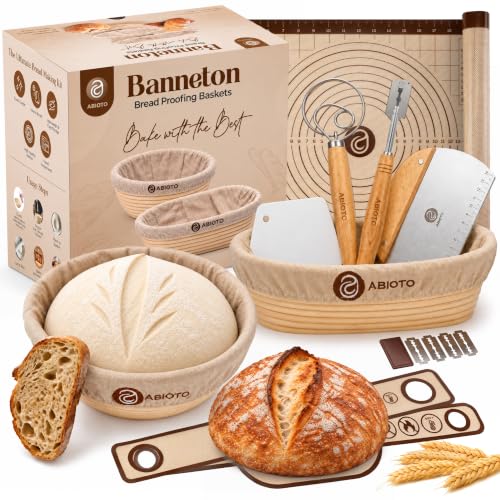
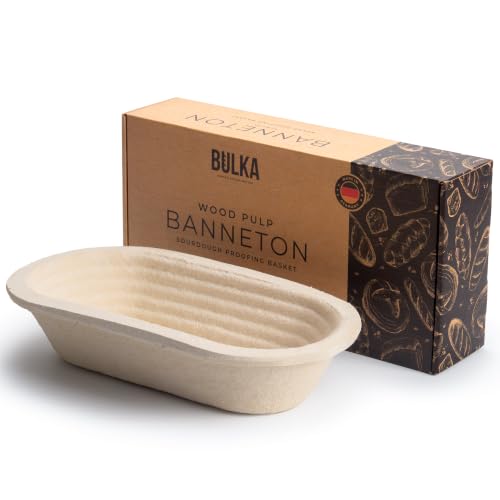

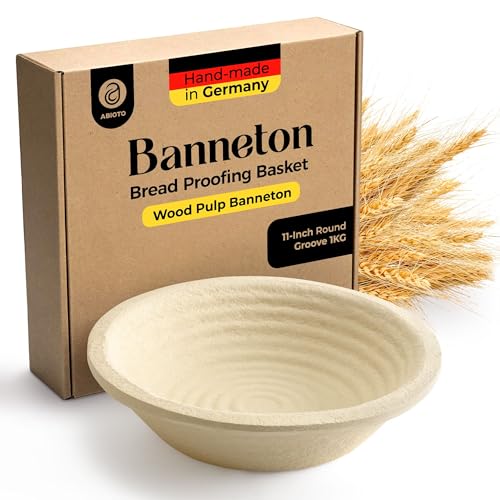
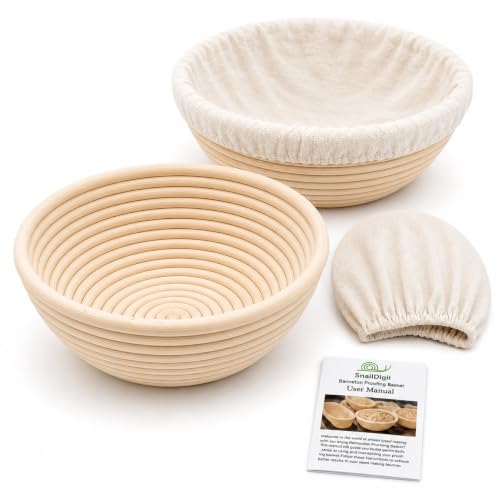
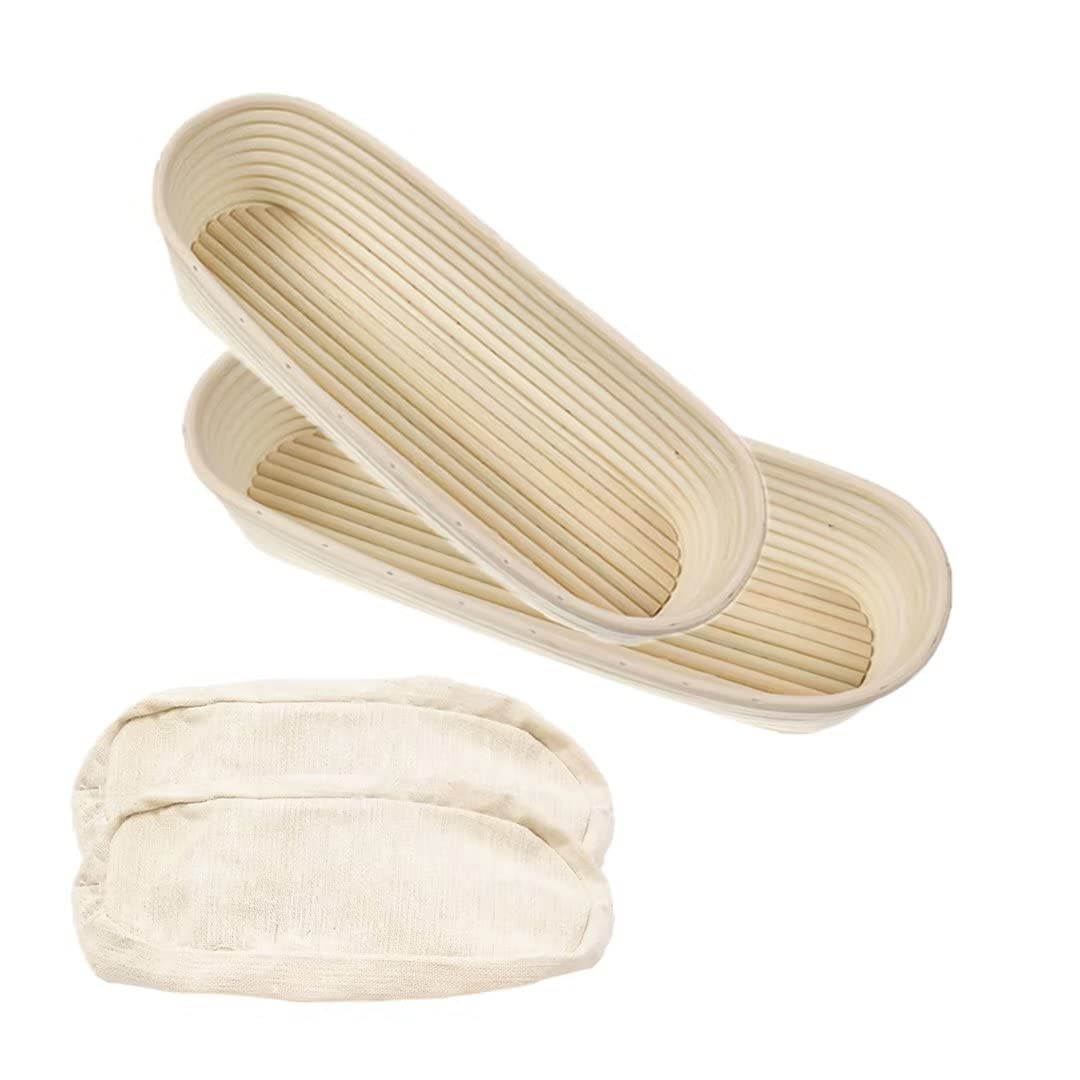
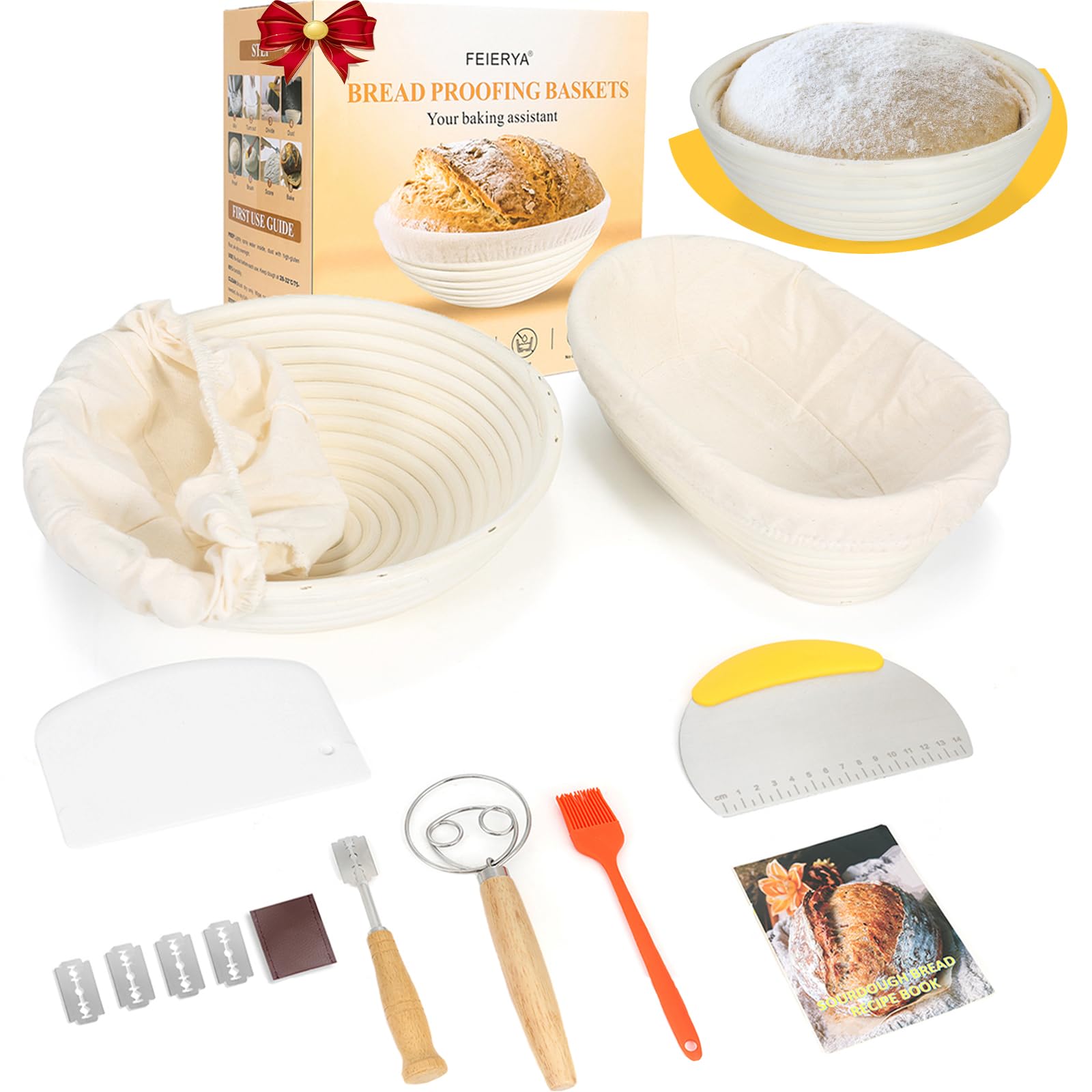


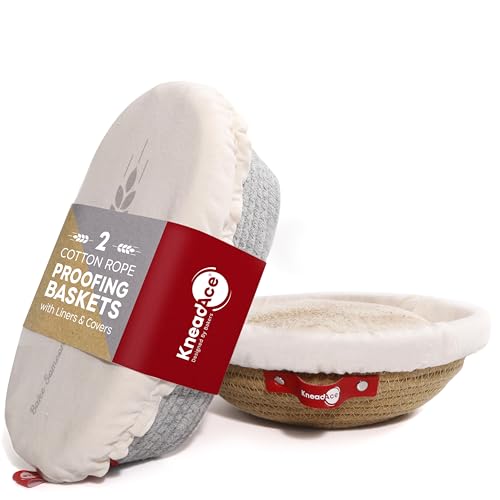
Quick Answer: Three Basket Styles in 30 Seconds
Most home bakers land on one of three styles. A round rattan basket is the all purpose choice for boules, the round loaves most beginners bake first. An oval basket suits batards, the longer loaves that slice neatly for sandwiches. A wood pulp basket gives firm support to wet doughs and suits bakers who proof several loaves a week. Pick your loaf shape first, then confirm size and budget below.
Before You Buy: A Quick Checklist for Choosing a Proofing Basket
A basket does one job, supporting dough through its final rise, but small differences in size, material, and extras decide whether yours gets used weekly or gathers dust.
Size: Match It to Your Space
Diameter decides how much dough a basket can hold without spilling over the rim. An 8 inch round basket suits small loaves and test batches, a 9 inch round is the size most home recipes assume, and a 10 inch round handles larger family loaves. Oval baskets follow the same logic for longer doughs. Think about storage too, because a deep basket eats shelf room in a small kitchen. If you bake more than one loaf size, our guide on what size bread proofing basket do i need walks through matching basket volume to your usual dough weight.
Which Type Fits Your Routine
Rattan and natural cane are the classic materials, light and breathable, with ridges that leave the familiar spiral pattern on the crust. Wood pulp feels sturdier, wicks moisture well, and suits high hydration doughs that need extra support. Plastic and silicone rinse clean in seconds, though they give a plainer finish and less airflow. Bamboo sits in the middle, smooth and light but less traditional in feel. Daily bakers may value easy rinsing, while weekend sourdough bakers usually prefer the pattern and breathability of natural cane.
Features Worth Paying For, and Ones to Skip
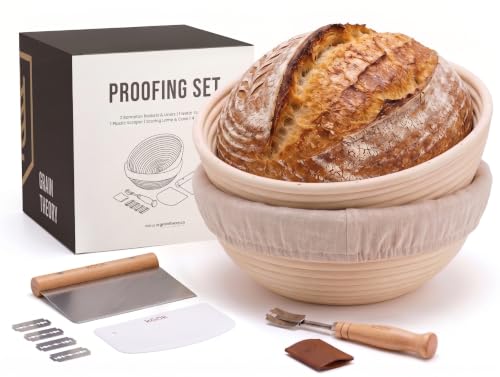
A fitted linen liner is worth having if you bake wet doughs, because the cloth layer stops sticking where flour alone may fail. A bench scraper helps you move and divide dough without tearing it, and a lame scores the loaf before baking, so both earn their keep. What can you skip? Decorative lids, extra baskets in sizes you never bake, and bundled brushes you already own. Pay for the liner and the tools you will touch every bake, and let the rest go.
Light vs Dark Finish and Browning
Basket color never touches browning, because the dough leaves the basket before it goes into the oven. Finish still matters in a smaller way. A pale natural basket shows leftover flour clearly, so you can see when the surface is clean and dry. Darker stained finishes hide flour dust and minor marks, so they look tidier on an open shelf. Choose based on how you store your basket, not on any promise about crust color, which comes from your oven and dough alone.
Oven Safe Temperature: The Limit That Matters
No proofing basket is made for the oven, whatever the listing implies. Rattan, cane, wood pulp, and linen all scorch or dry out at baking temperatures, and plastic can warp. The basket is a shaping tool only: once the final rise is done, you turn the dough onto parchment, a hot stone, or into a Dutch oven and bake it there. If a product page advertises heat resistance as a selling point for a proofing basket, treat that as a red flag about how carefully the listing was written.
Nonstick Coating vs Uncoated
Proofing baskets are uncoated by design, and that is a strength rather than a gap. Release comes from a generous dusting of flour, often rice flour, worked into the ridges or the liner before the dough goes in. A coated surface would block the gentle moisture wicking that helps form a good crust skin during the rise. If dough sticks, the fix is nearly always more flour, a liner for wet doughs, or a slightly shorter rise, not a different surface treatment.
Realistic Budget Ranges
Most single baskets cost under $15, and at that level you get sound natural cane or rattan with no extras. Between about $15 to $25 you will find baskets sold with a linen liner, and sometimes a scraper. Sets at about $25 to $50 add a second size or shape, plus tools such as a lame. Spend at the top level only if you bake two loaf shapes often. Below it you lose bundle extras, not proofing performance, because a plain basket supports dough just as well as a boxed set.
Three Basket Types Compared for Different Homes
Instead of ranking brands, it helps to compare the three types most homes choose between. Each one below suits a different baking pattern.
Natural Cane Round Baskets for Most Homes
The round cane or rattan banneton is the default for a reason. It shapes the classic boule, breathes well during a long rise, and leaves the spiral rings many bakers love on the finished crust. For a household baking one or two round loaves a week, it covers nearly every recipe without fuss. Its one weakness is wet dough, which can grip the ridges, so pair it with a liner if your doughs run slack.
Liner Equipped Sets for Tight Budgets
A simple set that pairs a basket with a fitted linen liner gives you the most useful extras for the least money. The liner solves sticking for wetter doughs and lifts out for shaking and airing after each bake. Sets at this level often add a scraper, which you will use for dividing and cleanup. You give up the thicker feel of premium natural cane, but proofing results are close. For new bakers, this is the sensible starting point.
Wood Pulp Baskets as a Longer Term Investment
Wood pulp baskets cost more per piece, and frequent bakers get the value back in support and consistency. The dense material holds its shape year after year, pulls moisture from the dough surface evenly, and gives wet doughs a firm wall to rise against. The surface is smooth rather than ridged, so loaves come out with a clean, plain finish. Choose wood pulp if you bake several times a week and favor high hydration recipes.
How to Evaluate Proofing Baskets Before You Order
When listings all look alike, judge a basket on construction details you can verify from photos and descriptions. Look for tightly woven cane with no gaps the dough can squeeze into, a rim that sits flat without rocking, and liner stitching that lies smooth against the basket wall. Read buyer comments for reports of mold, splinters, or warped rims, since those point to poor drying or thin material. A basket that passes those checks will perform, whatever the brand name on the label.
Quick Guidance by Household and Space
For a solo baker or a couple, one 9 inch round basket covers nearly everything, and it stores inside a mixing bowl to save space. Families baking sandwich loaves should look at an oval basket, which shapes dough that slices evenly for lunchboxes. If sourdough is your main project, our guide to the best bread proofing basket for sourdough compares what long, cool rises demand from a basket. Batch bakers who proof four or more loaves at once need matching baskets in one size, so the doughs rise at the same pace. Apartment bakers with one shallow shelf do best with a single basket plus a liner, skipping multi piece sets entirely.
Common Buying Mistakes to Avoid
- Buying an oval basket for round loaves, which lets the dough spread sideways and bake up flat.
- Ordering a large set before you know your loaf size, which fills the cupboard with baskets you never reach for.
- Putting a damp basket away in a closed cupboard, which invites mold into the weave within days.
- Choosing a basket by its bundled extras alone, which can leave you with tools you like and a basket in the wrong shape.
- Baking dough in the basket itself, which scorches natural fibers and ruins both the loaf and the basket.
Cost of Ownership and Care
Ownership costs stay tiny with this tool. Your only running expenses are flour for dusting and a replacement liner every so often if the cloth thins or holds odors. Store the basket in open air where it can dry fully after use, and never seal it in a plastic bag. For full step by step care, see our guide on how to clean a bread proofing basket, which covers drying, brushing, and what to do about spots. A basket stored dry asks for almost nothing and keeps working for years.
Your Questions, Answered
What makes one proofing basket brand more reliable than another?
Reliability comes from construction more than the name on the box. Brands that weave cane tightly, finish rims smoothly, and sew liners to match the basket shape tend to earn steady reviews across many buyers. Look for clear size and material details in the listing. A modest basket with honest specifications usually outlasts a fancy one with vague claims.
How do you clean a bread proofing basket?
Let the basket dry completely, then knock out loose flour and brush the ridges with a stiff dry brush. Avoid soap and soaking, because water soaks into natural fibers and can leave odors that reach your dough. If flour paste builds up in the grooves, a short rest in a low oven that has been switched off and is only warm can loosen it for brushing. Always air the basket until fully dry before storing.
Is a bread proofing basket worth it?
Yes, if you bake free standing loaves and care about height and shape. A bowl and towel can hold dough, but the towel wrinkles print into the surface and the bowl gives no support at the sides. A basket holds the walls firm, wicks a little surface moisture, and gives a taller loaf with a cleaner shape. If you only bake pan loaves, skip it, because the pan already does this job.
How long does a bread proofing basket last?
A natural cane or wood pulp basket kept dry can serve for many years of regular baking. The usual end comes from neglect rather than wear: mold that keeps returning after cleaning, a cracked or warped rim, or splinters lifting from the weave. Liners wear out sooner and are cheap to replace. If your basket smells musty even after a full day of airing in sunlight, replacement is the safer call.
Which proofing basket should a new baker buy first?
Start with one round basket in the 9 inch size, with a liner if your recipes use wet dough. Round loaves are the most forgiving shape to learn on, and one good basket teaches you flouring, timing, and turning out without extra gear crowding the counter. Add an oval basket later, once your shaping feels steady and you know you will bake that shape often. Buying one at a time keeps both cost and cupboard clutter low.
Final Thoughts
A proofing basket is a small purchase that quietly fixes flat, spreading loaves. Match the size to your dough, pick the material that fits your routine, and spend on a liner before any other extra. Before you order, glance back at the product table above and compare your finalists side by side. When you choose the best bread proofing basket for your kitchen, you get a tool that supports every rise, asks for almost no upkeep, and earns its shelf space bake after bake.