
Best brake for mountain bike 2026: Buying Guide
Disclosure: We may earn a commission when you buy through links on this page, at no extra cost to you. As an Amazon Associate I earn from qualifying purchases. Learn more

Learn how to choose mountain bike brakes: hydraulic vs mechanical, rotor size, modulation, and setup tips for safer trail riding every time.
Brakes are the most safety critical part of a mountain bike, so choosing best brake for mountain bike deserves more care than any other upgrade. Good brakes give controlled stopping on steep descents, while poor brakes fade, grab, or feel vague exactly when you need confidence.
This guide compares hydraulic and mechanical disc brakes, explains rotor size and pad choice, and covers setup checks that keep braking consistent. It focuses on trail riding needs, from cross country climbs to downhill runs, rather than on racing specifications alone. The comparison table below summarises the main options so you can see the range at a glance before reading the detail.
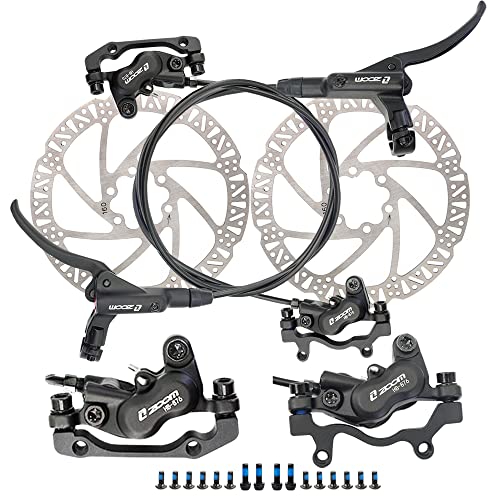


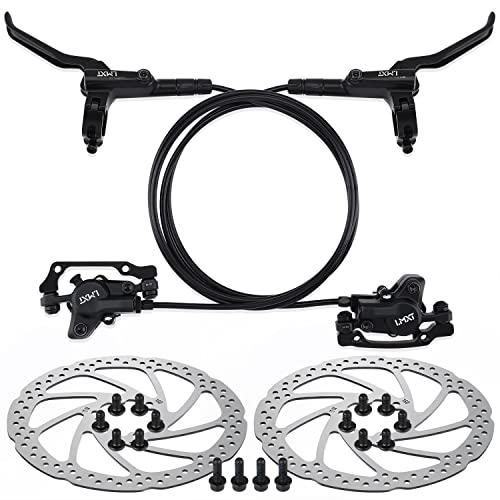


Who Should Buy This Type
This guide suits trail, enduro, and downhill riders who want reliable stopping in mud, dust, and steep terrain. It also suits commuters who ride a mountain bike daily and need brakes that work in rain. Casual riders on flat paths may manage with simpler brakes, but anyone riding steep or technical trails should prioritise brake quality and correct setup.
Key Features to Compare
Compare these features, with power and control at the top.
- Brake type. Hydraulic brakes use fluid for strong, smooth power with light lever effort, while mechanical brakes use a cable and are simpler to service trailside.
- Rotor size. Larger rotors dissipate heat better and give more power, which helps heavier riders and long descents, while smaller rotors save weight.
- Modulation. Good modulation lets you feather braking near the grip limit instead of locking the wheel, which keeps traction on loose surfaces.
- Pad compound. Metallic pads last longer and handle heat, while organic pads feel quieter and gentler on rotors but wear faster in mud.
- Lever feel and reach. Adjustable reach suits different hand sizes and glove use, and a firm lever feel helps you judge braking force.
Types Compared
Mountain bike brakes include mechanical disc brakes, hydraulic disc brakes, and older rim brakes. Mechanical discs are affordable and easy to adjust with basic tools. Hydraulic discs dominate trail riding because they self adjust for pad wear and give smoother power. Rim brakes still appear on older or budget bikes, but they perform poorly in mud and wear rims, so most trail riders should choose discs when upgrading.
How to Compare Options Side by Side
Start with your riding style and terrain. Cross country riders can favour lighter two piston brakes, while enduro and downhill riders benefit from four piston brakes and larger rotors. Check that your frame and fork accept the rotor size and mount type, and confirm lever compatibility with your handlebar and shifter setup. Try the lever feel in a shop, and compare pad availability, since a brake you cannot service locally becomes a liability.
If you want to compare nearby options, our guides to best brake pads for mountain bike, best hydraulic brakes for mountain bike, best downhill mountain bike brakes cover related choices in more detail.
For a wider view, also look at best enduro mountain bike brakes and best mountain bike disk brakes before you decide.
Setting Up and Everyday Use
Bed in new pads and rotors with a series of controlled stops from moderate speed, following maker guidance, before tackling steep trails. Check pad thickness regularly, and listen for scraping that signals worn pads. Keep rotors clean and avoid touching them with oily hands, since contamination causes squeal and weak braking. Carry a basic multi tool on rides for lever and caliper adjustments.
Care and Long Term Value
Bleed hydraulic brakes when levers feel spongy or pull close to the bar, and replace pads before they reach the wear limit. Clean calipers and pistons carefully during pad changes, and check bolts to maker torque settings. Store the bike upright or hang it as the maker directs, since some hydraulic systems need care when inverted. A yearly professional service keeps seals and fluid in good condition.
Common Mistakes to Avoid
A common mistake is fitting larger rotors without checking frame clearance and mount adapters. Another is skipping the bed in process, which leaves braking weak and noisy. Using contaminated pads after a chain lube spill is also costly, since oil soaked pads rarely recover. Finally, do not ignore a spongy lever, because it often signals air in the system or a leak that needs prompt attention.
Safety Notes to Keep in Mind
Have brakes inspected by a qualified mechanic if you notice sudden loss of power, fluid leaks, a lever that pulls to the bar, grinding, or a wheel that locks unexpectedly. Never ride steep or technical trails with doubtful brakes, and walk sections you cannot stop safely on. Seek professional help for hydraulic bleeding and rotor replacement if you lack the tools or experience, since brake failure can cause serious injury.
A Final Check Before You Buy
Budget mechanical brakes can stop reliably on gentle trails if set up well, though they need more frequent adjustment than hydraulic models. When comparing budget brakes, check lever feel, pad availability, and whether your frame accepts the rotor size you want. A well adjusted mechanical brake beats a neglected hydraulic brake, so honest maintenance matters as much as brake type.
Midrange hydraulic brakes offer the best value for most trail riders, with self adjusting pads, smooth modulation, and strong power for moderate descents. Look for adjustable lever reach, easy bleeding, and widely available pads, since serviceability keeps brakes safe over seasons. Try the lever with gloves on, because winter and trail gloves change reach and grip.
Premium four piston brakes add power and heat capacity for long, steep descents and heavier riders, but they cost more and need larger rotors. They suit enduro and downhill riding where fade resistance matters, yet they add weight that cross country riders may not want. Choose premium brakes for your terrain, not for prestige, and confirm frame and fork compatibility first.
Before buying, confirm mount type, rotor size limits, and hose routing for your frame. If you are unsure about bleeding or fitting, budget for professional installation, since brake work leaves no room for error. Keep old pads and rotors until the new system is bedded in and proven on gentle trails.
After fitting, bed pads in as directed, then check braking on safe ground before steep descents. Check pad wear monthly in muddy seasons, and listen for changes in lever feel or noise. Any sudden loss of power, fluid leak, or grinding means stop riding and seek professional inspection promptly.
Getting the Most From Your Choice
After fitting, check the brakes on gentle ground before steep trails, and practise controlled stops to learn lever feel and modulation. Note any noise, vibration, or lever travel changes during the first rides, since early bedding issues are easier to fix than worn pads. Carry a multi tool and check caliper bolts after the first few rides, as new parts settle.
Replace pads before they reach the wear limit, and replace rotors when they warp, score deeply, or thin below maker limits. Never ignore a spongy lever or fluid leak, since these signal air or seal problems that need prompt professional care. Keep a service log, so pad life and bleeding intervals become predictable rather than guessed.
Frequently Asked Questions
Are hydraulic brakes better than mechanical brakes?
Hydraulic brakes usually give stronger, smoother power with less hand effort, which helps on long descents. Mechanical brakes are simpler to service and cheaper, but they need more frequent adjustment. For regular trail riding, hydraulic brakes are generally the better investment.
What rotor size do I need?
Rotor size depends on rider weight, terrain, and descent length. Larger rotors handle heat better and give more power for heavy riders and steep trails. Smaller rotors save weight for cross country use. Check frame and fork limits before choosing.
How do I bed in new brake pads?
Bedding in transfers pad material to the rotor through repeated controlled stops from moderate speed. Follow the pad maker guidance, avoid hard stops at first, and do not drag brakes continuously. Proper bedding improves power and reduces noise. Check pad thickness often in muddy seasons, since grit wears pads much faster than dry riding.
Why do my brakes squeal?
Squeal can come from contamination, glazed pads, loose calipers, or wet conditions. Clean rotors with a suitable cleaner, check pad condition, and align the caliper. If squeal follows a lube spill, pads may need replacing, since oil contamination is hard to reverse.
When should I replace brake pads?
Replace pads when friction material nears the wear limit, when braking feels weak despite adjustment, or when you hear metal scraping. Check thickness regularly during muddy seasons, since grit wears pads faster. Never let pads wear to the backing plate, which damages rotors.
Final Thoughts
For best brake for mountain bike, choose hydraulic discs matched to your terrain, bed them in properly, and maintain them on schedule. Reliable brakes build confidence on every descent, and that confidence is worth far more than a small weight saving. The product table above gives a quick way to revisit the main options after reading the guide.


