Best Box Smokers for Every Need: How to Pick the Right One for 2026
Disclosure: We may earn a commission when you buy through links on this page, at no extra cost to you. As an Amazon Associate I earn from qualifying purchases. Learn more

Not all box smokers fit every routine. See which best box smokers match how you actually use them, what features to prioritize, and what to skip.
There is no single smoker that suits every cook, yard, and budget. A compact unit that thrills an apartment dweller will frustrate someone feeding twenty people, and a competition grade rig is wasted on monthly ribs. This guide matches the best box smokers to real routines, so you buy for the cooking you actually do.
Start with the comparison table below, then find your user type in the next section. Fuel, capacity, and heat control matter far more than shiny extras, and each type below points to a different balance of those three.


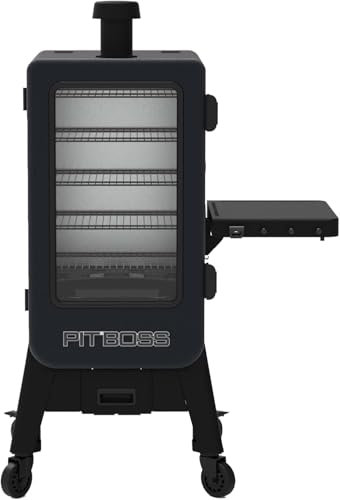

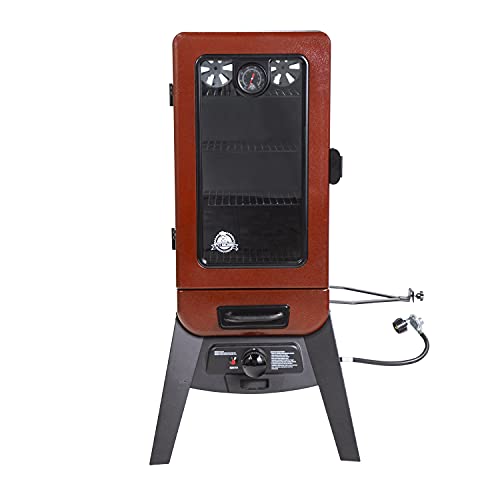

Who Should Buy Which Box Smokers?
For Small Spaces and Easy Storage
If your cooking space is a small patio, a balcony where local rules allow outdoor cooking, or a garage corner, prioritize footprint and weight. Compact box smokers with a vertical layout use height instead of width, and some designs fold or break down for storage between cooks. Electric models suit tight spaces because they need no fuel storage and hold low temperatures steadily. Accept a smaller cooking area as the trade off, and plan cooks in batches for bigger gatherings.
For Bad Weather and Tough Conditions
Cooks who smoke through winter or in windy regions need insulation and sturdy construction above all. Thick steel walls hold heat when the air is cold, tight door seals stop wind from spiking temperatures, and a covered pellet hopper or protected firebox keeps fuel dry. Look for powder coated finishes that resist rust and latches that pull the door firmly closed. If you also use a gas grill in poor weather, our guide to the best smoker box for gas grills covers a smaller add on option for quick smoke flavor.
For Frequent or Serious Users
If you smoke most weekends or cook for events, invest in capacity, temperature stability, and warranty depth. A large cooking area with multiple racks, a reliable PID controller on pellet models, and cast iron or heavy steel grates will pay you back in consistent results. Parts availability matters at this level, since a heavy user will replace gaskets, probes, and igniters over the years. Buyers at this level often compare dedicated units with the best wood pellet smokers before deciding which format fits their style.
For Weekend Beginners
New smokers should value forgiveness over bragging rights. Electric and pellet models hold temperature with little tending, which lets you learn smoke flavor and meat doneness without fighting a fire. A clear manual, a built in meat probe, and a modest price around $200 to $400 make the learning curve gentle. Start with forgiving cuts like pork shoulder, keep notes on each cook, and upgrade later only if the hobby sticks. Simple and steady beats big and temperamental for a first year.
Key Features to Compare
Fuel Cost and Availability
Fuel is a running cost you pay on every cook, so check local prices and supply before choosing. Pellets cost more per cook than charcoal but deliver steady heat with little effort, and a long brisket cook can use a noticeable share of a bag. Charcoal is cheap and everywhere, while propane suits cabinet style units with clean storage. If your nearest store stocks only one pellet blend or none at all, mail order costs belong in your budget from day one.
Cooking Area and Capacity
Manufacturers quote total square inches, but primary rack space decides what you can cook at once. A family cooking two racks of ribs and a chicken needs far less room than a host smoking four briskets. Warming racks add holding space rather than true cooking space, since heat and smoke reach them unevenly. Picture your largest realistic cook, count the cuts, and buy for that day rather than for an imaginary festival. Extra unused capacity still burns extra fuel on small cooks.
Assembly and Warranty
Most box smokers arrive partly assembled, and setup time ranges from under an hour to a full afternoon for heavy offset designs. Check the manual quality and whether the maker lists spare parts online. Warranty terms split by component, with fireboxes and bodies often covered longer than electronics, probes, and paint. Photograph the unit at unboxing and keep your receipt, because warranty claims go smoother with proof. A generous warranty on paper means little if replacement parts ship slowly, so scan owner feedback for service stories.
Fuel Type (Gas, Charcoal, Pellet, Electric)
Charcoal delivers the deepest traditional smoke flavor and the most hands on fire management. Pellet models trade a little intensity for push button consistency, and many cooks who start with the best pellet grills and smokers stay for that convenience. Electric units are the easiest to run and suit places where open flame is restricted, though bark formation can be lighter. Gas fired box smokers light instantly and hold steady heat, but need a separate wood supply for smoke. Flavor purists usually rank charcoal first and electric last, with pellet close behind charcoal.
Temperature Control and Smart Features
Low and slow cooking lives between about 225 and 275 degrees Fahrenheit, so judge a smoker on how calmly it holds that band. PID controllers on pellet models adjust fuel feed constantly and flatten the swings that basic dials allow. WiFi monitoring and dual meat probes help on overnight cooks, but they cannot rescue poor airflow or thin walls. Analog offset designs reward skill with superb results and punish distraction with temperature spikes. Choose the control style that matches how closely you want to tend the fire.
Common Mistakes to Avoid When Buying Box Smokers
- Buying on price alone, then paying more later in fuel, parts, and a replacement unit.
- Ignoring fuel cost and availability near your home, especially for pellet models.
- Sizing for a once a year party instead of your normal family cook.
- Skipping the warranty details, particularly coverage on electronics and fireboxes.
- Forgetting access, since a wide smoker that cannot pass your gate or door is a return waiting to happen.
Setup and Care Tips
Season a new smoker with a thin coat of cooking oil and a few hours of heat before its first real cook, which protects the interior and burns off manufacturing residue. Preheat for 10 to 15 minutes before cooking so temperatures settle, and clean grates while warm with a stiff brush after each session. Always cook outdoors with clear ventilation, never in a garage or enclosed porch, because smokers produce carbon monoxide. Cover the unit between cooks, check for rust each season, and store pellets in a sealed dry container so they keep feeding smoothly.
Box Smokers: Your Questions Answered
What type of box smoker gives the best flavor?
Charcoal fired box smokers give the deepest classic smoke flavor, with offset designs at the top for purists. Pellet models come close with far less effort, which is why many cooks call them the best quality box smokers for busy households. Electric units taste mildest. Remember that wood choice shapes flavor too, so pair hickory with pork and milder fruit woods with poultry and fish for balanced results.
How long should a good box smoker last?
A well built steel smoker should last about five to ten years with basic care, and thick gauge models can go longer. Lifespan depends on cover use, rust control, and how hot and often you cook. Electronics and probes usually fail before the body does, so replaceable parts extend service life. Thin budget units stored uncovered in wet climates may give only two or three seasons, which changes their true value.
Can I use a box smoker on a balcony?
Often no for charcoal and gas models, because leases, building codes, and fire rules commonly ban open flame cooking on balconies. Some buildings allow small electric smokers, but you must confirm with your landlord or association and local fire code first. Never use any smoker indoors or in an enclosed space, since carbon monoxide builds up invisibly. When in doubt, cook at ground level outdoors away from siding and railings.
How often should I clean my box smoker?
Brush the grates after every cook while they are still warm, and empty ash once it cools, since ash holds moisture and speeds rust. Wipe grease from interior walls every few cooks and clear the grease drain before it overflows, because built up grease is a fire risk. Deep clean and inspect seals, probes, and the firebox once a season. Readers comparing formats may also find the best meat smokers guide useful for capacity ideas.
How big of a box smoker do I need?
Most households do well with about 500 to 800 square inches of primary cooking space, which handles a brisket, two pork shoulders, or several racks of ribs. Singles and couples can drop smaller, while regular hosts should step up and value multiple racks. Measure the cuts you cook most, not the ones you dream about. Side by side layouts differ too, and fans of offset cooking can compare the best side box smokers for that format.
Final Thoughts
Match the smoker to your space, your fuel supply, and how closely you enjoy tending a fire, and the right choice usually becomes obvious. Capacity and temperature control deserve your budget before smart extras do. Look back at the product table above, pick the format that fits your routine, and the best box smokers for your home will serve you for many seasons of low and slow cooking.