
Best Boat Headsets in 2026 Made Simple: A Clear Buying Guide
Disclosure: We may earn a commission when you buy through links on this page, at no extra cost to you. As an Amazon Associate I earn from qualifying purchases. Learn more
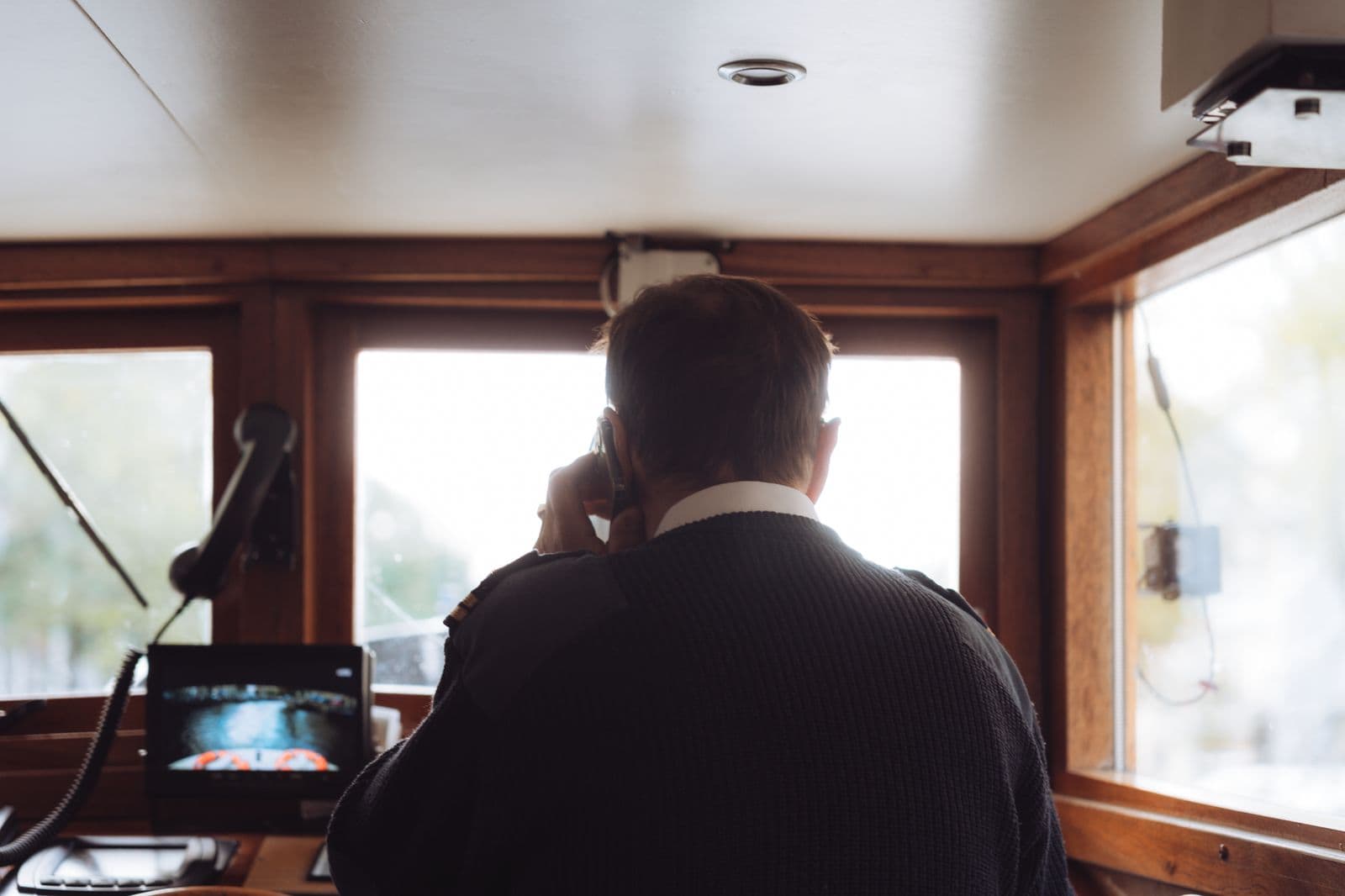
Compare boat headsets for spray, wind and engine noise with plain guidance on fit, battery life, microphones, pairing and water protection ratings.
Talking on a boat is harder than talking on land. Wind rushes past, the engine hums, spray lands on everything, and your hands are busy with lines, a wheel or a rod. The best boat headsets keep voices clear while your hands stay free. This guide explains each choice in plain language.
You only need to know how you use your boat, how wet the headset will get, and who you need to hear. The sections below match those needs to water protection, microphones, battery life, fit and sound.
Boat Headsets 101: The Basics for New Buyers
A boat headset is a wearable speaker and microphone set built for use on the water. Most models connect by Bluetooth to a phone, and some also link to other headsets as a crew intercom or pair with a marine radio through an adapter. The microphone sits close to your mouth so your voice carries over boat noise.
That is why the best boat headsets differ from ordinary indoor headsets. A desk set can fail after one season of spray and sun, and its microphone may turn a simple instruction into noise. Boat models use sealed controls and corrosion resistant parts. If your boating is mostly calm and covered, our guide to the best quality headsets covers build quality for drier settings.
Who Should Buy Boat Headsets?
Start with your role on board, because that decides whether you need a simple phone headset or a linked crew system.
Skippers Who Run a Boat Alone
You steer, watch the water and handle lines, so you cannot hold a phone. Choose a single headset with voice control and large buttons you can press with wet hands. Pick one open ear or a transparency mode so you still hear horns, dock calls and the engine note.
Crew Members Who Need to Talk to Each Other
On sailing boats and larger fishing boats, the person at the bow and the person at the helm often cannot hear each other. Choose headsets that link directly as an intercom, with a range that covers your boat length with room to spare. A boom microphone suits docking, anchoring and sail changes.
Families and Anglers Who Want Calls and Music
You want music on the ride out, calls from the dock and clear talk while you fish or cruise. Choose a lighter set with simple pairing, decent water protection and a fit that stays put when you turn your head. You can skip crew intercom range and put the savings toward battery life and comfort.
Key Features to Compare
Compare these five factors in order, because the first two decide whether a headset works on a boat at all.
Water and Salt Protection for Spray and Rain
The IP rating tells you how well a headset keeps out dust and water, and the second number matters most on a boat. IPX4 resists splashes, IPX5 handles steady spray, and IP67 means the unit can survive a brief dip in shallow water. Salt adds a second threat, because dried salt can creep into seams and corrode charging contacts. Choose at least IPX5 for open boats, look for sealed port covers, and prefer contacts that wipe clean easily.
Microphone Clarity in Wind and Engine Noise
A boat microphone has to separate your voice from wind, engine sound and water against the hull. Boom microphones near your mouth usually beat small microphones built into an earpiece, because the shorter path gives the system more voice and less background. Look for wind reduction, a shield over the microphone tip, and voice processing that cuts steady engine drone. If you give docking orders, microphone clarity matters more than rich music bass.
Sound Tuning, Drivers and Staying Aware
Drivers turn the signal into sound, and on a boat the tuning matters more than driver size alone. Clear midrange helps voices stay easy to follow, while very strong bass can blur speech under engine noise. Frequency response figures describe the range a headset can reproduce, but they do not show how clear it will sound outdoors. Avoid full isolation, because you need to hear other boats and alarms. If a model offers active noise cancellation, see our guide to the best noise cancelling headsets for how that technology works in quieter settings.
Wireless Range, Bluetooth and Multipoint Pairing
Bluetooth 5.3 gives a steadier link and lower power use than older versions, and a codec is simply the method that carries audio between phone and headset. For talk, a stable connection matters more than a music focused codec. Multipoint means the headset can stay paired with two devices, such as a phone and a tablet running charts. Crew intercom range is separate from Bluetooth range, so check both. An intercom link should cover your whole boat with no metal cabin blocking the path.
Battery Life, Charging and a Secure Fit
Plan battery life around your longest day, not your average trip. Many wireless sets run about 8 to 20 hours per charge, and fast charging can add a few hours from a short plug in before launch. Fit is a safety point, because a loose headset can drop in the water when you lean over the rail. Choose ear hooks, a neckband or a snug headband, plus soft ear pads for long wear. For training ashore, our guide to the best headsets for gym explains secure fits for movement.
Getting Started: Setup and First Use on the Water
Charge the headset fully at home and pair it with your phone before your first trip. Update the firmware through the maker app if one is offered, then make a short test call in the driveway. Check that voice control answers and ends calls without touching the phone.
On board, put the headset on before you leave the dock and make one short check with each person you need to reach. Walk to the farthest spot where you will work and confirm the link still holds. Stow the phone in a dry place within range, and agree on a hand signal in case a headset drops its connection.
Common Mistakes to Avoid
These errors are common on a first purchase and easy to prevent.
- Buying a desk headset with no water rating leaves it open to spray damage in the first rough trip.
- Choosing full isolation on a moving boat cuts you off from horns, alarms and shouted warnings.
- Trusting Bluetooth range figures for crew talk leaves bow and helm out of reach on longer boats.
- Wearing a loose headset over the rail risks losing it in the water the first time you lean out.
- Ignoring salt care lets corrosion build on contacts until charging becomes slow or stops.
Care and Maintenance for Boat Headsets
After each trip, wipe the headset with a soft cloth dampened with fresh water to lift off salt, then dry it fully before charging or storing. Pay attention to the microphone tip, seams and charging contacts, where salt collects first. Never charge a headset that still feels wet, because moisture on the contacts speeds corrosion.
Store the set in its case, out of direct sun and away from fuel and solvents. Check the pads, boom and port covers each month for cracks, and replace worn pads so the fit stays secure. If sound turns dull after a soaking, let the unit dry for a full day before you judge it faulty.
Frequently Asked Questions
Is active noise cancellation worth the extra cost on a boat headset?
Active noise cancellation is worth the cost mainly for long, steady engine runs on enclosed or larger boats. It softens constant low drone, which lowers listening fatigue on a long passage. It helps far less against gusty wind, which changes too fast for the system to cancel. On an open boat, spend first on microphone wind protection instead.
Should boat headset buyers choose wired or wireless models for sound quality?
Wireless models suit most boaters better, even though wired models can sound slightly cleaner at the same price. A cable on deck catches on cleats, rods and steering parts, and it ties you to the phone when you need to move. Wired sets still make sense at a fixed helm station with a mounted radio. For general use, a stable link and a good microphone matter more.
How long does a boat headset battery usually last on the water?
A boat headset battery usually lasts about 8 to 20 hours, with crew intercom use draining it faster than music alone. Cold mornings and high volume also shorten the run time, because you turn the set up to hear over wind. Charge after every second trip rather than waiting for a warning at the dock. If your days run long, choose a model that can play while it charges.
Does a boat headset need a special codec for clear calls?
No, a boat headset does not need a special codec for clear calls. Call clarity depends far more on microphone placement, wind handling and a stable signal than on the codec name. A music focused codec can add a slight delay, which can feel odd in quick crew exchanges. Check that phone and headset share a common codec, and keep the phone within clear range.
What IP rating does a boat headset need for spray and rain?
For spray and rain on an open boat, choose at least IPX5, and IP67 if the headset may take a full soaking or a short drop in the water. The rating covers the unit as built when new, so torn port covers and cracked seals lower that protection over time. An IP rating also says nothing about salt, so rinsing and drying still matter.
Our Verdict
For a first purchase, put water protection and microphone clarity first, then battery life and a fit that cannot slip. Those four points decide whether a headset earns its place on board. Check the water rating, talk time and fit style of any model before you buy.
When you choose best boat headsets with your own boat and role in mind, the decision stays simple. Pick the set you will wear all day, keep it rinsed and dry, and every dock call and crew instruction will be easier to hear.


