
Best Boots to Wear for Snowshoeing: What Actually Matters Before You Buy in 2026
Disclosure: We may earn a commission when you buy through links on this page, at no extra cost to you. As an Amazon Associate I earn from qualifying purchases. Learn more
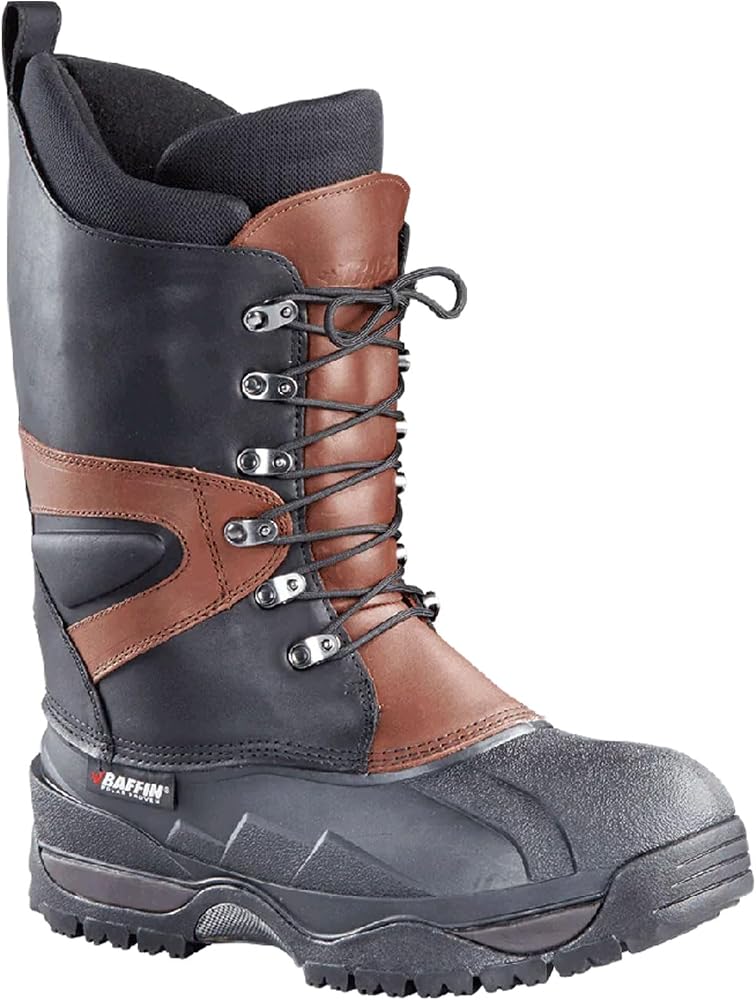
Judge the best boots to wear for snowshoeing by binding fit, insulation, grip and sizing, so your feet stay warm and steady on cold trails.
Choosing best boots to wear for snowshoeing starts with how the boot works with a snowshoe, not only how warm it feels in a shop. A good pair must stay secure in the binding, keep snow out of the cuff, and let you walk for hours without sore feet. The comparison table below can help you compare broad types and features side by side before you narrow your choice.
Snowshoe trails add demands that a normal winter boot may not meet. You will step through soft snow, climb gentle slopes, and stand in cold air for long stretches. This guide walks through a clear checklist for fit, warmth, grip, and binding fit, so you can judge any pair with confidence.




How to Judge Snowshoe Boots Before You Buy
Use the factors below as a scoring checklist rather than a list of nice extras. Each one affects comfort or safety on snow, and a weakness in one area can undo strength in another. Read through them in order, then test any pair you consider against the same points.
Snow and Cold Specific Features
Snowshoeing calls for a tall cuff, a sealed tongue, and a closure that stays shut when snow packs around the ankle. Look for insulation that matches your usual pace and temperature, since a fast walker generates more heat than a slow walker on a flat trail. A waterproof membrane or treated upper helps when you cross slushy sections, but it should still let sweat escape on a long climb. Check that the cuff closes snugly over your trousers so loose snow cannot work its way inside.
Measuring Fit and Toe Room
Measure both feet in the afternoon, when feet tend to be slightly larger, and try boots on with the socks you plan to wear on the trail. Your toes should have room to spread and wiggle without touching the front when you walk downhill. The heel should stay in place with only a small amount of lift, since repeated heel movement can cause blisters on a long outing.
If you wear thick winter socks, size up only if the maker sizing guide suggests it for that sock thickness. For help choosing the layer next to your skin, see our guide to best socks to wear with boots.
Weight Versus Protection
Heavy boots can feel stable on packed snow, yet every extra ounce adds up over thousands of steps in soft snow. Lighter boots feel easier on long outings, but they may offer less ankle support and less insulation on very cold days. Think about your usual distance and terrain before you decide which side of that trade off matters more. Short trips near a trailhead suit a lighter build, while full day trips in deep snow often justify a sturdier and warmer build.
Arch Shape and Support Needs
People with flat feet often need stronger arch support to keep the foot from rolling inward on uneven snow. People with high arches may need more cushioning under the midfoot, since less of the foot contacts the ground. Overpronation, where the foot rolls inward more than usual, can make a stable boot with a firm midsole a better choice than a very soft and flexible boot. Removable insoles are useful here, because they let you swap in an insole that matches your arch without changing the boot itself.
Cushion and Stability
Cushioning matters for comfort, but too much soft foam can feel unstable when a snowshoe tilts on a slope. A stable boot pairs a firm heel counter with a midsole that resists twisting, while still absorbing shock on frozen ground. Heel to toe drop, the height difference between heel and forefoot, affects how your stride feels, and a lower drop often feels more natural for walking. Try walking on a slope if you can, since flat shop floors hide stability problems that snow quickly reveals.
Traction Design for Snow Trails
Deep lugs help the boot bite into soft snow and shed packed snow from the sole, while a wider lug pattern can improve grip on mixed snow and ice. Rubber compounds that stay flexible in cold weather grip better than hard rubber that turns stiff in freezing air. Check the sole for a pattern that clears snow rather than packing it into flat clumps, since a clogged sole loses grip fast. Remember that the snowshoe itself adds traction, so the boot sole should work with the binding and not fight against it.
Spending Levels for Different Trail Habits
Price alone does not tell you whether a boot suits snowshoeing, but spending levels often reflect insulation, materials, and build quality. Use the levels below to match your budget to how often and how far you plan to walk, then judge individual pairs against the checklist above.
Occasional Outing Budget
For a few short outings each winter, a modestly priced pair around $80 to $140 can work well if the fit is right and the cuff seals out snow. At this level, focus on waterproofing, a secure closure, and a sole that grips in snow, rather than on extra features. You may give up some insulation or long term durability, so this level suits gentle trails and mild winter days best.
Regular Winter Walker Budget
If you snowshoe most weekends, a mid range pair at about $140 to $220 often gives a better balance of warmth, support, and durability. Boots at this level tend to use better insulation, stronger uppers, and soles that stay flexible in cold weather. They also tend to fit more securely in snowshoe bindings, which matters when you walk for several hours at a time.
Long Cold Day Budget
For full day trips, deep snow, and very cold air, a higher priced pair at about $220 to $320 can be worth the extra spending. These boots often offer taller cuffs, warmer insulation, and tougher materials that hold up to repeated use in harsh conditions. They are not needed for every walker, but they make sense when comfort and warmth over many hours matter more than saving money.
Quick Self Check Before Ordering
Run through these questions before you order, and treat a no answer as a reason to keep looking. A pair that fails more than one check is unlikely to feel good on a real trail.
- Does the boot fit your snowshoe binding without forcing the straps or buckles?
- Can you walk downhill without your toes hitting the front of the boot?
- Does the cuff close over your trousers and keep snow out?
- Is the insulation right for your usual pace and the coldest air you expect?
- Does the sole grip on snow and stay flexible in cold weather?
- Can you walk for an hour without heel lift, pinching, or numb toes?
- Is the closure easy to adjust while wearing gloves?
Warning Signs of a Poor Choice
Be cautious when a listing gives vague warmth claims without stating insulation type or temperature guidance. A short warranty, missing sizing guidance, and unclear binding compatibility are also reasons to pause. Reviews that sound copied or that praise a boot for uses far from snowshoeing should not outweigh the checklist above. If the maker does not explain how to clean or dry the boot, long term care may be harder than it should be.
What to Wear With Snowshoe Boots
Trousers and socks change how a boot fits, so choose them before you judge fit. Trousers should fit over the cuff without bunching, and socks should wick moisture while adding only the thickness you planned for when sizing. For ideas on trousers that pair well with tall boots, see our guide to best jeans to wear with boots. Avoid cotton socks on long outings, since cotton holds moisture and can leave feet cold once you stop moving.
Getting More Seasons From Snowshoe Footwear
After each outing, brush off snow and salt, then air dry boots away from direct heat so the upper and sole keep their shape. Remove the insoles to help the inside dry fully, and check laces, eyelets, and closures for wear before your next trip. Store boots in a cool dry place with the cuffs open, rather than crammed into a tight bag. Check the binding contact areas for wear, since a worn heel or toe can change how securely the snowshoe holds the boot.
Frequently Asked Questions
What features matter most for boots used with snowshoes?
Binding fit, snow sealing, warmth, and grip matter most for boots used with snowshoes. A boot that does not sit securely in the binding will shift on slopes, even if it feels warm in a shop. Look for a tall cuff, a sealed tongue, and a sole that works with the binding straps. Insulation should match your pace, since fast walkers need less warmth than slow walkers in the same air.
Do boots for snowshoeing need full waterproofing?
Full waterproofing helps on most snowshoe trails, because you will step through slush, cross small streams of meltwater, and stand in wet snow. A waterproof membrane or treated upper keeps feet drier for longer, but it can also trap sweat on steep climbs. Choose a boot that balances waterproofing with breathability for your usual distance, and carry dry socks for longer outings in wet conditions.
How do I know when snowshoe boots are worn out?
Snowshoe boots are worn out when the sole loses grip, the waterproofing no longer keeps water out, or the support feels soft and uneven. Check for cracked soles, separated seams, and a heel counter that no longer holds the heel steady. Persistent damp feet, new blisters, or binding straps that no longer sit flat can also signal that replacement time has arrived.
Is a higher price always better for snowshoe boots?
A higher price is not always better for snowshoe boots, because fit and binding fit matter more than cost alone. Expensive boots often use better insulation and tougher materials, which help on long and cold trips. For short and gentle outings, a well fitting pair at a lower price can feel just as good. Spend more only when the extra warmth, support, or durability matches your actual trail use.
How long does breaking in snowshoe boots take?
Breaking in snowshoe boots usually takes several short walks before a full day trip feels comfortable. Start with walks around your home or on easy trails, and pay attention to heel lift, toe pressure, and hot spots. If pain persists or worsens after a reasonable break in period, check the fit and talk with a doctor about persistent or worsening foot pain. Do not rely on a long break in period to fix a boot that clearly fits poorly.
Final Thoughts
The best pair is the one that fits your foot, fits your snowshoe binding, and keeps you warm and steady for your usual distance. Judge warmth, grip, and support together, and use the self check above before you commit. If foot pain persists or worsens, see a doctor for advice about fit and foot health. For a final side by side look, review the product table above and choose best boots to wear for snowshoeing with your trail habits in mind.


