
Best Boots to Ride Motorcycle of 2026: Complete Buying Guide
Disclosure: We may earn a commission when you buy through links on this page, at no extra cost to you. As an Amazon Associate I earn from qualifying purchases. Learn more

Compare the best boots to ride motorcycle by protection, fit, sole grip and weatherproofing, with a checklist to choose the right pair for your riding.
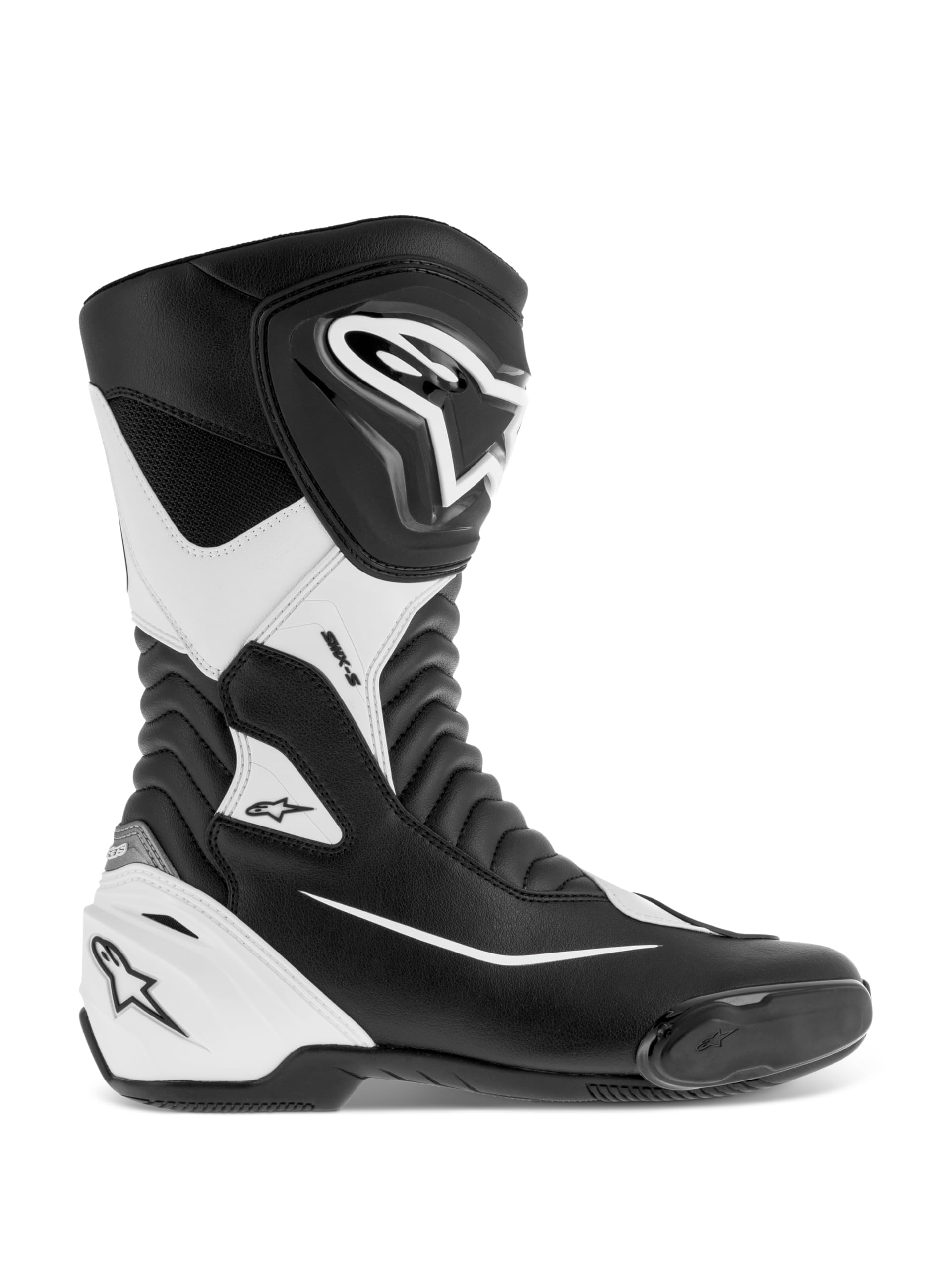
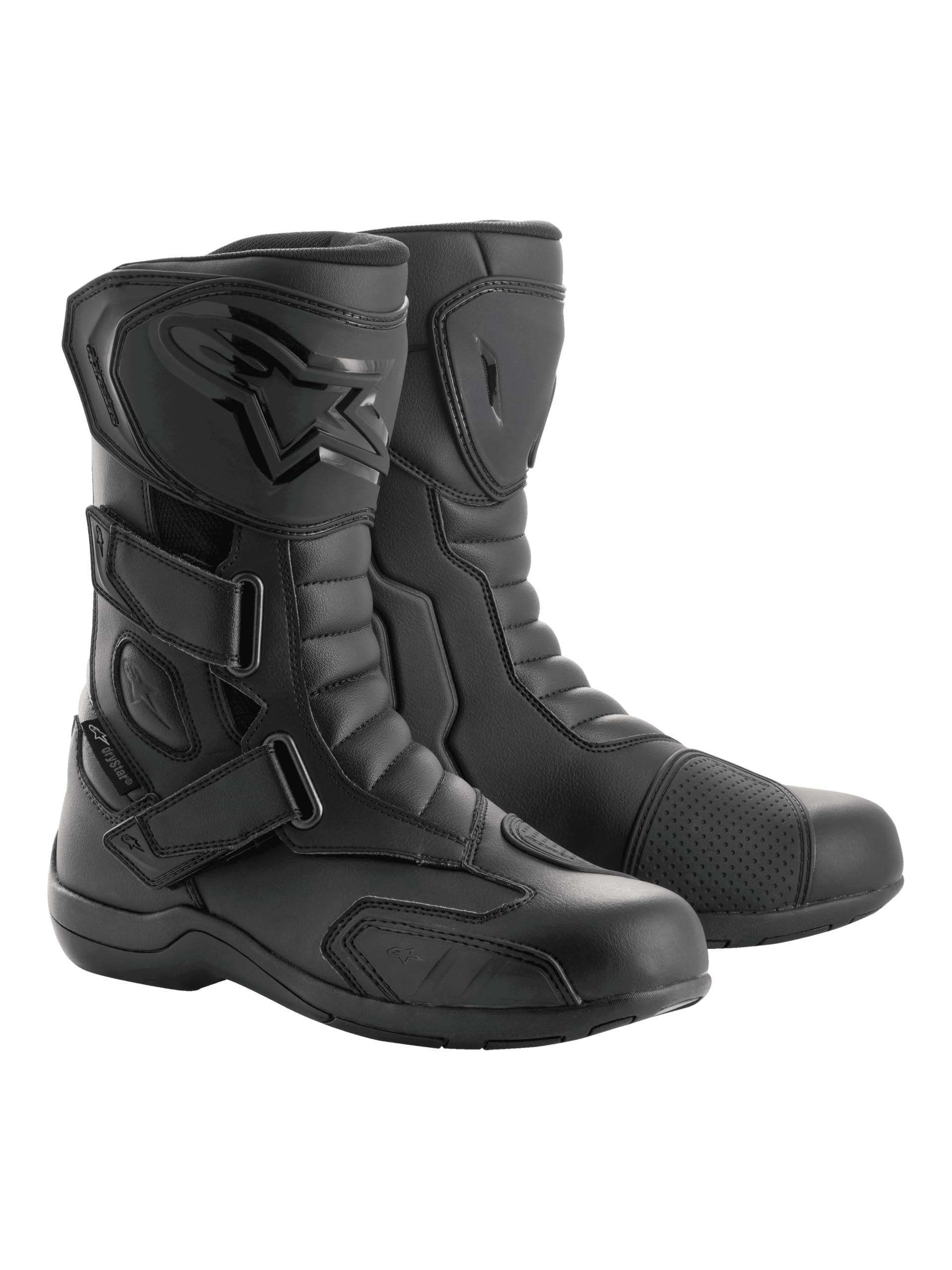
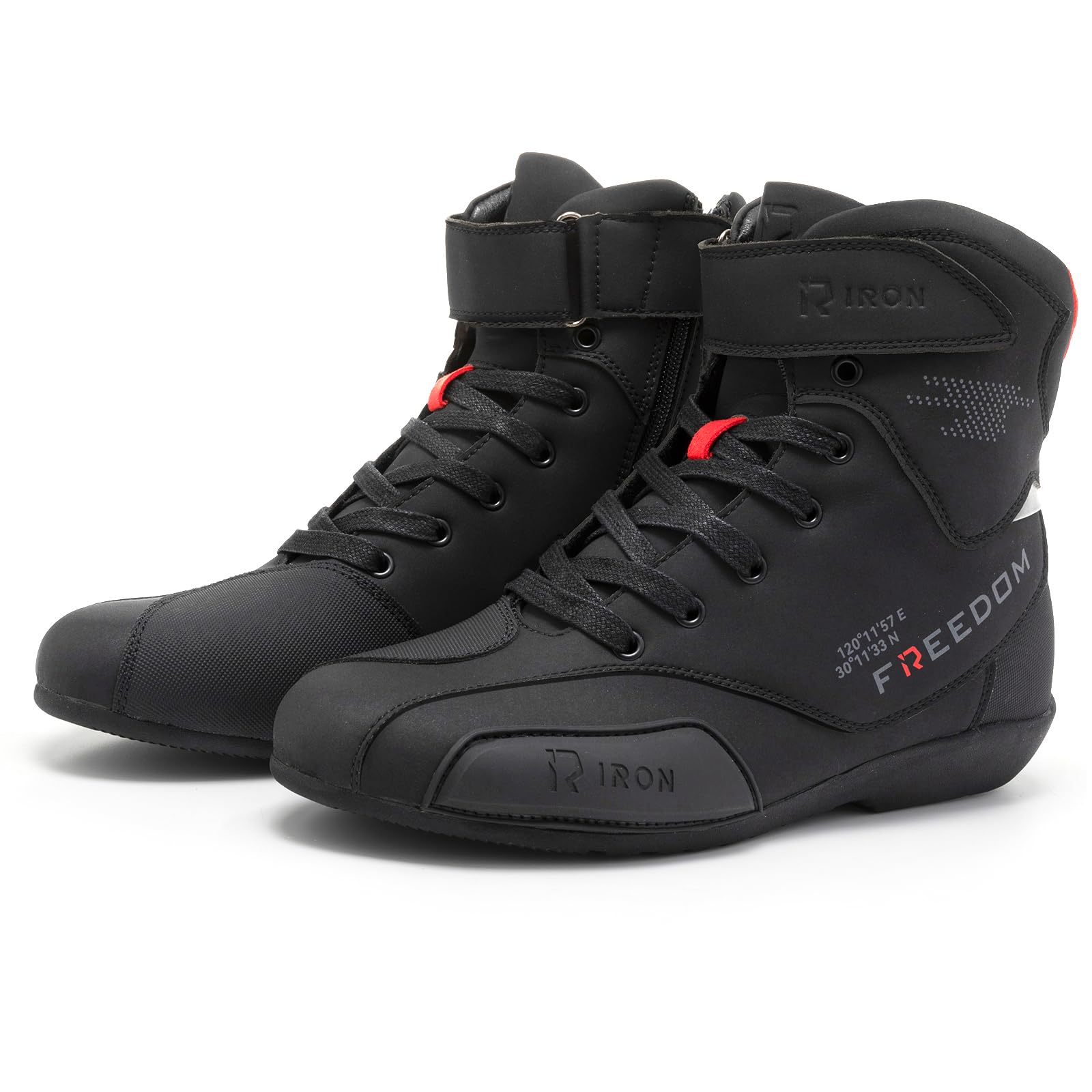
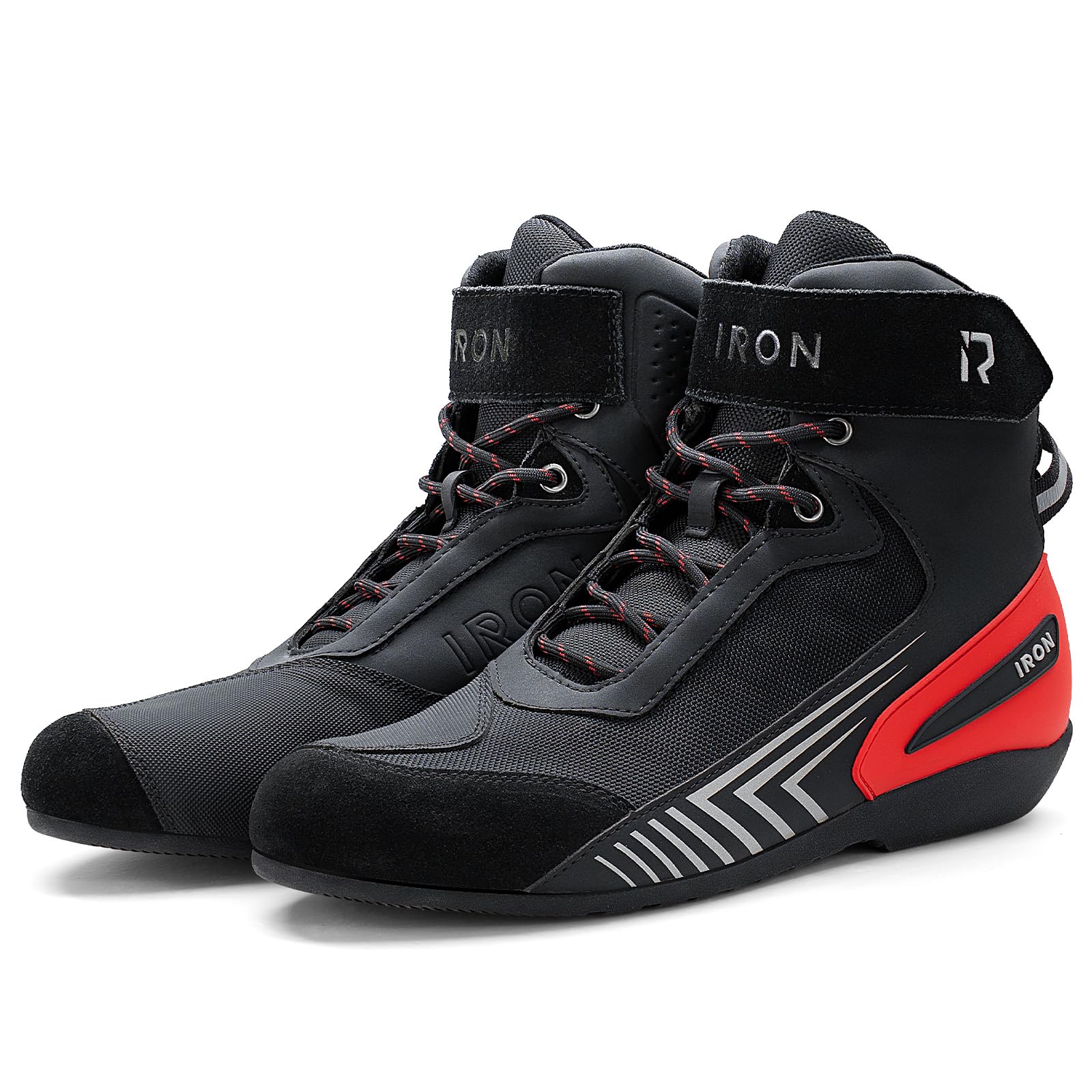
Your feet work the shifter and the rear brake, hold the bike steady at every stop, and sit close to a hot engine. Ordinary shoes leave your ankles exposed and can slip on a peg or pull off in a slide. The best boots to ride motorcycle protect those jobs instead, and the comparison table below shows the styles side by side.
This guide matches boot height, armor, soles and weatherproofing to the way you ride, so you can judge each pair by protection and fit rather than by looks or price alone.




Who Should Buy Which Motorcycle Boots for Riding?
Start with your most common ride, because a boot that suits a short commute can feel clumsy on a long tour. For a broader view first, see our guide to the best motorcycle boots.
Daily Commuters Who Ride in Mixed Weather
You ride short trips often and get caught in rain without warning. Choose a mid height boot with a waterproof membrane, a quick closure, and a sole that grips wet pavement at lights. A style that looks like normal footwear helps, but the ankle armor and reinforced toe should stay, because city traffic is where most low speed drops happen.
Touring Riders Who Spend Long Days on Highways
You stay on the bike for hours, ride through changing weather, and need support when you plant a foot with a loaded bike. Choose a taller boot with strong ankle and shin protection, a firm sole that does not flex on the pegs, and room for thicker socks. Weatherproofing matters more for you than low weight.
New Riders and Casual Weekend Riders
You ride shorter distances in fair weather and are still building habits around gear. Choose a boot that covers well above the ankle, feels natural when you shift, and is comfortable enough that you wear it on every ride. Avoid fashion boots and work boots as substitutes, because they lack armor placed for a slide and soles shaped for pegs.
Key Features to Compare
When you compare the best boots to ride motorcycle, judge protection first, then the sole and closure, then comfort and weather.
Ankle, Heel and Toe Protection in Motorcycle Boots
Look for firm armor over both ankle bones, a reinforced heel cup and a toe box that holds its shape under pressure. Many riding boots carry a CE mark under the EN 13634 standard, with higher levels meaning stronger impact and abrasion results. Armor should sit over the bone and stay there when you flex your foot. If you fall, pain that worsens, swelling, numbness or trouble bearing weight needs prompt medical care, so talk with a clinician about your personal needs.
Sole Grip on Pegs and at Stops
On the peg the sole should sit steady without deep lugs catching when you move your foot to shift or brake. At a stop it should grip painted lines, gravel and wet pavement when the bike leans on one foot. Oil resistant rubber helps in parking lots. A low, defined heel can brace against the peg, while a thick hiking style tread often feels vague.
Shifter Pad and Toe Reinforcement for Motorcycle Boots
Your left toe lifts the shifter hundreds of times on a long ride, and thin leather scuffs, softens and can leave your toes sore. A shifter pad adds a tougher layer over that spot, spreads the pressure of the lever, and slows wear on the upper. Check that the pad edge does not press on your toes when you walk, and that stitching around it is tight and even.
Shaft Height and Closure Security on Riding Boots
Height decides how much of your ankle and shin a boot can shield. Short riding shoes cover the ankle bone, mid height boots resist twisting better, and tall touring boots add shin coverage for highway speeds. The closure must keep that height in place, so test zips, buckles and laces together. Laces should tuck away, because a loose loop can catch on a peg or lever.
Fit, Sizing and Walking Comfort in Motorcycle Boots
Try boots late in the day with your riding socks, when your feet are at their largest. Your toes should move slightly, your heel should lift very little, and no seam should press on your ankle bone. Width matters as much as length, and riders with narrower heels often do better in styles cut for them, so see our guide to the best women's motorcycle boots if standard unisex sizing feels loose at the heel.
Waterproofing, Ventilation and Boot Materials
Leather boots mold to your foot and resist abrasion well, but they need conditioning and dry slowly after a soaking. Textile and synthetic uppers weigh less, break in faster and often cost less, though they may wear sooner at fold points. A waterproof membrane keeps rain out, yet it also holds heat on summer days. Perforated panels suit hot, dry climates and give up rain protection in return.
Motorcycle Boot Styles Compared for Different Riding
Style names tell you how a boot balances protection, walking comfort and weather cover. For pairs built only for time on the bike, see our guide to the best motorcycle riding boots.
Short Riding Shoes for City Trips
These look like sturdy trainers, with hidden ankle discs and a reinforced toe under a low cut upper. They are easy to walk in and popular for short urban rides. The trade off is coverage, because the low shaft leaves your shin open. Choose them for low speed city use, not for highway touring.
Tall Touring and Adventure Boots for Long Distance Riding
Tall boots cover the shin, carry the strongest armor, and usually add a waterproof membrane and buckles that hold the shaft snug. Adventure versions add a grippier sole for standing on pegs and walking on loose ground. They feel stiff at first. Choose this style if you ride far, carry luggage, or face rain and cold on the same trip.
Cruiser Style Boots for Relaxed Riding
Cruiser boots use classic leather styling, a moderate heel and a shaft that ends below the calf. Good versions hide real ankle armor and a shifter pad inside the traditional shape, while fashion copies skip both. They suit relaxed rides and riders who walk at stops. Check the sole, because a smooth leather sole can slide on an oily forecourt.
Common Mistakes to Avoid
Most poor choices come from judging a riding boot like ordinary footwear.
- Buying fashion or work boots without motorcycle armor leaves your ankles unprotected in a slide.
- Choosing a size with clear heel lift lets the boot shift on the peg and can pull off in a fall.
- Leaving laces loose or untucked invites a loop to catch on the shifter or brake lever.
- Picking a deep lug sole for street riding makes foot placement on the pegs feel vague and unstable.
- Ignoring the shifter side upper leads to a worn, soft toe that makes shifting imprecise.
- Buying tall, stiff boots for short city trips alone often means you stop wearing them.
Care and Maintenance for Motorcycle Boots
Brush off road grit after rides and wipe leather with a damp cloth, then let boots dry at room temperature away from direct heat, because hot air can crack leather and weaken glues. Condition plain leather once it looks dry. Newspaper inside a wet boot draws moisture out overnight.
Inspect soles, stitching and closures every few weeks. Replace a boot when the sole separates, the tread is smooth at the ball of the foot, or armor feels cracked or loose. After any crash, check for torn seams and crushed toe or heel areas even when the surface looks fine.
FAQ
How do I choose the right size for motorcycle boots for riding?
Choose the size that holds your heel still while your toes can spread inside your riding socks. Measure both feet in the evening and follow the size chart for the brand, because boot lasts run narrower than trainers. If you fall between sizes, pick the pair that fits the larger foot and add a thicker insole to the other.
How tall should motorcycle boots be for riding protection?
Motorcycle boots should cover the ankle bone fully at a minimum, with taller shafts giving better protection. Height only helps when the top of the boot sits snug, so check the gap at your calf while seated on the bike. Riders who tour at highway speeds gain the most from shin coverage, while city riders often accept a mid height boot they will wear daily.
Are waterproof motorcycle boots too hot for summer riding?
Waterproof motorcycle boots can feel warm in summer, but they are rarely unbearable below very high temperatures. The membrane slows air flow, so your feet heat up most in traffic rather than on open roads. Thin moisture wicking socks make a clear difference here. If most of your riding is in hot, dry weather, a ventilated boot plus a separate rain cover is the cooler plan.
Can I walk all day in motorcycle boots off the bike?
You can walk in motorcycle boots for a few hours, but all day walking suits only the most flexible styles. Stiff soles that support you on the pegs limit how your foot rolls on pavement, and that can tire your calves. Pack light shoes for trips with heavy walking, or choose a short riding style for city breaks.
When should I replace motorcycle boots after a crash or heavy wear?
Replace motorcycle boots after a crash when armor, stitching or the sole structure took any clear impact. Internal armor can crack without tearing the outer material, so press each armor pocket and compare both boots for soft spots. Heavy wear alone is also a reason, since a smooth sole and stretched closure remove the grip and security the boot was bought for.
Wrapping Up
Put protection, sole grip and a secure fit ahead of style and price, then pick the height and weatherproofing that match your usual ride. Commuters need rain cover and easy walking, tourers need height and support, and new riders need a boot they will wear every time.
Use the product table above to compare those points across styles, and your best boots to ride motorcycle choice will come down to the pair that fits your feet, your bike and your weather best.


