
Best Boots for Zookeepers 2026: A Checklist Guide
Disclosure: We may earn a commission when you buy through links on this page, at no extra cost to you. As an Amazon Associate I earn from qualifying purchases. Learn more

Compare boots for zookeepers with a checklist on waterproofing, grip, cushioning, fit, and care for long shifts on wet concrete, mud, and bedding.
Zoo work is hard on footwear in a way that ordinary work rarely is. You hose down enclosures, walk through wet bedding and mud, stand on concrete for feedings and talks, and cover serious distance before lunch. The best boots for zookeepers have to stay dry, grip slick floors, and still feel steady at the end of a long shift.
This guide uses a simple checklist instead of vague claims. You will sort out who needs which boot style, compare the features that matter most on zoo grounds, and spot weak options before you order. Check your shortlist against the comparison table below.

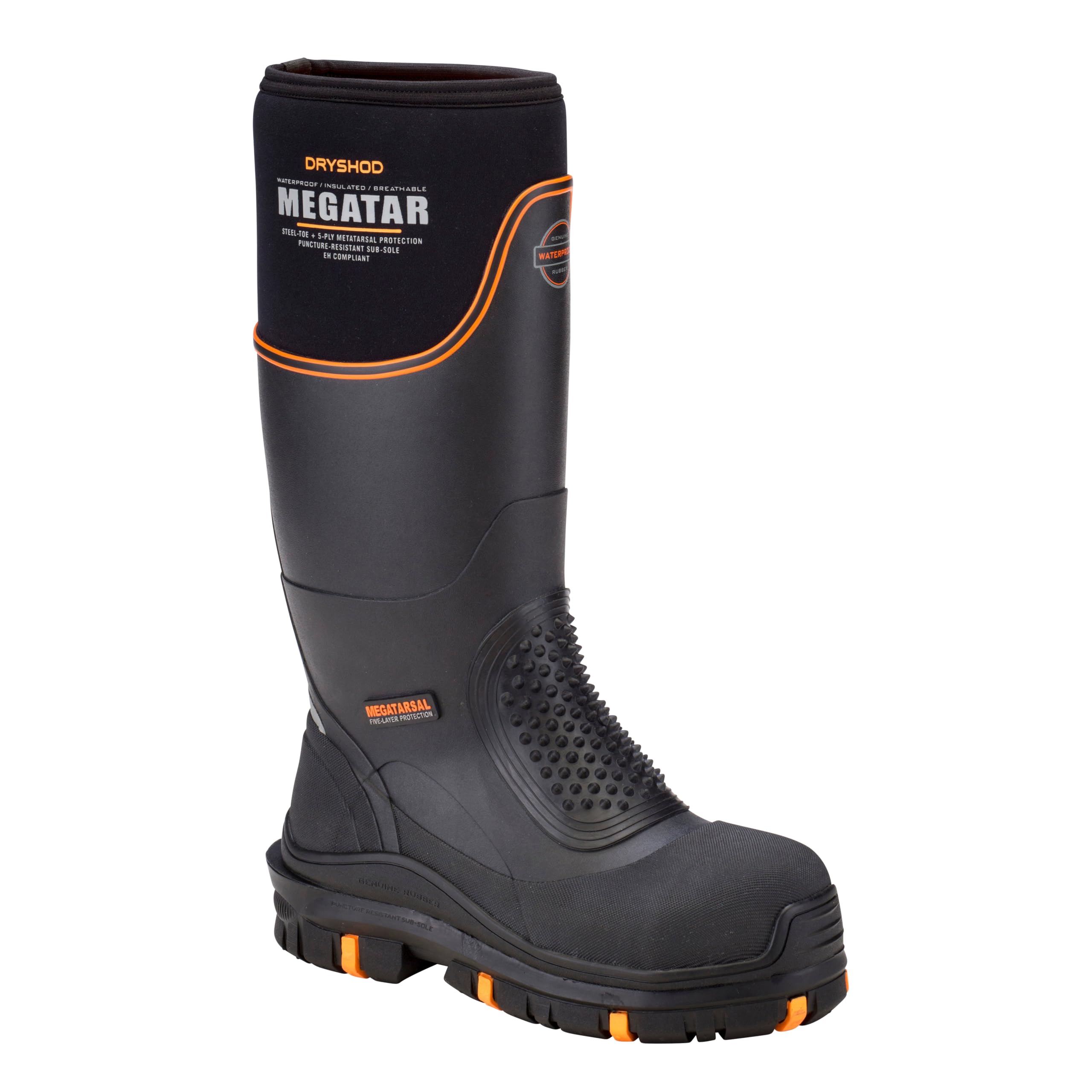


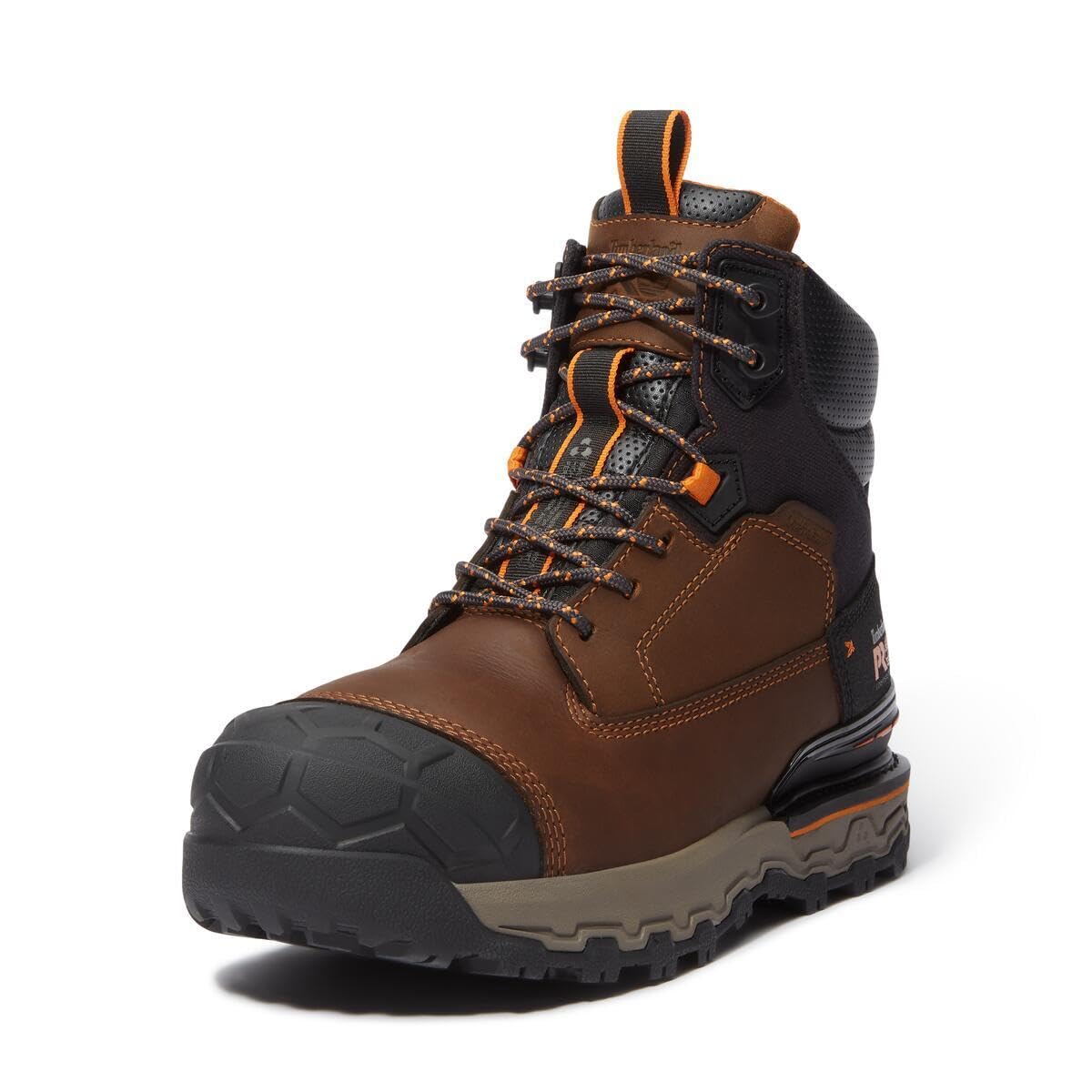

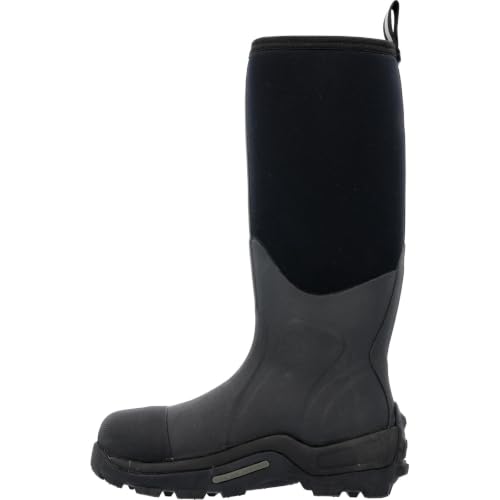
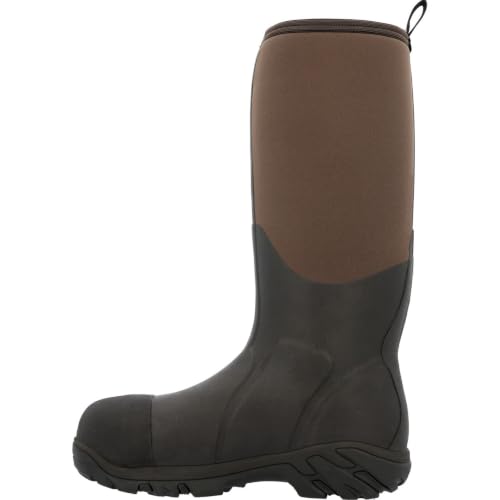

Who Should Buy Which Style of Boots for Zoo Work?
Your section of the zoo decides more than fashion does. Match the boot to your surfaces, water, and animals.
Keepers on Wet Washdown and Hose Down Routes
If your shift starts with hosing enclosures and standing in runoff, waterproof protection comes first. Choose a taller shaft that keeps splashes out, sealed seams around the sole, and an upper you can rinse clean at the end of the day. A shallow tread that sheds water on smooth concrete will serve you better here than deep lugs that hold wet bedding.
Keepers Walking Hard Ground Between Enclosures All Shift
Keepers who move between houses, kitchens, and yards all day need cushioning and stability above everything else. Look for a firm midsole, a moderate heel to toe drop of about 8 to 12 mm, and enough arch support to keep your feet from tiring by mid afternoon. A lighter boot also helps, since extra weight adds up over thousands of steps on pavement.
Keepers Working Mud, Bedding, and Uneven Outdoor Yards
Outdoor yards add mud, gravel, and slopes to the mix. You need deeper lugs that bite into soft ground, a shaft high enough to keep bedding and grit out, and a snug heel that stops your foot sliding on slopes. If your facility asks for a safety toe near large hoofed animals, confirm the rating your safety officer requires before you buy.
Key Features to Compare
When you compare the best boots for zookeepers side by side, score each pair on the factors below. A boot that fails on any one of them will annoy you daily, so look for balance that fits your route.
Waterproofing and Breathability for Washdowns and Warm Houses
A waterproof membrane such as Gore Tex keeps hose water and rain out while letting some sweat vapor escape, and that balance matters in warm animal houses. Fully sealed rubber sheds water even better but breathes less, so socks may feel damp from sweat on hot days. Choose a breathable membrane if you move between wet and dry areas, and a fully sealed boot if you stand in water for long stretches.
Outsole Grip on Wet Concrete, Mud, and Bedding
The outsole is the rubber layer under the boot, and its tread pattern decides how secure you feel on each surface. Fine, closely spaced tread grips smooth wet concrete because more rubber stays in contact with the floor. Widely spaced lugs clear mud instead of packing up and turning slick. Many keepers do best with a mixed pattern, flatter in the center for concrete and chunkier at the edges for yards.
Cushioning, Stability, and Arch Support for Long Shifts
Cushioning softens each step on concrete, but very soft foam can feel wobbly when you carry feed buckets or push a loaded cart. Stability comes from a wider base, a firm heel cup, and a midsole that resists twisting, while neutral designs suit keepers whose feet roll neither inward nor outward much. Your arch should feel held in the boot, not pressed upward sharply.
Fit and Toe Room in Boots Worn Over Thick Work Socks
Measure and try boots late in the day, when your feet are at their largest after hours of standing. Wear the sock you plan to work in, leave about a thumb width in front of your longest toe, and check that your heel lifts only slightly as you walk. A roomy toe box lets toes spread on concrete, but the midfoot should feel secure so your foot does not slide forward on slopes.
Shaft Height, Ankle Support, and Protection Around Animals
A taller shaft keeps bedding, gravel, and splash water out and supports your ankle on uneven yards, while a shorter boot feels cooler and flexes more easily. Reinforced toes help against scuffs from gates and curbs. If a kick or a dropped object leaves you with severe pain, swelling, numbness, or trouble bearing weight, get medical care promptly and talk with your clinician about your own needs before returning to heavy duties.
Weight, Flexibility, and the Break In Period
Heavy boots protect well but tire your legs, and stiff soles can fight you when you crouch to clean or lock gates. Flex the boot by hand: it should bend at the ball of the foot, not fold in the middle of the arch. Leather uppers often need one to two weeks of shorter wears before they soften, while synthetic uppers feel comfortable sooner.
A Quick Buyer Checklist Before You Order Boots for Zoo Work
Run through these questions with your route in mind. A yes on most lines means the pair deserves a closer look.
- Does the waterproof level match the deepest water and longest washdowns on your route?
- Does the tread suit both wet concrete indoors and the softest ground you cross outdoors?
- Can you stand in the boots for ten minutes without heel ache or arch fatigue starting?
- Is there a thumb width of room in front of your toes with your work socks on?
- Does the shaft height keep out the bedding and grit you meet most often?
- Do the boots meet any safety toe or slip rating your facility requires in writing?
- Can you rinse the upper clean and dry the pair fully before your next shift?
- Does the return window cover a full indoor trial at home before you wear them outside?
Treat vague listings as a warning sign. Be cautious when a seller gives no membrane name, no outsole description, and no clear sizing chart, or when reviews mention the same leak again and again. Clear specifications and a fair return policy tell you more than bold claims.
Common Mistakes to Avoid
- Buying fashion leather boots for washdown work, because unsealed seams leak and the leather stays heavy and soggy all shift.
- Choosing deep hiking lugs for mostly indoor routes, because packed bedding makes the tread slick on smooth concrete.
- Sizing boots first thing in the morning, because your feet swell during the day and the pair feels painfully tight by afternoon.
- Ignoring your facility safety rules, because a boot without a required toe rating may be refused on the yard.
- Wearing a brand new pair for a full double shift, because stiff areas rub blisters before the upper has softened.
- Judging price alone, because a cheap pair that leaks in month two costs more than a sound pair that lasts the year.
Care and Maintenance for Boots Worn Around Animals
Rinse mud, manure, and bedding off your boots before it dries, since dried waste holds moisture against seams and stitching. Use a soft brush and plain water for daily cleaning, and wash removable insoles separately so odor does not build up inside. Check the tread each week and pick out packed grit, because a clogged outsole grips poorly even when the rubber is still good.
Dry wet boots at room temperature with the insoles out, away from direct heat that can crack leather and weaken glues. Condition plain leather once it looks dry and pale, and reproof coated fabrics when water stops beading on the surface. Rotating two pairs across the week gives each pair a full day to dry, which extends the life of both pairs.
Frequently Asked Questions
What features matter most in boots for zookeepers on mixed indoor and outdoor routes?
Outsole grip and waterproof balance matter most on mixed routes. You cross wet concrete, dry corridors, and mud in a single round, so a mixed tread and a breathable membrane suit that pattern better than extremes at either end. One extra check helps: a slightly beveled heel feels steadier when you step down from curbs carrying buckets.
Do zookeepers need waterproof boots for every shift?
Zookeepers who hose enclosures or work outdoors in rain need waterproof boots for most shifts. Keepers based in dry houses or food prep rooms may stay more comfortable in a breathable non waterproof boot, since membranes add warmth. A practical compromise is one sealed pair for wet rotations and one lighter pair for dry days.
How long is the break in period for new leather boots for zookeepers?
Most leather boots for zookeepers feel settled after one to two weeks of gradual wear. Start with short tasks and days off between wears, then build toward a full shift as stiff spots soften. Thick work socks and a small piece of tape over a hot spot can prevent a blister while the heel area shapes to your foot. Synthetic boots usually need only a day or two.
How often should zookeepers replace work boots?
Zookeepers should replace work boots when the tread looks smooth in the heel and ball areas, the midsole feels flat, or the upper leaks despite reproofing. For many full time keepers that point arrives around 12 to 18 months, sooner on rough yards. Photograph the soles when new, so later wear is easy to judge.
Are higher priced boots for zookeepers worth paying more for?
Higher priced boots for zookeepers can be worth it when the extra money buys a named membrane, replaceable insoles, and stronger stitching. Price alone proves nothing, since some costly fashion boots leak quickly in washdown work. Compare cost per month: a pair at about $180 lasting 18 months beats a pair at about $90 replaced twice in that period.
Final Thoughts
Start with your route, not with a brand name. Grip for your floors, waterproofing matched to your wettest task, and a fit checked late in the day will decide your comfort more than any feature claim. Use the checklist and trial new pairs indoors first, and your best boots for zookeepers choice should hold up through seasons of zoo work. Compare your finalists in the product table above before you order.


