
Best Boots for Wilderness Survival: How to Choose by Budget in 2026
Disclosure: We may earn a commission when you buy through links on this page, at no extra cost to you. As an Amazon Associate I earn from qualifying purchases. Learn more

Budget tiers, fit, traction and waterproofing shape the best boots for wilderness survival on remote trips and rough ground.
Prices for survival ready footwear stretch from under $100 to well past $300, yet price alone says little about protection far from a road. Choosing the best boots for wilderness survival means matching budget to terrain, load, and how long help could take to reach you. Spend first on fit and traction, because a blister or fall ends a trip faster than a missing luxury feature.
This guide sorts boots by budget tier and by the job each tier does well, so you can see where extra money buys real durability. Use the comparison table below to narrow your price range, then work through the fit, outsole, and waterproofing checks that follow.


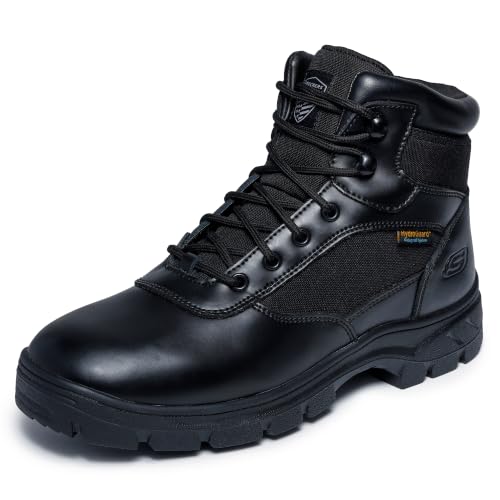
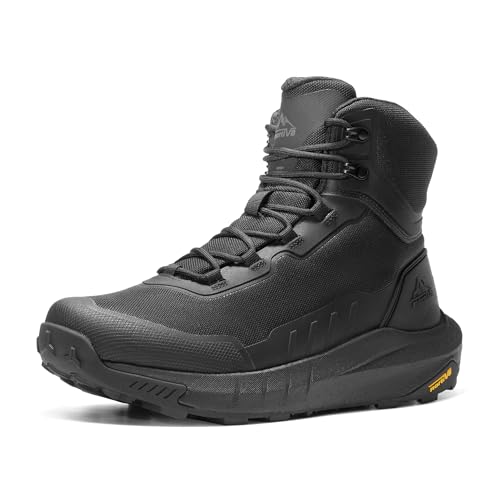

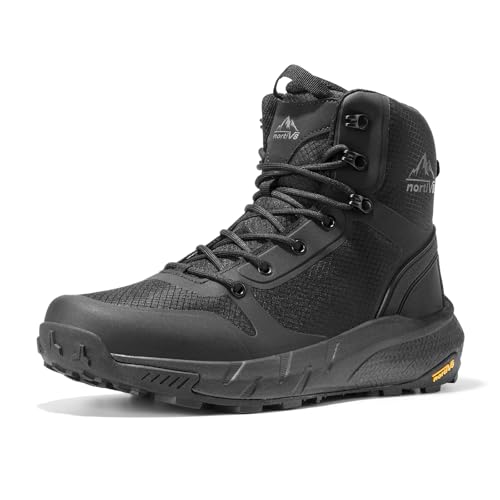


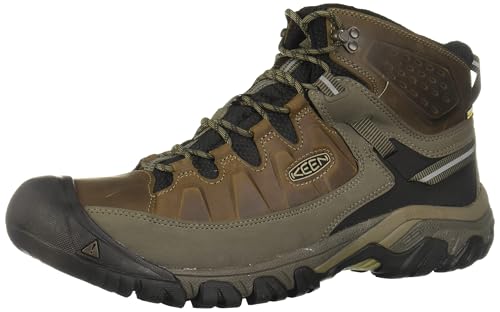
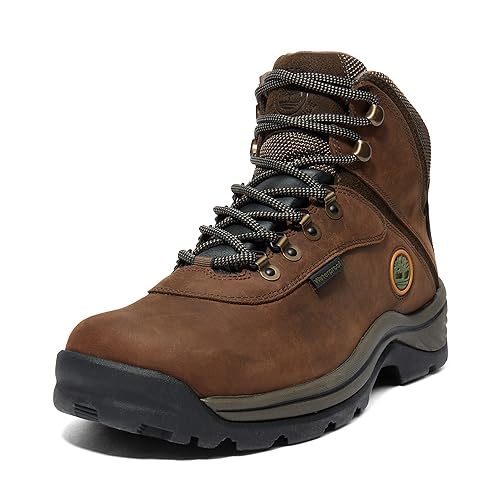
Who Should Buy Which Kind of Wilderness Survival Boot?
Backcountry Travelers Who Spend Days Away From Roads
If you hike or work where a twisted ankle means a long walk out, you need a protective toe, a sole stiff enough to blunt sharp rock, and steady ankle support. A midweight pair in the middle tier balances support with a weight your legs can handle all day, so prioritize roomy fit and proven grip.
Hunters and Bushcraft Users Who Move Off Trail With a Load
Brush, mud, and fallen timber punish thin uppers and shallow lugs, and a heavy pack magnifies every weak point. Look for taller shafts that keep out debris and outsoles that bite on wet wood and loose soil. Many readers pair footwear planning with our guide to the best survival axe and our guide to the best survival saws for their woods kit.
Preparedness Buyers Building a Kit for Remote Work and Emergencies
If your boots will sit in a truck kit or cabin closet until an emergency calls, reliability after storage matters as much as trail comfort. Choose full grain leather or a sturdy synthetic upper, store the pair clean and dry, and walk in it monthly to confirm the fit. For a wider view of this role, see our guide to the best survival boots.
What Your Money Gets You at Each Price Tier for Survival Boots
Budget tiers here map to materials and construction more than to brand prestige. The tiers below describe types of boots, not named models.
Budget Tier: Honest Basics for Short Trips and Spare Pairs
Boots at about $80 to $130 usually pair synthetic uppers with cemented soles, basic foam cushioning, and a waterproof membrane on some models. They work for day trips, vehicle kits, and spare pairs at a cabin. The trade off is lifespan, since glued soles wear faster under heavy loads.
Mid Tier: Durability and Support for Regular Backcountry Use
Boots at about $130 to $220 are where most wilderness buyers get the best value, with leather and synthetic uppers, firmer midsoles, deeper lugs, and more reliable waterproofing. This tier supports multi day packs and rough trails without the weight of the heaviest designs. Start here if you travel remotely several times a year.
Premium Tier: Stronger Materials for Long and Remote Routes
Boots at about $220 to $350 use thicker leather, stiffer shanks, premium rubber, and construction a cobbler can often resole. That spending pays off on long expeditions and heavy load hauling, where a failure costs more than the price gap. The downsides are weight and a longer break in period.
Key Features to Compare
When you compare the best boots for wilderness survival across tiers, judge the features below in this order, because fit and grip decide safety first. One caution: persistent numbness, sharp joint pain, or a blister with spreading redness, warmth, or fever needs prompt medical care rather than a change of socks, and you should talk with your clinician about personal foot needs before long remote trips.
Fit, Sizing, and Toe Box Room for Feet That Swell
Feet swell during long days under load, so a survival boot must hold your heel firmly while leaving space ahead of your toes. Measure both feet late in the day, wear your hiking socks for the fitting, and allow roughly a thumb width before your longest toe. A wide toe box lets toes spread for balance on descents, while a snug midfoot stops sliding that causes blisters.
Outsole Traction and Lug Depth for Rough Terrain
The outsole is your only contact with mud, wet rock, and loose scree, so its pattern matters more than its brand name. Lugs of about 4 to 6 mm with wide spacing shed mud and grip soft ground, and a defined heel breast helps you brake on steep descents. Firmer rubber lasts longer on rock, while softer rubber grips slick surfaces better but wears sooner.
Waterproofing, Gore Tex Membranes, and Breathability
A waterproof membrane such as Gore Tex keeps creek water and wet brush from soaking your socks, and dry feet resist blisters and lose less heat. The trade off is airflow, since membranes vent sweat more slowly than open mesh, so breathable boots can feel better in hot dry country. Match the choice to your climate: membranes for cold wet regions, breathable boots for deserts.
Cushioning, Arch Support, and Heel to Toe Drop
Cushioning absorbs repeated impact on rocky descents, and arch support spreads load so your feet tire more slowly under a pack. Most survival boots use a heel to toe drop of about 8 to 12 mm, which suits loaded walking in traditional boots. A firmer midsole with a shank protects against stone bruising better than a soft thick sole, and a removable insole leaves room for orthotics.
Upper Strength, Ankle Support, and Weight on Your Legs
Uppers take the abrasion that brush, rock, and camp work deliver daily, so full grain leather and dense woven synthetics outlast thin mesh here. A shaft height of about 6 to 8 inches supports the ankle on side slopes and keeps grit out, while a padded collar reduces rubbing. Aim for the lightest pair that still protects you, because heavy boots raise fatigue mile after mile.
Choosing Survival Boots by Terrain and Trip Length
Terrain should narrow your shortlist before price does. For dry rocky country, prioritize sole stiffness, toe protection, and breathable uppers. For wet forest and bog, choose taller waterproof boots with deep lugs. For snow, look for insulated models with room for thick socks. Trip length then sets your tier: a weekend route tolerates a budget pair, while a week far from resupply justifies stronger construction.
Ownership Costs Over Years of Backcountry Use
The purchase price is only part of what a pair costs over its life. Budget for quality wool blend socks, replacement laces, and a waterproofing treatment for leather each season. Insoles usually compress within a year and cost far less than new boots. Resoleable premium boots spread their price across more seasons, while cemented budget soles end the life of the boot once smooth. Many kit builders also keep a light source with spare socks, and our guide to the best survival lighters suits that kit.
Common Mistakes to Avoid
- Buying boots in your street shoe size, so your toes jam against the front on the first long descent.
- Choosing the cheapest pair for a remote multi day trip, so a separated sole becomes an emergency far from help.
- Wearing brand new boots on a long trip, so stiff materials raise blisters by the second day.
- Picking deep lugged winter boots for desert travel, so trapped heat and sweat soften skin and cause sores.
- Ignoring a hot spot during the first mile, so a small rub grows into a blister that changes your walk.
- Storing wet boots beside a heater, so leather cracks and adhesives weaken before the next trip.
Care and Maintenance for Wilderness Survival Boots
After each trip, knock off dried mud, pull the insoles out, and loosen the laces so air reaches the inside. Stuff damp boots with newspaper and dry them at room temperature, because direct heat can crack leather and loosen glued soles. Clean leather with a soft brush and mild soap, then apply conditioner once dry. Store pairs upright in a cool dry place.
Frequently Asked Questions
What features matter most in boots for wilderness survival when money is tight?
Fit and traction matter most, so spend on those before insulation or premium leather. A boot that holds your heel, leaves toe room, and grips wet ground beats a feature rich pair that fits poorly. Pick the simpler boot with the better fit and add a quality insole later, because you can upgrade an insole but not a boot shape.
Do wilderness survival boots need to be waterproof for creek crossings?
No, waterproof boots only help when water stays below the top of the shaft. Once water pours over the collar, a membrane boot holds it inside and dries slowly, while a breathable boot drains as you walk. For repeated deep crossings, many hikers choose breathable boots and quick drying socks instead.
How should wilderness survival boots fit when you use a heel lock lacing method?
They should feel snug at the heel and midfoot, with clear space ahead of your toes on a slope. A heel lock uses the top extra eyelet to form a small loop on each side, pulling the heel back without crushing your forefoot. If your heel still lifts noticeably each step, the size is wrong.
Can wilderness survival boots be worn all day on long hikes?
Yes, wilderness survival boots are built for all day wear once broken in and paired with moisture managing socks. Plan short stops to air your feet, and swap to dry socks at midday if your feet have been wet, because damp softened skin blisters easily. Loosen laces fully at camp so feet recover overnight.
How often should wilderness survival boots be replaced?
Replace them when signs point to lost protection rather than by a fixed date. Smooth lugs that slip on ground they once gripped, a midsole that feels flat and harsh, and cracked uppers at the flex point all signal the end. Inspect your pair after every major trip and retire it before remote routes.
Our Verdict
Start with fit, then traction, then the waterproofing choice that matches your climate, and let those answers set your budget tier. Whichever tier you choose, the best boots for wilderness survival are the pair you fitted carefully and checked against the product table above.


