
Best Boots for Walking on Ice: Pick by Routine 2026
Disclosure: We may earn a commission when you buy through links on this page, at no extra cost to you. As an Amazon Associate I earn from qualifying purchases. Learn more

Find boots for walking on ice that match your routine, with guidance on grip, fit, insulation, and care for icy sidewalks, paths, and winter yards.
No single boot suits every icy walk, so the best boots for walking on ice depend on how far you walk, how cold it gets, and whether you face packed snow, clear ice, or slush. A short walk to a car needs different grip and warmth than a long walk across an untreated yard or a frozen trail. The comparison table below can help you compare the main types side by side before you look at prices.
This guide groups boots by routine, explains the features that matter on ice, and lists the mistakes that most often lead to a poor purchase. Use it to match a boot to your real winter days, not to a single icy photo or a single grip claim.
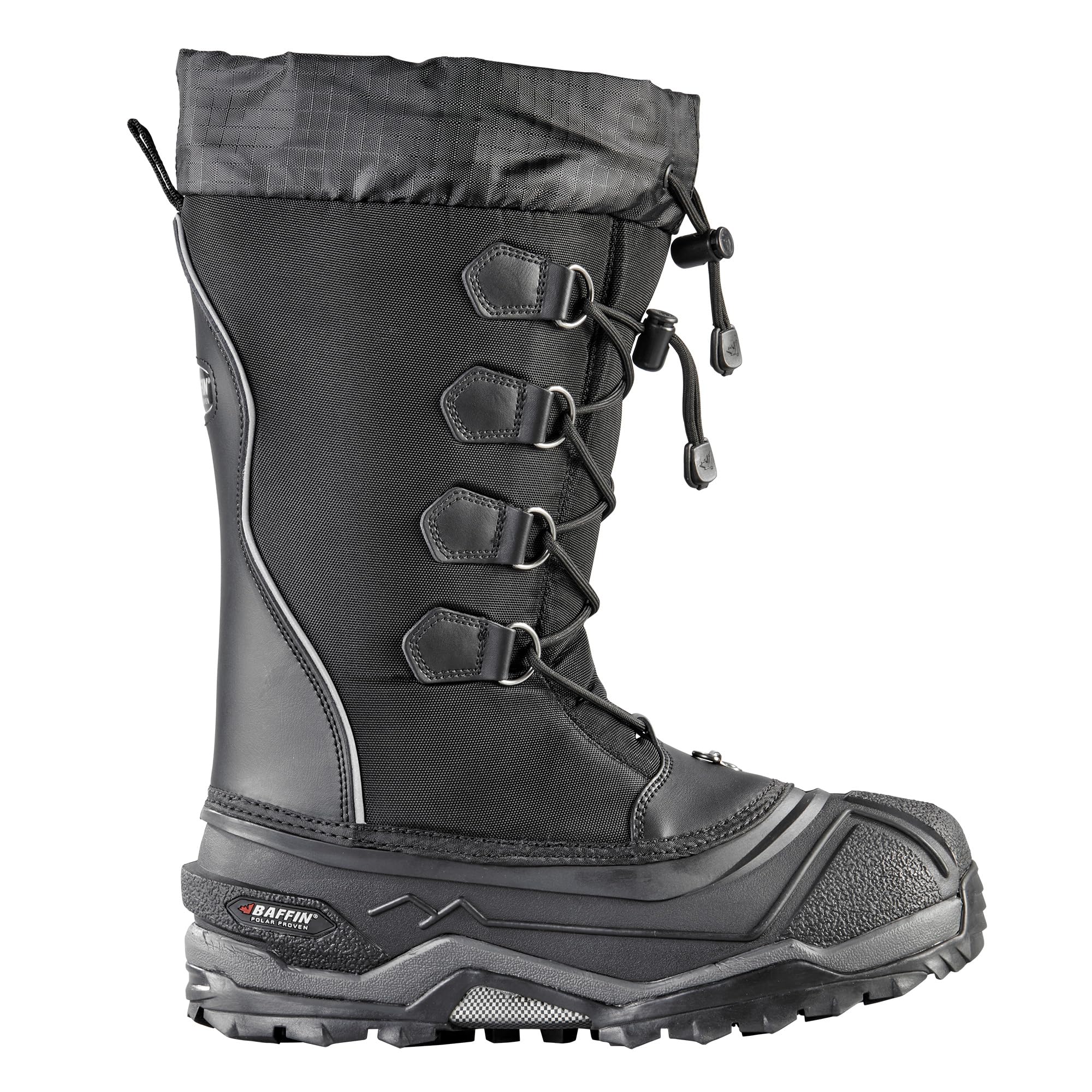

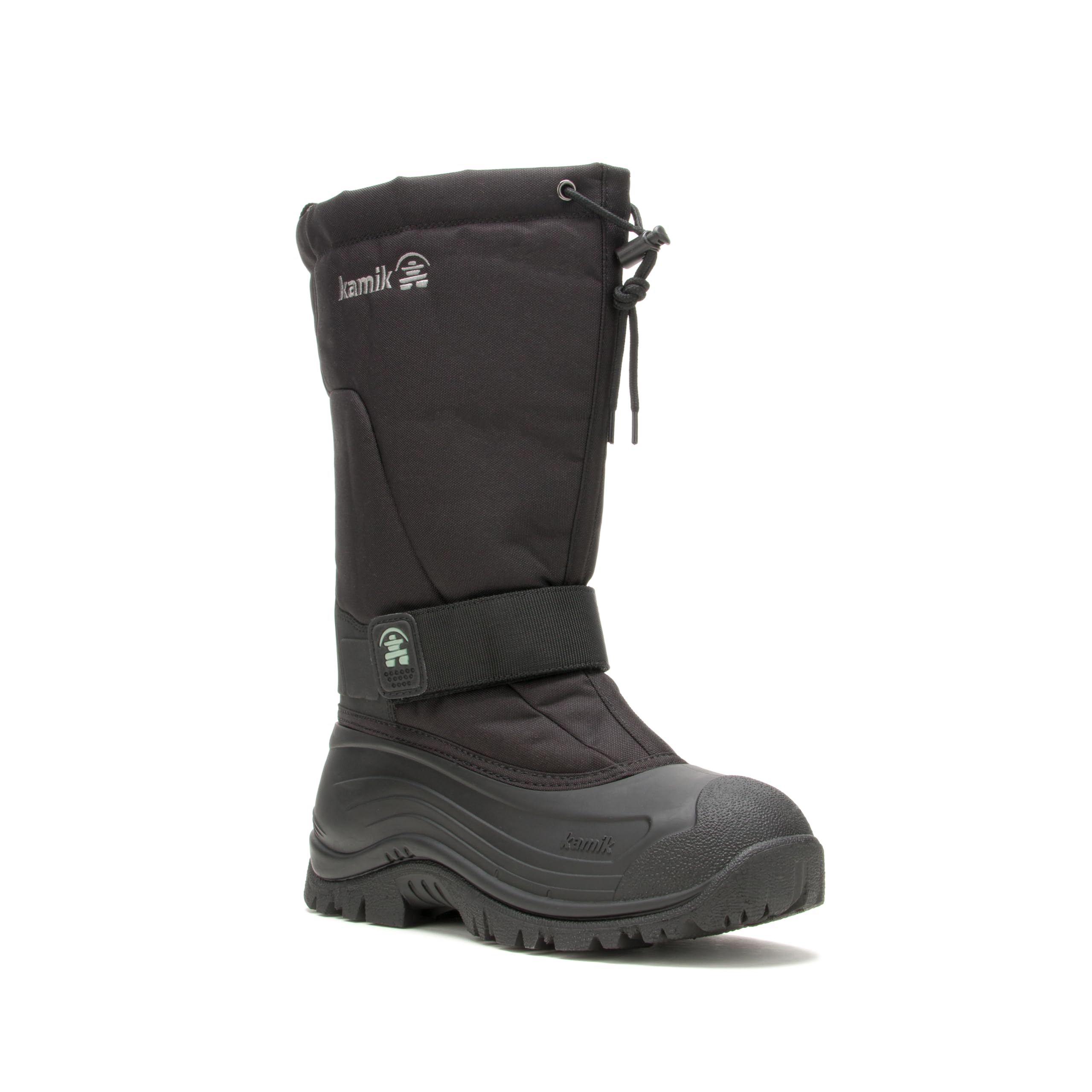
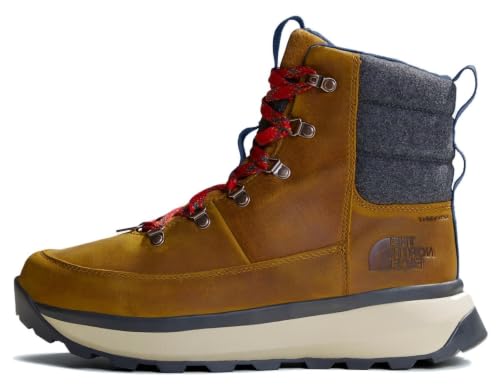

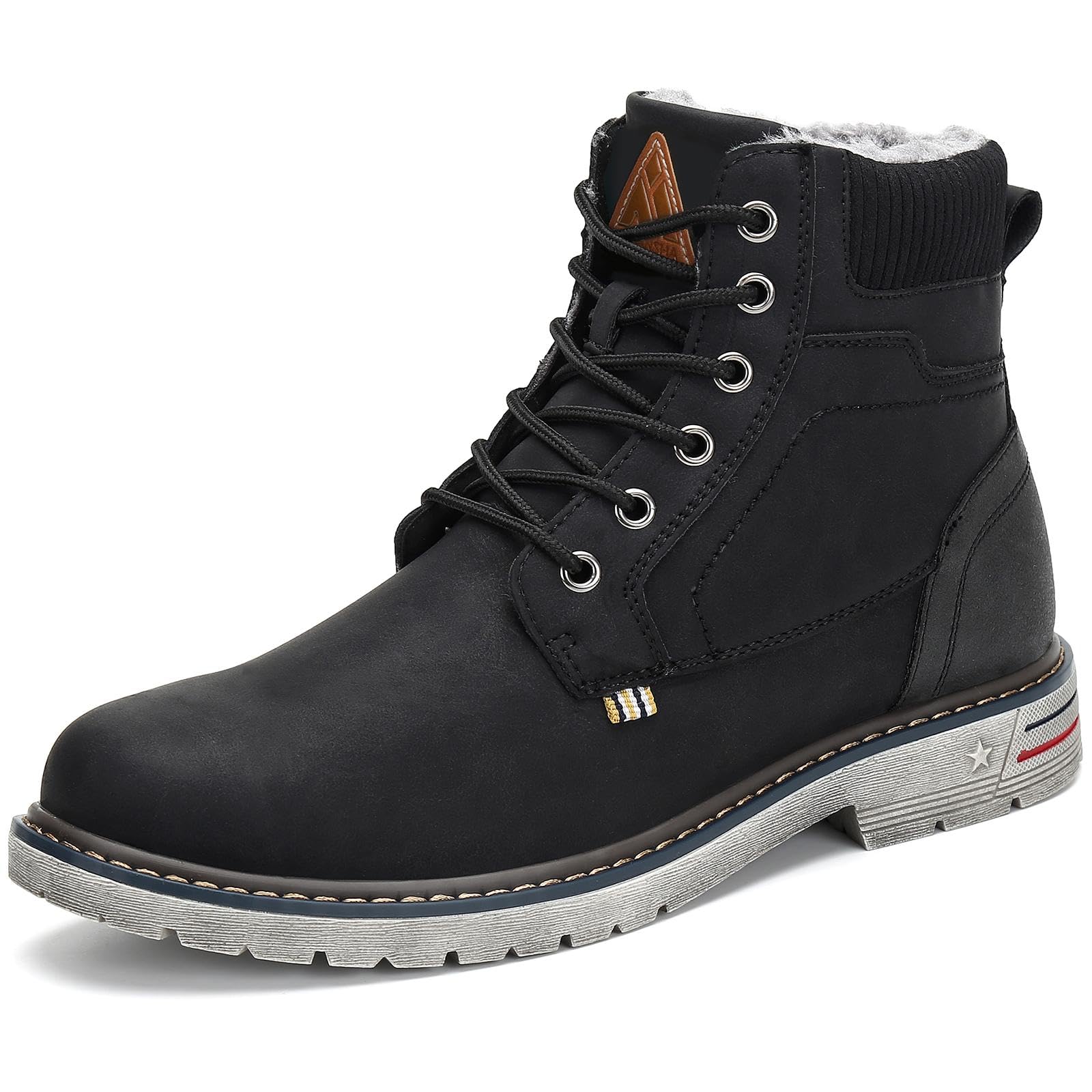
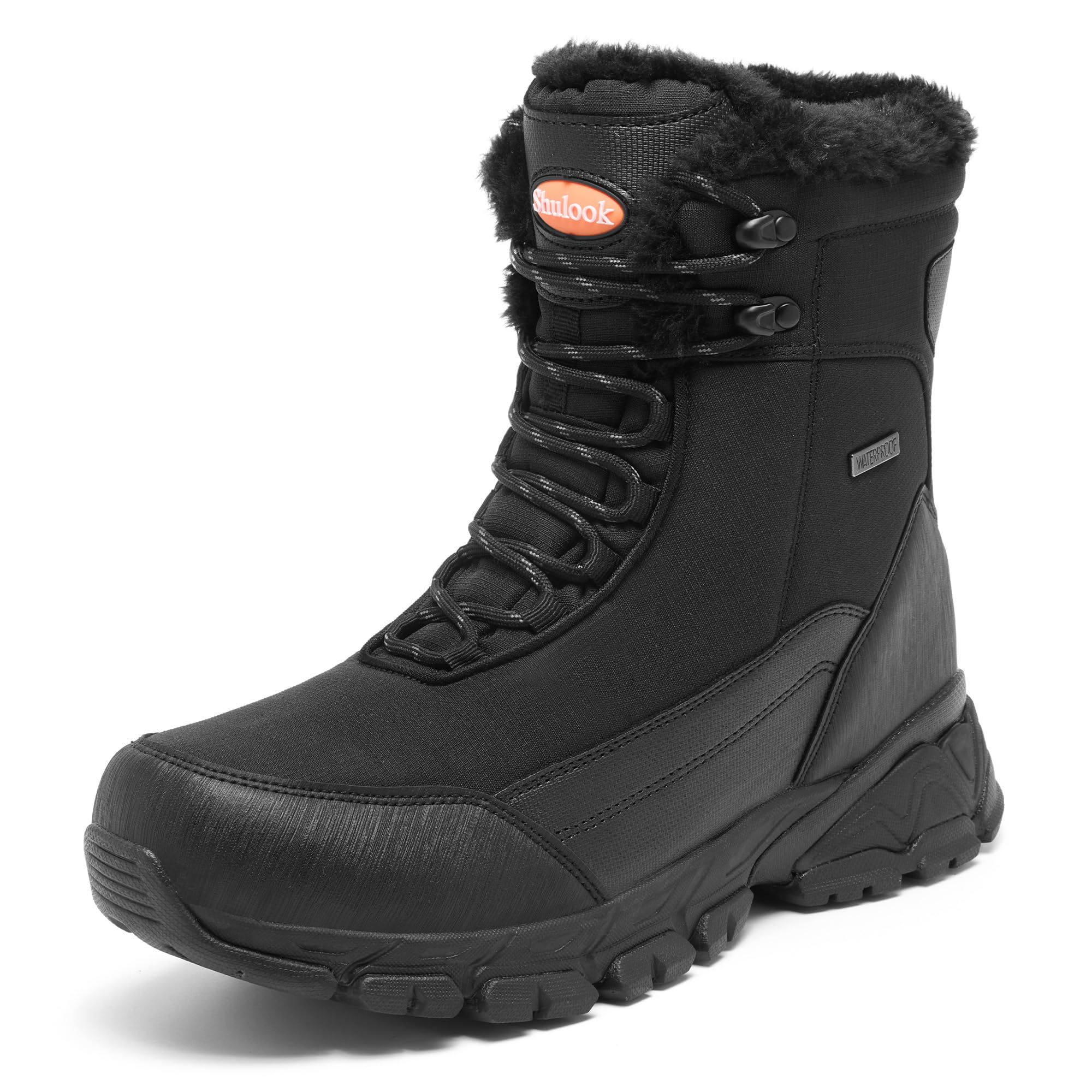
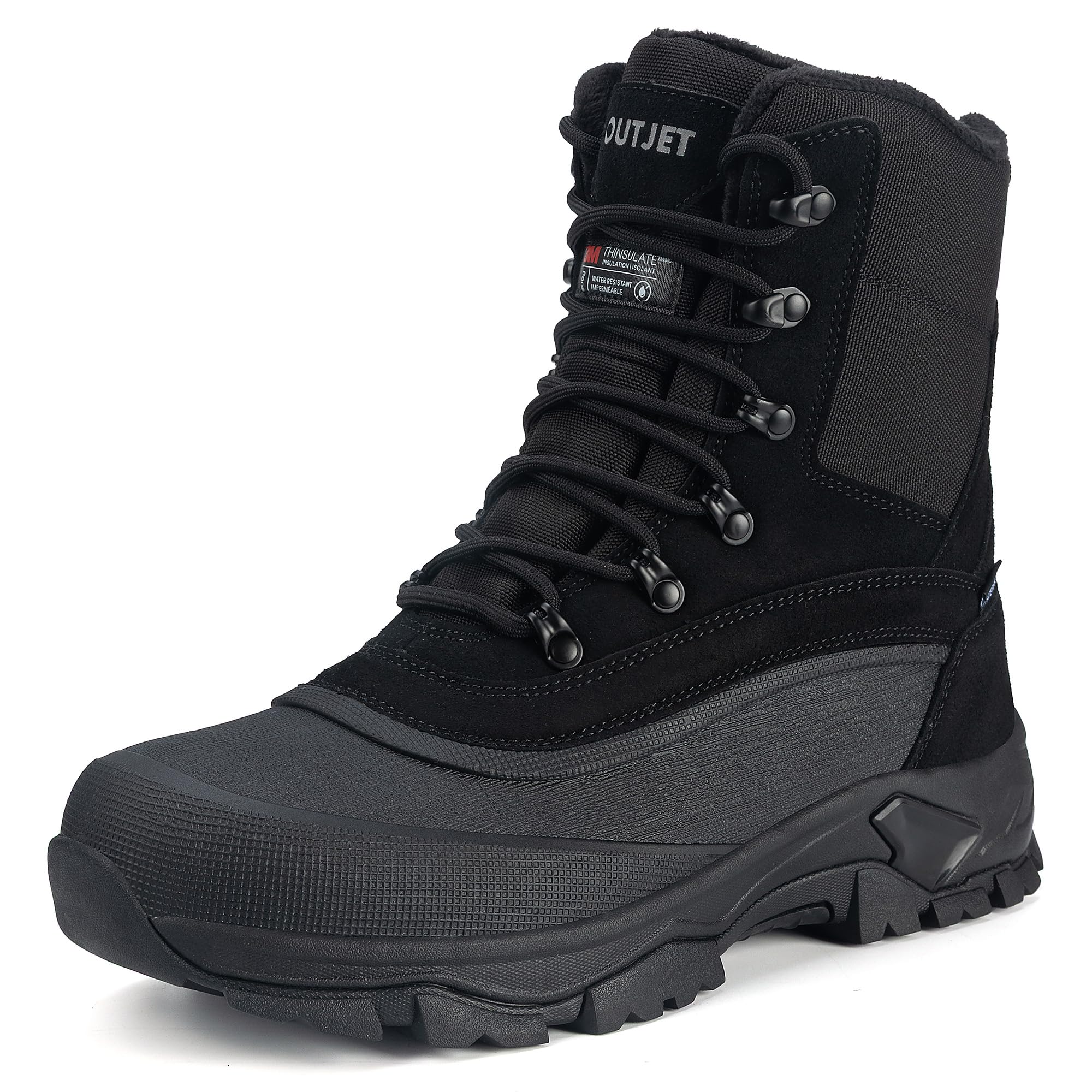
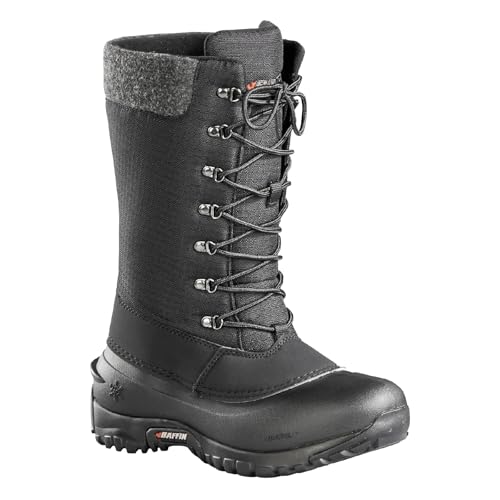
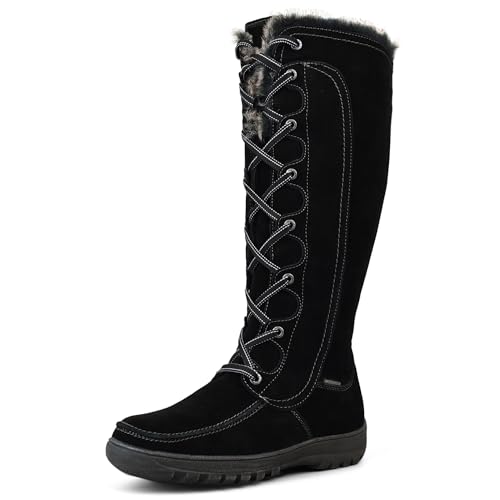
Who Should Buy Which Boots?
Start with your routine, because grip, warmth, and weight trade off against each other. A boot built for short, treated walks can feel too light on rough ice, while a heavy winter boot can feel clumsy for a quick errand.
For Short Trips on Treated Paths
Short trips on salted sidewalks and cleared paths need reliable grip, easy on and off access, and enough warmth for brief cold exposure. Look for a flexible sole with a tread that bites on smooth ice, a snug ankle, and a closure you can manage with gloves. Heavy insulation matters less here, so a lighter boot may feel more natural for quick errands.
For Frequent or Serious Users
Frequent winter walkers need durable soles, strong seams, and insulation that holds up through repeated cold exposure. Check that the sole compound stays flexible in cold weather, since a sole that hardens in the cold can lose grip just when you need it most. For longer walks in deep cold, see our guide to the best winter boots for walking on ice when you compare insulation levels and shaft heights.
For Weekend Beginners
Weekend beginners do best with a simple, forgiving boot that is easy to fit, easy to clean, and comfortable for moderate walks. Avoid overly stiff boots or complex closures until you know how much winter walking you will actually do. A clear size guide, a roomy toe box, and a sole that feels steady on a test walk matter more than extra features you may never use. If you only walk on weekends, a boot that is easy to store and quick to dry may matter as much as heavy insulation.
For Bad Weather and Tough Conditions
Bad weather walking calls for waterproofing, taller shafts, and soles built for packed snow and ice. Look for sealed seams, a gaiter friendly collar, and a tread that sheds slush rather than packing it flat. For work in yards and on job sites, see our guide to the best work boots for walking on ice when you need tougher uppers and site appropriate protection.
Key Features to Compare
Ice walking rewards a different set of features than ordinary winter walking. Grip on smooth ice, sole flexibility in cold weather, and a fit that lets you walk carefully without slipping all matter more than bulk alone.
Fit, Sizing, and Toe Box
Measure your feet in the afternoon and wear the thick socks you will use on icy days. A roomy toe box lets your toes spread for balance, while a snug heel keeps your foot steady when you shorten your stride on ice. Test the fit on a short indoor walk first, checking for pressure at the ankle and the top of the foot.
Features That Matter for Walking on Ice
Grip on ice comes from a sole compound that stays soft in cold weather, a tread pattern with many small edges, and a contact area that stays flat on smooth surfaces. Some boots add removable traction aids, which can help on clear ice but need care on indoor floors. For the widest range of icy and snowy ground, see our guide to the best boots for walking on ice and snow when you compare sole designs for mixed conditions.
Arch Support and Foot Type
Flat feet, high arches, and a tendency to roll inward each change how stable you feel on a slippery surface. A removable insole lets you adjust support without changing the boot, which helps when you switch between thin and thick socks. Walk slowly on a test surface and notice whether your foot rolls or stays level, since stability matters more on ice than on dry ground.
Durability and Expected Lifespan
Ice walking wears soles at the heel and toe, and repeated freeze and thaw cycles can stress seams and adhesives. Strong stitching, a well bonded sole, and materials that resist salt and slush can extend useful life. As a rough guide, many walking boots last about 300 to 500 miles of regular use, though icy grit and salt can wear soles faster than dry paths.
Cushioning and Support
Cushioning should absorb the shock of careful, shorter steps without making the boot feel unstable. A firm heel counter, a stable midsole, and a heel to toe drop that feels natural for your gait all help you stay balanced. Avoid overly soft cushioning that lets your foot roll on ice, and test the boot on a smooth floor before you trust it outdoors. If the boot feels wobbly on a smooth indoor floor, it will feel less steady on ice, no matter how thick the sole looks.
Common Mistakes to Avoid When Buying Boots
- Choosing by price alone, without checking grip on smooth ice.
- Ignoring fit, sizing, and toe box, then blaming the sole for a slipping feeling that comes from a loose heel.
- Buying a size too large for thick socks, which leaves the foot sliding inside the boot.
- Skipping a warranty check, especially for sole bonding and seam failure in cold weather.
- Assuming a boot built for snow will grip clear ice, when the two surfaces need different tread designs.
Black ice deserves special care, since it can look like wet pavement and give little warning. Slow down, shorten your stride, and keep your hands free for balance. For footwear aimed specifically at that hazard, see our guide to the best shoes for walking on black ice when you compare grip options for slick, hard to see ice.
Care and Maintenance Tips
Air dry wet boots away from direct heat, and rotate two pairs for daily wear when you can, since rest days help cushioning and liners recover. Rinse off salt and slush after icy walks, and check sole edges and seams for cracking after cold spells. Replace worn insoles before the boot itself wears out, and retire boots whose soles have gone smooth, since grip loss on ice is easy to miss until you slip.
Store winter boots in a cool, dry place between storms, and stuff them lightly with paper if they lose shape when wet. Check laces and closures before the first icy walk of the season, since a broken lace on a cold morning is an avoidable problem. Keep a spare pair of dry socks with your winter gear, because dry feet stay warmer and more comfortable on long icy walks. A quick check before you leave home can save a difficult walk later.
Frequently Asked Questions
What features matter most in boots for walking on ice?
Grip on smooth ice, sole flexibility in cold weather, and a stable fit matter most for icy walking. Look for a cold weather sole compound, a tread with many gripping edges, and a snug heel with a roomy toe box. Waterproofing matters when slush and melting snow are common, while insulation matters more for long cold walks. No boot can guarantee safety on ice, so walk carefully even in good footwear.
Can I wear boots for walking on ice all day?
Many people do wear ice walking boots all day, but comfort depends on weight, insulation, and how much indoor time your day includes. A heavy, highly insulated boot can feel warm and clumsy indoors, while a lighter boot may chill your feet on long outdoor walks. Choose insulation for your longest outdoor stretch, not your shortest. Change into dry socks during the day if your feet get damp.
Are expensive boots for walking on ice worth it?
Expensive boots can be worth it when they add cold weather grip, durable soles, or waterproofing that matches your routine, but price alone does not guarantee grip on ice. A mid priced boot with a proven cold weather sole and a good fit will serve most walkers well. Compare sole design, seam quality, and fit rather than price tags alone. For short treated walks, a simpler boot may cover every need.
How long is the break in period for boots for walking on ice?
The break in period varies by material, with soft boots often feeling comfortable in a few short wears and stiffer winter boots taking longer. Wear new boots indoors and on short dry walks before you trust them on ice. Stop if rubbing turns into blisters, and check that the fit still feels stable with your thickest winter socks. A boot that pinches after several short wears is probably the wrong shape or size.
Do I need waterproof boots for walking on ice?
Waterproofing is worth it when you face slush, melting snow, or puddles, since wet feet lose warmth fast in winter. For short walks on dry, treated paths, a water resistant boot with good ventilation may feel more comfortable. Check seams and closures, not just the main upper material, since water often enters at those points. Dry boots fully between wears to keep insulation working well.
Our Verdict
Match the boot to your routine first, then check grip in cold weather, fit with winter socks, and waterproofing for your usual ground. Walk slowly on ice even in good boots, and use the product table above to compare types before you buy. The best boots for walking on ice for you are the pair that keeps you steady and warm on your own winter walks, without feeling clumsy on the short trips in between.


