
Best Boots for Thru Hiking of 2026: Complete Buying Guide
Disclosure: We may earn a commission when you buy through links on this page, at no extra cost to you. As an Amazon Associate I earn from qualifying purchases. Learn more

Compare boots for thru hiking by fit, weight, cushioning, waterproofing and outsole grip, with sizing and care tips for months of daily trail miles.
A thru hike asks more from footwear than a weekend trip. You walk all day for months, cross streams and carry food for long stretches between towns. The best boots for thru hiking protect your feet through all of that without adding needless weight. This guide helps you compare fit, support and durability in the comparison table below.
Start with your trail and your pack. Wet forest, dry desert and high mountain routes punish boots in different ways. The sections below match each condition to ankle height, cushioning and waterproofing.


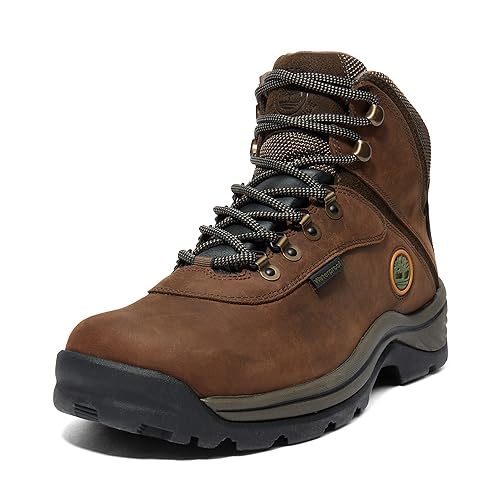


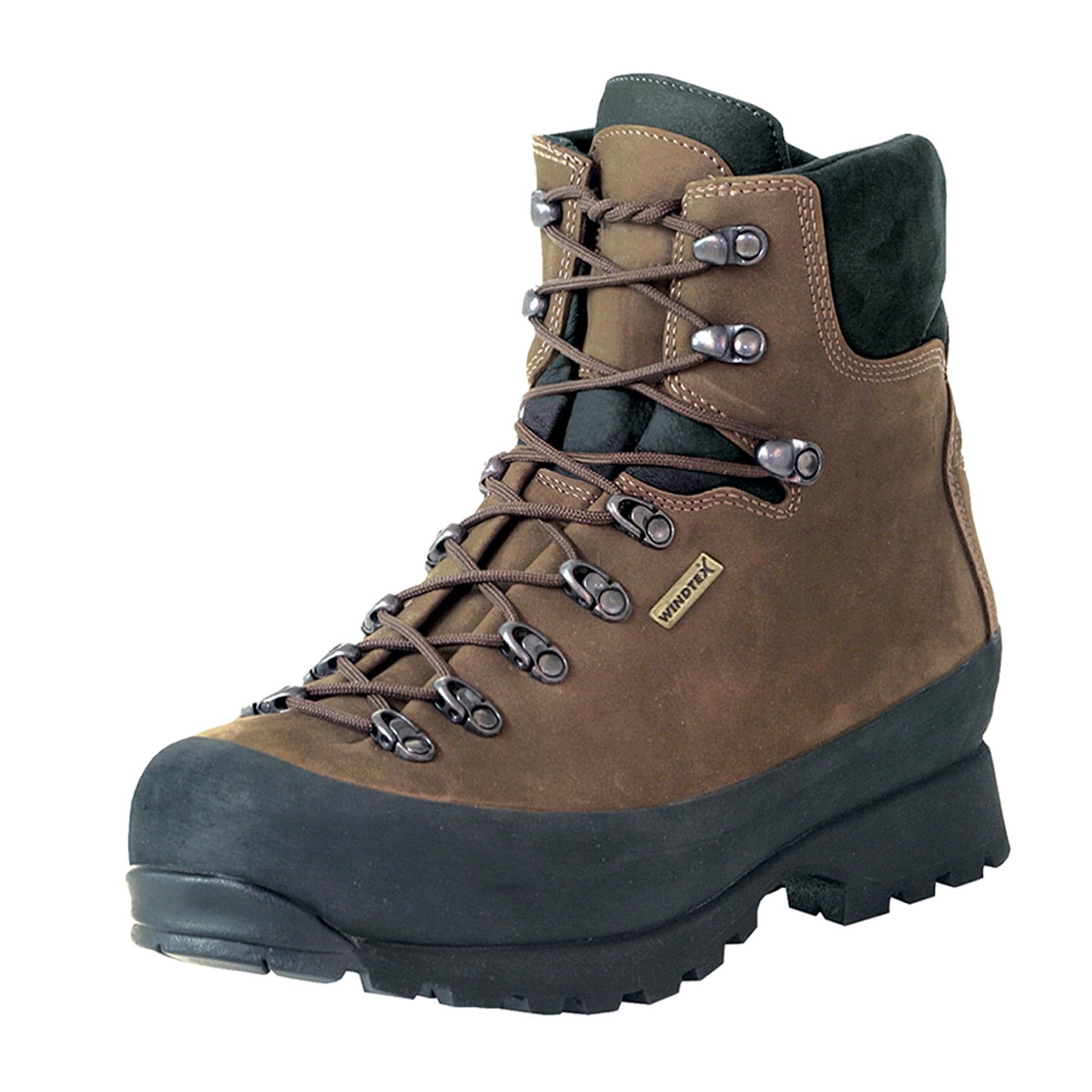
Who Should Buy Which Boots for a Thru Hike?
Pick by the route you will walk and the load you will carry. Feet swell, soles compress and small fit problems grow with daily miles.
Wet Forest and Root Covered Trail Hikers
You face slick roots, mud and stream crossings for weeks. Choose a mid cut boot with a grippy outsole, a roomy toe box and drainage or a membrane that matches your route. A secure heel hold matters when mud pulls at each step.
Dry Desert and Long Water Carry Hikers
You carry extra water, walk in heat and cross sand and sharp rock. Choose a breathable upper, strong toe protection and cushioning that stays supportive under a heavy pack. A sturdier sole protects your feet on rocky descents.
High Mountain and Heavy Pack Hikers
You cross snow patches, scree and steep passes with a full pack. Choose more stability, a firmer midsole and a taller collar for support on side slopes. You will accept extra weight here, because control under load matters more than a fast feel.
Key Features to Compare
Compare these factors in order, because fit decides everything else. When you compare best boots for thru hiking options, a boot that fails on fit should leave your list even if its price looks ideal.
Fit and Toe Room for Feet That Swell by Mile Twenty
Feet often swell and can grow about a half size to a full size during months of daily walking. Shop late in the day, wear your hiking socks and allow about a thumb width of space in front of your longest toe. Your heel should stay seated on a downhill test slope, while your toes spread without pressing the sides. Size to your larger foot for long descents.
Boot Weight and Support Under a Loaded Pack
Every ounce on your feet is lifted thousands of times a day, so lighter boots save energy across a full trail. Support still matters when your pack holds a week of food and extra water. A flexible boot suits lighter loads, while a stiffer boot suits heavier loads and rough ground. Weigh your loaded pack first, then choose the least boot that keeps your stride steady.
Cushioning and Stability Across Hundreds of Trail Miles
Cushioning absorbs repeated impact on rock and hard packed dirt, and stability helps when your legs tire near camp. Heel to toe drop is the height difference between heel and forefoot, often about 4 to 12 mm in trail footwear. A higher drop shifts work toward your calves, while a lower drop feels flatter. Pick a drop close to what you already walk in.
Arch Support and Foot Shape on Long Days
Arch support should match your foot shape rather than push hard against it. Flat feet often do well with a firmer insole and a stable heel counter, while high arches often need more cushioning under the midfoot. Hot spots after practice hikes point to a mismatch. A removable insole gives you options, and many hikers swap insoles before boots.
Upper Materials, Breathability and Drying Speed
Full leather uppers resist abrasion and hold their shape, but they weigh more and dry slowly once soaked. Synthetic and mesh uppers feel breathable and dry faster, which suits hot routes and stream crossings, but thin panels can wear at flex points. Split leather with fabric panels sits between those extremes.
Waterproof Membranes, Outsole Grip and Expected Lifespan
A Gore Tex membrane keeps rain and shallow puddles out, yet water that enters over the collar leaves slowly, so many hikers choose non waterproof boots for warm wet trails. Outsole lugs of about 4 to 6 mm grip mud and loose dirt, while softer rubber grips wet rock but wears faster. Expect about 500 to 800 miles from most boots, and check the guide to the best waterproofing for hiking boots before treating leather pairs.
Boots, Lightweight Shoes and Recovery Footwear Compared
Not every thru hiker wears a traditional boot for every mile. This comparison shows where a boot still wins and where a lighter option serves you better.
Traditional Mid Cut and High Cut Boots
Boots give ankle coverage, toe protection and support under heavy loads, and they handle cold and rough ground well. They cost more energy per mile than shoes and dry slowly. Choose them for mountain routes and heavy packs.
Lightweight Shoes and Trail Runners for Thru Hiking
Many hikers finish long trails in lightweight shoes because they dry fast and feel nimble. If that path appeals to you, see our guide to the best hiking shoes for lower cut options, and our guide to the best trail running shoes for thru hiking for runner style choices. Shoes wear out sooner, often in about 300 to 500 miles.
Sandals and Recovery Footwear at Camp
Sandals and recovery footwear are camp gear, not main trail footwear. A light pair lets your feet air out during town stops and around camp. Keep it simple, because every ounce rides in your pack all day.
Common Mistakes to Avoid
These errors end more thru hikes than any single gear failure, because sore feet change how you walk.
- Buying boots in your normal street size leaves no room for swollen feet and causes black toenails on long descents.
- Starting a thru hike in brand new boots invites blisters that can force days off trail in the first week.
- Choosing waterproof boots for a hot wet route traps water inside and keeps feet soft and sore for days.
- Ignoring worn lugs and compressed cushioning raises your fall risk and leaves your knees absorbing every rocky step.
- Carrying one pair with no replacement plan strands you in a trail town waiting for the right size to arrive.
- Tightening laces the same way all day cuts circulation on climbs and lets your heel lift and rub on descents.
Care and Maintenance for Thru Hiking Boots
Remove your insoles each night and loosen the laces fully so air reaches the inside. Stuff wet boots with newspaper for a few hours to pull moisture out, and never dry them against a fire, because heat cracks leather and weakens glue. Shake out grit every morning, since sand inside grinds fabric and skin with each step.
Brush mud off the upper before it dries hard, rinse with plain water and let the pair dry in shade. Check laces, eyelets and sole edges each town stop, and replace frayed laces early. Treat leather only as the maker directs. Retire a pair when tread looks smooth or the midsole feels flat.
FAQ
What features matter most in boots for thru hiking resupply planning?
Availability in your size matters most once you are on trail, alongside fit and durability. A common model in a common size is easier to replace at a trail town outfitter or by mail than a rare fit. Keep your size, width and insole choice in your phone. Order the next pair about 100 miles before you need it, because shipping to small towns can take longer than expected.
How often should I replace boots for thru hiking?
Replace boots for thru hiking when grip, cushioning or upper support fades, which for most hikers falls between about 500 and 800 miles. Watch for new aches in your knees or shins, because a compressed midsole often shows up as joint soreness before it looks worn. A heel counter that folds easily in your hand is another sign that support is gone.
How should boots for thru hiking fit for heel hold?
Boots for thru hiking should hold your heel firmly while your toes move freely, with no lift as you step uphill. Test this on a ramp by walking down first, because toes jamming forward reveals a short fit fastest. A lace pattern that locks the heel, often called a runner loop, can fix mild lift without sizing down. If your heel still slides, the last shape is wrong for you.
Do I need waterproof boots for a thru hike in summer?
No, most summer thru hikers do not need waterproof boots, because rain and crossings will wet any boot eventually. A membrane boot that fills over the top can stay wet for days, while a breathable boot often dries overnight. Choose waterproof pairs for cold rain and snow instead, where keeping water out also keeps feet warm. In summer, rotate spare socks at lunch stops.
Are expensive boots for thru hiking worth the extra cost?
Expensive boots for thru hiking are worth it only when the extra cost buys a better fit, stronger upper or a sole that lasts longer on your route. Price alone does not predict comfort, and a costly boot in the wrong shape still causes blisters. Spread the cost across expected miles instead. Two mid priced pairs that fit well often serve a full trail better than one costly pair.
How long is the break in period for thru hiking boots?
The break in period for thru hiking boots is usually about 50 to 100 miles of walking, spread across several outings. Leather boots sit at the long end of that range, while synthetic boots often feel ready sooner. Use these miles to test socks, insoles and lace tension together as one system. Finish well before your start date, because a thru hike start is the worst place to test new footwear.
Our Verdict
Choose fit first, then match weight, waterproofing and support to your route and pack. Plan on at least two pairs for a full length trail, rotate dry socks and replace worn soles early. Use the product table above to compare sizes, weights and prices.
When you judge the best boots for thru hiking by how they feel at mile twenty on a tired day, not by how they look in the store, the right pair becomes easier to spot.


