
Best Boots for Short Thick Legs in 2026: What Actually Matters Before You Buy
Disclosure: We may earn a commission when you buy through links on this page, at no extra cost to you. As an Amazon Associate I earn from qualifying purchases. Learn more

Find boots that fit short thick legs with clear guidance on calf width, shaft height, toe room, support and traction for work and daily wear.
Standard boots are cut for longer, slimmer legs, so the shaft often ends at the widest part of your calf and squeezes there all day. Finding the best boots for short thick legs means matching shaft height and calf room to your measurements first, then checking toe room, support and grip. Use the comparison table below to test each pair against those points.
This guide centers on the two numbers most listings bury: shaft height and the opening at the top. You will learn how to measure both and which boot heights fit a shorter leg.

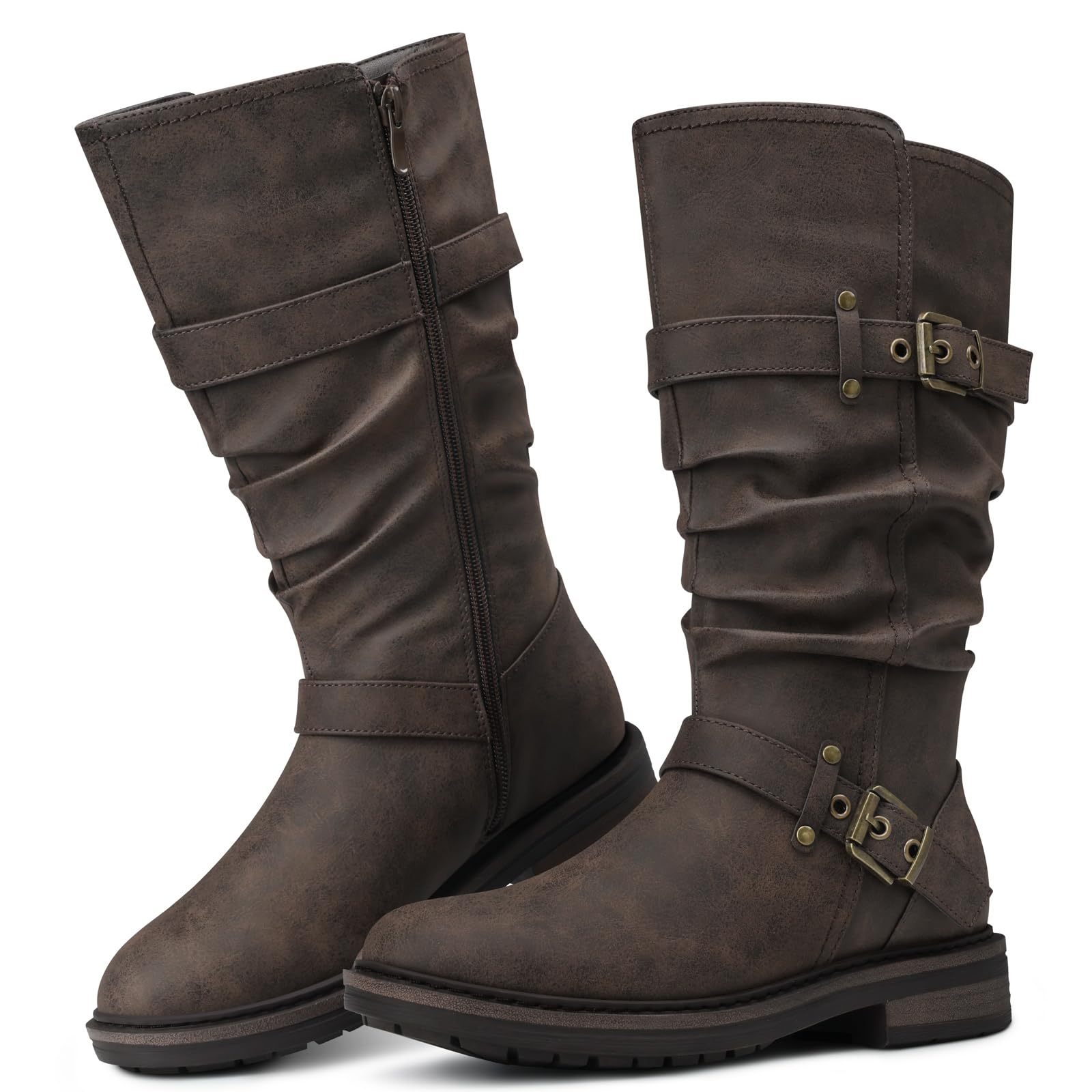


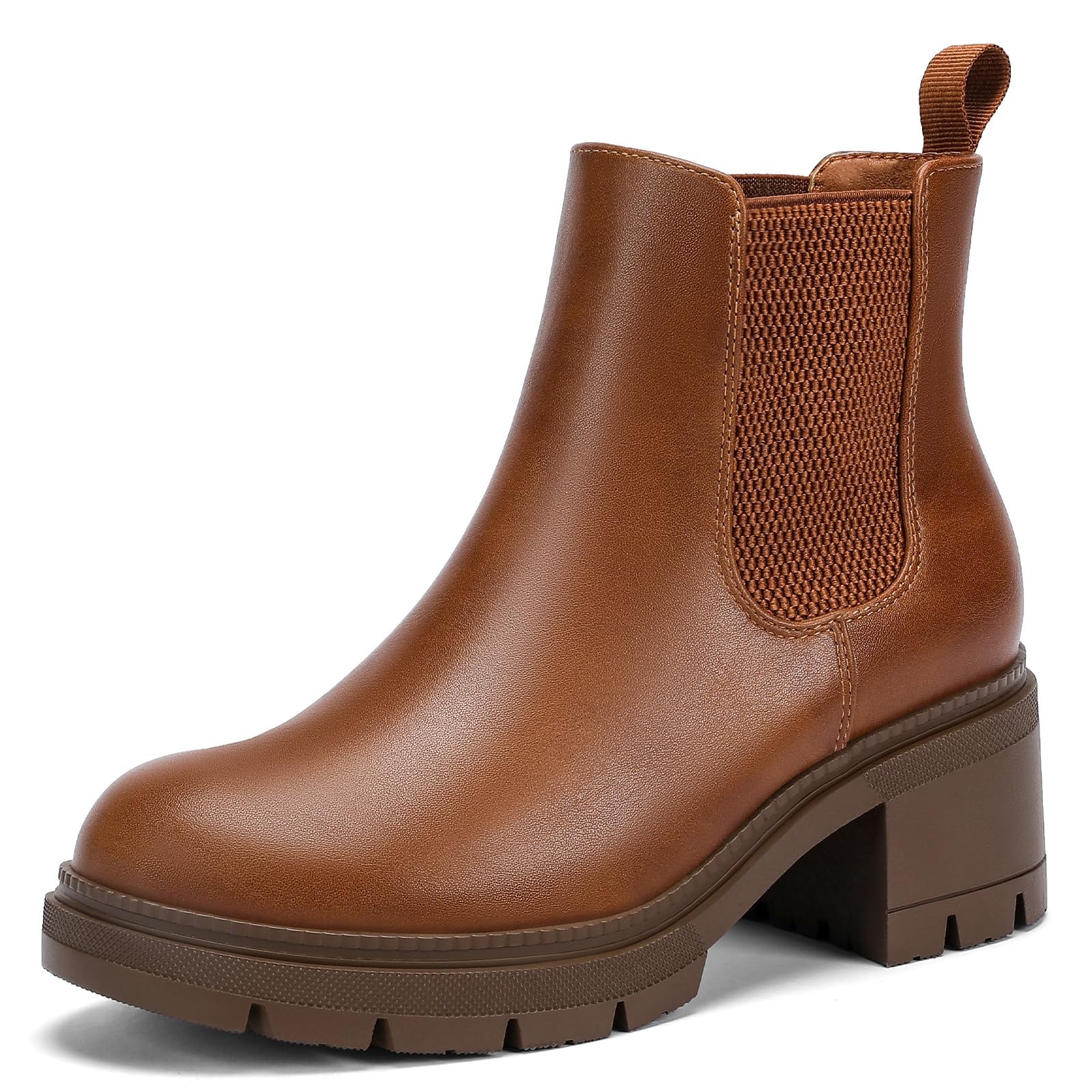


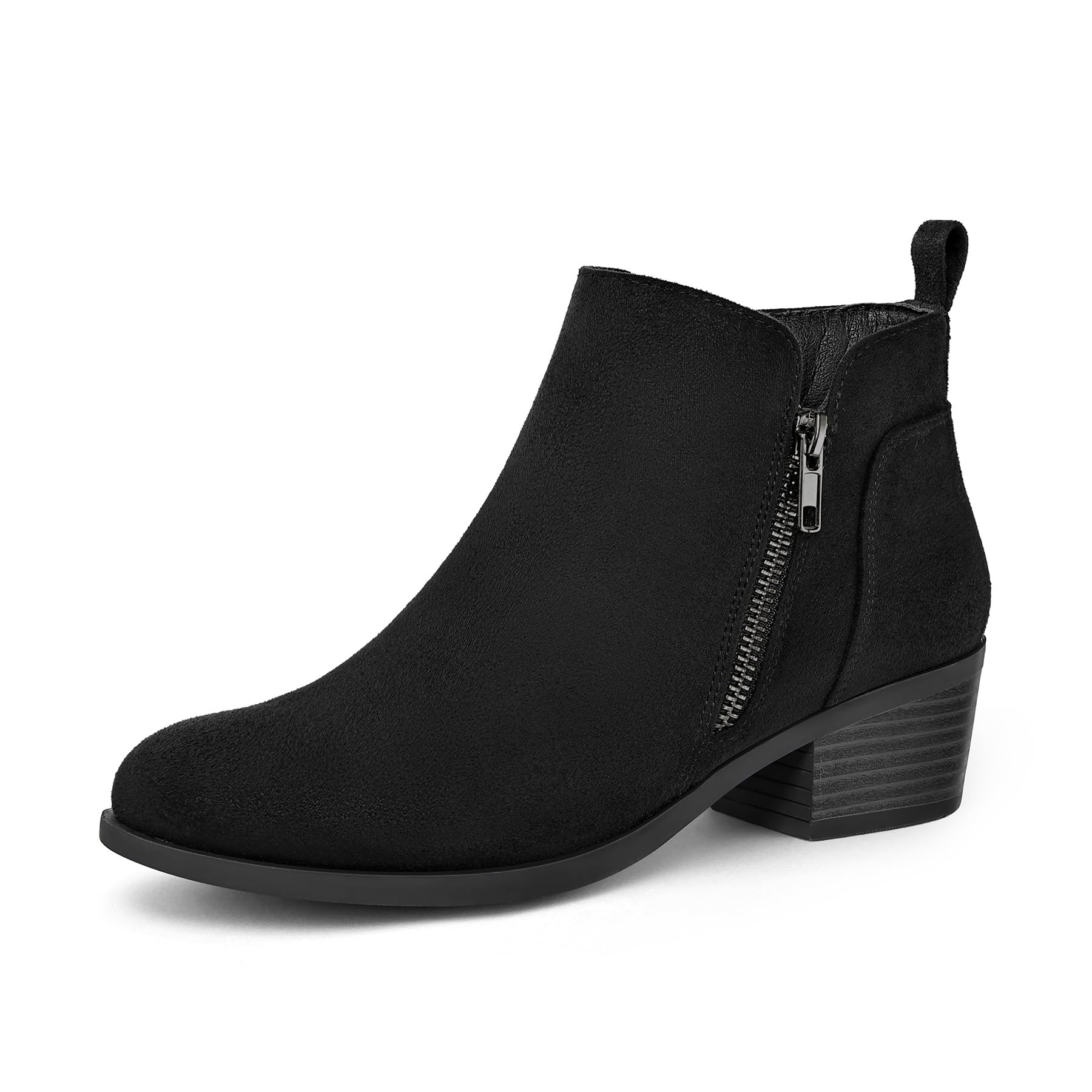
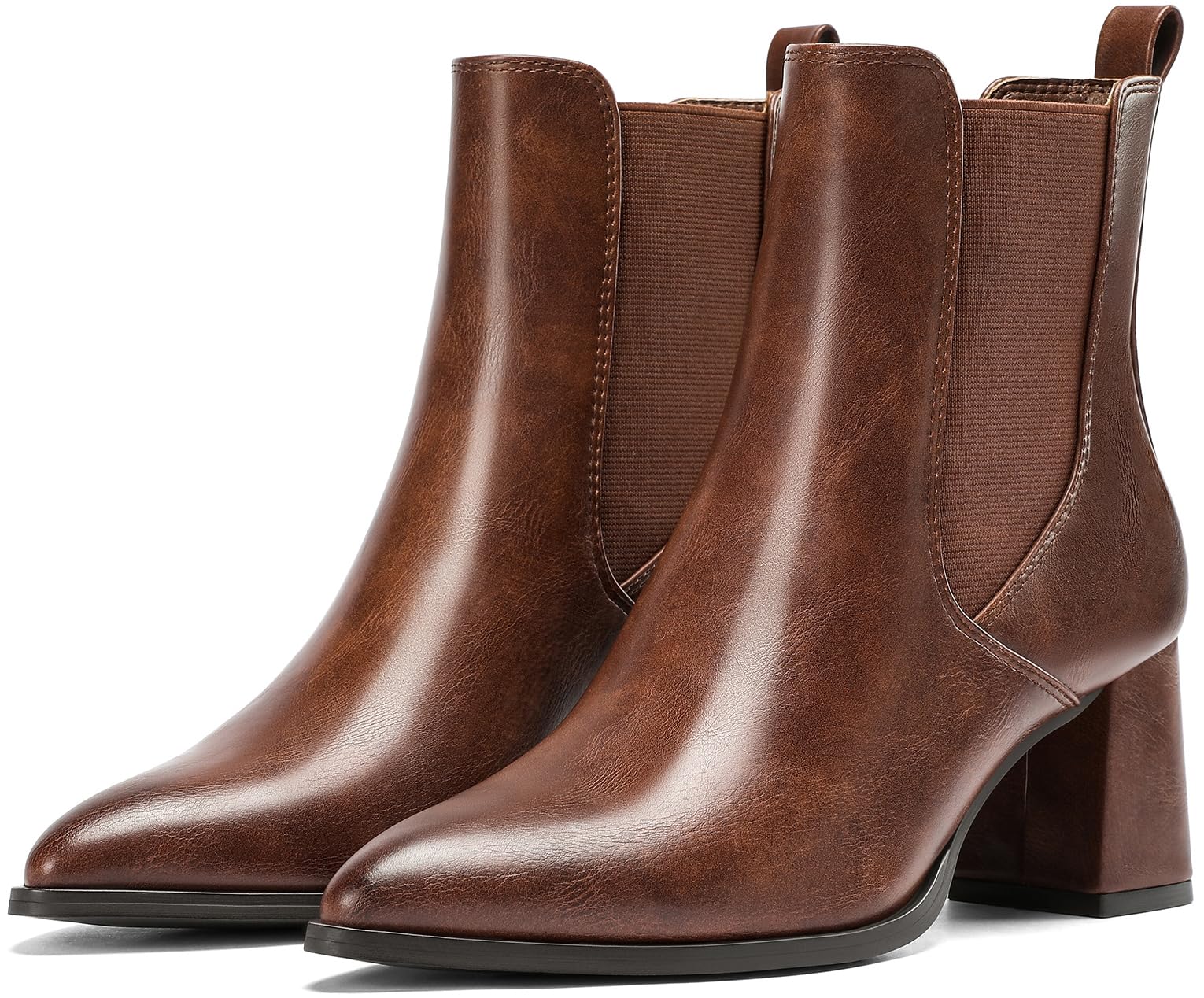
Who Should Buy Boots for Short Thick Legs?
Your leg shape, not your shoe size alone, should decide the style you start with. The groups below cover the problems that come up most when a shorter leg also carries more width.
Petite Wearers Whose Tall Boots End Too High
If you are petite, a standard knee high shaft can reach the back of your knee and dig in when you sit or climb stairs. Start with ankle and mid calf heights, which end lower and leave the knee free. Ankle shafts are often about 5 to 10 inches tall.
Wide Calf Wearers Who Cannot Close a Standard Shaft
If zips stop part way and pull tabs strain, you need a shaft built with extra room, not a larger shoe size. Wide calf ranges often add about 2 to 4 inches of circumference over a standard shaft. Elastic gussets, stretch panels and full length lacing give the opening more give.
Workers and Walkers on Their Feet All Day
If you stand on concrete or commute on foot, a short cushioned boot usually beats a tall fashion shaft. You need room for thicker socks, a toe box that lets toes spread under load, and a low heel that stays steady on wet floors. An ankle height also frees your calf when legs swell by late afternoon.
Key Features to Compare
Compare each pair in the same order, starting with the shaft and ending with the sole. When you shop for best boots for short thick legs, treat the shaft numbers as headline specs, not fine print.
Shaft Height and Where the Top Edge Lands
Shaft height decides comfort and proportion on a shorter leg. Measure from the floor to where a shaft would end, then compare that with the listed height. The best spot is above or below the widest point of your calf, never right across it, because an edge on the fullest point presses with every step. For more on shaft height and outfit length, see our guide to the best boots for short legs.
Calf Circumference, Gussets and Adjustment
Calf circumference is the measurement around the fullest part of your lower leg, and the boot opening should exceed it by about half an inch to an inch over your usual socks. A hidden elastic gusset adds quiet stretch, while laces let you fine tune the fit from ankle to top. Side zips speed entry but give less adjustment once closed. For wider fit ranges, see our guide to the best boots for thick legs.
Toe Box Width and Overall Boot Volume
A thick leg often comes with a wider foot, so check the toe box and the volume through the midfoot, not only the length size. Your toes should lie flat, wiggle freely and never press the sides when you shift your weight forward. Wide options, often marked W, add room across the ball of the foot without adding length. If your heel slips while the front feels tight, the shape is wrong.
Heel Height, Heel to Toe Drop and Stability
A modest heel of about 1 to 2 inches can lengthen the look of a shorter leg. Stability matters more: a broad heel base, a firm heel counter and a small heel to toe drop keep your ankle steady on uneven ground. Very high or narrow heels raise pressure on the front of the foot and tire thick calves faster, so save them for short outings.
Cushioning and Arch Support Inside the Boot
Cushioning softens each step, and arch support helps spread load across the foot during long days. A removable insole is a real advantage, because you can swap in your own support and adjust the volume at the same time. Flat feet usually do better with a firmer arch and a stable heel, while high arches often need more padding under the heel.
Outsole Traction, Weight and Flexibility
The outsole is the rubber layer that grips the ground. Deeper lugs help on mud, gravel and wet leaves, while shallow tread suits smooth indoor floors. Rubber outsoles grip better in rain than smooth leather soles, and a breathable lining or a waterproof membrane sets how the boot handles weather. A lighter ankle or mid calf pair also fatigues shorter legs less on stairs.
How to Measure Your Calf and Foot, Then Choose a Boot Height
Measure in the late afternoon, when your legs are at their fullest, wearing your planned socks or tights. Sit with your foot flat, wrap a soft tape around the widest part of your calf without pulling it tight, and note the number. Then measure from the floor up to that widest point, because that tells you which shaft heights land clear of it.
Next, use this quick buyer checklist before you order.
- Does the shaft opening beat your calf measurement by at least half an inch?
- Does the shaft end above or below the widest calf point, not across it?
- Can you fit two fingers inside the top edge once the boot is on?
- Do your toes lie flat with room to wiggle in thick socks?
- Does the boot offer a gusset, stretch panel or laces for adjustment?
- Can you return the pair easily if the shaft fit fails at home?
Ankle boots suit most short thick legs because they skip the calf problem and pair well with cropped pants and skirts. Mid calf boots work when the top edge clears your widest point, and knee high boots work only in true wide calf cuts with a shorter shaft. In hot weather, see our guide to the best sandals for short legs for open footwear with the same proportion ideas.
Common Mistakes to Avoid
Most bad buys for this leg shape come from sizing the foot and hoping the shaft follows.
- Ordering a larger shoe size for calf room leaves your foot sliding and toes banging the front.
- Choosing a shaft that ends at the widest calf point creates a constant pinch and a bulge above the edge.
- Ignoring the listed shaft opening and trusting photos leads to zips that will not close at home.
- Buying stiff tall boots for daily walking tires your calves and makes stairs harder.
- Skipping the sock test means a boot that fit in thin tights may fail with winter socks.
- Keeping a pair that needs a long painful break in period usually means the shaft shape is wrong.
Shaft Care and Drying Habits That Extend Boot Life
Let wet boots dry at room temperature with the shafts held open, away from direct heat, because forced heat cracks leather and weakens glue. Stuff tall shafts with rolled towels so the top edge keeps its shape and does not fold into a crease that rubs your calf. Rotating two pairs gives cushioning a day to recover.
Brush dirt from the outsole lugs and wipe salt marks off the upper in winter, since grit cuts grip and salt dries leather out. Check zips, gusset elastic and heel caps each season, because a worn heel cap is cheap to fix early and costly once the shaft starts to sag.
FAQ
What features matter most in boots for short thick legs?
Shaft height and calf opening matter most, ahead of style details. Start with those two numbers, then check toe room and heel stability. At home, sit, stand and climb a step in the boots, because a shaft that feels fine standing still can bite the calf once you move. Keep the tags on until you have done all three.
Do boots for short thick legs need to be waterproof?
No, boots for short thick legs do not need to be waterproof unless you walk in rain, snow or wet grass often. A membrane keeps water out but adds warmth, which can feel heavy on thick calves in mild weather. For dry city use, a water resistant leather upper handles light splashes well.
How often should boots for short thick legs be replaced?
Boots for short thick legs should be replaced when support or fit changes, not on a fixed calendar. Watch for a heel leaning to one side, tread worn smooth under the ball of the foot, or a shaft stretched so much that it slips and rubs. New insoles and heel caps can extend a good pair for years.
How long is the break in period for boots for short thick legs?
The break in period for boots for short thick legs is usually a few short wears over one to two weeks for leather uppers. Wear them at home first, then on a short walk, adding time only when no spot stays sore. A shaft that leaves deep marks or numbness will not stretch enough, so treat that as a fit failure.
Can boots for short thick legs be worn all day?
Yes, boots for short thick legs can be worn all day when the shaft clears your widest calf point and the heel stays low and broad. Pack thin spare socks for long shifts, because a fresh pair restores cushion and cuts friction late in the day. If your feet swell, loosen the top eyelets after lunch.
Wrapping Up
Start with your calf measurement and the height of its widest point, then pick a shaft that lands clear of that point with room to spare. Add a wide enough toe box, a steady low heel and grip that matches your ground. Use the product table above to compare shaft numbers before you order.
When you judge best boots for short thick legs by fit numbers instead of photos, you avoid the zip that will not close and the edge that digs in. Choose the pair that fits your leg as it is.


