
Best Boots for Kitchen Workers: A First Time Buyer's Guide for 2026
Disclosure: We may earn a commission when you buy through links on this page, at no extra cost to you. As an Amazon Associate I earn from qualifying purchases. Learn more

Shopping for the best boots for kitchen workers for the first time? Learn the terms, compare options, and avoid rookie mistakes with this easy guide.
Buying kitchen footwear for the first time feels confusing because every pair claims grip, comfort, and protection in the same breath. Start with the best boots for kitchen workers for your actual station, your floor type, and your shift length, and the choice gets much simpler.
Boots earn their place in a kitchen because they cover the ankle, shed splashes, and stay planted on wet tile better than most low shoes. Use the comparison table below to match those features against pairs you are considering.

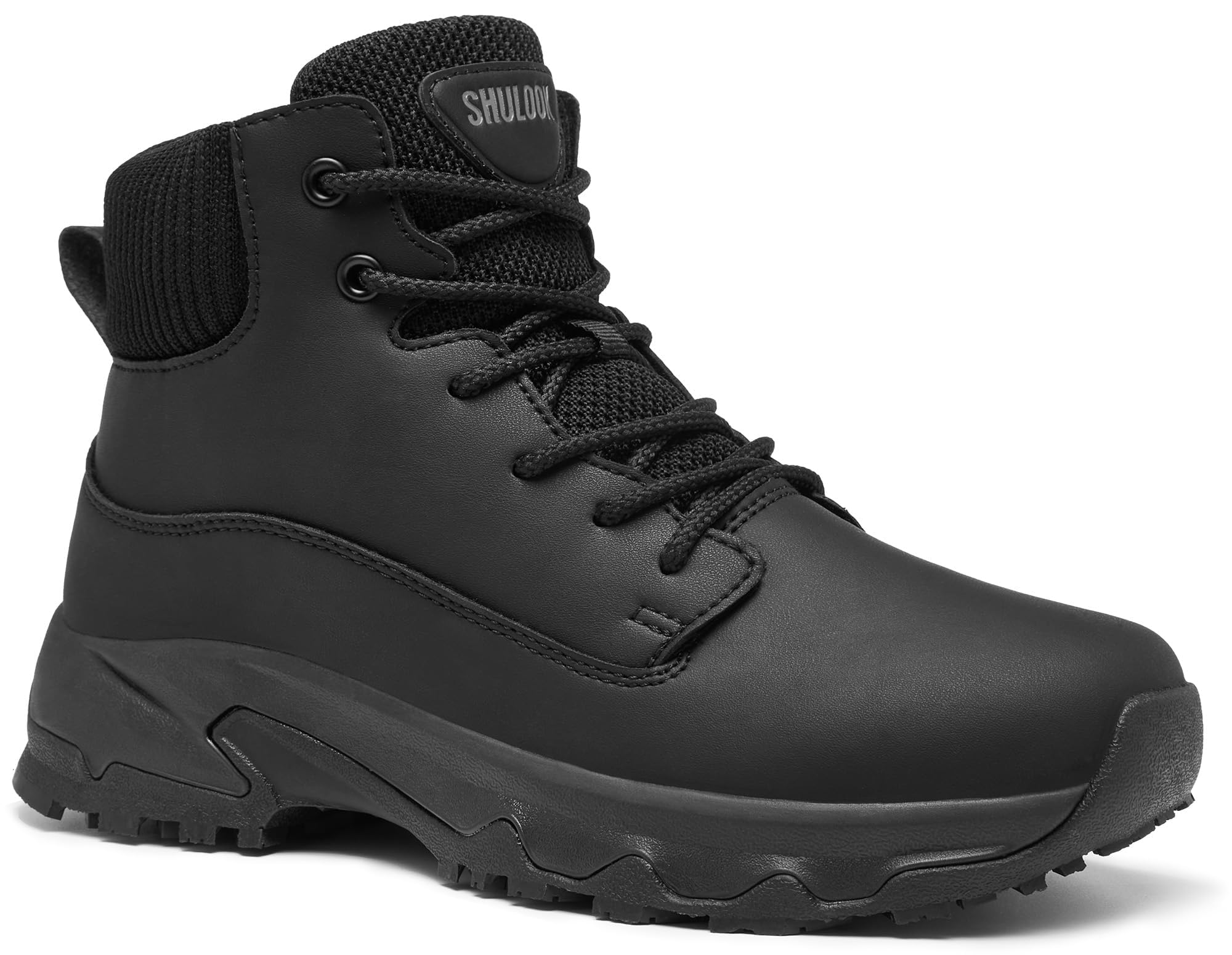
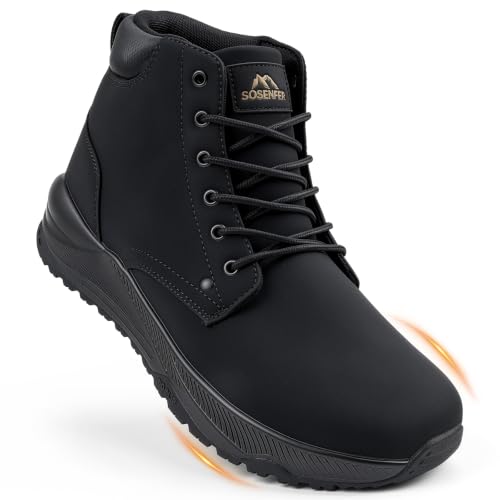

Boots 101: The Basics for Kitchen Work
A kitchen boot is a closed shoe with a raised collar that covers the ankle bone and part of the shin. That height guards against hot splashes, dropped pans, and water pooling near sinks and dish pits. The upper wraps your foot, the midsole is the cushioning layer under your foot, and the outsole is the rubber that meets the floor.
Three terms drive most of your decision. Traction describes how the outsole grips wet and greasy surfaces, cushioning describes how the midsole softens each step, and water resistance describes how the upper handles splashes and mopping. If you are still weighing boot height against a lower shoe, see our guide to the best kitchen boots for a closer look at coverage.
Who Should Buy Kitchen Boots for Work?
Different stations place very different demands on your feet, so match the boot to the work you do most shifts.
Line Cooks and Prep Cooks on Wet Floors
You move fast between fryers, grills, and cutting boards, across floors slick with oil and water. Prioritize the strongest outsole grip you can find, plus a closed upper that keeps splashes off your socks. A secure lace fit matters because a loose heel can slide during a quick pivot.
Dishwashers and Bussers in Soaked Zones
Your shift keeps you near standing water, spray hoses, and stacks of wet trays, so your boots stay damp longer than anyone else's. Look for uppers that resist soaking through and dry reasonably fast overnight. A taller collar helps when water splashes over a low shoe top. At a fixed wash station, supportive boots paired with the best kitchen mats can also ease standing strain.
Bakers, Caterers, and Staff on Long Shifts
You may face less grease, but you stand for eight hours or more, often starting before dawn on hard tile or concrete. Cushioning and arch support should lead your list, with a roomy toe area for feet that spread as the day goes on. A lighter boot saves energy over thousands of steps.
Key Features to Compare in Kitchen Boots
When you shop for the best boots for kitchen workers, start with the outsole and work upward, because grip failures cause the hardest falls.
Slip Resistant Outsole Traction for Wet Kitchen Floors
The outsole is your safety base, and its pattern matters as much as its rubber. Look for many small channels and edges that push water and grease aside so rubber can touch the floor, rather than a flat smooth slab that skates on a spill. Check that tread covers the full heel and forefoot, since a partial pattern leaves slick patches where your weight lands as you stop or turn.
Fit, Sizing, and Toe Box Room for Kitchen Boots
Measure both feet late in the day, when they are largest after hours of standing and heat. Your toes should wiggle freely and never press the front or top of the boot, while your heel should stay seated when you walk. A wide toe box suits most kitchen staff because feet swell during long shifts. If you fall between sizes, choose the larger size and adjust with thicker work socks.
Cushioning, Arch Support, and Stability on Hard Floors
Cushioning absorbs the shock of hard tile and concrete, while arch support keeps your foot from rolling inward as you tire late in a shift. A stable boot feels firm at the heel and resists twisting, which helps you stay balanced carrying a full tray. If you get persistent heel pain, numbness, or swelling that does not ease after rest, talk with your clinician about your personal needs.
Water Resistance and Breathable Uppers for Kitchen Boots
Most kitchen work calls for water resistance rather than full waterproofing, because splashes and mopping are the daily threat, not deep water. Leather and coated synthetic uppers shed splashes well and wipe clean after a shift. Waterproof membranes such as Gore Tex add protection for dish pit duty, but they can hold heat in summer. A breathable upper often feels better at hot stations than a sealed boot.
Weight, Flexibility, and Break In Comfort for Kitchen Boots
A heavy boot protects well but taxes your legs across ten thousand steps, so weigh protection against your walking distance each shift. The boot should bend at the ball of the foot, not in the middle of the arch. Stiff leather styles may need several short wears before they soften, while many synthetic styles feel comfortable right away. Readers who split time between kitchen tile and dock concrete may also compare the best boots for concrete workers for harder surface ideas.
Choosing Between Boot Styles for Kitchen Shifts
Lace up boots give the most adjustable fit, letting you snug the ankle for service and loosen it for the walk home. They suit cooks who move constantly, though laces need tying with clean hands and can loosen mid shift.
Slip on boots trade adjustability for speed and a smooth surface with no laces to catch spills or harbor grime. They suit dish staff and bakers, but fit depends entirely on choosing the right size at the start. A heel that lifts with every step on day one will not improve with wear, so walk firmly in the store before you commit.
Safety toe boots add a hard cap for kitchens where heavy stockpots, kegs, and pan racks move at foot level. Soft toe boots are lighter and usually cheaper, and they suit most cooking stations. Check your employer's policy before you buy, since a required toe type or color overrides preference.
Rookie Mistakes to Avoid When Buying Kitchen Boots
- Buying your street shoe size without trying boots on late in the day, so the pair pinches once your feet swell mid shift.
- Choosing a fashion boot with a smooth outsole, so the first oil spill near the fryer sends you sliding.
- Paying extra for full waterproofing in a hot line kitchen, so your feet overheat and your socks stay damp with sweat.
- Wearing a brand new pair for a full double shift, so stiff material rubs blisters before the boot softens.
- Ignoring your employer's dress code until after purchase, so a boot in the wrong color or toe type cannot be worn at work.
Getting Started and Caring for Kitchen Boots
Wear a new pair at home for an hour or two on the first day, then for a short shift, and build up over about a week. This gradual start lets the upper shape to your foot and reveals any rubbing spot while you can still exchange the size.
After each shift, wipe grease and food residue off the upper and outsole, since buildup fills tread channels and weakens grip. Pull the insoles out and let boots air dry away from direct heat, because a hot vent can crack leather and warp glue. Rotate two pairs if you work daily, giving each a full day to dry.
Frequently Asked Questions About Kitchen Boots
What features matter most in boots for kitchen workers on greasy floors?
Grip comes first on greasy floors, so start with outsole pattern and rubber softness before anything else. Also check that the upper has no mesh panels near the front, since mesh lets fryer splatter reach your socks. One detail many first time buyers miss is the heel breast, the angled front edge of the heel, which helps you stop cleanly on a ladder or a raised threshold.
How often should kitchen workers replace their work boots?
Most full time kitchen workers replace their boots in about 6 to 12 months, depending on hours worked and floor surfaces. Replace sooner if the tread looks smooth at the ball or heel, even when the upper still looks fine. A simple check helps: press a wet boot onto dry concrete and look for a patchy print, which shows the channels no longer move water well. Some workplaces reimburse one pair per year, so keep your receipt.
How long is the break in period for new kitchen boots?
Most kitchen boots feel settled after about one to two weeks of regular shifts, with stiff leather taking the longest. Walking on days off in thick socks can speed the process. A hot spot that turns into sharp pain is not normal break in, though, and it usually signals a size or width problem worth exchanging.
Can kitchen workers wear kitchen boots for a full double shift?
Yes, kitchen workers can wear well fitted boots for a double shift, provided the cushioning still feels supportive in the final hours. Plan a sock change at your meal break, since fresh dry socks restore comfort more than most people expect. Boots that feel fine for six hours but painful at hour ten usually need more arch support, not more softness.
Do kitchen workers need waterproof boots for dish pit work?
Dish pit workers benefit most from waterproof boots because spray and standing water attack from above and below all shift. For line and prep roles, water resistance is usually enough, and it keeps the boot lighter and cooler. Whatever level you choose, check the tongue design, since a tongue attached along both sides blocks water far better than a loose tongue.
Our Verdict
For a first pair, put grip first, fit second, and cushioning third, then let your station decide the rest. Dish staff should add strong water protection, line cooks should add a secure fit, and long shift standers should add arch support. Chosen that way, the best boots for kitchen workers will carry you through service safely and comfortably. Compare your shortlist against the product table above before you order.


