
Best Boots for Kitchen Work 2026: What Your Money Really Gets You
Disclosure: We may earn a commission when you buy through links on this page, at no extra cost to you. As an Amazon Associate I earn from qualifying purchases. Learn more

Grip on wet tile and lasting cushioning by budget: the best boots for kitchen work, from basic to premium.
Kitchen footwear prices range from under $50 to well over $200, yet the price tag tells you little about grip on a wet floor or comfort in hour nine of a shift. This guide to the best boots for kitchen work breaks down what each price level actually buys. Use the comparison table below to match price tiers with the details explained in each section.
A boot that suits a quiet prep kitchen may fail fast at a busy fry station, where oil, water, and heat reach your feet. Your hours, your floor, and your feet should set your budget.

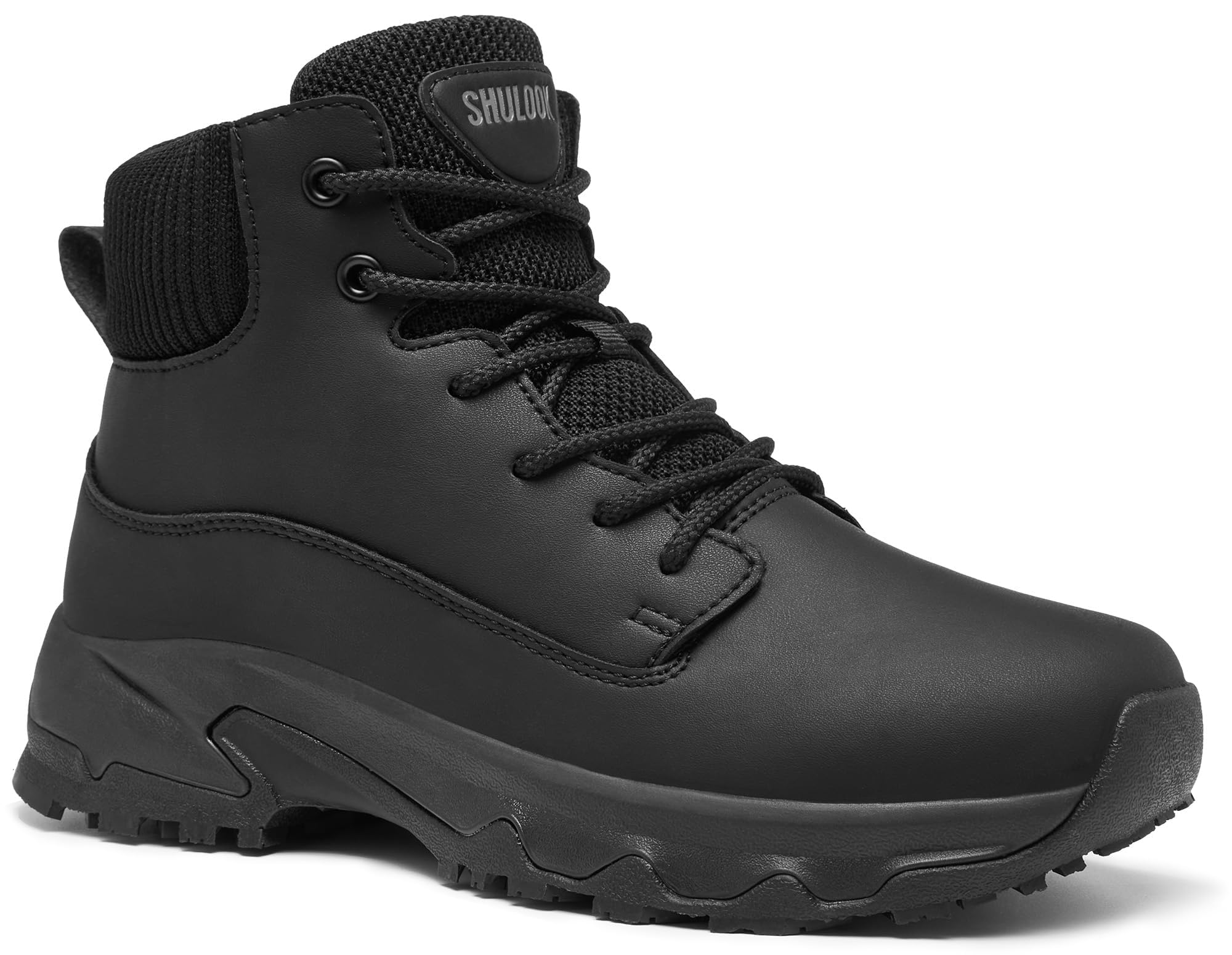

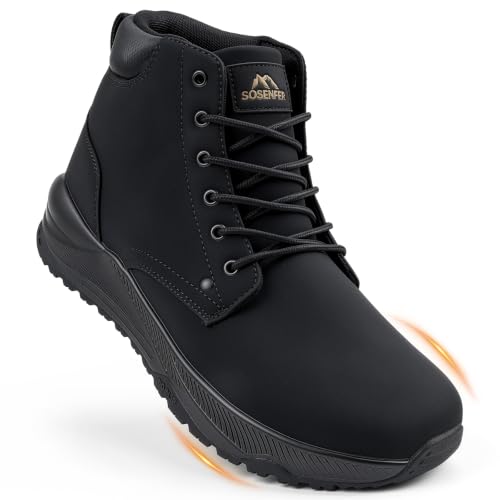
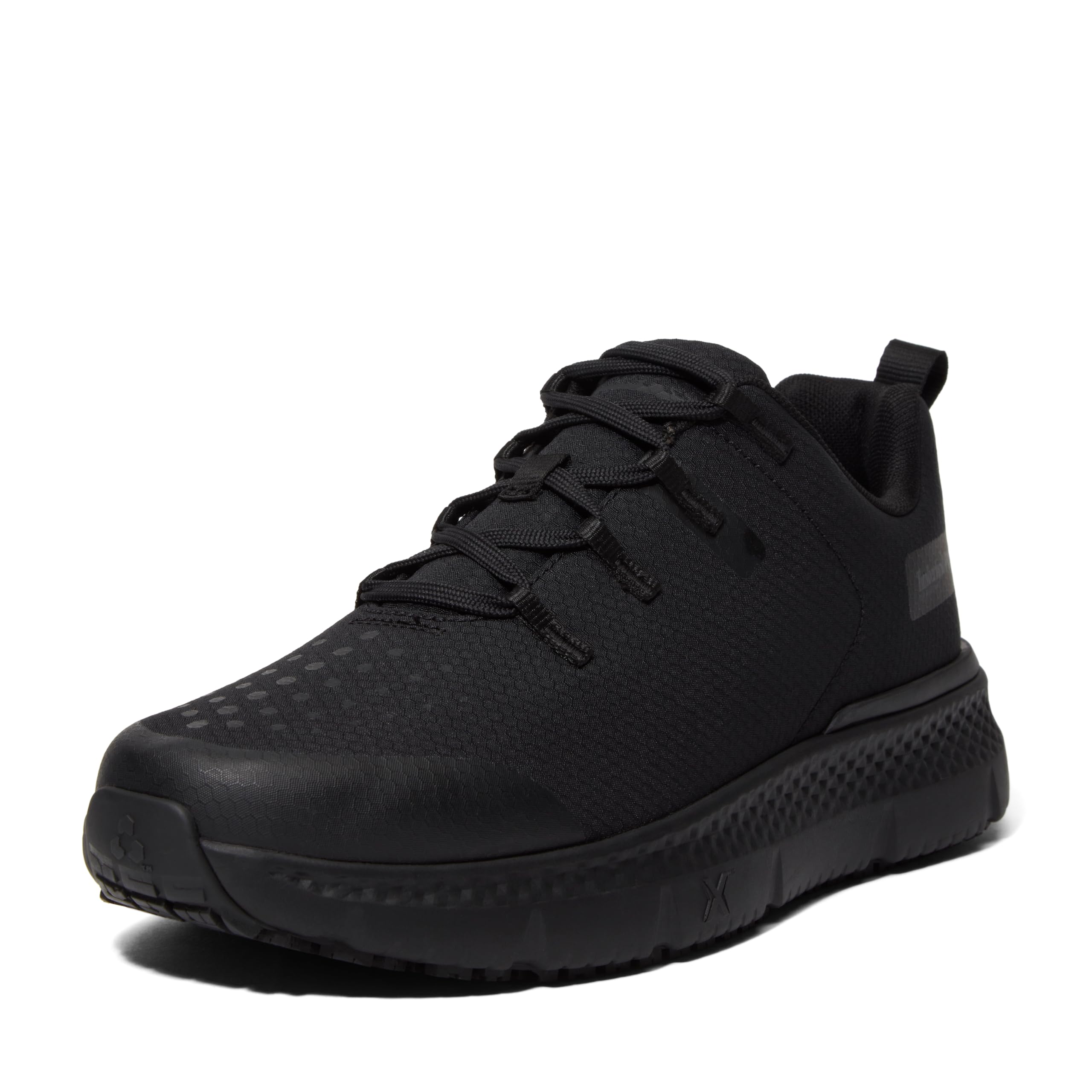
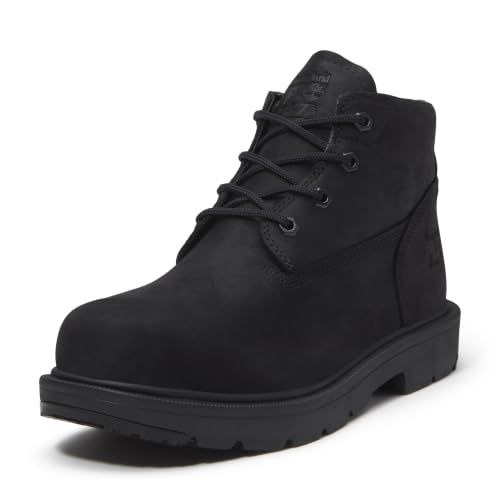
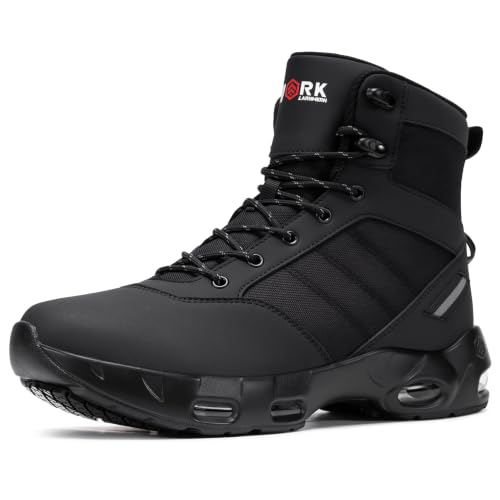
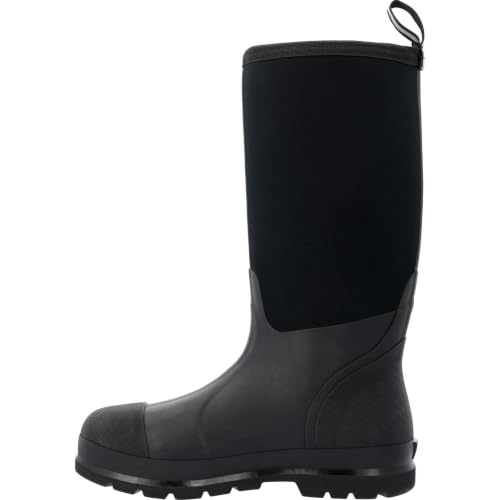

Who Should Buy Kitchen Boots Built for Long Wet Shifts
Kitchen work combines three demands that rarely meet in other jobs. You stand on hard tile, cross floors wet with water and grease, and stay on your feet far longer than most retail shifts.
Line Cooks Working Hot Stations for Full Shifts
You pivot in a tight space, stand close to ovens and fryers, and rarely sit during service. Prioritize a secure lace closure, a stable base that resists rolling when you turn quickly, and uppers that shrug off splashes and wipe clean. Daily doubles wear through thin midsoles quickly, so plan on the midrange tier or above.
Prep Cooks and Dish Staff Around Constant Water
Your floor is wet from open to close, and your boots meet standing water, soap, and food scraps more than heat. A taller shaft keeps splashes out, and water protection matters more to you than breathability. If your work is drier and heavier, see our guide to the best work boots. For dish and prep roles, grip and water protection should take most of your budget.
Managers and Caterers Moving Between Kitchen and Dining Room
You cross from slick kitchen tile to dining room floors and sometimes outdoors. You need grip that works on mixed surfaces, a plain dark upper that looks tidy in front of guests, and comfort for walking more than standing. A midrange boot with a cushioned insole and a neat leather finish usually fits best.
Kitchen Boot Price Tiers and What They Really Buy
Kitchen boots fall into three broad bands. Budget pairs sit under $80, midrange pairs run about $80 to $140, and premium pairs cost about $140 to $220. Each step up buys specific upgrades in outsole rubber, midsole life, and upper materials.
Budget Tier: Sound Basics for Lighter Schedules
Under $80 you can expect a slip resistant outsole, a synthetic upper that resists water, and basic foam cushioning. The trade off is lifespan. Thin midsoles often feel flat within a few months of daily use, and softer outsole rubber wears smooth sooner. This tier suits part time staff and culinary students.
Midrange Tier: Longer Lasting Comfort for Daily Wear
About $80 to $140 is where most full time kitchen staff land. Outsoles use firmer rubber that holds its tread pattern longer, midsoles pair foam with a shaped insole for better arch support, and uppers are often real leather. For a view focused only on boot styles in this band, see our guide to the best kitchen boots.
Premium Tier: Durability and Fit for Heavy Daily Use
Above about $140, spending buys durability and fit rather than extra grip. Expect dense outsoles that resist oil breakdown, stitched construction, and membranes such as Gore Tex. Fit options widen too, with more half sizes and width choices. This tier pays off at five or six long shifts a week.
Key Features to Compare Before You Spend
Price bands set expectations, but four details decide whether a specific pair earns its cost. These details define the best boots for kitchen work in daily use.
Outsole Grip on Oil, Water, and Grease
The outsole is the one feature you should never trade away. Look for soft rubber compounds with wide channels and fine siping, the small cuts that push liquid aside so rubber meets the floor. Lugs should be low and closely spaced, since tall lugs built for mud trap grease and lose contact on tile. Some cooks prefer low shoes for the same grip, and our guide to the best non slip shoes for kitchen work covers that choice.
Cushioning, Arch Support, and Stability
Standing on tile loads your heels and arches for hours, so the midsole matters greatly. Foam that feels soft in the store can pack down fast, while a firmer midsole with a shaped footbed holds support longer. Heel to toe drop of about 4 to 12 mm shifts load between calf and forefoot, and lower drops feel steadier on wet floors. If you get ongoing foot, ankle, or back pain, numbness, or a fall injury, see a medical professional promptly and talk with your clinician about your support needs.
Upper Materials, Water Protection, and Breathability
Uppers face a daily mix of water, oil, steam, and cleaning sprays. Smooth leather and coated synthetics wipe clean and resist soaking, while mesh panels that feel breathable let liquids straight through to your socks. Fully waterproof boots suit dish and prep work, and a breathable membrane helps at hot stations. Kitchen uppers should shed liquid first and vent heat second, unlike neutral shoes in other trades that rely on mesh.
Fit, Toe Box Room, and Sizing Over a Long Shift
Feet swell during a shift, so try boots late in the day in your work socks. Leave a thumb width before your longest toe, check that the heel stays put when you walk, and pick a toe box wide enough for toes to spread. Readers comparing broader options for men can also see our guide to the best men's work boots for general fit notes. Between sizes, the larger size with a thicker insole usually serves kitchen work better.
What Kitchen Boots Cost You Over Time
The purchase price is only part of what a pair costs you. Replacement insoles run about $15 to $40 and can restore comfort when the outsole is still sound. Conditioner and laces add a few dollars a year. A budget pair replaced twice a year can cost more than one midrange pair, so divide price by expected months of use.
Common Mistakes to Avoid When Buying Kitchen Boots
Most bad purchases come from judging a boot the way you would judge a street shoe.
- Choosing by softness in the store leaves the midsole flat and unsupportive within a few months of daily standing.
- Buying tall lugged soles made for outdoor ground traps grease on tile and reduces rubber contact with the floor.
- Sizing boots in the morning ignores normal swelling, so the same pair pinches and rubs by dinner service.
- Picking mesh uppers for airflow lets hot water and oil reach your socks during the first spill.
- Keeping a pair until the tread looks bald means grip on wet tile fades before the wear is easy to see.
Care and Maintenance for Kitchen Boots
Wipe uppers down after each shift so oil and food acids do not sit on the material overnight, and rinse outsole channels under a tap to clear packed grease from the tread. Pull insoles out at home so the inside dries fully, and rotate two pairs if you work daily, since foam needs a rest day to recover. Dry boots away from direct heat, since hot air can crack leather and weaken outsole bonds.
Check the tread every few weeks across the ball of the foot, where wear shows first. Treat smooth leather with conditioner about once a month to keep it supple and water resistant. Replace laces as soon as they fray, since a snapped lace leaves the boot loose on a wet floor.
FAQ About Boots for Kitchen Work
What features matter most in boots for kitchen work on a tight budget?
Grip matters most, so protect the outsole first when money is tight. A soft rubber sole with fine siping beats extra padding on a wet floor. After grip, choose an upper that wipes clean, since a soaked boot stays uncomfortable all shift. One useful test is pressing the sole on smooth wet tile and feeling for bite as you twist.
Are premium boots for kitchen work worth the extra cost?
Premium boots are worth the extra cost if you work long shifts most days of the week. The added money mainly buys slower wearing outsoles, midsoles that keep their shape, and better width choices. Two short shifts a week leave that durability unused, and a midrange pair serves you just as well. Cost per month judges the upgrade more fairly than shelf price.
How often should boots for kitchen work be replaced?
Replace kitchen boots when the tread at the ball of the foot looks smooth or small slips start on floors that once felt secure. For daily wear that point often arrives within about 6 to 12 months, sooner for soft budget outsoles. Try the wet tile twist test at home. If the boot skates instead of gripping, its working life is over.
Can kitchen work boots be worn comfortably for a full double shift?
Yes, kitchen work boots can cover a double shift if the fit and support suit your feet. Toe box room matters more over sixteen hours than over six, since swelling builds through the day. Swapping socks at the break between services cuts moisture and friction noticeably. A second pair rotated by day also keeps cushioning fresher across a heavy week.
How should boots for kitchen work fit around the heel and ankle?
Boots for kitchen work should hold the heel firmly while leaving the toes free to spread. Walk the store aisle and climb a step if one is available, since heel lift shows most when your foot bends. The collar should feel snug without pressing on the ankle bone, and laces should lock the midfoot without cutting off circulation.
Our Verdict
Set your budget by your schedule first. Part time roles can start under $80, full time staff get the best value at about $80 to $140, and daily doubles justify premium durability. Whatever the tier, grip on wet and greasy tile, lasting cushioning, and a cleanable upper decide whether a pair works. Compare your finalists in the product table above, and choose the best boots for kitchen work that matches your station, your hours, and your feet.


