Best Boots for EMT by Budget: A Band by Band Guide for 2026
Disclosure: We may earn a commission when you buy through links on this page, at no extra cost to you. As an Amazon Associate I earn from qualifying purchases. Learn more

Compare the best boots for emt work by budget band, with guidance on grip, fast entry, fluid resistant materials, fit, and what each price level buys.
Boots for ambulance work get priced anywhere from under $70 to well over $200, and the price tag alone tells you very little about whether a pair suits the job. Choosing the best boots for emt work starts with matching the budget band to your workload: how many hours you stand, how often you move between the station and the street, and how much fluid contact your calls involve. This guide walks through three budget bands, then the features that separate a fair pair from a poor one.
One point comes before any talk of price. A boot is footwear, not protection against every risk of the job, and no pair prevents foot pain or injury. If you have pain, numbness, or swelling in your feet or legs that persists beyond a few shifts, talk with a clinician before you shop, because a different boot will not fix a medical problem. The picks in the product table give you real pairs to compare against the bands below.


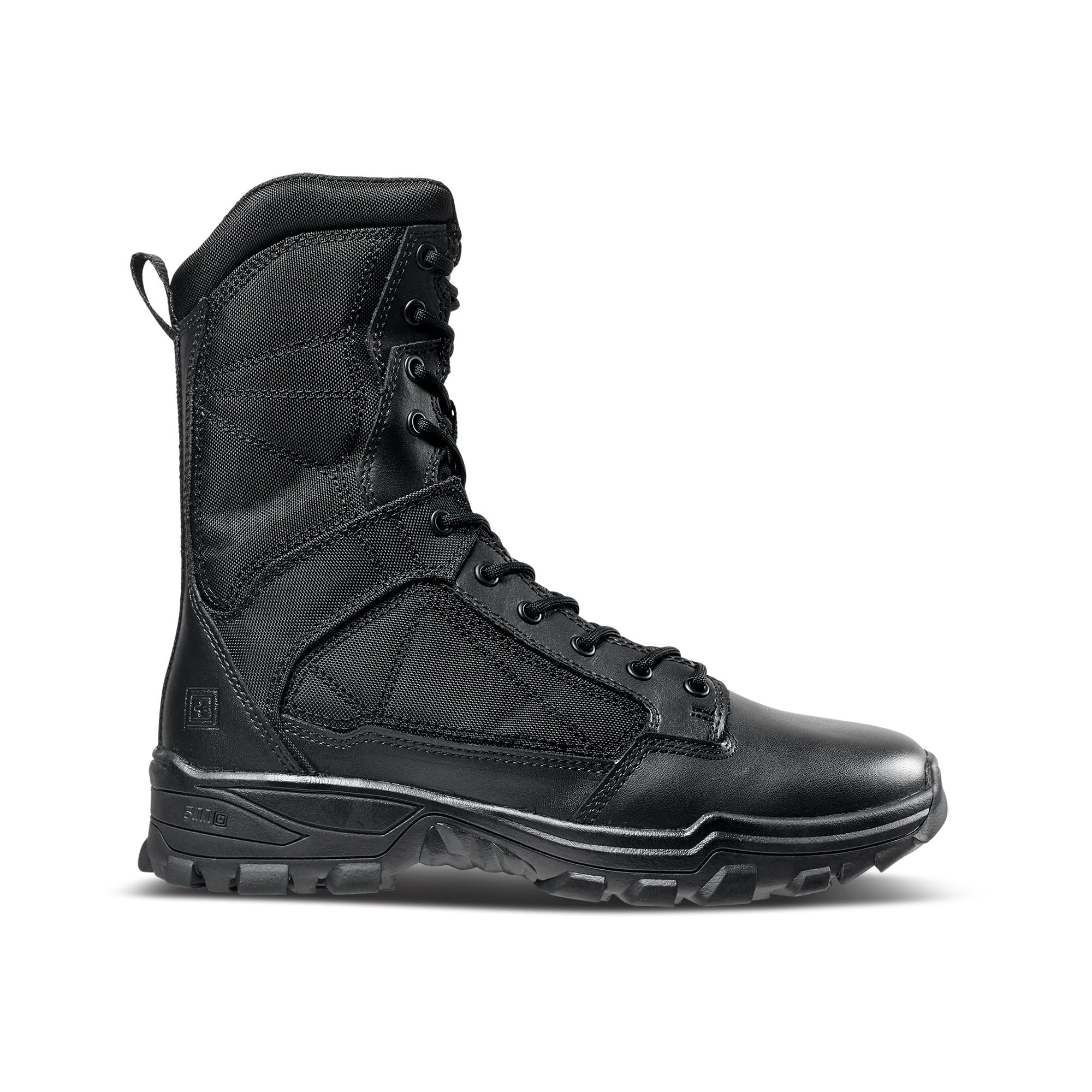


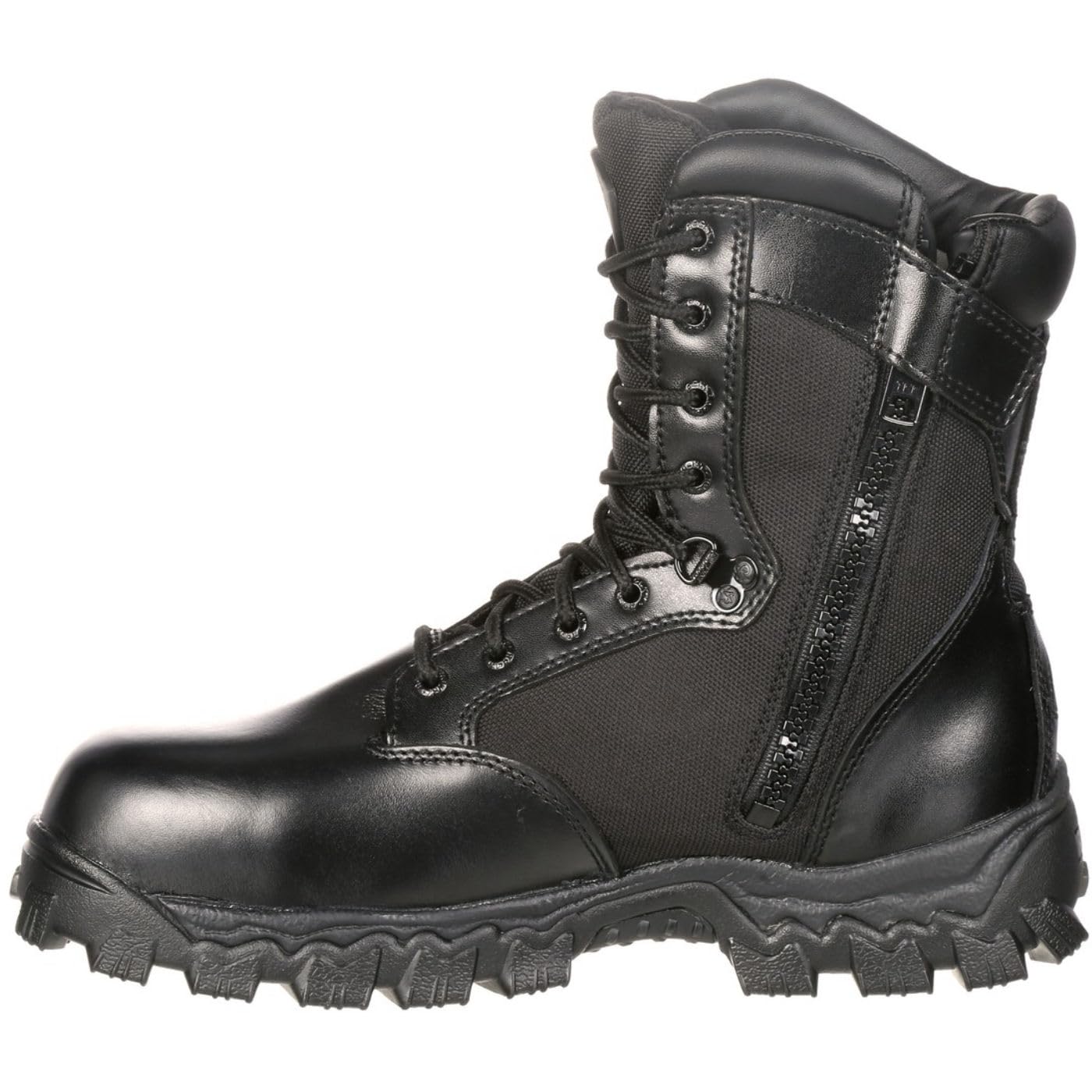


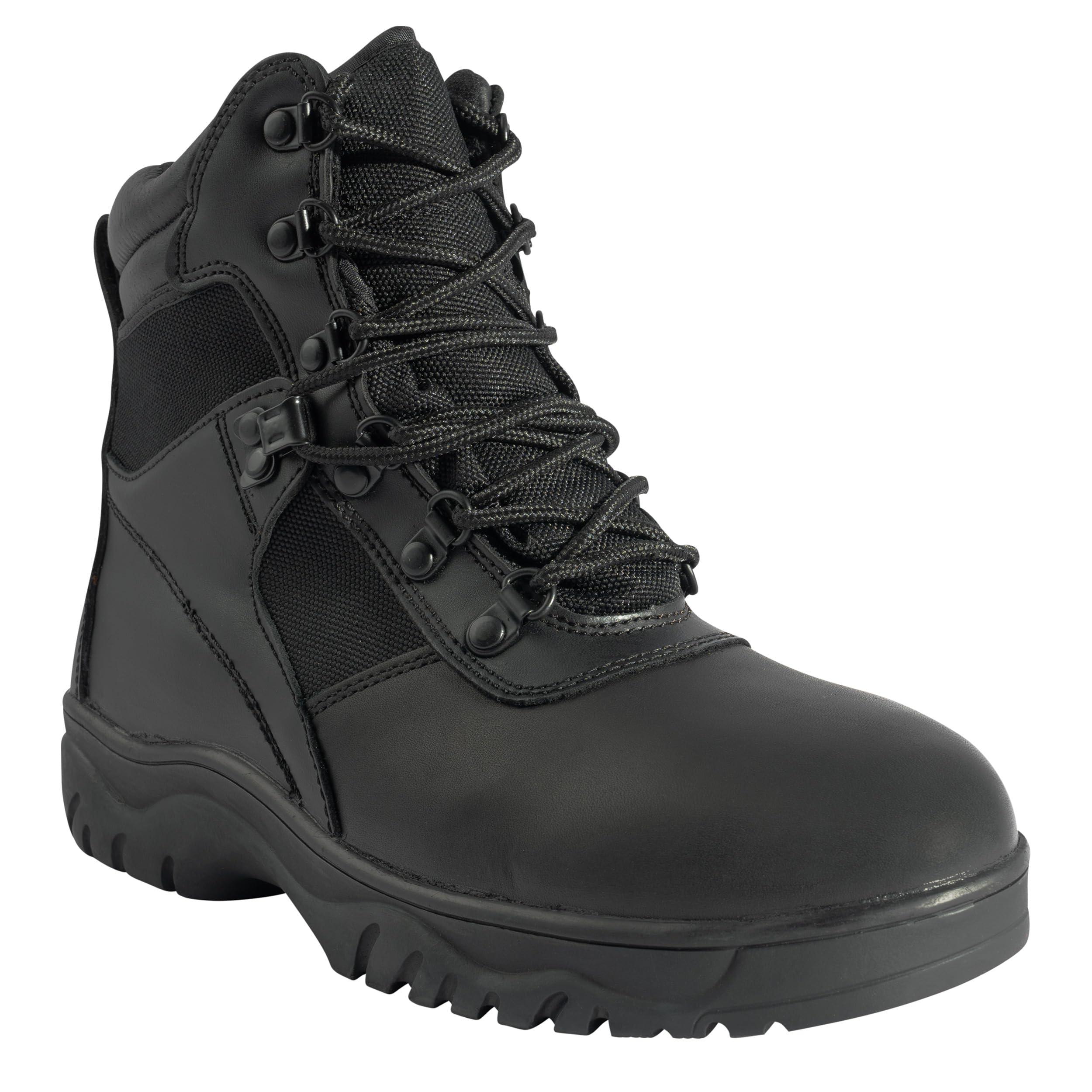
Best Boots for EMT: Three Budget Bands and What Each One Buys
The bands below describe classes of boots, not specific products. Prices move with sales, so treat the figures as a map of the market rather than a promise.
Entry Band: Around $70 to $110
Entry band boots usually pair a synthetic or blended upper with a molded sole and a basic cushioned insole. Expect a lighter boot that feels comfortable on day one, with pull loops or a side zipper on many designs. The trade off is lifespan: softer sole compounds wear smooth faster on concrete, and seam sealing tends to be minimal, so fluid resistance is limited. This band suits students, volunteers, and part time crews whose weekly hours are modest.
Middle Band: Around $110 to $160
The middle band is where most full time crews land, because the upgrades target the work itself. Uppers shift toward leather or leather and textile mixes that wipe clean more easily, soles use firmer rubber with deeper tread, and insoles gain real arch structure. Many middle band boots add sealed seams and a gusseted tongue, which helps when a call turns wet. Break in takes a few shifts rather than a few weeks, and the sole usually holds its grip pattern far longer than an entry pair.
Upper Band: Around $160 to $230
Upper band boots spend the extra money on durability and certified protection. Full leather uppers resist scuffs and fluids better, welts or high grade bonding extend sole life, and some designs carry a certified safety toe class for crews whose agency requires one. A safety rating only counts when it is a certified class with the marking to prove it, so read the label rather than the marketing line. Heavier construction is the cost here, and long shifts on foot will feel that weight by hour ten.
Features That Matter on Shift
Getting In and Out Fast
An emt shift is a series of short rests cut short by the radio, so entry speed is a real buying factor. Side zipper designs let you keep laces set once and still step out quickly at the end of a call, while lace only boots give a more adjustable fit at the price of slower changes. Pull on styles with loops are fastest of all, though they trade ankle support. Judge the closure by your station routine: crews who rest with boots off several times a night feel this difference daily.
Grip From Station Floor to Wet Pavement
The same boot crosses polished station floors, wet bay concrete, grass, and rain slick pavement in a single shift, so the outsole has to bridge all of them. Look for a rubber compound that stays flexible in cold weather and a tread pattern with channels that push water aside rather than a flat fashion sole. Deep lugs help on grass and gravel but can feel unstable on smooth floors, so a mixed pattern is the practical middle ground. No tread makes ice or spilled fluid safe; treat grip as help, not a guarantee.
Materials That Handle Fluids and Clean Up
Ambulance work meets blood, vomit, rain, and road grime, and the boot has to come clean afterward. Smooth leather and coated synthetic uppers wipe down far more easily than open mesh or suede, which trap residue in the texture. Sealed seams and a tongue that attaches along its sides keep splashes from soaking through to your socks. Washing your hands and wiping the boots down after a messy call is basic hygiene, and a boot that resists that routine with rough, absorbent fabric is the wrong tool.
Fit Across a Twelve Hour Shift
Feet swell as a shift goes on, so try boots late in the day and in the socks you actually work in. You want a thumb width of space ahead of your longest toe, a heel that stays put when you climb into the rig, and a toe box wide enough that your toes can spread when you kneel beside a stretcher. Width sizes matter more than most buyers expect; a standard width squeezed onto a wide foot will ache by mid shift no matter how good the cushioning is.
Shaft Height and Ankle Support
Boots for this work usually stand six to eight inches tall, and that height is a working choice rather than a style. A taller shaft steadies the ankle when you carry a patient down uneven steps or across a gravel shoulder at night, and it keeps pant cuffs and debris away from your socks. The cost is heat and stiffness, so warm climate crews sometimes choose the shorter end of the range. Whatever height you pick, the collar should be padded and the top edge should not saw at your calf when you kneel.
Insoles and Arch Support for Long Stands
Much of an emt shift is standing: at the hospital bay, beside the stretcher, on a roadside while police work a scene. The insole carries that load, and the flat foam pad packed into most entry band boots compresses flat within months. A contoured insole with a firm arch section spreads pressure across the foot and slows the ache that builds during long waits. If you already use an aftermarket insole, bring it when you try boots on, because its thickness changes the fit you need in the toe box.
Weight and Flex at Hour Ten
Every ounce on your foot is lifted thousands of times a shift, so weight compounds. Lighter boots built on textile panels reduce that load but usually give up some scuff resistance and sole life. A flexible forefoot helps when you crouch and lift, while a stiff shank supports you on uneven ground at night scenes. Match the balance to your call mix: urban crews on pavement all night can go lighter than rural crews who walk fields and ditches.
Long Term Costs Beyond the Price Tag
The purchase price is only the first bill. Insoles compress and need replacing about every six to twelve months of full time wear, and a fresh pair at around $20 to $40 restores much of the original comfort. Soles are the true wear item; once the tread smooths out, grip drops and replacement of the whole boot follows, which is why a second pair in rotation can stretch the life of both. Budget a cleaning kit and leather conditioner if you choose leather, and check the warranty terms, since defect coverage varies widely between bands.
Gear beyond footwear, such as the timepieces covered in guides to best watches for emts, sits in a separate accessory category with its own budget.
Care and Hygiene Habits
Rinse or wipe the uppers after any call involving fluids, then let the boots dry at room temperature away from direct heat, which cracks leather and warps sole glue. Pull the insoles out overnight so moisture escapes instead of feeding odor. Loosen laces fully before removing the boots so the heel counter keeps its shape. If your agency lists footwear rules, see our guide to work boots for emt and confirm your pair meets its uniform and safety requirements before the first shift.
Boots for emt Work: Questions Answered
Do emt boots need a certified safety toe?
Only if your agency or local protocol requires one. Many crews work in soft toe boots because the main risks are slips, fluids, and fatigue rather than falling objects. Where a toe rating is required, it must be a certified class with the standard marking printed inside the boot. A thick toe cap without certification is styling, not protection, so check the label before you rely on it.
Are side zipper boots weaker than lace up boots?
A zipper is a moving part, so it is one more thing that can fail, but quality zippers on middle and upper band boots hold up well under daily use. The practical gain is speed: laces stay tied at your preferred tension while the zipper handles entry and exit. If the zipper on a cheap boot feels gritty or thin in the store, expect trouble later and choose the lace up version instead.
How long should a pair of emt boots last?
Full time crews commonly get about twelve to eighteen months from a middle band pair before the sole tread or cushioning gives out, while entry band boots often fade sooner under the same load. Rotating two pairs, replacing insoles, and cleaning off fluids promptly all extend that span. Retire a pair when the tread is smooth in the heel or ball area, because lost grip is a safety issue, not just wear.
Can emt boots be worn straight from the box on a full shift?
It is a gamble worth avoiding. Even flexible modern boots have stiff spots that only show up after hours of wear, and a blister discovered at hour eight is a miserable problem. Wear a new pair around the station and on short errands for several days first, then take them onto a shift with your old pair in the locker as a backup. Leather heavy upper band boots need the longest runway of all.
What socks work best with emt boots?
Choose cushioned work socks with moisture managing yarn rather than plain cotton, which stays wet and rubs. A mid calf height keeps the sock from sliding into the boot during lifts and carries. Many crews keep a spare pair in the locker, because dry socks halfway through a wet shift restore more comfort than any boot feature. Fit your boots while wearing your work socks so the volume matches real conditions.
Final Thoughts
Start with the band that matches your hours, then judge inside that band on closure speed, grip, and how the upper handles fluids and cleaning. Fit the pair late in the day, in work socks, and give any new boot a few easy days before a full shift. Use the picks in the product table to compare options against your budget, and remember that the best boots for emt work is simply the pair whose class fits your calls, your agency rules, and your feet.