Best Boots for Delivery Drivers: A Buying Guide for 2026
Disclosure: We may earn a commission when you buy through links on this page, at no extra cost to you. As an Amazon Associate I earn from qualifying purchases. Learn more

A buying guide to the best boots for delivery drivers: grip on wet steps, fit for long routes, cushioning, waterproofing and what each price band buys.
A delivery shift is hundreds of small trips: out of the cab, up a wet path, onto a porch, and back again, all day long. The best boots for delivery drivers are built for that pattern, not for a single long hike, so this guide reads every feature through the route: grip on wet steps, easy entry and exit, and comfort that survives the last stop.
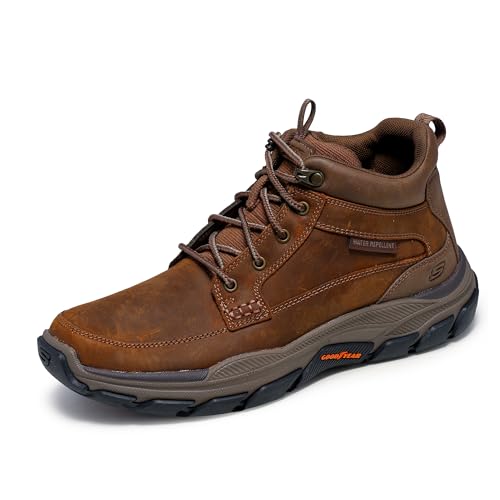
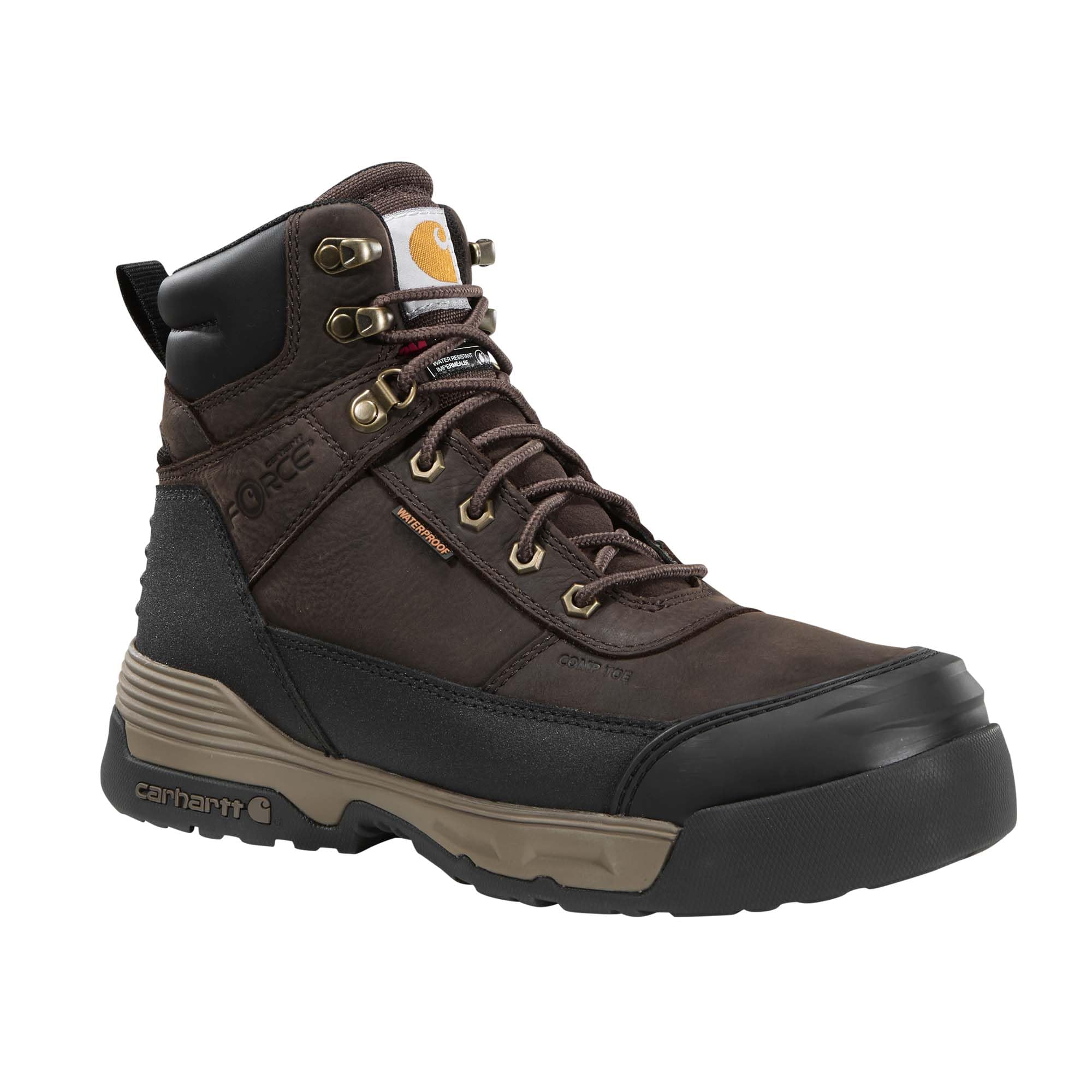
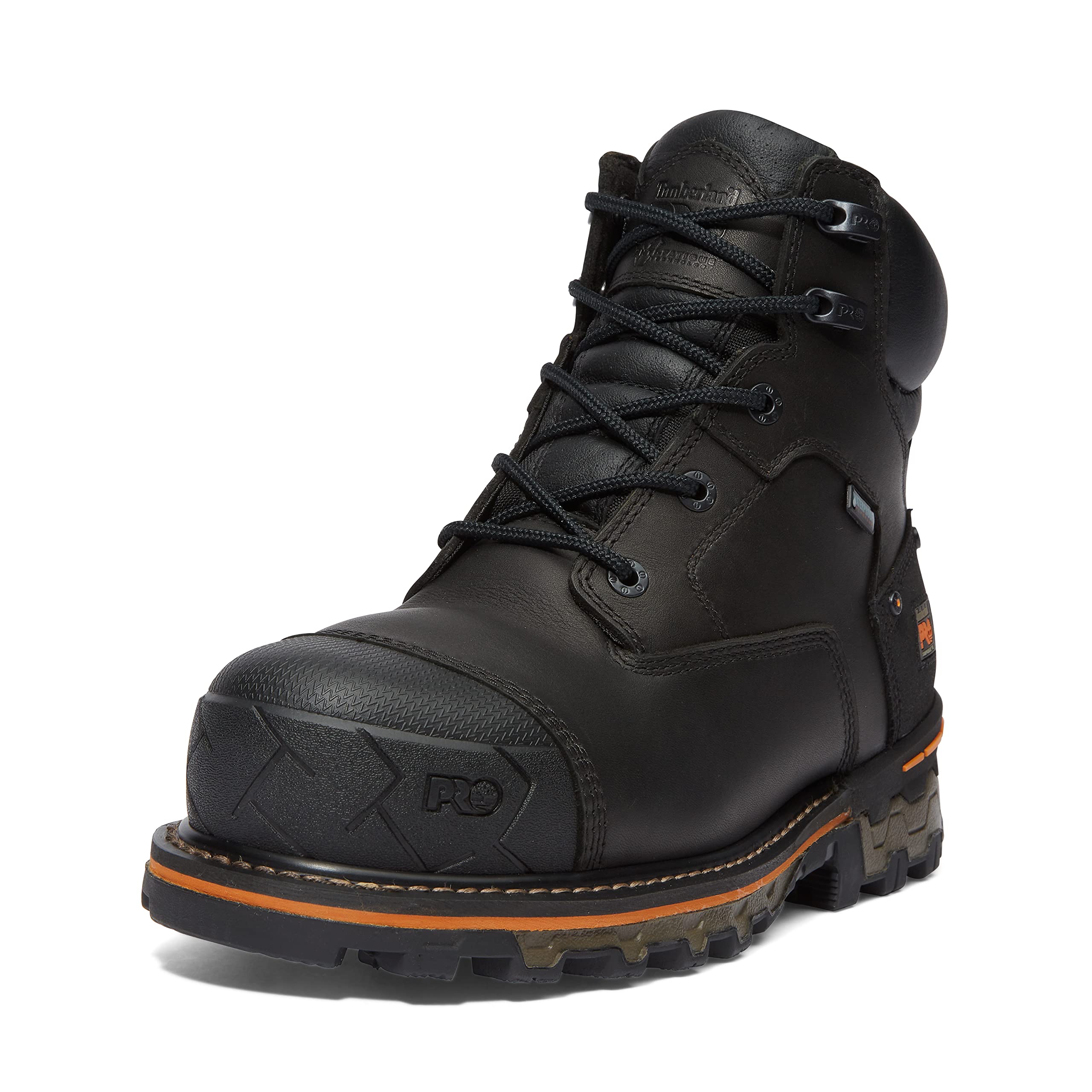
Delivery work is stop and go, so boots are judged by how they handle climbing in and out of the vehicle and the walking distance between doors, far more than by how they handle one long trail. The product table shows the picks in general, and the sections after it explain what each price band buys you.






What Your Money Buys at Each Price Band
Entry Band: about $50 to $90
Entry band boots cover the basics: a rubber sole with a general tread, a padded collar and a synthetic or blended upper. They suit new drivers and lighter routes while you learn what your route demands. Expect to replace them sooner, since soles and cushioning here wear down faster under daily stops.
Midrange Band: about $90 to $150
The midrange is where most full time drivers settle. Soles grip better on wet concrete, cushioning holds its shape for more months, and uppers mix leather with mesh panels so feet stay cooler. Drivers comparing dedicated work builds often start with the guide to best work boots for delivery drivers, since this band is where true work boot construction begins.
Premium Band: about $150 to $220
Premium boots buy durability and weather sealing: full leather uppers, membranes that keep rain out longer, and soles that keep their edges after a year of curbs. They make sense in wet or cold regions, and a pair lasting two seasons can undercut two cheap pairs.
How to Choose the Best Boots for Delivery Drivers
Grip on Wet Steps and Porches
Wet steps and porches are where grip matters most on a route: painted wood, wet concrete and metal loading plates are where a delivery driver actually falls. Look for a soft rubber sole with many small edges rather than deep trail lugs, because small edges bite smooth wet surfaces while deep lugs skate on them. No boot promises you will not fall, so grip is about stacking the odds.
Drivers on northern routes face the same surfaces under ice and slush for months, and the guide to best winter boots for delivery drivers covers the insulated builds made for that season. If your route is wet more than cold, a waterproof midrange boot usually serves better.
Fit, Sizing, and Toe Box
Feet swell across a shift, so try boots late in the day and in the socks you work in. You want a thumb width ahead of the longest toe, a heel that stays seated when you climb a step, and a toe box wide enough that your toes never stack when you crouch. A boot that fits at breakfast and pinches by the afternoon route is the wrong size.
Length is only half of fit. Drivers who spend hours on concrete often do better in a wider fitting at their normal length. If you fall between sizes, the larger size with a thicker insole usually beats a tight boot.
Cushioning and Support
Route work mixes standing, walking and short carries, so cushioning has to absorb step shock without feeling unstable under a load. A firm heel with a cushioned forefoot suits most drivers, and a modest heel to toe drop of about 8 to 12 mm keeps calves comfortable across a long day. Removable insoles are worth having, because replacing them at midlife restores much of the original comfort.
If your feet ache in a pattern that rest does not fix, ask your doctor rather than expecting a boot to solve it. Drivers who walk set routes on foot sometimes cross shop the guide to best walking shoes for delivery drivers for lighter options.
Safety Toes and Employer Rules
Some depots and warehouse stops require rated footwear. Where your employer requires a toe rating for the work, the certified rating decides, and a rating covers a defined hazard rather than promising protection from every injury. Check your employer handbook before you buy, because a soft toe boot that suits the route may still be barred from your loading dock.
Composite toe builds keep weight down and stay warmer in winter than steel, while steel remains the slimmest profile. Either way, the safety version runs heavier than the soft toe version, so only pay that weight penalty when your work requires the rating.
Upper Materials and Breathability
Full leather uppers shrug off scuffs and last the longest, but they run warm in summer and take time to break in. Mesh and knit panels breathe far better and feel light from the first shift, yet they soak quickly and wear faster at flex points. Many midrange boots split the difference with leather at the toe and heel and mesh along the sides.
Think about your climate honestly. A driver in a hot dry region loses more shifts to overheated feet than to rain, while a wet region driver has the opposite problem. The upper that suits your weather is the right upper.
Waterproofing and Wet Routes
A waterproof membrane keeps feet dry through puddles, wet grass and steady rain, and on a route you cannot skip the wettest garden path of the day. The guide to best waterproof boots for delivery drivers compares membrane builds. Remember the trade: membranes breathe less, and water that enters over the collar stays inside.
Treat waterproofing as route insurance rather than a default. If most stops are urban and under awnings, a water resistant leather boot with good grip may serve you better and breathe more. Save the full membrane build for routes where wet feet are a weekly certainty.
Types of Boots on a Route
Lightweight Mesh Boots
Light mesh boots feel like sturdy trainers with ankle coverage. They are the coolest and lightest class, quick to break in, and kind to drivers who cover long distances on foot in warm weather. The cost is lifespan: mesh abrades, soaks in rain, and offers the least support under heavy carries.
Leather Work Boots
The leather work boot is the route standard: durable upper, supportive shank and a sole built for mixed surfaces. It is also the heaviest class and the slowest to break in, so give a new pair short shifts before a full route week.
Insulated Winter Boots
Insulated boots add a warmth layer and usually a more aggressive sole for snow covered steps. They are the right class when your route runs through real winter, and overkill the rest of the year. Most cold region drivers run two pairs across the year rather than forcing one pair to do every season.
How to Make Your Boots Last Longer
- Rotate two pairs on alternate days when you can, because foam needs about a day to recover and a rested pair lasts far longer.
- Dry wet boots at room temperature away from direct heat, since hot air cracks leather and warps sole glue.
- Brush off road salt and grit after winter shifts, because salt dries leather and grit grinds at stitching.
- Replace the insoles when cushioning feels flat, usually before the upper or sole wears out.
- Retire boots when sole edges round off or the heel wears unevenly, since worn soles are the main grip risk on wet steps.
Boots: Your Questions Answered
What features matter most in boots bought for delivery drivers?
Grip on wet smooth surfaces matters most, because porches and painted steps are where route falls happen. Next come fit that survives swelling across a shift and cushioning that still works at the last stop. Waterproofing and safety toes depend on your route and employer rules. A boot that nails grip and fit will serve you better than a feature heavy boot that fails either one.
Do delivery drivers need waterproof boots for route work?
Drivers on wet routes do, because one soaked pair means wet feet for the rest of the shift and a boot that takes a day to dry. Drivers on mostly urban routes with covered stops can often manage with water resistant leather instead. If you buy one pair only and your region rains often, choose the membrane build. If rain is rare where you work, breathability will serve you more days of the year.
How long is the break in period for new delivery boots?
Leather work boots usually need about one to two weeks of shorter shifts before they feel fully yours. Mesh and synthetic builds often feel fine within a day or two. Never debut a brand new pair on your longest route day. If a boot still rubs or pinches after two full weeks of regular wear, the fit is wrong and more time will not fix it.
How should delivery boots fit at the end of a shift?
They should still feel secure at the heel with room for your toes to spread when you crouch and lift. Check the fit late in the day, since that is the size your feet will be at the final stop. Your longest toe should clear the front by about a thumb width, and no seam should press on a toe joint. A fit that only works in the morning will fail you every afternoon.
Can delivery drivers wear one pair of boots all day, every day?
One pair can cover a full shift, but wearing the same pair every day shortens its life and keeps cushioning permanently compressed. Rotating two pairs, even two modest ones, usually gives better comfort and more total months of wear. If budget allows only one pair, choose the midrange band and replace the insoles at midlife. Retire the pair when sole grip fades, not when the upper finally gives up.
Final Thoughts
Choose for the route you actually run: grip for wet steps, a fit that survives the afternoon, and the weather build your climate demands. The picks in the table show how the bands and types compare. Matched to your stops that way, the best boots for delivery drivers become the quietest part of your working day. Guides written for a single carrier, such as best shoes for fedex delivery drivers, treat that carrier as an employer whose rules resemble most large fleets, so the fit and grip advice here still applies.