Best Bootie Socks for 2026
Disclosure: We may earn a commission when you buy through links on this page, at no extra cost to you. As an Amazon Associate I earn from qualifying purchases. Learn more
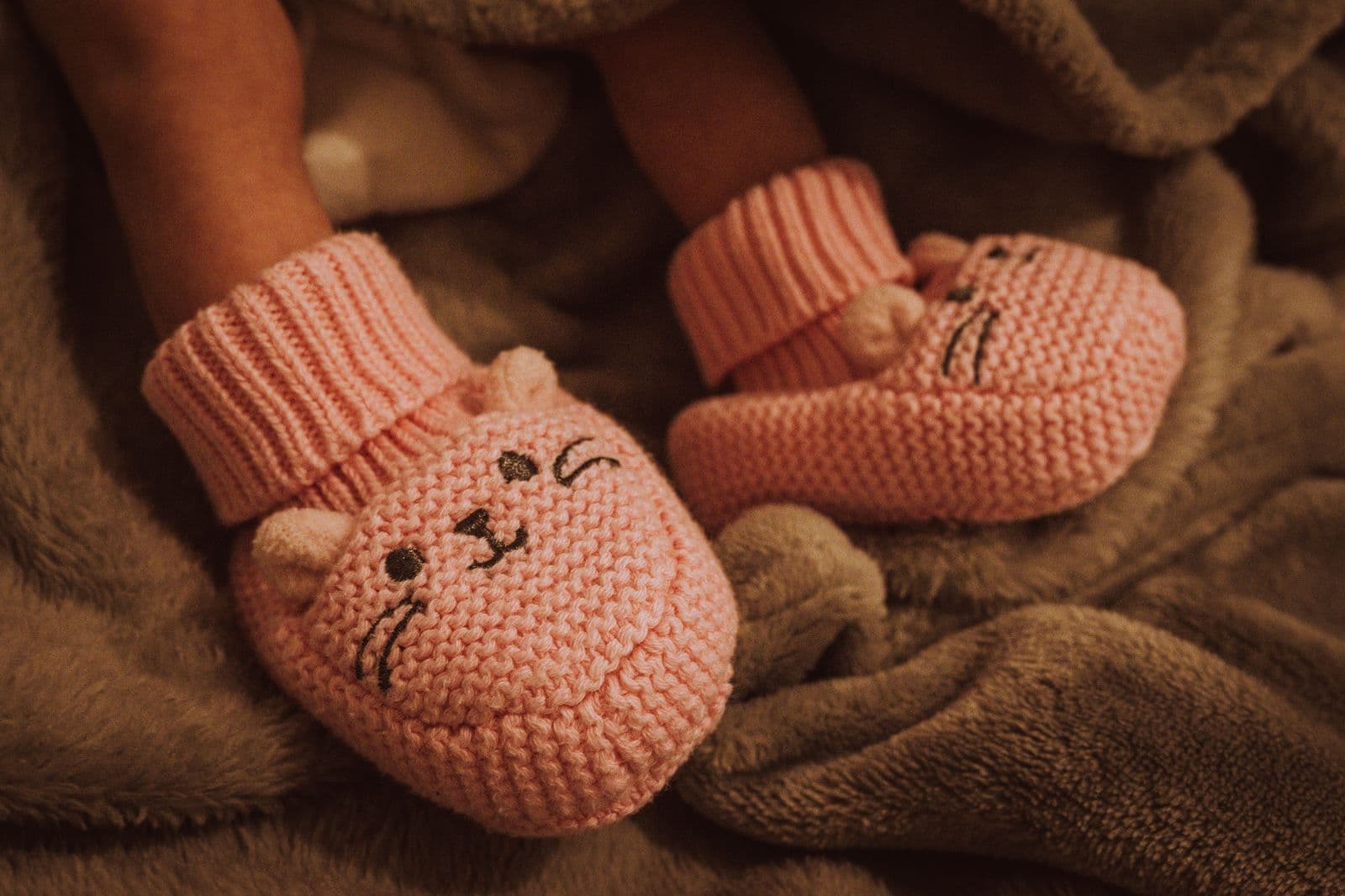
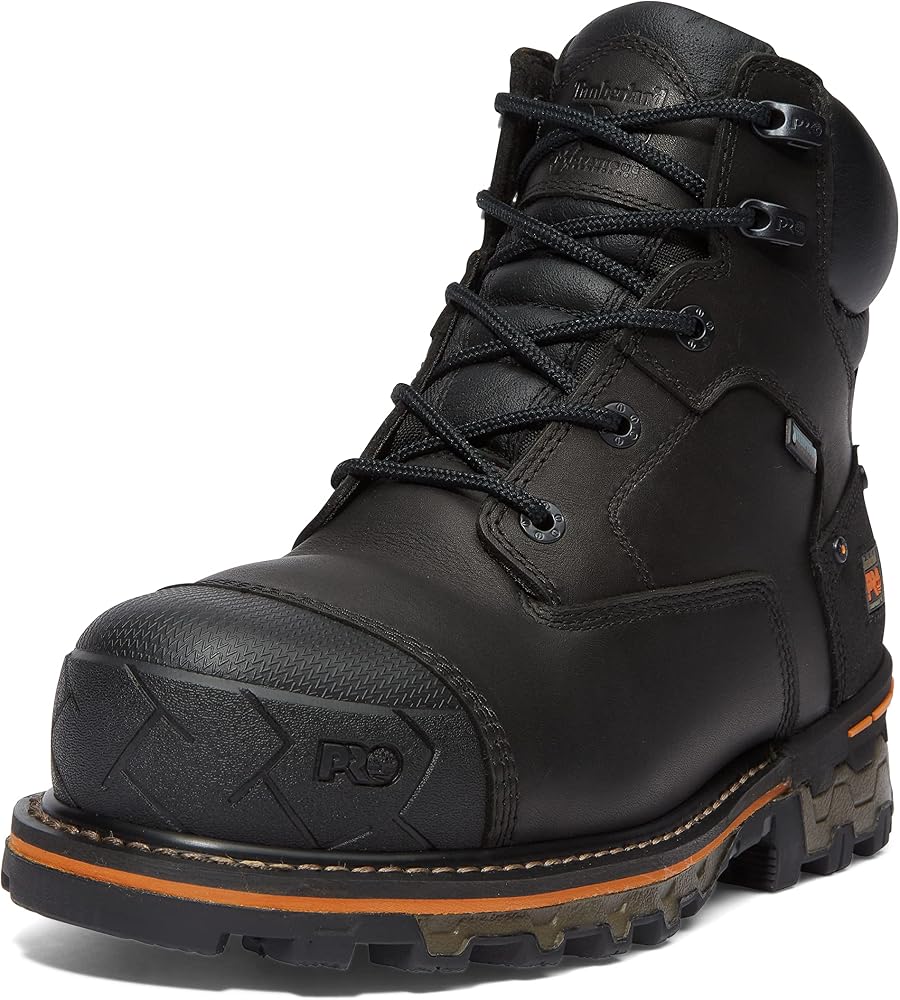
Best bootie socks come down to fabric, fit, grip, and care. Match the pair to your shoes, your routine, and your budget.
Choosing the best bootie socks starts with how you will wear them, not with a single favorite pair. A low cut sock that stays put in a sneaker can slip inside a boot, and a thick cushioned pair can crowd a snug shoe. This guide explains what to check before you buy, from fabric and fit to grip and care.
Think about your shoes, your daily mileage, and how often you wash socks. A commuter who walks to the station needs different grip and breathability than someone who wears boots on a long shift. Once you know those answers, fabric, fit, and care become much easier to judge.
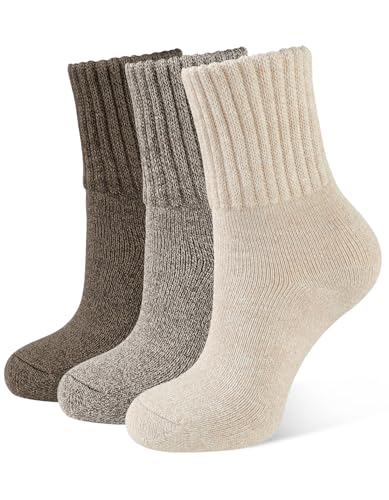
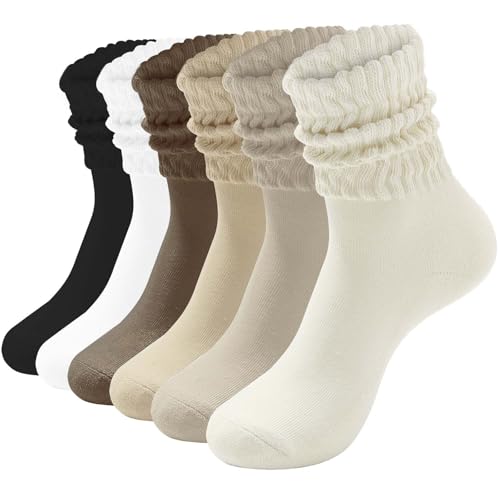
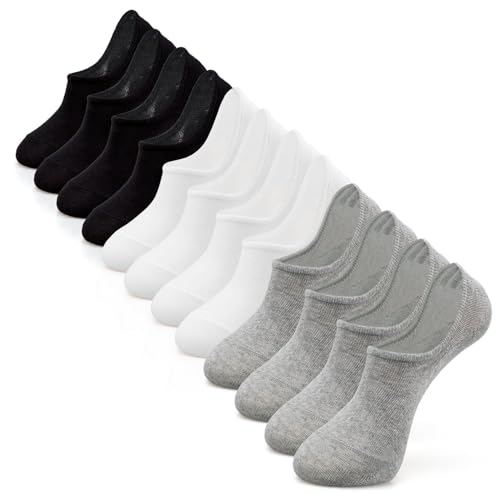
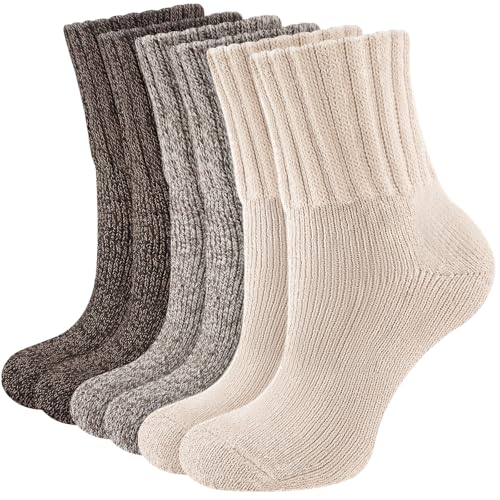
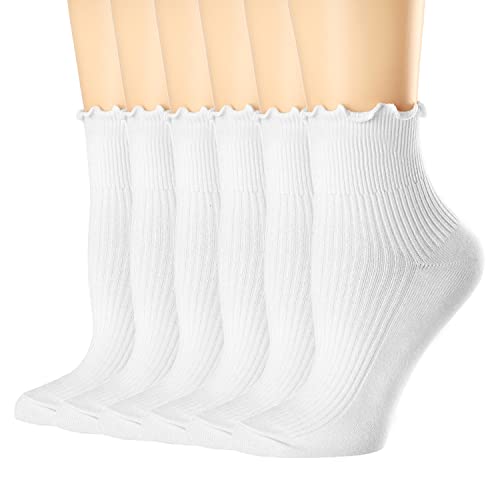
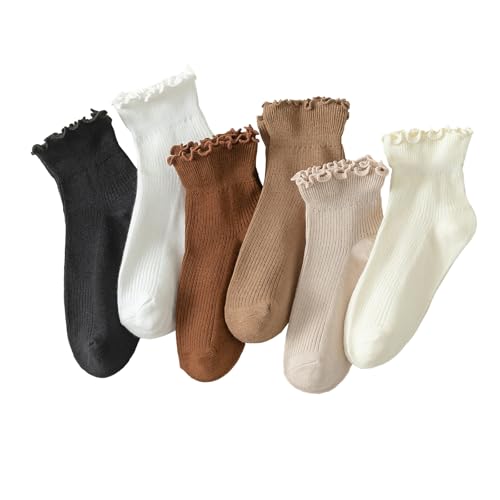
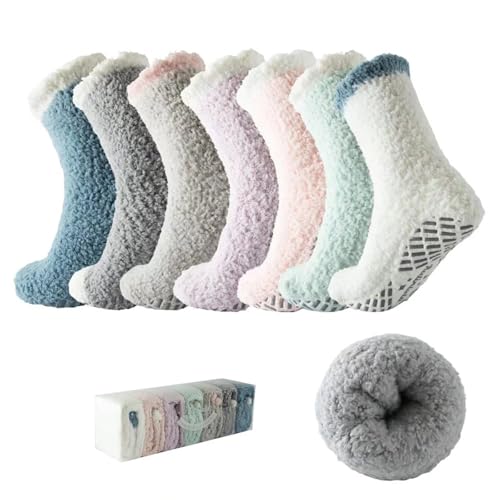

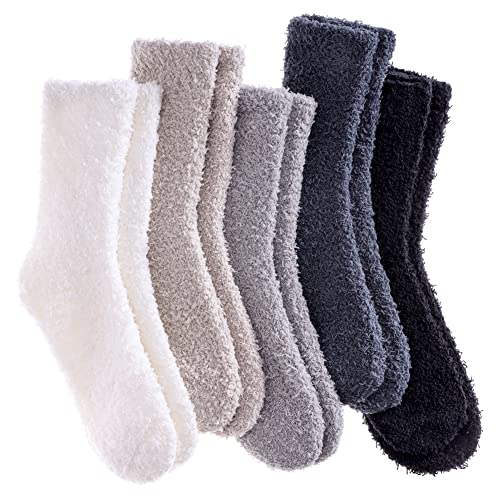
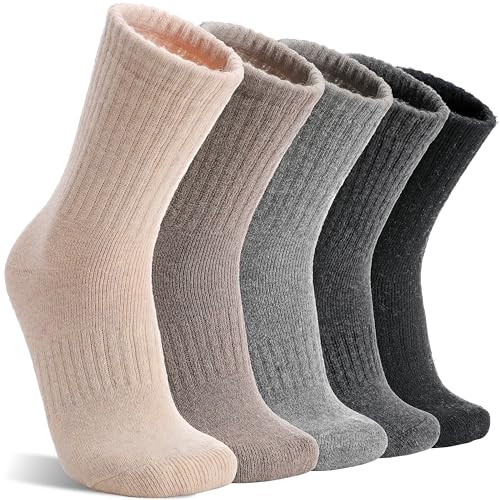
Who Should Buy Which Bootie Socks
For Everyday Wear Around the House and Town
If you mainly want comfort for errands, school runs, and time at home, look for a soft, medium weight pair with a snug heel and a smooth toe seam. Breathable cotton blends feel easy against the skin, and a light grip print can help on smooth floors. Avoid very thick padding unless your shoes have room for it, because extra bulk can make a well fitting shoe feel tight.
For Long Days in Boots
Boot wearers need a sock that stays up, resists rubbing at the ankle, and handles sweat over many hours. A taller bootie cut that sits above the boot collar helps, as does a blend with moisture wicking fibers that move dampness away from the foot. Check the heel and toe reinforcement too, since those areas wear first inside a stiff boot.
For Active Use and Warm Weather
Runners, walkers, and gym goers usually do best with a lightweight pair made for airflow. Mesh panels, a thin profile, and quick dry fibers keep feet cooler during hard effort. A secure fit matters even more here, because a sock that bunches or slides can cause blisters long before the end of a workout.
Key Features of the Best Bootie Socks
Fabric and Material
Cotton blends feel soft and familiar, but they hold moisture longer than synthetics. Nylon and polyester blends dry faster and often hold their shape better after many washes. Merino blends add warmth without much bulk and tend to resist odor, which suits multi day trips. Read the fiber mix rather than the front label, and match it to your climate and activity level.
Padding and Cushioning
Padding changes both comfort and fit. Light cushioning suits tight shoes and warm days, while medium cushioning suits boots and long standing shifts. Targeted padding under the heel and forefoot can soften impact without adding bulk everywhere. If the shape of your shoe already feels snug, choose the thinner option and try it with the shoes you will actually wear.
Fit and Sizing
Bootie socks should hug the arch and heel without pinching the toes. Check the maker size chart and measure your foot if you sit between sizes, since sizing varies between makers. A sock that is too large will bunch, while one that is too small will pull down at the heel. Look for a shaped heel pocket rather than a simple tube shape, because it stays in place better.
Breathability and Moisture Control
Ventilation zones across the top of the foot let heat escape during activity. Moisture wicking fibers help by moving sweat toward the surface, where it can dry faster. This matters most in warm weather and during exercise, but it also helps in boots, where trapped dampness can lead to odor and discomfort. Avoid heavy, dense knits for hot conditions.
Grip and Staying Power
Some bootie socks add a light grip print on the sole, which helps on smooth indoor floors and inside loose shoes. Others rely on elastic around the arch and ankle to stay put. If you wear slip on shoes, check how the sock behaves when you step in and out, since that motion pulls many low cut socks down. A deeper heel tab can also help you pull the sock up and keep it there.
Durability and Care
Reinforced heels and toes last longer, especially for people who walk a lot or wear boots daily. Check whether the maker recommends machine washing in cold water and air drying, which usually preserves elastic and grip prints. Skip fabric softener on technical fabrics, since it can coat fibers and reduce moisture control. Replace pairs when the heel thins or the elastic no longer holds, rather than waiting for a hole.
Weather Protection
For cold mornings, a thicker merino blend adds warmth without the bulk of a full crew sock. For sun and heat, look for light colors and breathable knits, and remember that no sock replaces sunscreen on exposed skin. Water resistant finishes can help in light dampness, but they wear off with washing, so refresh the finish only if the maker says it is safe for that fabric.
Types of Bootie Socks
Everyday and Casual Options
Everyday pairs favor softness, easy care, and a low profile that hides inside sneakers and loafers. They suit short walks, office days, and home use, and they usually cost less than technical pairs. Their main limit is moisture control during hard activity, so they are not the best choice for long runs or hot workdays.
Lightweight Options
Lightweight pairs use thin knits and mesh to stay cool and fit tight shoes. They suit runners, cyclists, and anyone who dislikes bulk inside a shoe. They dry quickly and pack small for travel. Their trade off is less padding, so they may feel thin on hard floors or during very long days on your feet.
Performance and Athletic Options
Performance pairs add targeted cushioning, arch support bands, and ventilation zones for sustained activity. They suit training, hiking in low cut shoes, and long walks. They cost more than basic pairs, but the shaped fit and reinforced zones can pay off if you are active most days. Check the care label, since some technical blends need gentler washing.
Spending Levels: What Changes as Prices Rise
Budget pairs, at about $5 to $15 for a multipack, usually offer simple cotton blends and basic elastic. They work well for everyday use and for stocking up, but they may lose shape sooner. Midrange pairs, at about $15 to $30 for a multipack, often add better heel shaping, reinforced zones, and moisture wicking blends.
Premium pairs, at about $30 to $50 for a multipack, tend to use merino or advanced synthetics, with finer knitting and longer lasting elastic. Spending more makes most sense if you are active daily or wear boots for long shifts.
If you want a closer look at socks made for taller footwear, see our guide to best socks for boots before you decide on a bootie cut. For softer indoor pairs, our guide to best bootie slippers covers warmer options for home use. Readers who need socks for work boots should compare the taller styles in our guide to best socks for work boots, since boot height changes the fit you need.
Setup and Care Tips
- Wash in cold water and air dry when you can, since heat breaks down elastic over time.
- Skip fabric softener on technical fabrics, because it can coat fibers and reduce breathability.
- Refresh any water resistant finish only if the maker recommends it for that fabric.
- Follow the maker size chart rather than guessing, and try a new pair with the shoes you will wear most.
- Rotate several pairs so each one rests between wears, which helps elastic recover.
- Check the heel and toe for thinning before a long day, and retire pairs that no longer stay up.
Maker safety guidance is simple but worth following: keep small parts such as clips or tags away from children, and check the care label before washing a new pair. If a sock causes redness or irritation, stop wearing it and try a different fiber blend.
Frequently Asked Questions
How should bootie socks fit?
Bootie socks should fit snugly around the arch and heel, with enough room for your toes to spread naturally. A good fit stays in place when you walk, without sliding down at the heel or bunching under the foot. If you sit between sizes, try the smaller size first for low cut styles, since a loose sock slides more easily. Also check the fit with your usual shoes, because shoe volume changes how a sock feels.
What fabric is best for hot weather bootie socks?
Lightweight synthetic blends and thin merino blends usually work best in hot weather, because they dry faster than heavy cotton. Look for mesh ventilation across the top of the foot and a thin profile that does not trap heat inside the shoe. Light colors can feel cooler in direct sun, though the shoe itself matters more than the sock color. Avoid thick, dense knits on very hot days, since they hold sweat against the skin.
Are premium bootie socks worth it?
Premium pairs can be worth it if you are active daily, wear boots for long shifts, or replace cheap pairs often. The extra cost usually buys better heel shaping, reinforced wear zones, and fibers that hold up after many washes. For occasional use around the house, a budget multipack often does the job just as well. Judge value by how long a pair keeps its fit, not by the price tag alone.
How do I wash technical bootie socks?
Wash technical socks in cold water on a gentle cycle, then air dry them when possible. Turn them inside out so the inner fibers get cleaned and the outer surface wears less. Skip fabric softener and bleach, since both can damage moisture wicking finishes and elastic. If you must use a dryer, choose low heat and remove the socks promptly, because high heat shortens their life.
Can bootie socks work with sandals?
Bootie socks can work with closed sandals and sport sandals, though they look and feel different from wearing sandals barefoot. A thin, breathable pair adds warmth on cool evenings and can reduce rubbing from straps. For open sandals, check the strap layout first, since a sock can change how the straps sit. Our guide to best socks for sandals explains which styles pair best with open footwear.
The Bottom Line
Fit, fabric, and intended use matter more than any single feature. Start with your shoes and your daily activity, then choose a fiber blend and cushioning level that suits them. The best bootie socks are the ones that stay put, breathe well, and still feel comfortable at the end of the day. Use the buying points above to pick the pair that matches your routine and budget.