
Best Boot Slippers Womens by Budget: A Smart Guide for 2026
Disclosure: We may earn a commission when you buy through links on this page, at no extra cost to you. As an Amazon Associate I earn from qualifying purchases. Learn more

Compare best boot slippers womens by budget tier, warmth, fit and sole grip with a clear checklist for cozy indoor and outdoor comfort at home.
Boot slippers can cost under $20 or well over $100, and the price gap is not always obvious from photos. This guide shows you where extra money actually improves warmth, cushioning and durability, and where it simply pays for styling. If you want the best boot slippers womens styles for your home and your floors, start with the comparison table below, then use the tiers here to match a budget to the features you will feel every day.
Boot height matters more than many buyers expect. A taller shaft keeps ankles warm on cold floors and helps the slipper stay on when you climb stairs. At the same time, extra height adds weight and can feel bulky in mild weather, so your climate and your daily routine should drive the choice.
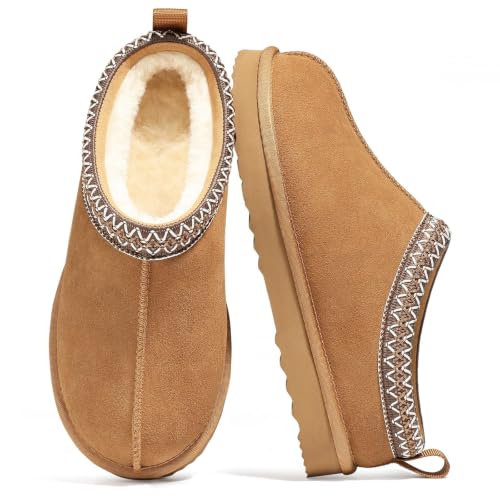

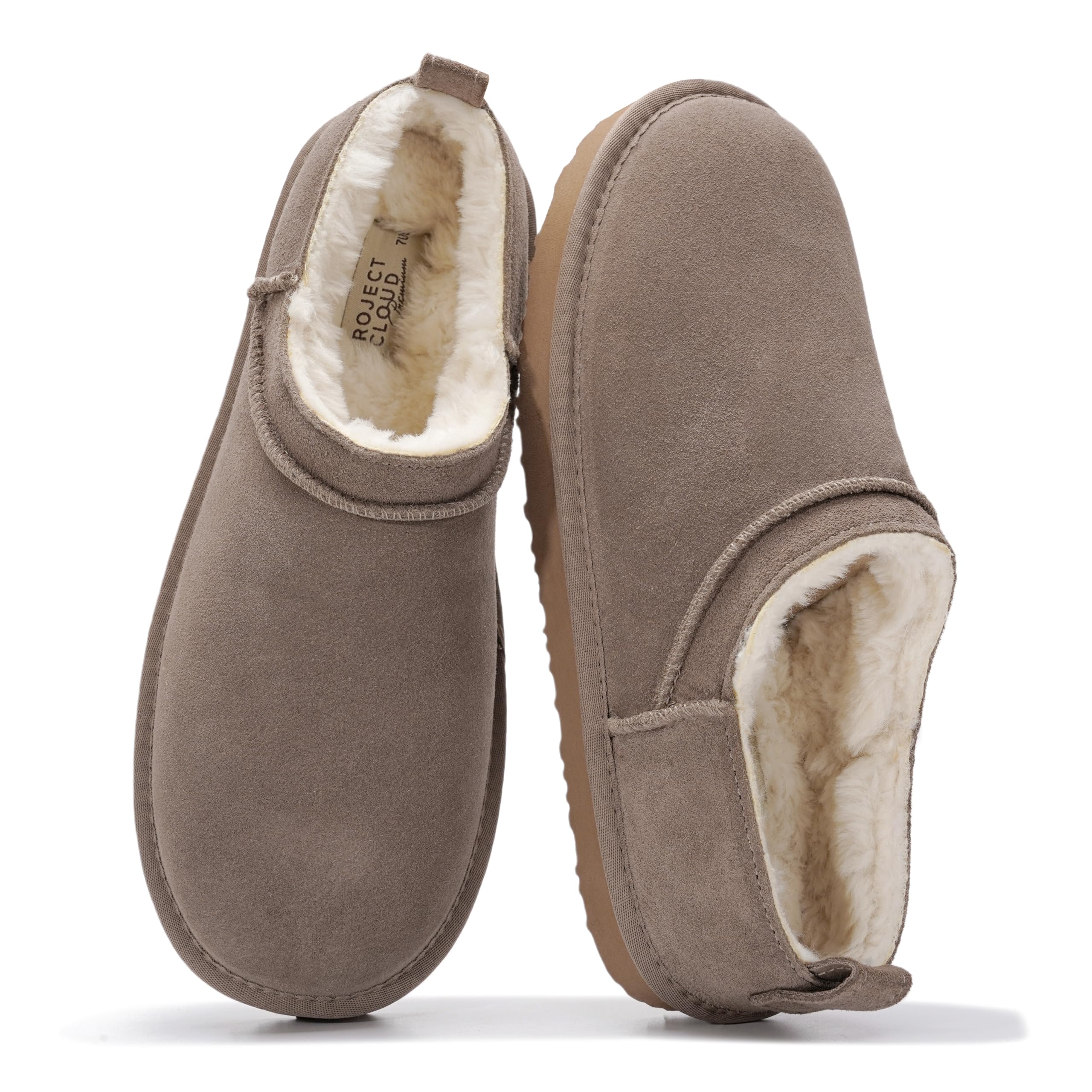
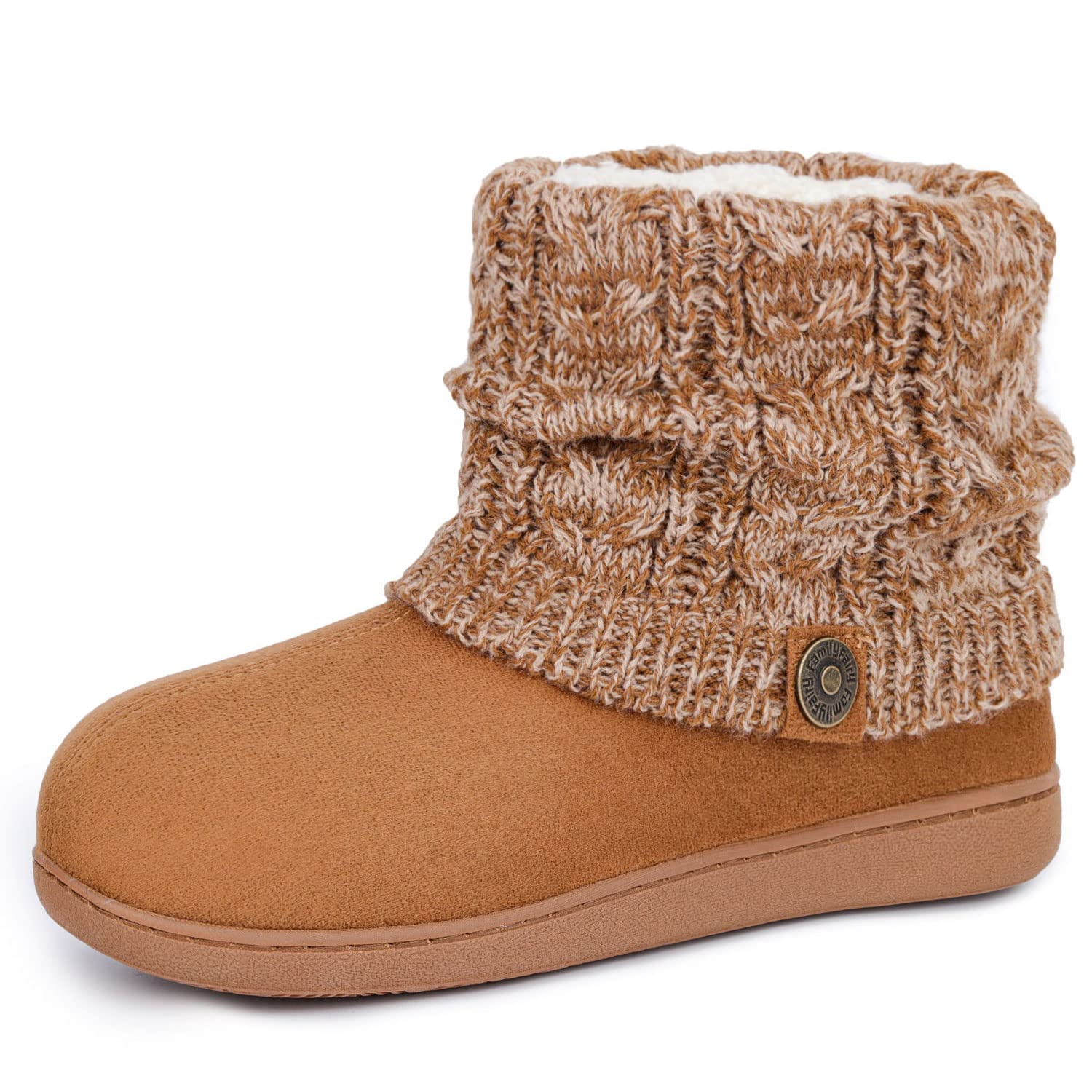
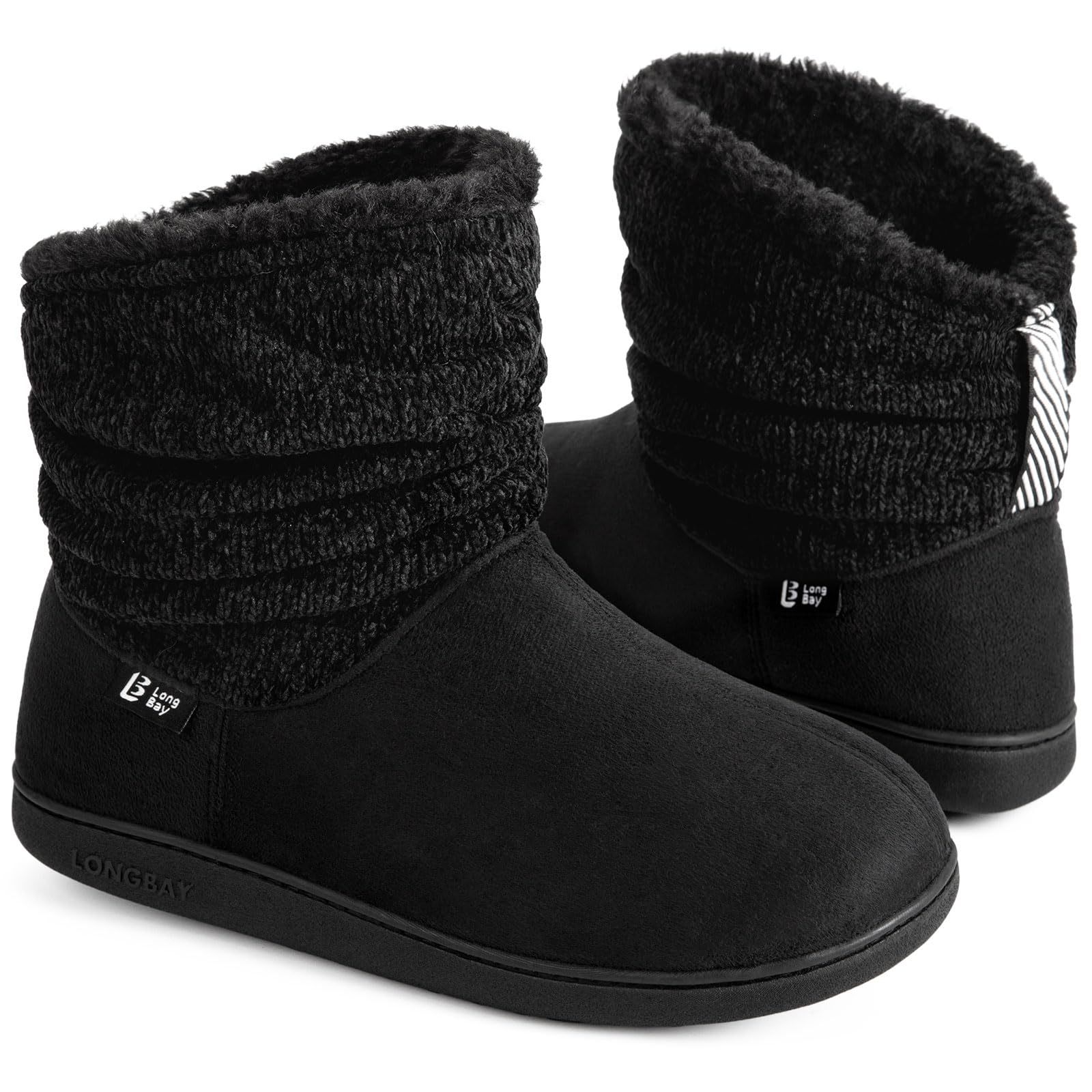

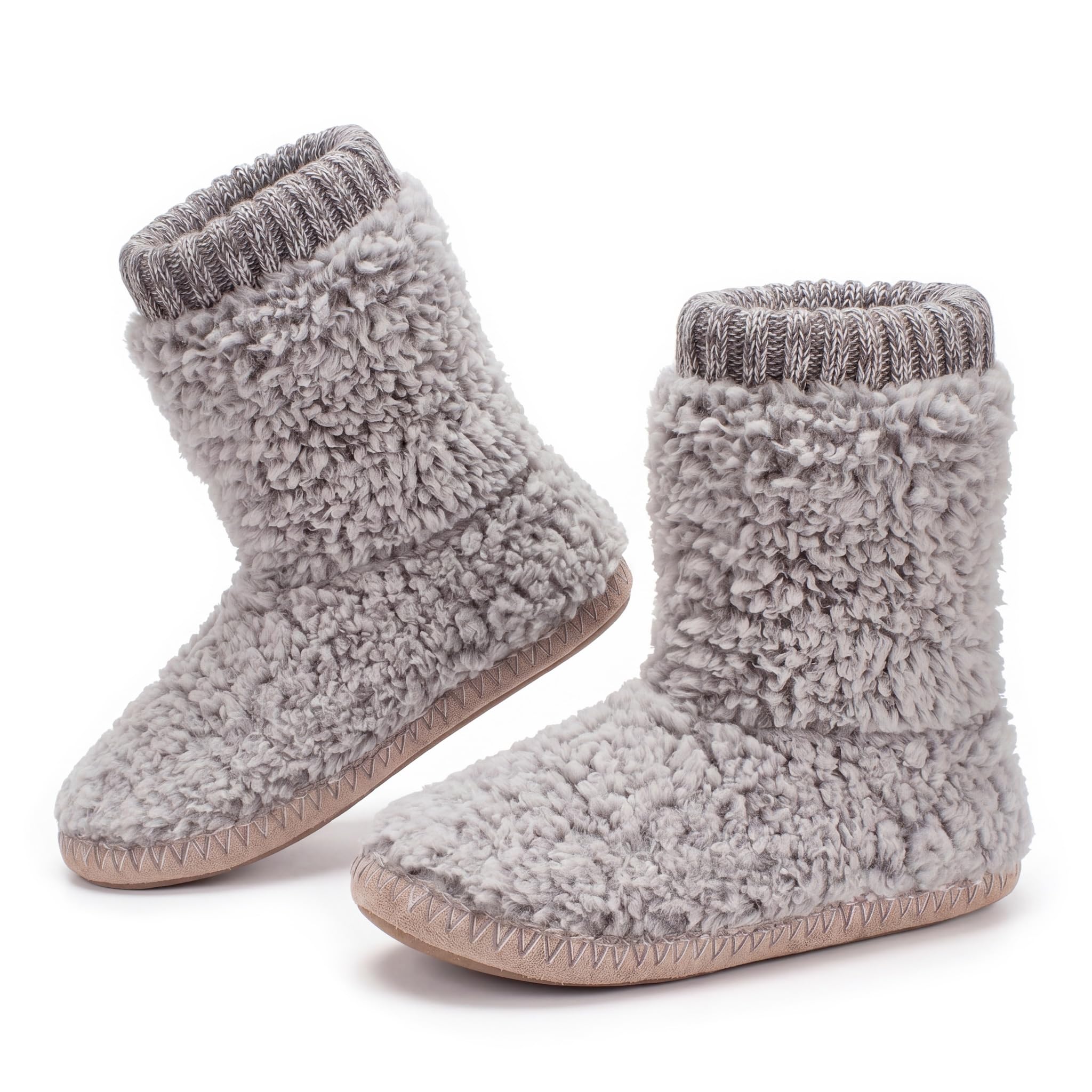

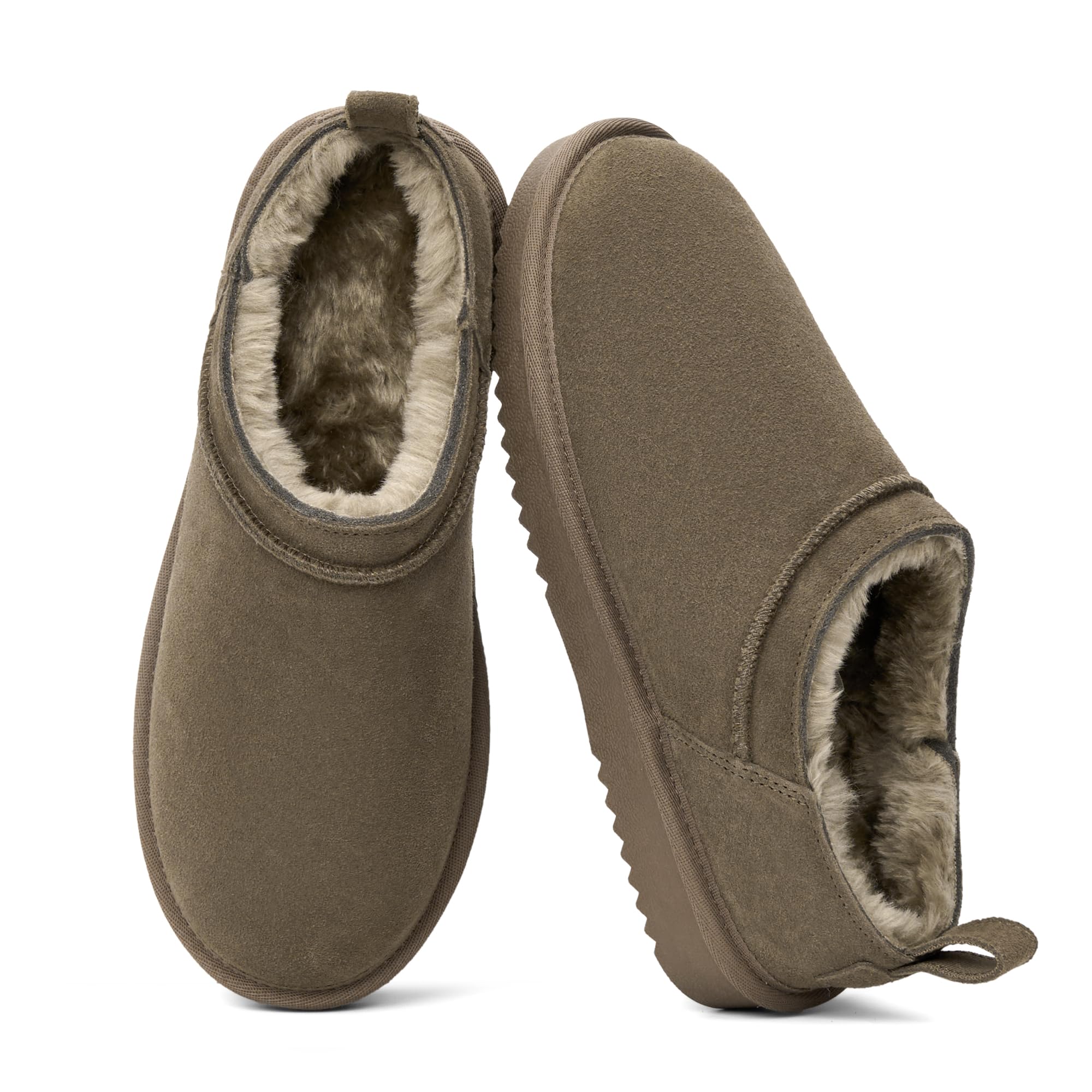
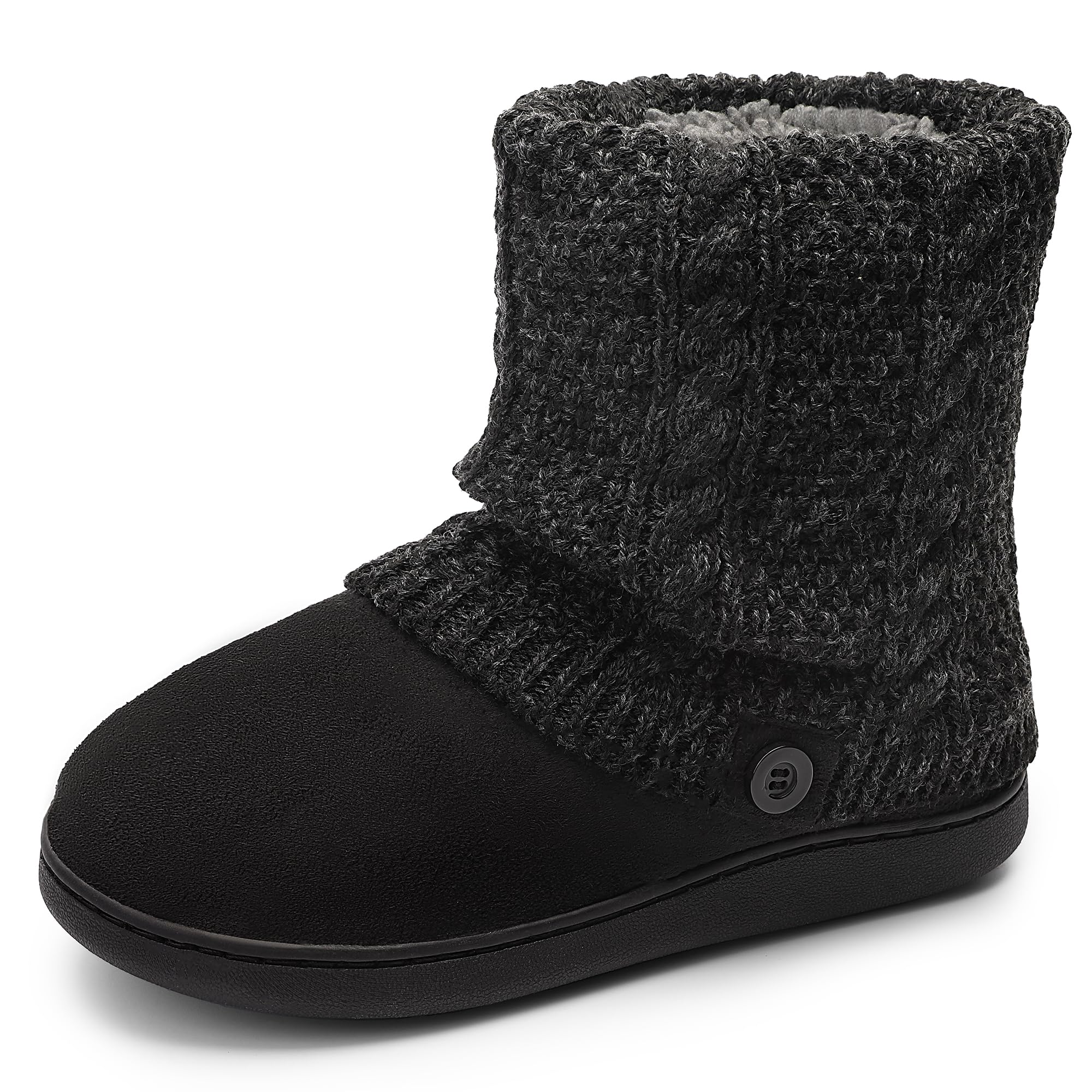
How to Shop by Budget Without Overspending
Before you compare colors, decide how you will actually wear the slippers. Hours of mostly seated wear call for soft cushioning above all. Constant trips to a garage, porch or mailbox call for a firmer outsole and a shaft that grips the ankle. That one decision tells you which tier deserves your money.
The Budget Approach: Warmth First, Extras Later
On a tight budget, spend on a complete warm lining and a sole with real tread, and skip decorative extras. Look for full fleece or wool blend lining that reaches the toes, because thin lining at the toe is where cheap pairs feel cold first. Check that the outsole is rubber or a firm rubber blend rather than soft fabric. A fabric sole wears smooth quickly and can feel slippery on tile or wood.
The Midrange Approach: The Sweet Spot for Daily Wear
Midrange pairs usually add the upgrades daily wearers notice most, including denser cushioning, better stitching and more consistent sizing. This is the tier where arch support starts to feel supportive rather than decorative. If you stand in the kitchen for long stretches, this tier often gives the best balance of comfort and cost. It is also where washable designs and replaceable insoles become more common.
The Premium Approach: Materials and Longevity
Premium pricing should buy materials that hold up, such as genuine suede or leather uppers, natural wool lining and a sturdier outsole. These pairs tend to keep their shape longer and resist the flattened, sloppy fit that develops in soft budget pairs. Pay this much only if you wear slippers for hours daily or want one pair to last several winters. If your wear is light and seasonal, the premium tier is easy to skip.
What Your Money Gets You at Each Price Tier
Price tiers overlap between brands, so use the features below as your guide rather than the tag alone. A well made pair at a lower tier can beat a poorly made pair above it. Still, each tier has a typical pattern of strengths and trade offs that helps you spot fair value quickly.
Budget Tier: What to Expect
Budget pairs, often under $30, usually offer synthetic uppers, basic fleece lining and foam cushioning that feels plush at first. The trade off is lifespan, because thin foam compresses within a season and stitching may be light. This tier suits guest rooms, mild climates and occasional wear. Inspect product photos for lining that covers the full foot and for an outsole with visible tread pattern, since those two details separate the better budget pairs from the rest.
Midrange Tier: The Sweet Spot for Most Buyers
Midrange pairs, often about $30 to $70, typically add memory foam or layered foam cushioning, stronger seams and uppers that resist scuffs. Many include a more supportive footbed and a wider range of sizes, including half sizes in some lines. For most women who wear slippers daily through winter, this tier delivers the comfort upgrades that matter without paying for luxury materials. Expect warmth and support to feel noticeably better than budget pairs after a full evening of wear.
Premium Tier: When Spending More Pays Off
Premium pairs, often above $70, focus on natural materials, careful construction and soles built for regular outdoor steps. Wool lining regulates temperature better than most synthetics, so feet feel warm without heavy sweating. Uppers tend to age gracefully rather than peeling or cracking. This tier pays off for women with cold floors, long daily wear or a preference for buying once and keeping a pair for years. It pays off far less for warm climates or short daily wear.
Features Worth Paying For and Ones to Skip
Some features change how a slipper feels within the first hour, while others only show up in marketing copy. The sections below sort the details that deserve part of your budget from the ones you can safely ignore. Keep your own floors, feet and routine in mind as you read, because the right answer shifts with each factor.
Weight and Flexibility
A lighter slipper feels effortless for quick trips around the house, while a heavier build often signals a thicker sole and more protection outdoors. Flex the sole in product videos or descriptions when you can, because a sole that bends at the ball of the foot walks more naturally. Very stiff soles can feel clunky on stairs. Very soft soles offer little protection on gravel or cold concrete. Aim for a middle ground unless your use is purely indoors on carpet.
What Women Should Look For
Women often deal with narrower heels and varied instep heights, so look for a shaft and collar that hold the heel without squeezing the ankle. An adjustable collar or a snug knit cuff helps if your feet slide inside standard slipper shapes. If you plan to compare broader styles as well, our guide to the best women's slippers covers lower cut options that suit warmer homes. For boot styles specifically, confirm the opening lets you step in easily while still feeling secure once your foot is inside.
Upper Materials and Breathability
Suede and leather uppers block drafts well and suit cold houses, but they need care if they get wet. Knit and fleece uppers feel softer and lighter, though they pick up lint and may stretch over time. Breathability matters if your feet run warm, because a fully sealed warm lining can feel stuffy by evening. Wool is the standout here since it insulates while still moving moisture away from skin. Synthetic linings cost less and dry faster after washing, which suits busy households.
Fit, Sizing, and Toe Box
Measure your feet in the evening, when they are at their largest, and compare the measurement with the brand size chart rather than guessing your usual shoe size. A healthy fit leaves a small space in front of your longest toe while the heel stays put as you walk. A roomy toe box lets toes spread naturally and reduces pressure if you have bunions or wide feet. Many women find that sizing up works well when wearing thick socks. If you fall between sizes, choose based on sock thickness and foot width.
Long Term Costs to Factor In
The purchase price is only part of what a pair costs you. Foam insoles flatten over time, so a pair with replaceable insoles can stay comfortable longer for the price of one insert. Washing also has a cost in wear, since frequent machine cycles can loosen stitching on budget pairs. Consider how often you will replace the pair, because two budget pairs in two years can cost more than one midrange pair that lasts three winters. Storage matters too, as keeping slippers away from direct heat vents helps linings and glues last longer.
Think about use beyond the living room as well. If you step outside often, a pair that handles damp pavement will save you from buying a second outdoor pair later. Readers who need that flexibility can look at the best women's outdoor slippers for sole focused guidance. For mostly indoor wear on soft floors, the best women's bedroom slippers styles show what lighter construction looks like. Matching the pair to your real routine is the simplest way to control long term cost.
Frequently Asked Questions
What makes boot slippers for women different from regular slippers?
Boot slippers cover the ankle, which adds warmth and helps the slipper stay on during stairs and quick outdoor steps. Regular slippers leave the ankle open and feel cooler and lighter. Women specific boot styles also tend to use a narrower heel cup and collar shaping that reduces slipping. If your ankles get cold easily, that extra coverage is the main reason to choose the boot shape.
How often should I replace my boot slippers?
Replace boot slippers when the cushioning stays flat after a night of rest or the outsole tread looks smooth. For daily wear, that point often arrives after one to two years, sooner for budget foam pairs. A lingering odor that survives washing is another practical sign. Waiting too long can leave you with poor grip on hard floors, which raises the chance of a slip at home.
Are expensive boot slippers worth it?
Expensive boot slippers are worth it when the price buys natural wool lining, durable uppers and a sole you can wear outdoors daily. They are harder to justify for short seasonal use in a warm home. A useful test is cost per winter, since a premium pair worn for three winters can cost less per season than repeated budget pairs. Shoppers focused mainly on maximum warmth can also compare the best warm slippers women's category before deciding.
Can I wear boot slippers for women all day?
You can wear boot slippers for a full day at home if the pair offers real arch support and a stable sole. Flat, unsupportive pairs can leave feet and lower legs tired by evening. Rotate with supportive shoes if you stand for long periods, and take breaks from very warm linings on mild days. Older adults who need extra stability should review the best women's slippers for elderly guidance on secure fit and fall risk. Talk with a clinician if foot pain persists.
How should boot slippers fit?
Boot slippers should feel snug at the heel and midfoot with clear space at the toes. Your heel should lift only slightly as you walk, and the collar should hold without pressing hard on the ankle bone. Try them late in the day with the socks you plan to wear. If your toes press the front when you stand, move up a size, because length problems rarely improve as a pair breaks in.
The Bottom Line
Choose your tier by wear time, floor type and how cold your home gets, then check lining coverage, toe box room and outsole tread before anything else. Midrange pairs suit most daily wearers, while premium materials reward women who live in their slippers all winter. Use the product table above to compare the best boot slippers womens options side by side, and pick the pair whose strengths match your routine rather than the highest price.


