Best Boll and Branch Sheets (2026): Weaves, Fit and Buying Tips
Disclosure: We may earn a commission when you buy through links on this page, at no extra cost to you. As an Amazon Associate I earn from qualifying purchases. Learn more

Sateen, percale or flannel: how to choose the best Boll and Branch sheets by weave, pocket depth and how warm you sleep.
Choosing within one brand can feel harder than choosing between brands, because the names sound similar while the feel in bed is quite different. If you are comparing the best boll and branch sheets for your room, the real decision comes down to weave, fabric, pocket depth, and how warm you sleep. This guide walks through the main types, the comfort each one offers, the materials and certifications to check, and how each type handles temperature.
Use the comparison table below to line up sizes, weaves, and set contents before you order. If you want a broader view first, our guide to the best sheets shows how this brand sits alongside other fabrics and price points.


Sheet Types at a Glance
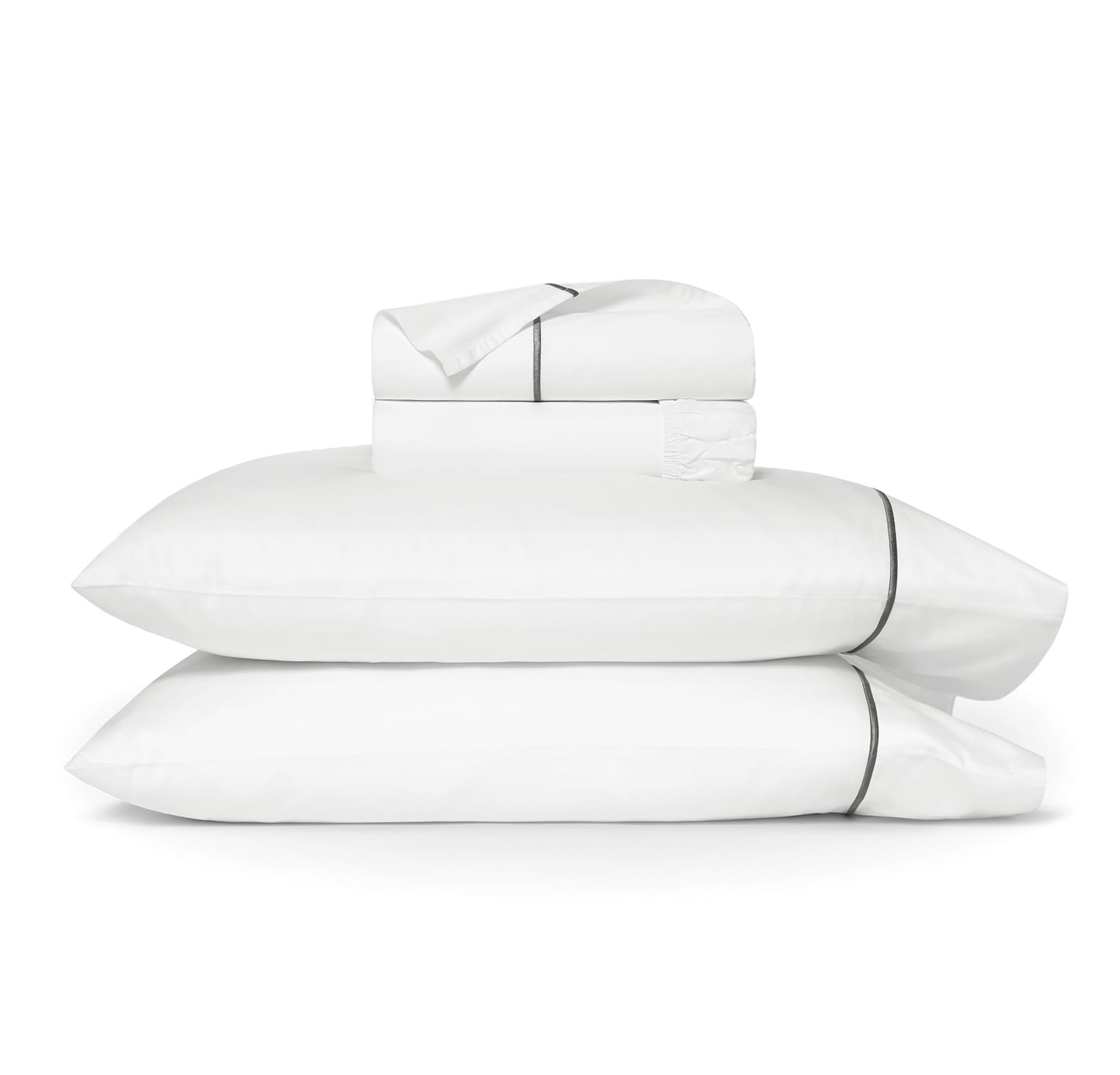
The lineup is built around organic cotton in a few weaves, plus linen and flannel for different seasons. The sateen styles feel smooth and slightly warm, with a soft sheen and a drape that sits close to the body. The percale styles feel crisp and matte, with more air moving through the weave, while linen feels textured and airy and flannel feels brushed and warm for cold rooms.
All of these types come as sets with a fitted sheet, a flat sheet, and pillowcases, in sizes from twin through California king. What separates them is the weave structure, the weight of the fabric, and the pocket depth of the fitted sheet, and those three points should drive your choice.
Three Sheet Types Compared
Sateen in Long Staple Organic Cotton
This is the type most shoppers picture when they think of this brand. Sateen places more yarn on the surface, so the fabric feels silky and smooth and drapes with a gentle weight. Long staple cotton fibers make a smoother yarn, which helps the surface stay soft after many washes. Choose it if you like a polished look, sleep at a normal temperature, and want a set that feels calm rather than crisp. It runs warmer than percale, so very warm sleepers may prefer a lighter option for summer.
Percale in Organic Cotton
Percale uses a plain weave, and the result feels crisp, light, and matte, a bit like a fresh hotel sheet. Air passes through more easily than it does through sateen, so the surface feels cooler early in the night. Choose it if you run warm, dislike any sheen, or want a sheet that feels structured rather than clingy. The trade off is texture. Percale can feel less silky at first and wrinkles more readily, though it softens gradually with washing while keeping that cool hand feel.
Linen and Flannel for Seasonal Needs
Linen and flannel solve opposite problems, so think of them as seasonal tools rather than upgrades. Linen has an open feel and a visible texture, moves air well, and handles moisture without feeling damp, which makes it a strong summer choice. Flannel is brushed cotton that traps warm air, so it feels cozy the moment you get into bed on a cold night. Neither replaces an everyday cotton set for most people. Linen costs more and looks relaxed, and flannel can feel too warm once the weather turns mild.
What Matters When You Compare This Lineup
Start with comfort and support, which for sheets means how the fabric feels on skin and how well the fitted sheet stays put. Then check materials and certifications, since this brand sells its cotton story as much as its weave story. Temperature regulation comes next, because the same cotton can sleep cool in percale and warm in flannel. Finish with durability, the trial period, and the warranty, since a premium set should give you time to sleep on it before you commit.
How to Choose the Right Sheets
Size and Form Factor
Match the sheet size to the mattress size first, then look at pocket depth, because depth is where many orders go wrong. Sizes run from twin and twin XL through full, queen, king, and California king, and a split king set gives you two fitted sheets for an adjustable base. Measure your mattress height including any topper before you choose. A fitted sheet that is too shallow pops off the corners, while one that is far too deep bunches under you. Confirm the stated depth range against your own measurement.
Type and Weave
Your weave choice sets the feel more than any other factor. Sateen gives you smooth and warm, percale gives you crisp and cool, linen gives you airy and textured, and flannel gives you brushed and warm. If you are torn between the two cotton weaves, read our guide to percale vs sateen for a closer look at how the surfaces differ after washing. Long staple fibers tend to pill less than short staple fibers. Shoppers comparing other cotton sets can also browse our roundup of the best cotton sheets for context on grades and pricing.
Features Worth Paying For
Deep pockets are the feature most worth the money, because a fitted sheet that stays anchored changes how the whole bed feels. Look for strong elastic that runs all the way around the fitted sheet rather than only at the corners, since full elastic keeps tension even as you move. Extra pillowcases are the next practical add on, especially if you want a spare set on laundry day. Tags that mark the top and bottom of the fitted sheet also save time. Decorative hems add looks only, so pay for them last.
Sleep Position and Body Type
How you sleep changes what you notice in a sheet. Side sleepers press shoulders and hips into the fabric, so a smooth sateen surface that slides a little can feel gentler than a crisp weave that grabs. Back and stomach sleepers notice bunching more than friction, so accurate pocket depth and firm elastic matter most for you. If you share the bed and one of you moves a lot, full elastic and a flat sheet with enough width to tuck in will reduce pulling. Taller sleepers should check flat sheet length, since a short sheet untucks at the foot.
Materials and Certifications
This brand builds its range around organic cotton, grown without the synthetic inputs used in conventional farming, with the finished fabric checked by independent certification programs. Look for clear wording on the product page about organic certification and testing for harmful substances, rather than vague claims about purity. Certifications do not change how a sheet feels on the first night. They tell you the supply chain was audited and the fabric passed set limits for residues.
Cooling and Breathability
Weave decides most of your temperature comfort. Percale and linen let more air through and feel cooler to the touch, while sateen holds a little more warmth and flannel holds the most. If you wake up warm most nights, start with percale and read our guide to the best cooling sheets to see how cotton compares with other cool feeling fabrics. Couples with different needs often keep a sateen set for winter and a percale set for summer. For year round warmth issues, our roundup of the best sheets for hot sleepers covers bedroom habits that help alongside fabric choice.
Trial Period and Warranty
A long home trial matters for sheets, because a fabric can feel lovely in the package and still sleep too warm for you. Check how many nights the trial runs, whether you can wash the set during the trial, and whether return shipping is free or comes out of your refund. Warranty coverage usually addresses defects in stitching, elastic, and fabric rather than normal softening or fading. Wash the set once early on so any shrinkage shows up while you can still exchange sizes.
How Much Should You Spend?
Expect this brand to sit in the premium tier. Full sets in the main cotton weaves most often cost about $200 to $300 depending on size, with linen usually above that range and single items such as extra pillowcases well under $100. Prices move with sales, and smaller sizes cost less than king sizes. Spending more within the lineup buys you a different fabric or finish, not a longer life by default. Set your budget around the weave you actually want, and treat a discount as a bonus rather than a reason to switch types.
The Boll and Branch Sheets Lineup Explained
Think of the lineup as one cotton program offered in several weaves, plus two seasonal fabrics at the edges. The sateen sets are the core offer and the safest starting point if you want the classic feel the brand is known for. The percale sets serve the same buyer who sleeps warm or prefers a crisp finish. Linen and flannel work best as a second set for summer or winter.
Staying within one lineup makes reordering simple, since sizes, pocket depths, and colors stay consistent when you add pillowcases later. The trade off is price. You can find organic cotton percale and sateen from other makers for less. What you pay for here is certification, finish quality, trial terms, and a tight range where each weave has a clear job. Choose the weave first, then the color.
FAQ
What are the best Boll and Branch sheets for most people?
For most people, the sateen set in long staple organic cotton is the safest starting point, because its smooth surface suits the widest range of sleepers and room temperatures. One point shoppers miss is that pillowcase closures vary by set, so check whether yours uses an envelope style opening or an open end. If you sleep warm, skip straight to percale.
Is Boll and Branch a good sheets brand?
It is a good brand if you value certified organic cotton, careful finishing, and a generous trial, and if your budget allows premium pricing. Against basic cotton sets it costs far more, while against other certified organic brands the gap is smaller. Check the return terms before ordering, since the trial is a large part of what you are paying for.
Which Boll and Branch sheets should I buy if I sleep warm?
Choose percale first, and consider linen if your bedroom stays warm for most of the year. Percale in a light color also helps if your room gets direct sun late in the day, since dark colors can hold a warm feel when you first get into bed. If warmth comes from your mattress rather than the room, a thinner protector under the fitted sheet can help more than another sheet change.
How often should you wash Boll and Branch sheets?
Once a week suits most households, and sooner after illness or heavy sweating. Our guide on how often to wash sheets explains how skin type and pets change that rhythm. For this brand, wash in cool or warm water with a mild detergent and skip fabric softener, since softener coats cotton fibers and dulls the surface feel you paid for. Dry on low heat and remove the set while it is slightly warm to limit wrinkling.
What thread count is best for Boll and Branch sheets?
Thread count alone tells you little here, because weave and fiber length shape the feel more than the number does. A moderate count in long staple cotton usually feels smoother and lasts better than a very high count built from short fibers twisted together. If a listing leads with a huge number and says nothing about staple length or weave, treat that as a warning sign. Within this lineup, pick the weave you like and let the stated count stay in the background.
How do you fold a fitted sheet from this brand?
Tuck one corner into the corner next to it on the same side, repeat on the other side, then fold the shape into a neat rectangle. Working on a bed rather than in your arms makes the elastic edge easier to control. Once folded, store the full set inside one of its own pillowcases, which keeps the pieces together in the linen closet.
Final Thoughts
Start with weave, confirm your pocket depth, and let price and color come last. The product table above pulls the key specs together so you can check sizes and set contents in one place. For most shoppers, the best boll and branch sheets are the sateen sets for a smooth and calm feel, with percale as the better call if you sleep warm. Use the trial well, and wash gently so the cotton keeps its feel.