Best Board Games for Non English Speakers: Every Type Explained Side by Side for 2026
Disclosure: We may earn a commission when you buy through links on this page, at no extra cost to you. As an Amazon Associate I earn from qualifying purchases. Learn more

Choose the best board games for non english speakers with language light rules, clear icons, and cooperative play that everyone at the table can follow.
A great game night should not depend on everyone reading the same language fluently. Word heavy trivia and negotiation games can leave some guests quietly lost, while icon driven and cooperative games welcome the whole table at once. This guide to the best board games for non english speakers compares the main types side by side, explains how much language each one truly demands, and shows how to teach rules by showing rather than translating. Check the product table below for player counts and play times as you read.


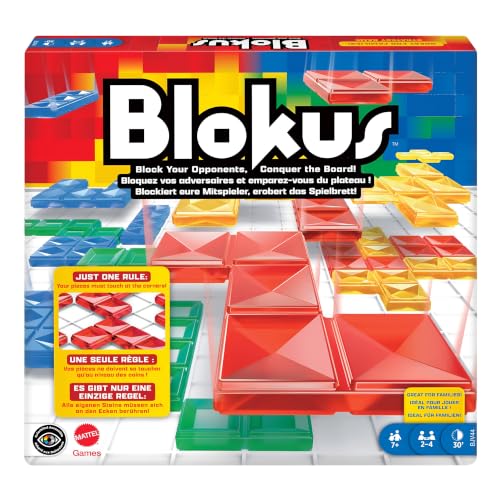

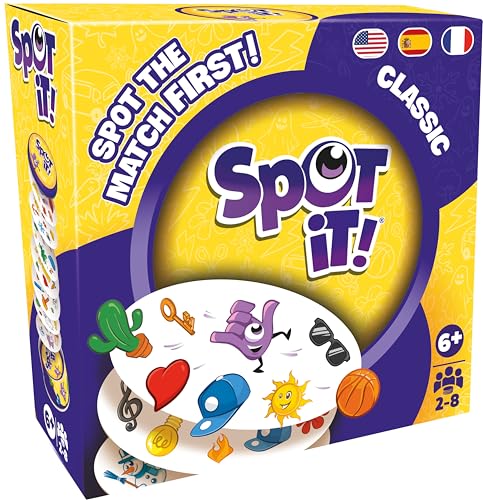

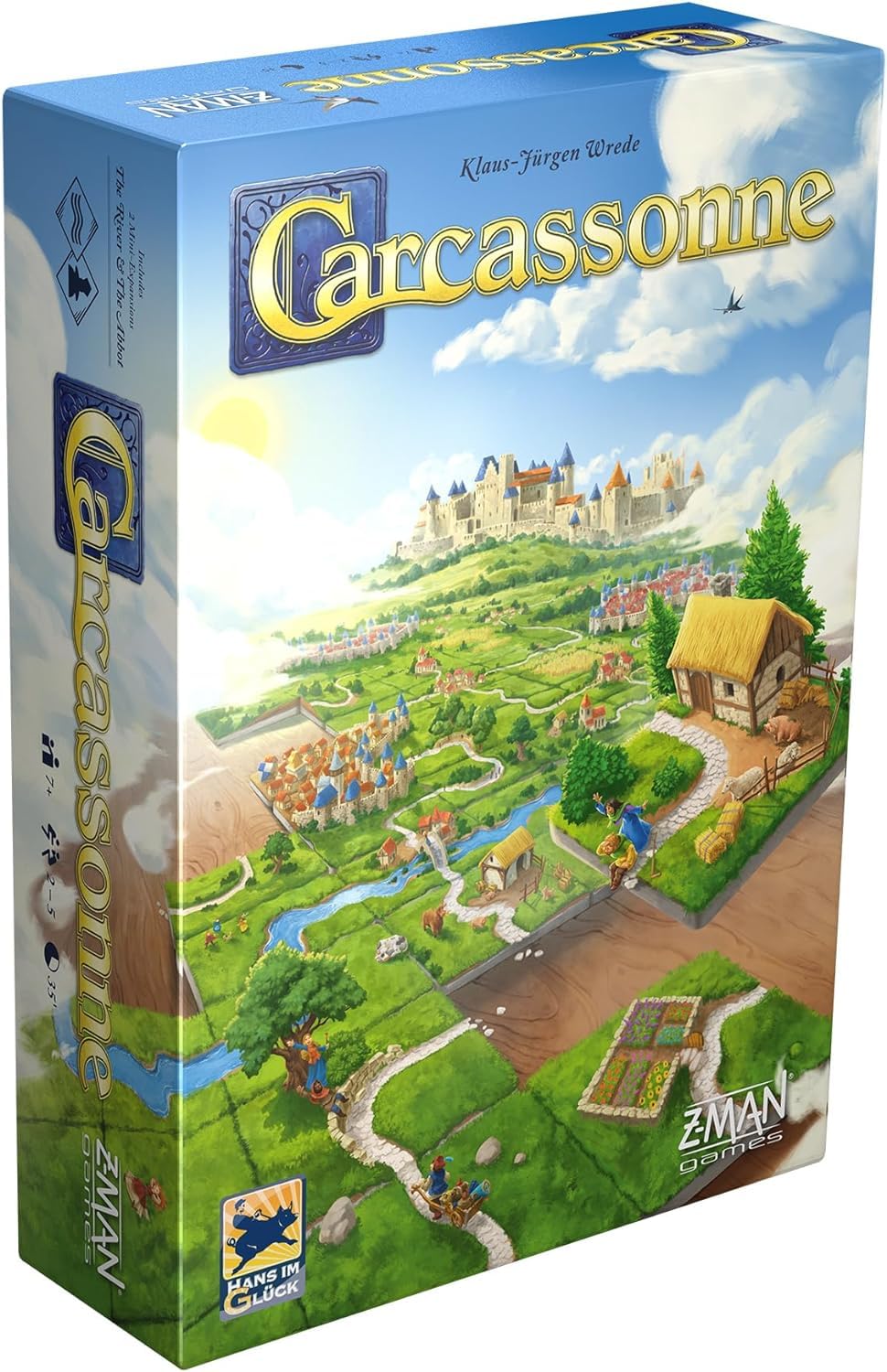

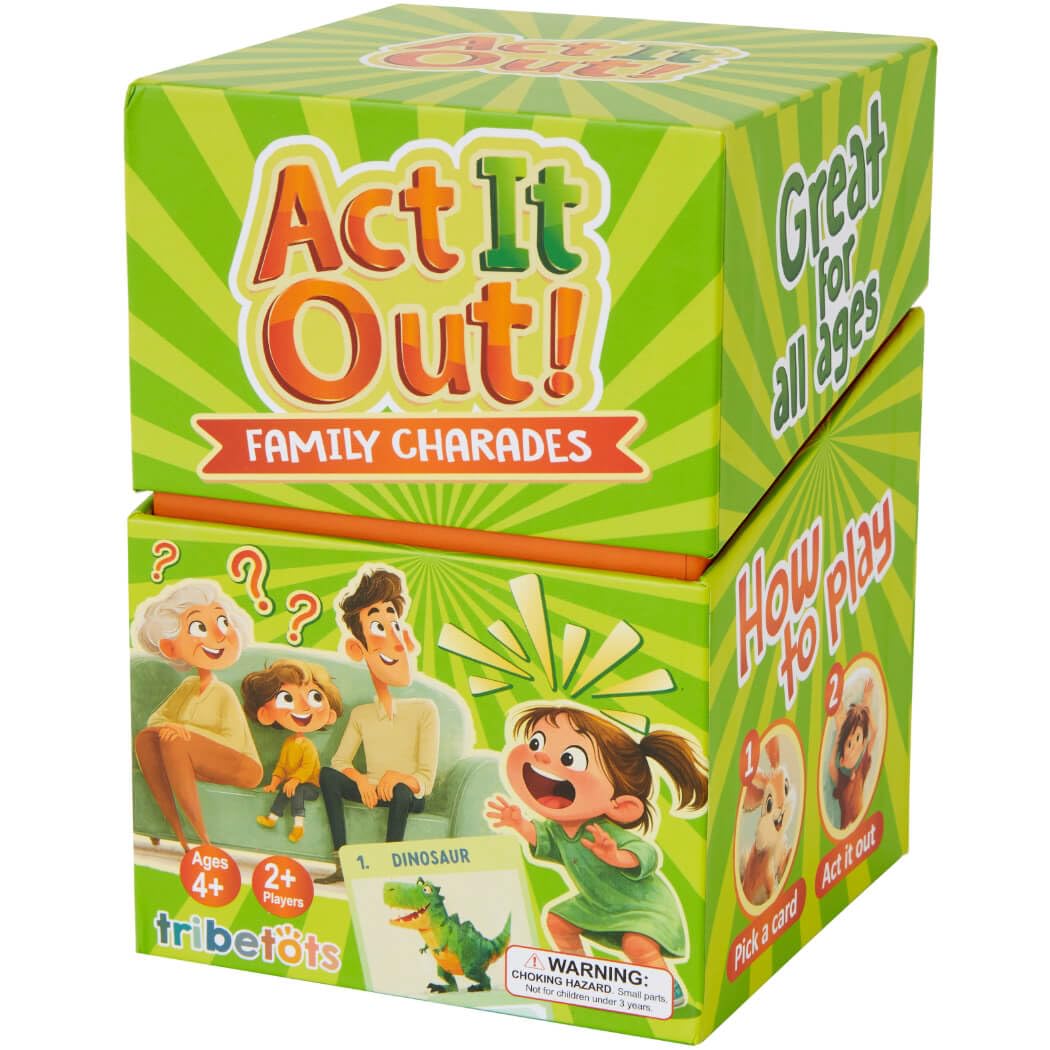

Types of Board Games Compared
Icon Based Games
Icon based games replace written instructions during play with symbols on cards, tiles, and boards. Once someone explains the handful of icons, everyone plays at full speed with no reading at all. These games often involve building patterns, collecting sets, or placing tiles, and they suit mixed groups of adults and children. Their main limit is the teaching phase: the icon set must be demonstrated carefully, because a misunderstood symbol quietly ruins a round. Prices usually run around $20 to $40.
Cooperative Picture Games
Cooperative picture games ask the whole table to interpret images together, guess associations, or build scenes from picture cards. Because players work as one team, a confident speaker can carry the light talking involved while everyone else points, gestures, and votes. Winning and losing together also removes the sting of a language gap deciding the result. These titles shine with family groups and new arrivals at social gatherings. Expect prices around $15 to $35 and short rounds that invite rematches.
Abstract Strategy Games
Abstract strategy games rely on position, pattern, and movement rather than words. Think of games built on placing stones, stacking pieces, or completing lines on a shared board. Rules are often teachable in two minutes using only your hands and a sample turn. Depth comes from decisions, not vocabulary, so experienced players stay challenged. The trade off is player count: many abstracts suit exactly two players, which limits them at larger gatherings, though team modes sometimes solve that.
Number and Pattern Games
Number and pattern games use digits, colors, and shapes that everyone recognizes regardless of language. Dice games, sequencing card games, and color matching titles fall here. They teach quickly, play fast, and travel easily, which makes them strong choices for classrooms, trips, and family visits. Their weakness is depth: some adults find them light after many plays. Look for editions with a few variant rules included, since variants stretch the useful life of a simple game without adding language.
Icon Based Games vs Cooperative Picture Games: Which Should You Choose?
Choose icon based games when your group enjoys friendly competition and a bit of planning, because everyone competes on equal footing once the symbols are learned. Choose cooperative picture games when the mood matters more than the winner, or when the group includes shy players who would rather contribute by pointing than by speaking. Session length is similar, often 20 to 45 minutes for either type. Teaching effort differs: icons demand one careful explanation up front, while picture games can start almost at once and clarify themselves as you play. Many households end up owning one of each, since they serve different evenings.
How to Choose the Right Board Game
Language Load: How Much Text Is in the Game
Check where text actually appears. Text only in the rulebook is fine, because one person can learn it and teach by demonstration. Text printed on cards and boards is the real barrier, since it appears during every turn. Look for listings that state language independent play, and be wary of games where card effects are written in sentences. A useful test: if you can explain a full turn using only gestures and one example, the language load is low enough.
Features That Matter for Non English Speakers
Prioritize clear iconography, color plus symbol coding rather than color alone, and components that show game state at a glance. Player aids printed as pictures are a strong sign the designer thought about accessibility. Games that hide information in written hand cards create constant translation pauses, so favor open information designs for mixed language groups. Box information to verify: player count, age guidance, and average play time, since a 90 minute game tests patience when teaching takes longer.
Communication Style
Some games require bluffing, trading, or debate, and those mechanics lean heavily on fluent, fast speech. Others need only gestures, pointing, and simple choices. Match the communication style to your group honestly. If some players do speak English confidently, light negotiation can still work when the stakes are low and turns are unhurried. For a first purchase, pick a game where silence is a legal and effective way to play every turn.
Symbols, Color, and Artwork Clarity
Artwork quality is a functional feature here, not decoration. Icons should look like what they mean, differ clearly from one another, and stay readable at arm length across a table. Avoid games that pair similar colors with similar shapes, especially if any player has color vision difficulties; symbols printed inside colored areas solve this elegantly. Large, bold artwork also helps younger players and grandparents join without squinting, which widens the group a single purchase can serve.
Teaching Rules Without a Shared Language
The most reliable teaching method is a demonstration round. Set up the game, play one full turn slowly while pointing at each component you touch, then let each player copy a turn with your guidance. Keep a phone handy for translating the two or three key terms, such as trade, draw, or pass, and write those words on a sticky note placed beside the board. Agree on simple hand signals for common actions before starting. This routine usually gets a group playing confidently within ten minutes.
How to Make Your Board Game Last Longer
Store the box upright in a dry room, because humidity warps cards and boards faster than play does. Sleeve the cards of any game you play weekly, especially picture cards that pass through many hands. Keep small pieces in sealed bags sorted by type, which speeds setup and prevents losses that can end a game life early. Wipe components with a dry cloth after outdoor or food adjacent play, and keep the rulebook even if your group no longer needs it, since it helps future groups learn.
Frequently Asked Questions
What features matter most in board games for non english speakers?
Language independent components matter most: icons, numbers, colors, and pictures doing the work that text usually does. After that, look for open information, short teaching time, and rounds under an hour. A game that one person can teach by demonstration will see far more use than a cleverer title that needs a translator at the table every session.
How can we play if the rulebook is only in English?
One player can learn the rules and teach the table by showing example turns, which works for most light and mid weight games. Many popular titles also have free translated rule sheets or video walkthroughs shared by fan communities online. Keep the demonstration round slow, confirm each step with gestures, and write down key terms. If a game needs constant rulebook checks mid play, save it for a group with a shared language.
Are picture based games too simple for adults?
No, many picture based games are built around judgment, association, and reading other players, which adults often find genuinely challenging. Simplicity of components is not simplicity of decisions. Cooperative picture games in particular create lively debate about images, and that discussion is the game. If your group wants more depth, choose picture titles with scoring that rewards subtle clues rather than obvious matches.
How do I teach rules without a shared language?
Teach by playing, not by talking. Demonstrate one complete turn, then guide each player through a turn of their own, correcting gently by pointing rather than explaining. Translate only the few action words the game repeats, and post them where everyone can see. A practice round with no scoring removes pressure and lets questions surface before the real game begins.
What player count works best for mixed language groups?
Three to six players is the sweet spot, because partners and neighboring players can quietly confirm moves for each other. Two player abstracts work well too, since the board state is fully visible. Very large groups slow teaching and increase downtime between turns, which magnifies any confusion. If your gathering is big, run two smaller games side by side instead of one long one.
Can children and adults play these games together?
Yes, this category is one of the easiest ways to mix ages, because icons and pictures remove the reading advantage adults usually hold. Children often learn symbol sets faster than adults expect. Choose games with an age guide of eight and up for mixed tables, keep rounds short, and favor cooperative formats when a wide age range plays, so stronger players support rather than defeat younger ones.
Wrapping Up
Judge every candidate by language load first, then by icon clarity and how openly the game shows its state. Icon based and cooperative picture games cover most mixed language tables, while number games fill travel and classroom needs. Compare player counts and teaching effort in the product table, and you will find the best board games for non english speakers that make every guest a full player from the first round.