Best Booster Sets Pokemon of 2026: Complete Buying Guide
Disclosure: We may earn a commission when you buy through links on this page, at no extra cost to you. As an Amazon Associate I earn from qualifying purchases. Learn more

Compare the best booster sets pokemon fans can buy, from bundles to boxes, with sealed checks, price bands, and storage tips.
Booster sets look simple on a shelf, yet prices swing wildly between sets that appear almost identical. One set holds cards players need for current decks, another is chased by collectors, and a third sits at a fair price simply because fewer people want it.
This guide helps you judge the best booster sets pokemon releases for your own goal, whether you play, collect, or keep sealed boxes. Use the comparison table below for prices, then read on for the checks that protect your money before you open a single pack.


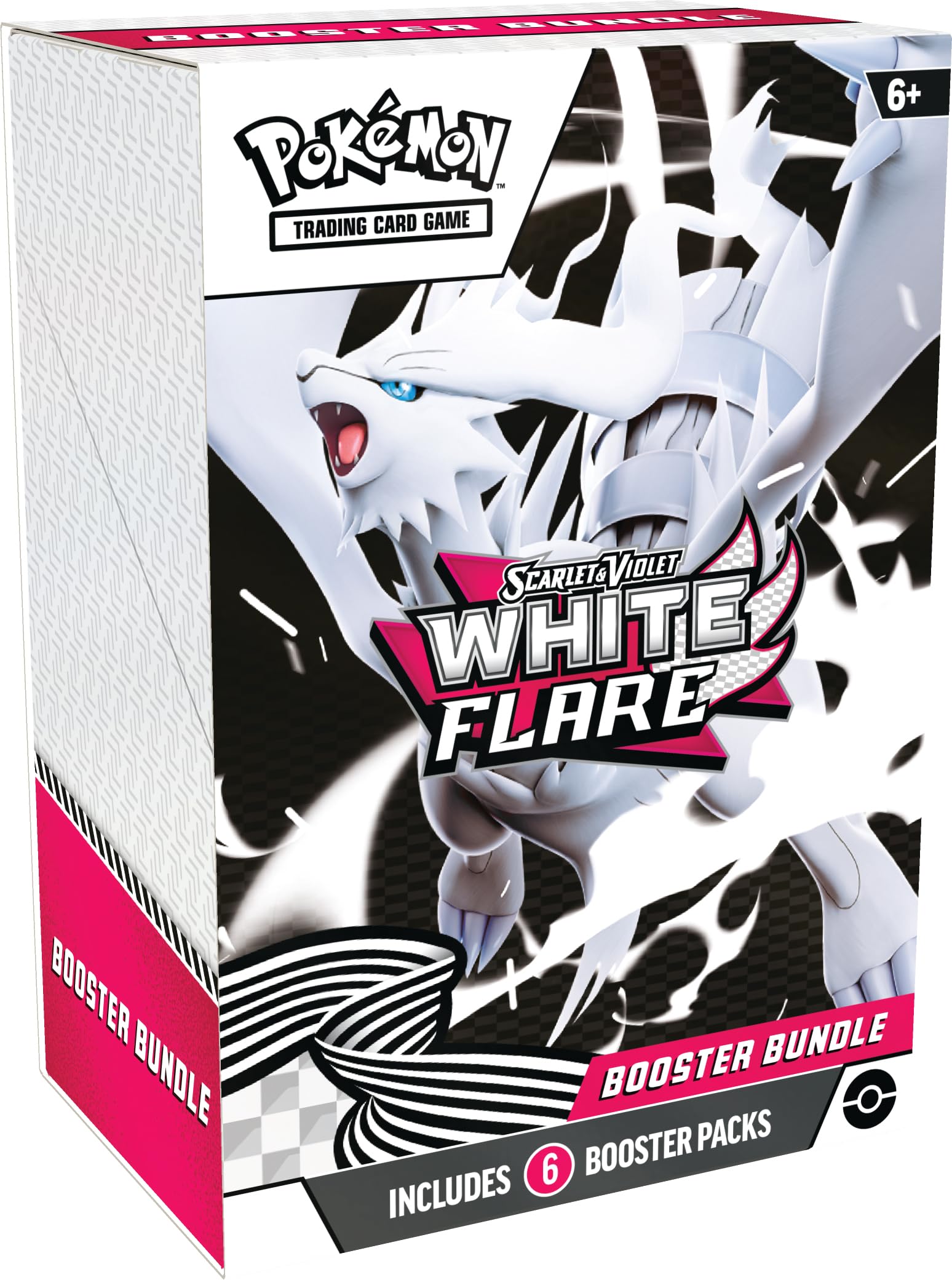


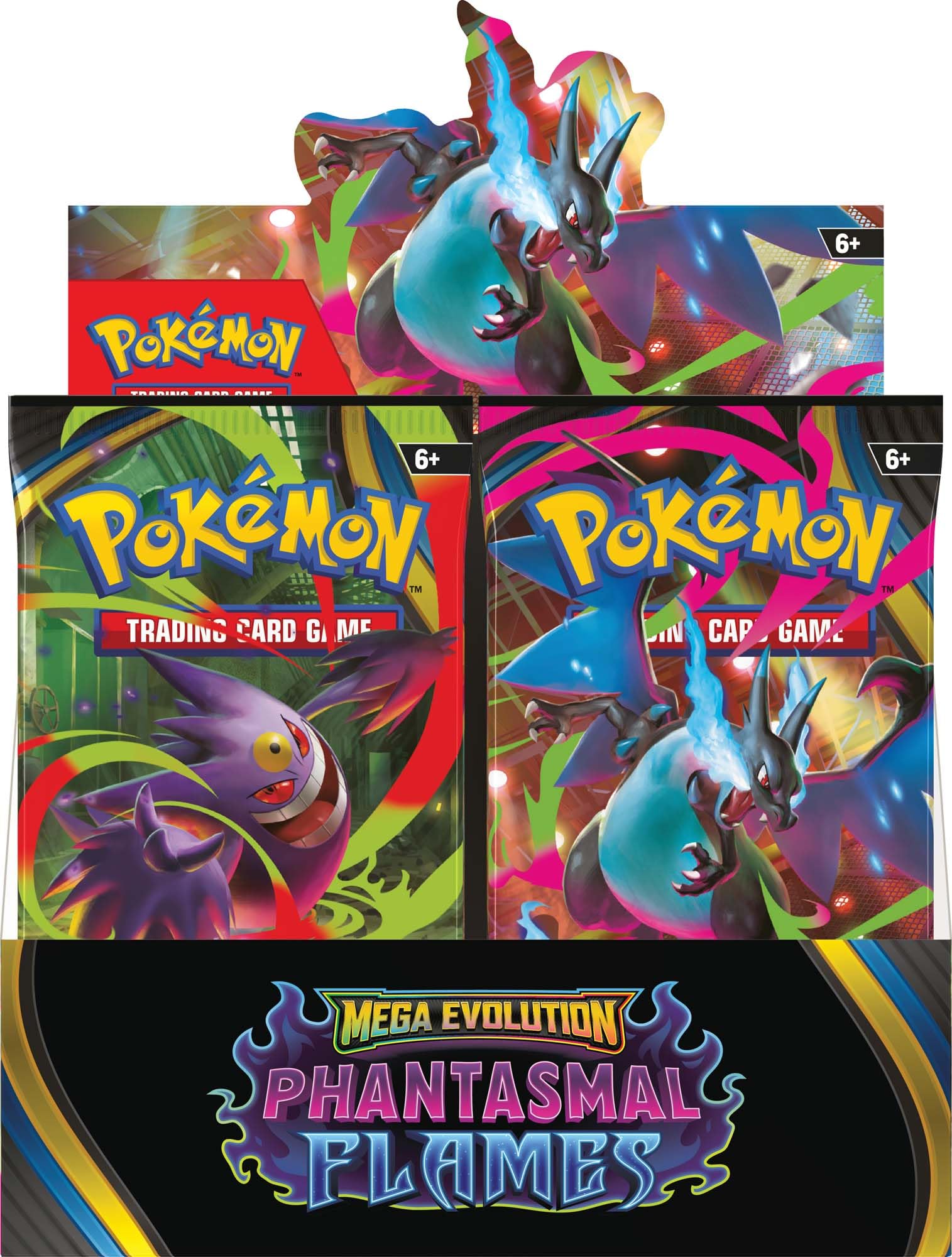


Three Buying Approaches at a Glance
The Balanced Set
A balanced set is the safest starting point for most buyers. It has a deep card pool, so packs stay fun across a full box, and its chase cards hold interest without carrying the whole value alone. Prices for balanced sets usually sit near standard retail at release and drift based on play demand. This approach suits new players building a collection and casual collectors who open packs for enjoyment. The main limit is that balanced sets rarely spike in sealed value, so buy them to open and enjoy rather than to resell.
The Play Focused Set
A value focused set earns its name through useful cards rather than rare art. Look for sets rich in trainer cards and playable staples that appear in many decks, because those cards get used week after week. Per pack prices often run lower than hype driven releases, especially a few months after launch when supply catches up. Buying a booster box of a play focused set gives the best per pack cost for regular openers. The trade off is fewer headline chase cards, so collectors chasing a single rare card may prefer singles instead.
The Special Collection Set
Special collection sets are the upgrade path, sold as curated boxes with promo cards, extra packs, and display friendly packaging rather than standard booster boxes. They suit gift buyers and collectors who want a complete themed package in one purchase. Per pack costs run higher than standard boxes, so the value rests on the promos and the presentation. Check exactly which packs and promos are inside before paying, because contents differ a lot between releases. Keep the box sealed only if you enjoy sealed collecting, since opening it is where most buyers get their fun.
For a broader view of how booster releases sit within the wider hobby, see our guide to the best pokemon sets for full product lines beyond boosters. Players focused on the card game itself may also like our overview of the best pokemon tcg sets, which looks at sets through a deck building lens.
How to Choose the Best Booster Sets Pokemon: Buying Guide
Intended Use and Who It Is For
Your goal should pick the set, not the other way around. Players should favor current sets that are legal in standard play and rich in staples, while collectors may prefer sets with art styles or favorite characters they will enjoy for years. Sealed collectors care about print size, release timing, and storage condition more than pack contents. Parents buying for kids should set a pack budget in advance and treat opening as entertainment, since no pack guarantees a rare card. Naming your goal first prevents the most common and most expensive mistake in this hobby, which is buying a set built for someone else.
Seller Support and Buyer Protection
Cards do not carry a classic warranty, so seller quality is your protection. Buy from established sellers with clear return policies, real photos of sealed products, and a record of accurate shipping. Marketplaces with buyer protection help if a box arrives damaged or resealed. Keep order confirmations and photograph any box that arrives with torn wrap or crushed corners before opening it. If a deal from an unknown seller looks far below every other price, treat that gap as a warning rather than a bargain.
Authenticity and Sealed Integrity
Authenticity checks matter because popular sets attract resealed and counterfeit products. Genuine sealed boxes have tight, even wrap with clean seams, crisp printing, and correct logos and barcodes. Loose packs should feel consistent in weight and crimping with others from the same set. Be cautious with single packs from mixed lots, since weighed or searched packs circulate in the hobby. For children, also check the age guidance on the box and supervise spending, because chase marketing is designed to encourage one more pack.
Maintenance and Long Term Costs
The purchase price is only the start of ownership costs. Budget for sleeves for every rare pull, a binder or storage box for bulk, and a cool dry shelf away from sunlight for anything you keep sealed. Humidity and heat warp cards and fade art over time, so a simple storage setup protects value better than a costly display in a sunny window. Players also face rotation costs, because standard legality changes and older sets leave the format. Collectors who grade cards should add grading fees and shipping into the true cost of a set.
Price vs Value
Booster pricing falls into clear bands. Single packs cost around $4 to $6 at standard retail, bundles and special boxes land around $25 to $60, and full booster boxes run around $120 to $180 for current sets at normal supply. Older or scarce sets climb above those bands, sometimes far above. Value means matching price to your goal, so a box full of playable cards can be a better buy than a costlier box with one famous chase card. Compare the per pack cost across formats before choosing, because packaging changes the math more than the cards do.
Ease of Use and Getting Started
Getting started is easy once the packs are open. Sort cards by set and rarity first, sleeve anything valuable right away, and keep playable trainers and energy cards in a separate deck building box. New players can build a casual deck from one booster box plus a starter product, then improve it with single cards instead of more packs. Keep the set list from the box or a trusted database open while you sort, since similar art across sets causes mix ups. A calm sorting routine also helps kids learn card care from the first pack.
Collectors who enjoy imports can explore our guide to the best japanese pokemon sets to see how Japanese releases differ in pack size and pull structure. If your interest is the cards themselves across every product type, our roundup of the best pokemon card sets gives wider context before you spend.
Types of Booster Sets
Premium Options
Premium options include special collection boxes and anniversary style releases with promos, pins, or oversized cards bundled with packs. They offer the best gift presentation and the most curated contents. The downside is the highest per pack cost in the hobby. Choose premium when the occasion or the promo card itself is the point of the purchase.
Mid Range Options
Mid range options include booster bundles and trainer focused boxes that group several packs with useful extras such as sleeves or a promo. They balance per pack cost with convenience and make a strong first purchase for new players. Contents vary by release, so read the pack count carefully. This is the tier most families and returning players should start with.
Compact Options
Compact options are blister packs and small tins holding one to three packs, often with a coin or promo card. They suit travel, rewards for kids, and low cost sampling of a set before you commit to a box. Per pack cost runs higher than a full box, and pull luck swings more with so few packs. Buy compact formats for fun and variety, not for value per card.
Budget Options
Budget options are single loose packs and discounted older set packs from reputable sellers. They keep spending small and let you chase a favorite set without a box commitment. The risk is quality control, since loose packs are easier to search or reseal than sealed boxes. Stick to trusted sellers and accept that singles are the cheaper route when you want one specific card.
Tips to Get the Most From Your Booster Set
- Check the seal before you pay or open. Even wrap, clean seams, and correct printing protect you from resealed product.
- Sleeve rare cards the moment you pull them. A two cent sleeve prevents surface wear that lowers a card grade and value.
- Store sealed boxes in a cool dry place. Heat and humidity damage both cards and packaging over time.
- Track what you spend per set. A simple note keeps pack buying fun and stops slow budget creep.
- Trade duplicates with local players. Bulk and repeat pulls turn into cards you need at no extra cost.
FAQs
How do I maintain a booster set?
Maintain a booster set by protecting cards from light, heat, and handling wear. Sleeve valuable cards, store bulk in clean boxes, and keep sealed product on a dry shelf away from windows. Wash and dry your hands before sorting, since skin oils mark foil surfaces. A tidy system by set and rarity makes future trades and deck building far easier.
Are expensive booster sets worth it?
Expensive sets are worth it only when they match your goal. Collectors may value scarce art and low print runs, and sealed collectors may accept high prices for clean boxes. Players rarely gain an edge from costly older sets, because singles cost less than chasing pulls. If the fun of opening is your goal, a current set at retail delivers the same thrill for far less money.
How long does a booster set last?
A sealed booster set lasts for decades when stored cool, dry, and dark, because the cards inside are protected from air and light. Opened cards last just as long in sleeves and binders. Play value is shorter, since standard format rotation retires sets after roughly two to three years. Collecting value follows demand, so condition at storage time matters more than age alone.
What features matter most when buying a booster set?
Sealed integrity, set contents, and price per pack matter most. Check that wrap and printing look genuine, confirm the set has cards you actually want for play or collecting, and compare formats so packaging does not inflate your cost. Seller reputation is the fourth factor, because it backs every other check. A set that fails the seal check is a poor buy at any price.
How much should I spend on a booster set?
Spend an amount you can treat fully as entertainment, because pack contents are random. A single bundle around $25 to $60 is a sensible first step for most buyers, while a booster box around $120 to $180 suits committed players and collectors. Set a monthly cap if you open packs often. When you want one specific card, buying that single almost always costs less than packs.
Wrapping Up
Choose by goal first, verify the seal second, and compare price per pack third, and you will avoid nearly every costly mistake in this hobby. Players should favor current playable sets, collectors should favor sets they love looking at, and everyone should store pulls with care. When you shortlist the best booster sets pokemon in the product table above, those three checks will point you to the right box.