
Best Bluetooth Speakers for Android 2026: Buying Guide
Disclosure: We may earn a commission when you buy through links on this page, at no extra cost to you. As an Amazon Associate I earn from qualifying purchases. Learn more
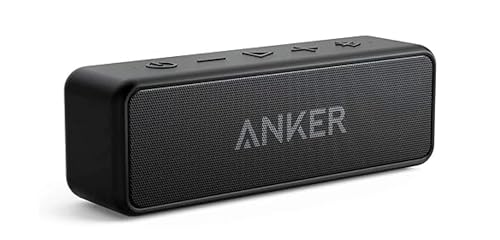
Learn how to choose Bluetooth speakers for Android by pairing, codec support, app controls, battery life, and portability for music anywhere.
Android phones pair with a huge range of Bluetooth speakers, but codec support, app controls, and pairing behavior vary more than many buyers expect. The comparison table below compares the main options, so start with your phone model. Best bluetooth speakers for android choices should pair quickly, reconnect reliably, and sound good with the music apps you use most.
Android also offers useful extras, such as fast pairing prompts, absolute volume control, and codec settings hidden in developer options. You do not need to master those settings, but knowing they exist helps when sound or volume behaves oddly. A speaker that works smoothly with your phone will get used far more than a technically better one that fights it.


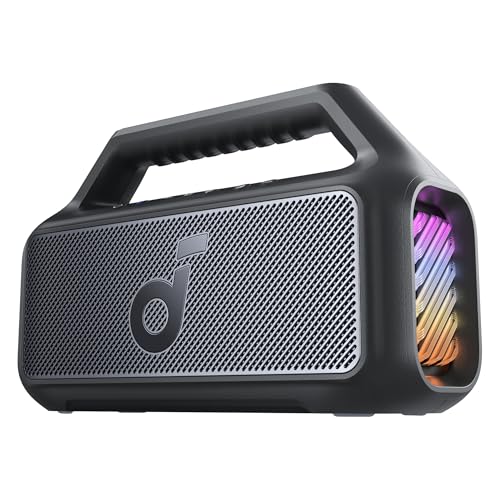


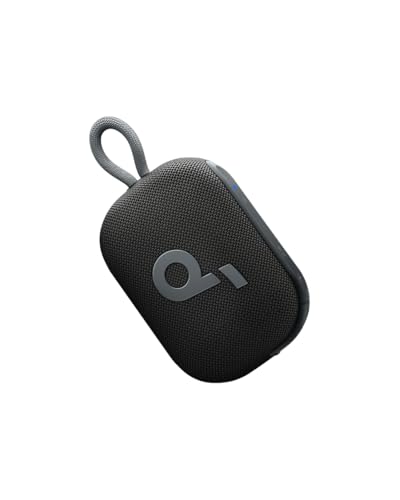
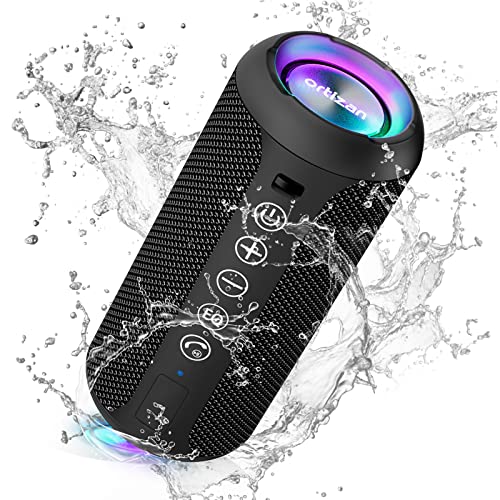

Pairing and Android Compatibility
Pairing should take seconds: put the speaker in pairing mode, select it in Android Bluetooth settings, and confirm the connection. Fast pairing prompts on newer Android phones simplify this further for supported speakers. If pairing fails repeatedly, forget the speaker on the phone, restart Bluetooth, and try again from close range.
Reconnection matters as much as first pairing. A good speaker reconnects automatically when powered on near your phone, while a poor one needs manual selection each time. Test reconnection after power cycles and after the phone sleeps, since those are the moments that reveal everyday friction.
Codecs and Sound Quality on Android
Android phones support several Bluetooth codecs, and sound quality depends on which codec the phone and speaker share. Advanced codecs preserve more detail than basic ones, especially on revealing speakers. Check your phone codec support in settings or the maker specifications, and match it to the speaker codec list.
Codec settings can sometimes be changed in Android developer options, but default behavior suits most listeners. If music sounds thin or distorted, check volume balance between phone and speaker first, since double volume controls confuse many users. Set phone volume high and control final volume on the speaker for cleaner sound in most setups.
Portability, Battery, and Durability
Portability needs depend on use: a desk speaker can be larger and heavier, while a travel speaker must fit a bag and survive bumps. Check weight, size, and carry options honestly against your bag and habits. A speaker too large to carry stays home, however good it sounds.
Battery life claims assume moderate volume, so expect less at high volume outdoors. Water and dust resistance help for gardens, beaches, and kitchens, but ratings vary, so check what splashes, rain, and brief immersion actually mean for your model. Rinse after beach use and dry charging ports before plugging in.
App Controls and Extra Features
Many speakers offer companion apps for equalizer settings, stereo pairing, firmware updates, and battery checks. A good app adds real control without demanding an account or constant permissions. If an app feels intrusive or unstable, check whether the speaker works well without it, since core playback should never depend on an app.
Extra features such as speakerphone calls, voice assistants, and multi speaker pairing suit some buyers and clutter others. Decide which extras you will use weekly, and ignore the rest. A speaker with fewer, well executed features often pleases more than one packed with half finished extras.
Use Cases: Home, Travel, and Outdoors
At home, a larger Android speaker with richer bass and stable Wi Fi or Bluetooth suits living rooms and kitchens. For travel, prioritize size, weight, battery, and ruggedness over maximum volume. Outdoors, weather resistance and volume headroom matter most, since open air swallows sound quickly.
Consider buying for your main use first, then checking secondary uses. A travel speaker can serve a bedroom adequately, but a home speaker rarely travels well. Matching size and features to your most frequent listening situation gives the best everyday value from an Android speaker.
Getting the Most From Your Android Speaker
Explore Android audio settings once after pairing, including media volume, absolute volume behavior, and any equalizer in your music app. Small adjustments here often fix quiet playback or harsh treble without new hardware. Save settings that sound good for your main music app, since different apps apply their own processing and volume handling.
Use speaker placement to your advantage at home, raising portable speakers to ear level and away from corners for clearer sound. A speaker on a shelf at ear height sounds larger and cleaner than the same speaker on the floor behind furniture. Outdoors, place the speaker near a wall or solid surface when possible, since reflections reinforce bass that open air otherwise loses.
Keep firmware updated through the companion app, since updates improve pairing, codec handling, and battery management over time. Check for updates monthly and retest pairing after major Android system updates, which occasionally change Bluetooth behavior. Updated speakers and phones together avoid most compatibility surprises.
A Final Check Before You Order
Before ordering, confirm codec support between your phone and speaker, especially if you care about detailed sound on good headphones or speakers. Check app requirements and permissions, since some companion apps demand accounts or location access that privacy conscious buyers may dislike. A speaker that works fully without an app suits simpler setups.
Finally, test pairing, reconnection, and volume behavior within the return period, using your main music apps and typical listening spots. Note any dropouts, quiet playback, or pairing delays while exchanges remain easy. Early real world testing beats specification comparisons for Android audio satisfaction.
Related Guides
For related choices, see our guides to the best bluetooth speakers for android tablet, best bluetooth speaker for android phones, best quality bluetooth speakers, best exterior bluetooth speakers and best bluetooth speakers for outside.
Frequently Asked Questions
Do Bluetooth speakers work with all Android phones?
Most Bluetooth speakers work with most Android phones for basic playback, since Bluetooth audio is standard across Android. Advanced codecs, fast pairing, and app features vary by phone model and Android version. Check codec and app support for your exact phone if those features matter, and test pairing and reconnection within the return period.
Why does my speaker sound quiet with Android?
Quiet sound often comes from Android absolute volume linking phone and speaker volume, or from a low media volume setting. Raise phone media volume to near maximum and control final volume on the speaker for cleaner, louder sound. If problems persist, forget and pair again the speaker and check for codec or equalizer settings in the companion app.
Can I pair two speakers for stereo on Android?
You can pair two speakers for stereo only if the speakers themselves support stereo pairing, since Android alone does not create stereo pairs from separate speakers. Check the speaker app or manual for stereo pairing mode, and pair both speakers through that mode rather than standard Bluetooth settings. Matched speaker models usually pair more reliably.
How do I fix Bluetooth dropouts?
Dropouts often come from distance, walls, interference, or low battery, so move the phone closer, reduce competing wireless devices, and charge the speaker. Restarting Bluetooth on the phone and clearing old pairings can also help. If dropouts persist in open space at short range, the speaker or phone Bluetooth hardware may be at fault.
Should I use Wi Fi speakers instead of Bluetooth?
Wi Fi speakers suit fixed home use with multi room audio and higher quality streaming, while Bluetooth speakers suit portability and guest use. Many homes use both: Wi Fi speakers in main rooms and Bluetooth speakers for travel and outdoors. Choose Bluetooth first if portability, simplicity, and guest playback matter most to you.
Final Thoughts
For Android, prioritize quick pairing, reliable reconnection, shared codec support, and a size that matches your main listening place. App extras help only when they work smoothly and respect your privacy. The product table above lets you compare those practical points across speakers.
A speaker that pairs instantly, sounds balanced at your normal volume, and travels where you listen will earn its place quickly. That everyday reliability defines a good best bluetooth speakers for android purchase.


