
Best Bluetooth Earbuds for Android Phones: Our 2026 Checklist and Buying Guide
Disclosure: We may earn a commission when you buy through links on this page, at no extra cost to you. As an Amazon Associate I earn from qualifying purchases. Learn more

Use this clear checklist to choose the best bluetooth earbuds for android phones, covering fit, codecs, battery life, water resistance, and call quality.
Android phones give you more earbud freedom than any other platform, but that freedom comes with a long list of codecs, app features, and fit styles to sort through. This guide uses a simple checklist approach, so you can judge the best bluetooth earbuds for android phones by clear pass or fail criteria instead of by marketing claims.
Each criterion below explains what good looks like, what counts as a warning sign, and which numbers to check before you buy. The comparison table below gathers the main contenders in one view, and the buyer checklist near the end lets you confirm your final choice in about two minutes.


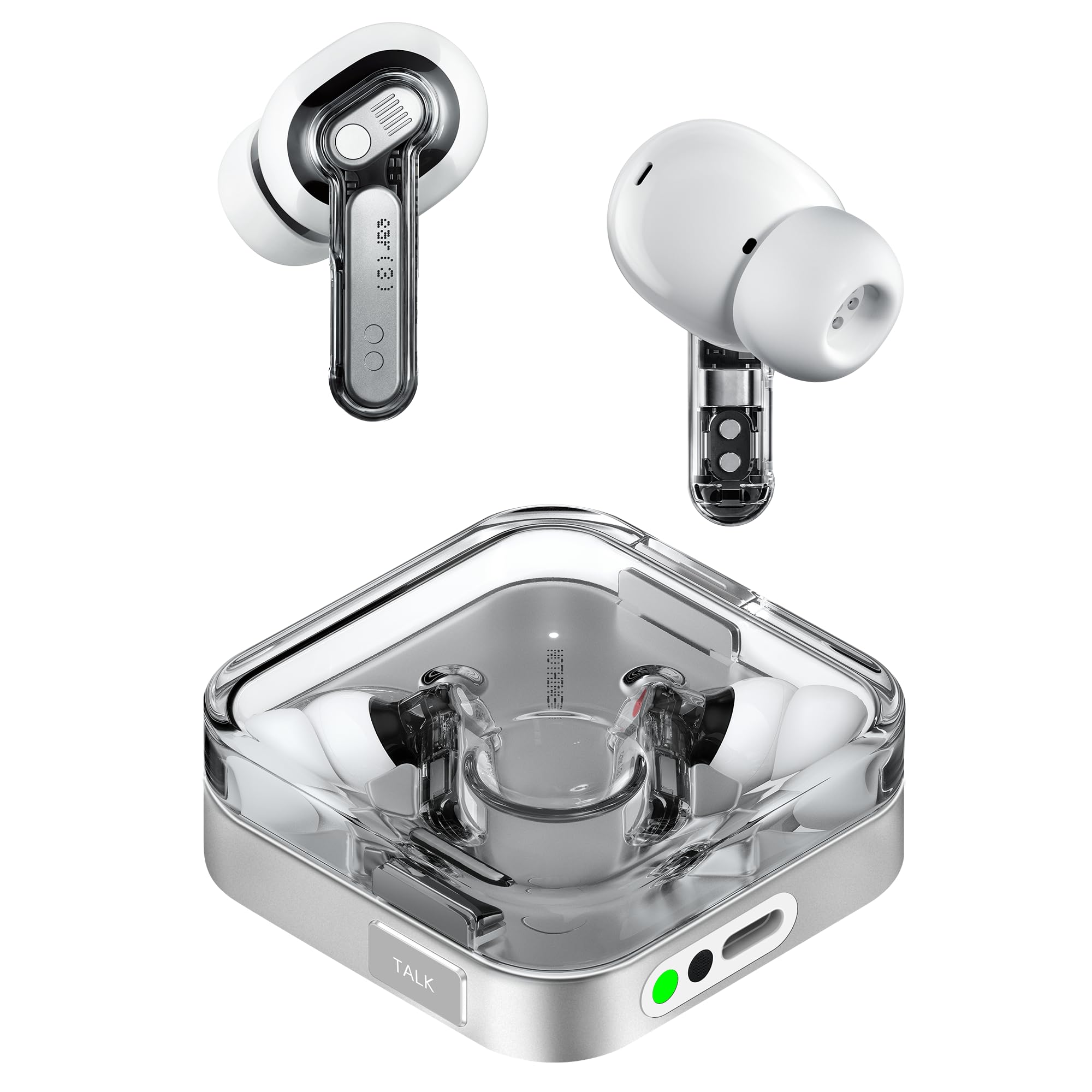


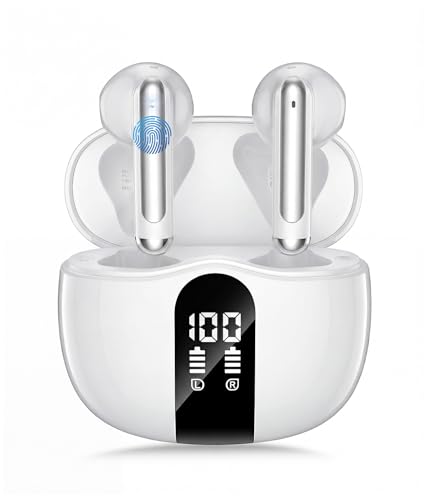
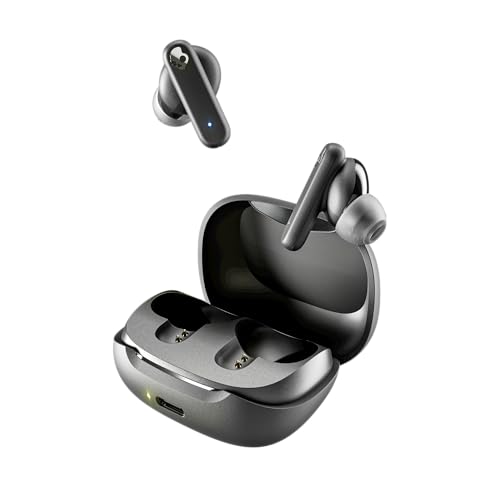
How We Evaluate Bluetooth Earbuds
Features That Matter for Android Phones
Android support is not automatic just because a pair pairs over Bluetooth. Look for Fast Pair, which connects the earbuds to your phone and your Google account in one tap, and for codec support that matches your phone, such as aptX on many Android models or LDAC on phones that offer it. A full featured Android app matters too, because some brands reserve equalizer and control settings for one platform. If the app on Android lacks features the same earbuds offer elsewhere, that is a real downgrade for you.
Shoppers comparing the wider category can start with our guide to the best earbuds for android phones for wired and wireless options side by side.
Sound Quality and Tuning
Most earbuds use a single dynamic driver in each bud, commonly around 6 to 11 mm. Driver size alone does not predict quality. Tuning does. A balanced tuning keeps vocals clear and bass controlled, while a bass heavy tuning can blur podcasts and calls. A stated frequency response of about 20 Hz to 20 kHz is standard and tells you little by itself. More useful signs are an in app equalizer with several bands, presets that actually change the sound, and support for a higher quality codec that your phone can use.
Ecosystem and App Features
A good Android earbud app lets you update firmware, adjust the equalizer, remap controls, set noise cancellation levels, and find a lost bud. Firmware updates deserve special weight, because they fix pairing bugs and sometimes add features months after launch. Wear detection and multipoint connection both earn their keep daily. Check recent app reviews before buying, since a neglected app is a common weak point in otherwise strong hardware.
Durability and Water Resistance (IP Rating)
An IPX4 rating means the earbuds resist sweat and light rain, which covers workouts and commutes. IPX5 handles stronger water jets, and IPX7 means the buds can survive brief immersion, which suits runners caught in heavy rain. Note that the rating usually applies to the buds, not the charging case, so a soaked case can still be a problem. For daily indoor use, IPX4 is a sensible minimum rather than a luxury.
Battery Life and Charging
Judge battery life in two numbers: hours per charge from the buds, and total hours with the case. About 6 to 8 hours from the buds and 24 to 32 hours total is a strong result for current models, with noise cancellation on. Quick charge claims are worth checking too. Ten minutes in the case should add at least an hour of playback to be genuinely useful. USB C charging is now standard and preferable, and wireless charging adds convenience if you already own a charging pad or a phone with reverse wireless charging.
Connectivity (Bluetooth Version, Codecs, Wired)
Bluetooth 5.3 is the current baseline to look for, bringing better connection stability and lower power use than older versions. Multipoint support lets the buds stay connected to your phone and a computer, switching when a call arrives. Codec support should match your phone. LDAC and aptX variants can carry more audio detail than the standard SBC codec, while AAC performs best mainly on Apple devices. Low latency modes help for video and casual gaming.
If you are unsure which wireless features your handset supports, our explainer on the best bluetooth for android phones walks through pairing, codecs, and common connection fixes.
Microphone and Call Quality
Call quality is where budget earbuds most often disappoint. Multiple microphones per bud and wind reduction processing help your voice stay clear outdoors. Look for clear statements about call microphones and noise reduction for calls specifically, not just general noise cancellation for listening. If you take calls outside daily, this criterion deserves the same weight as sound quality. A pair that plays music beautifully but makes you repeat yourself on every call fails the checklist for working life.
Price Tiers That Pass Our Checklist
Rather than naming individual models, use the tiers below to see what a given budget should deliver. Any pair that falls short of its tier on fit, battery, or app support is a poor value at that price, whatever its headline feature may be. Compare the tiers against the product table above as you narrow your shortlist.
Entry Tier: The Basics Done Well
Entry tier earbuds, often under $60, should still deliver a secure fit with several ear tip sizes, at least IPX4 resistance, about 5 hours or more per charge, and a working Android app with firmware updates. Noise cancellation at this level is usually mild, and call quality outdoors is modest. What you should not accept, even here, is a fit that loosens when you move or controls that cannot be adjusted. If your needs are music at your desk and calls indoors, this tier can be entirely sufficient.
Mid Tier: The Sweet Spot for Most Buyers
Mid tier earbuds, roughly about $60 to $150, add effective noise cancellation, wireless charging on many models, multipoint connection, and noticeably better call microphones. This is where Android specific strengths appear, such as Fast Pair, LDAC or aptX support, and a full equalizer in the app. Fit systems also improve, with shaped housings that stay put during runs. For most Android owners, this tier passes every checklist item without paying for flagship extras, and it is where we suggest starting your search.
Top Tier: Silence, Detail, and Polish
Top tier earbuds, often above $150, focus on the strongest noise cancellation, the most refined tuning, and premium details such as spatial audio and very small cases with fast charging. Call quality in wind is usually the best available. The gains over the mid tier are real but smaller than the price gap suggests, so choose this tier if you fly often or work in loud spaces.
Call focused shoppers may also want our guide to the best earbuds with mic for android phones which puts microphone performance first.
Quick Buyer Checklist
- Does the pair support Fast Pair and a codec your Android phone actually offers, such as aptX or LDAC?
- Does the Android app include an equalizer, control remapping, and firmware updates?
- Do you get at least three ear tip sizes, and does the fit stay secure when you walk or run?
- Is the rating at least IPX4 if you will exercise or commute in rain?
- Do the buds alone last about 6 hours or more with noise cancellation on?
- Does the case charge over USB C, and does a short charge add at least an hour of play?
- Can the earbuds connect to your phone and laptop at the same time if you need multipoint?
- Is call quality in wind a stated strength, if you take calls outdoors?
Red Flags to Watch For
- Vague codec claims. A listing that says high definition audio without naming a codec your phone supports is hiding a standard connection behind big words.
- No app or a neglected app. Without firmware updates, early pairing bugs stay forever. Check the app update history before you buy.
- Impossible battery numbers. Total case hours quoted in huge type while the buds alone last under 4 hours is a classic distraction move.
- Missing fit options. One ear tip size in the box almost guarantees a poor seal for many ears, which weakens bass and noise cancellation at once.
- Short or unclear warranty. Earbuds live in pockets and gym bags. A warranty under a year, or one that excludes the battery entirely, signals low confidence from the maker.
Care and Maintenance Tips
Clean the ear tips weekly with a dry cloth and remove them monthly for a gentle wash with mild soap, drying them fully before refitting. Wipe the charging contacts in the case with a dry cotton swab, because pocket lint and earwax cause most mystery charging failures. Keep firmware updated through the app, and store the buds in their case rather than loose in a bag, which protects the mesh over the sound outlet.
Frequently Asked Questions
What features matter most in bluetooth earbuds for android phones?
Codec match and app quality matter most, because they decide whether your Android phone can use the features you paid for. Confirm Fast Pair, an equalizer and firmware updates in the Android app, and a codec such as aptX or LDAC that your phone supports. After that, judge fit and battery life. A pair that fails on fit will disappoint daily, no matter how strong its spec sheet looks.
Is ANC worth the extra cost in earbuds for Android phones?
Active noise cancellation is worth it if you commute, fly, or work near steady noise such as engines and air conditioning. It reduces low rumbles very well and lowers listening fatigue. It helps far less with nearby voices and sudden sounds. If your listening happens mostly at home in a quiet room, a good passive seal from well fitted tips may give you most of the benefit for less money.
Wired or wireless: which sounds better with an Android phone?
A wired connection still offers the most consistent sound, because it avoids wireless compression and never needs charging. Modern wireless earbuds with LDAC or aptX come close for everyday listening, and the freedom from cables suits commuting and exercise far better. For critical listening at a desk, wired wins on simplicity. For everything else in a normal day, the convenience gap is larger than the sound gap.
Do I need a special codec for earbuds on an Android phone?
You do not need one, because every pair works over the standard SBC codec. A better codec only helps if both your phone and the earbuds support it, so check your phone settings or spec page first. LDAC carries the most detail but uses more battery, while aptX balances quality and efficiency well. Buying earbuds for a codec your phone lacks is wasted money, so match the pair to the handset you own.
What IP rating do I need for earbuds used outdoors?
IPX4 covers sweat and light rain for workouts and commuting, and it is the practical minimum for outdoor use. Choose IPX5 or higher if you run in heavy rain or train outdoors year round. Remember that the case usually carries no rating, so keep it in a pocket or bag during wet sessions. No rating at all is fine only if the buds will stay indoors at a desk.
How long does the battery last in Bluetooth earbuds for Android phones?
Expect about 5 to 8 hours from the buds alone with noise cancellation on, and roughly three to four full recharges from the case. Turning cancellation off can add an hour or two. Battery life falls slowly over years of use, and habits help. Avoid storing the case fully drained, and top it up before long trips so a flat case never strands you mid commute.
Our Verdict
Start with fit, codec match, and app support, because those three decide your daily experience more than any headline feature. Then confirm battery life and water resistance against your routine, and use the tiers above to keep your budget honest. Check your finalists in the product table above against the quick checklist, and you will choose the best bluetooth earbuds for android phones for your handset with confidence.


