
Best Blow Up Mattresses for Camping: Every Type Explained for 2026
Disclosure: We may earn a commission when you buy through links on this page, at no extra cost to you. As an Amazon Associate I earn from qualifying purchases. Learn more

Pick blow up mattresses for camping by size, height, insulation, and pump type for comfortable sleep at the campsite.
A good night on a camping trip often comes down to the mattress, because cold ground, uneven soil, and a thin pad can ruin sleep even in a great tent. Choosing best blow up mattresses for camping means balancing comfort, packed size, weight, and insulation for the trips you actually take.
This guide explains mattress types, height, insulation, and pumps in plain language, so you can pick a mattress that fits your tent, your sleeping bag, and your transport. A car camping mattress can be thick and roomy, while a backpacking mattress must pack small and weigh little.
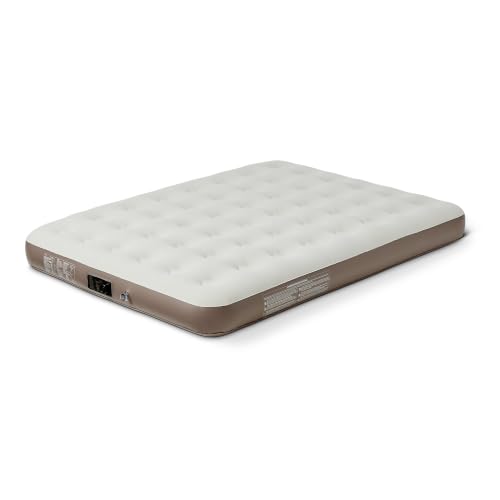
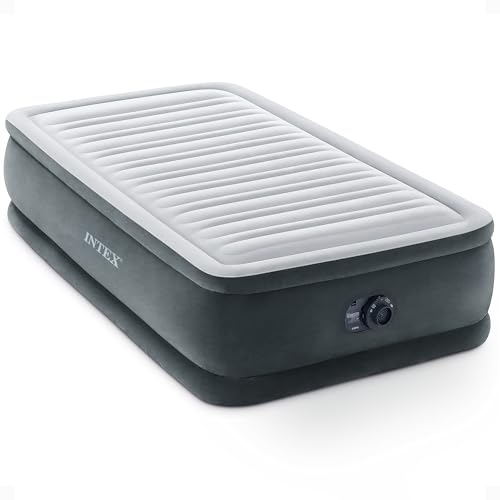
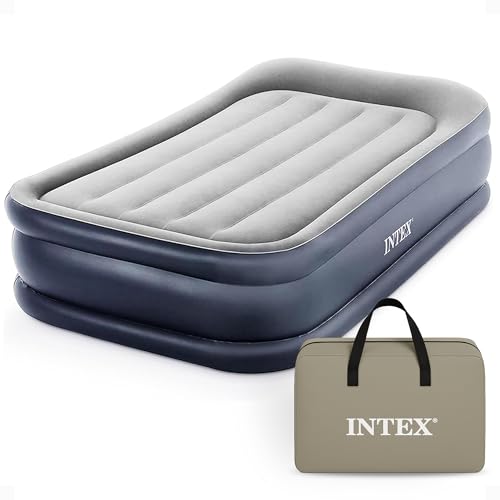

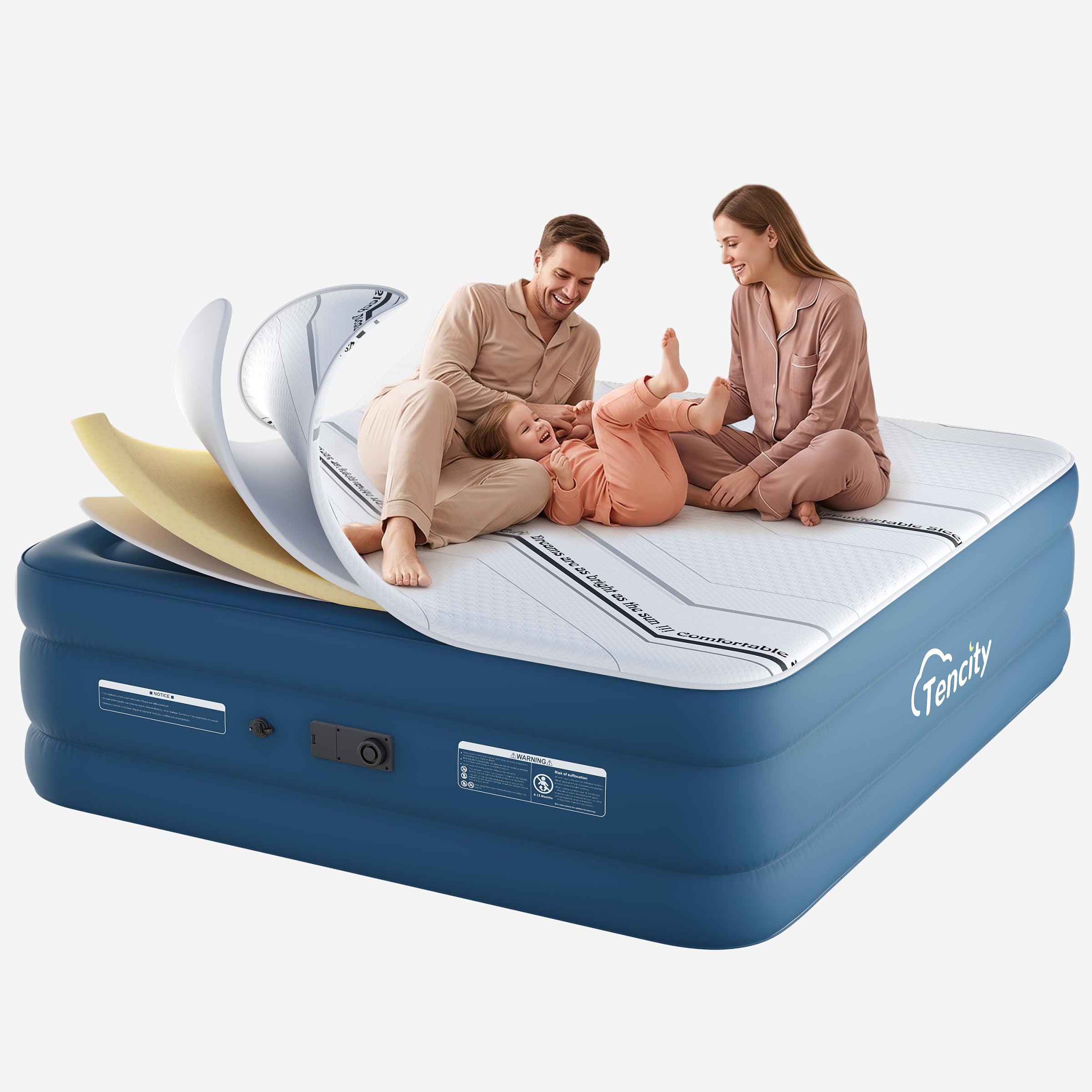
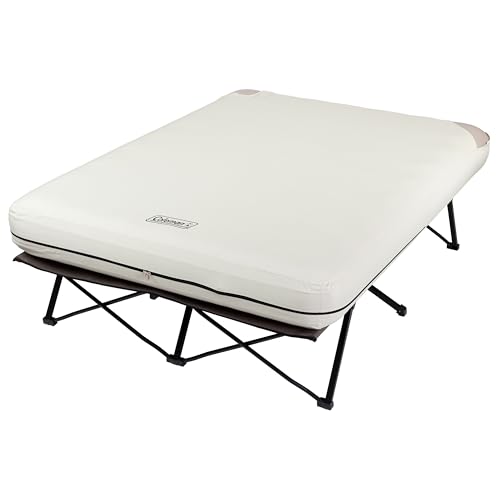


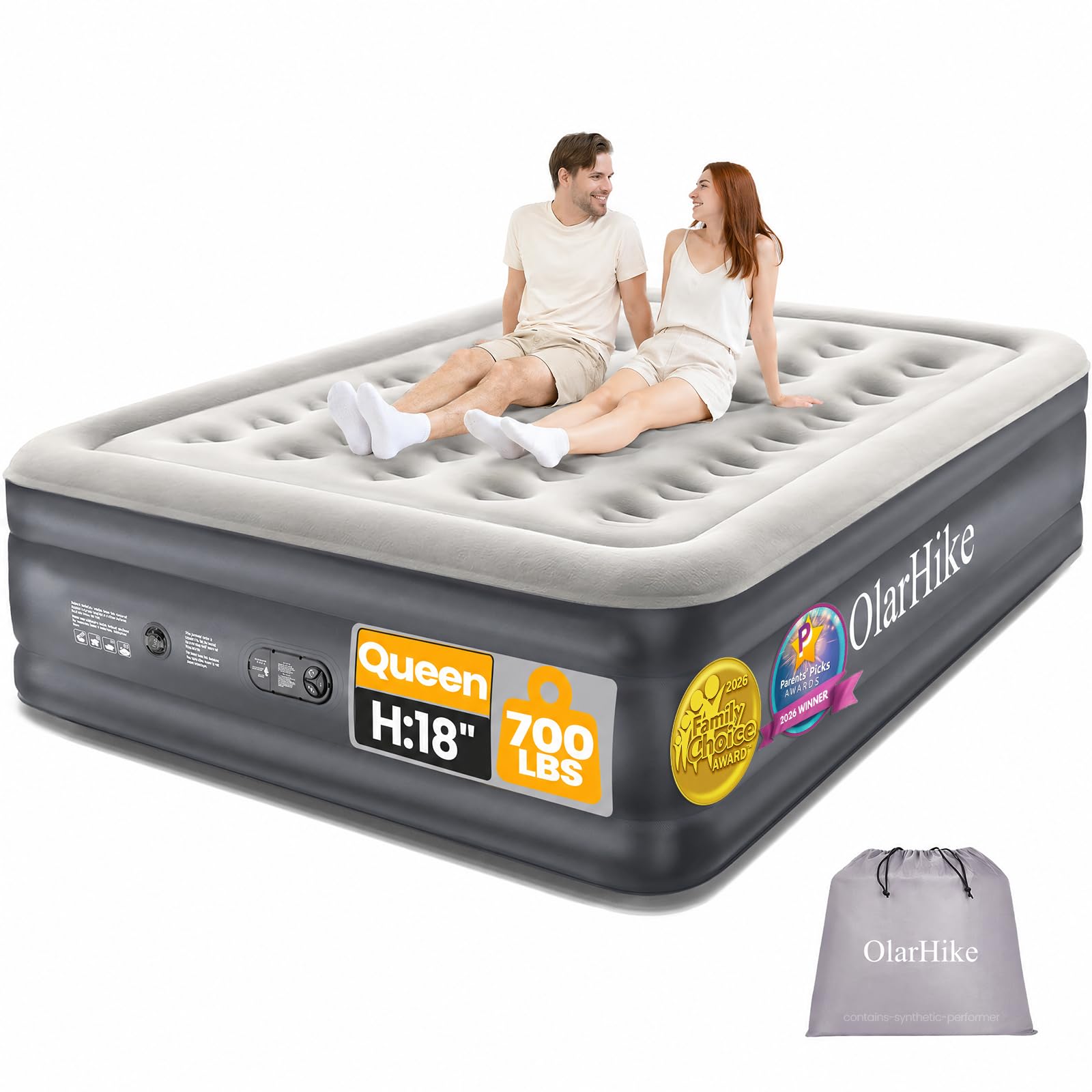

The comparison table below gives a quick overview of the main choices.
Who Should Buy Blow Up Mattresses for Camping
Blow up camping mattresses suit car campers who want home like comfort, families with children, and anyone who sleeps poorly on a thin pad. They also suit guests at a campsite, because a blow up mattress packs away when not needed.
A blow up mattress is a weaker fit for ultralight backpacking over long distances, where weight and packed size matter more than thickness. In that case, a lightweight sleeping pad may suit better, even if it feels firmer than a thick air mattress.
Types Compared
Standard air mattresses
Standard air mattresses are simple, affordable, and comfortable for car camping, with a flat sleeping surface and easy inflation. They suit weekend trips where packed size is not critical.
Standard air mattresses offer little insulation on their own, so cold ground can chill you from below. Pair one with a sleeping bag rated for the night temperature, or add an insulating layer underneath for cold trips.
Raised air mattresses
Raised air mattresses sit higher off the ground, making getting in and out easier, especially for older campers or anyone with knee strain. The extra height also adds distance from cold ground, which can improve warmth slightly.
Raised mattresses take more air, more pump time, and more tent space, and they can feel bouncy if overinflated. Check tent height and floor size, because a raised mattress needs headroom and floor area to fit comfortably.
Insulated and self inflating hybrids
Insulated hybrids combine air with foam or reflective layers to reduce heat loss to the ground. They suit cooler trips, shoulder season camping, and campers who sleep cold.
Insulated models cost more and may pack larger than a simple air mattress. Judge insulation by the maker temperature guidance and by user experience in similar conditions, rather than by thickness alone.
Key Features to Check
Size and tent fit
Mattress size should match your tent floor and your sleeping style, from a single narrow pad to a queen size for couples. Measure tent floor width and length, leaving room for bags and gear beside the mattress. A mattress that fills the whole tent floor can trap condensation and make entry awkward.
Height and comfort
Height affects ease of getting up and overall comfort, but a very high mattress can feel unstable on uneven ground. A mid height mattress often gives the best balance for car camping, while a lower mattress suits smaller tents. Test firmness by lying on the mattress, because a slightly soft feel often sleeps better than a drum tight surface.
Insulation and warmth
Insulation, often shown as an R value, shows how well a mattress resists heat loss to the ground. Higher values suit colder nights, while a low value suits warm summer trips. Do not rely on a sleeping bag alone for ground warmth, because compressed bag insulation under your body loses much of its warmth.
Pumps and valves
Built in pumps inflate quickly at a campsite with power or battery, while external pumps suit remote trips where a built in pump would add weight. A wide, reliable valve makes inflation and deflation faster and reduces leaks. Check valve type and spare valve caps before a long trip, because a faulty valve can deflate a mattress overnight.
Common Mistakes to Avoid
A common mistake is inflating a mattress rock hard, which feels firm at first but becomes uncomfortable and bouncy overnight. Another is ignoring ground insulation on a cool night, then blaming the sleeping bag for a cold sleep. Inflate to a comfortable firmness, level the ground, and add insulation for cold trips.
Budget and Long Term Value
Blow up camping mattresses range from about $30 for a basic model to about $200 for a raised or insulated model with a built in pump. A mid priced model with a reliable valve and good size fit often gives the best value for car camping. Add a pump, a repair kit, and a ground sheet to your budget.
Planning Before You Order
Measure your tent floor and check packed size against your vehicle or backpack before ordering. Note the coldest night temperature you expect, and choose insulation accordingly. Pack a repair kit, test inflation at home before the first trip, and store the mattress clean, dry, and loosely rolled.
Care and Upkeep
After each trip, clean the mattress surface, dry it fully, and check seams and valves for slow leaks before packing it away. Store it loosely rolled in a dry bag or cupboard, away from sharp objects and direct sunlight. A mattress stored damp can develop odor and weaken seams, so thorough drying matters more than fast packing.
A Final Check Before You Order
Before a trip, inflate the mattress at home, lie on it in your sleeping position, and leave it overnight to check for slow deflation. Confirm it fits your tent floor with room for gear, and pack the pump, repair kit, and a ground sheet together. A home test prevents a miserable first night at a remote campsite.
Related Guides to Explore
For blow up mattresses beyond camping use, see the guide to best blow up mattresses.
For air mattress comfort and sizes, see the guide to best blow up air mattresses.
For guest use at home, see the guide to best blow up mattresses for guests.
For all camping mattress types compared, see the guide to best camping mattresses.
For mattresses suited to car camping trips, see the guide to best car camping mattresses.
Frequently Asked Questions
Why does my air mattress go soft overnight?
Temperature drop overnight can reduce air pressure, making a mattress feel softer by morning. A small leak at a valve or seam can also cause gradual deflation. Inflate in the evening, check valves, and test for leaks at home by listening and feeling for escaping air before a trip.
How firm should a camping mattress be?
A comfortable camping mattress should support your hips and shoulders without feeling hard or bouncy. Lie on it in your usual sleeping position and adjust air until your spine feels level. Slightly softer often sleeps better than maximum firmness, especially for side sleepers.
Do I need insulation under an air mattress?
In cool weather, yes, because air inside a mattress does not insulate well on its own and cold ground draws heat away. A foam pad, a blanket, or an insulated mattress layer underneath makes a large difference. In warm summer weather, insulation matters far less.
How do I find a slow leak?
Inflate the mattress fully, close the valve, and listen and feel around seams and the valve area. A soapy water test can reveal tiny bubbles at a leak point. Mark the spot, dry the area, and patch it with a repair kit as advised by the maker before your next trip.
How should I store a blow up mattress?
Clean and dry the mattress fully, deflate it without forcing air out aggressively, and store it loosely rolled in a dry place. Avoid sharp folds in the same place every time, because repeated creasing can weaken seams. Check valves and seams before the first trip of a new season.
What ground sheet should I use under an air mattress?
A simple ground sheet or tarp under the tent protects the mattress from stones, sticks, and damp ground, and it also helps keep the tent floor clean. Choose a sheet slightly smaller than the tent floor, so rain does not pool on an overhanging edge. On rough ground, clear sharp stones before pitching, even with a ground sheet in place.
Final Thoughts
Choosing best blow up mattresses for camping comes down to size for your tent, height for comfort, insulation for night temperatures, and a reliable valve and pump. A well matched mattress turns a camping night from tolerable into genuinely restful.
Pack a small repair kit in the same bag as the mattress, so a puncture never means a night on bare ground.
Sleep comfort also depends on your sleeping bag and pillow, because a great mattress cannot fix a bag that is too cold or a pillow that strains your neck. Test the full sleep system at home on the floor before a trip, adjusting mattress firmness, bag, and pillow together. A system that works at home will usually work well in the tent too.
Use the product table above to compare the main choices side by side before you order.


