
Best Blow Up Hot Tubs 2026 Buying Guide
Disclosure: We may earn a commission when you buy through links on this page, at no extra cost to you. As an Amazon Associate I earn from qualifying purchases. Learn more
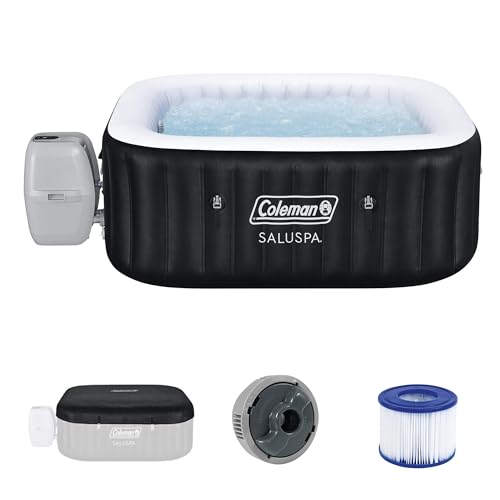
Choose the best blow up hot tubs for your patio by size, heater power, pump access, and cover quality.
Choosing the best blow up hot tubs starts with where you will put one and how many people will soak at once. An inflatable hot tub gives you a warm soak on a patio, deck, or yard without the cost or construction of a built-in spa, but size, heater strength, and ground preparation make a big difference to how much you enjoy it.
This guide explains the types of inflatable hot tubs, the features that matter, setup and care, and the mistakes that cut a tub's life short. Use the product table above to compare sizes and heating options once you know what you need.
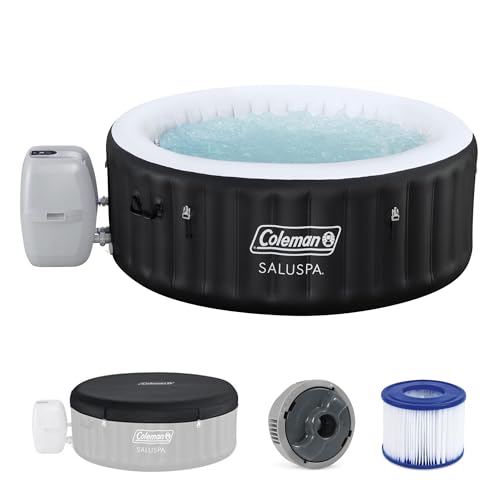


Who Should Buy a Blow Up Hot Tub
Inflatable tubs suit renters, small patios, and anyone who wants a seasonal soak without a permanent installation. They also suit buyers who want to try a hot tub before committing to a hard-shell model. They are a weaker fit for people who want deep jets, a built-in seat design, or year-round use in freezing climates, where a rigid insulated spa holds heat better.
Types of Inflatable Hot Tubs
Air Jet Tubs
Most inflatable tubs use air bubble jets that create a gentle, champagne-like massage. They are simple, affordable, and easy to set up, with a pump that also heats and filters the water in many models.
Hydro Jet Tubs
Hydro jet models add water jets for a stronger massage, and they cost more. They suit buyers who want a more spa-like feel and have a patio or deck that can handle the extra weight and power demand.
Smart and Wi-Fi Models
Some tubs offer app control for heating and bubbles, so you can warm the water before you step outside. They add convenience, but check that the app and the control panel both work if one fails.
Key Features of the Best Blow Up Hot Tubs
Seating Capacity and Size
Listed capacity is often optimistic. A tub rated for four may seat three comfortably, so allow elbow room and check the inside diameter, not only the outside size. Measure the spot where it will sit, including walking space around it.
Heater Power and Heat Up Time
Heater strength decides how long the water takes to reach a comfortable temperature, especially in cool weather. Look for a stated heating rate per hour and a thermostat. A tight, insulated cover and a ground cloth under the tub keep heat in and cut running costs.
Pump, Filter, and Water Care
Easy access to the filter cartridge makes weekly rinsing simple. Keep spare cartridges on hand, and follow the maker's guidance for water treatment and how often to change the water.
Cover Quality
A fitted, insulated cover holds heat, keeps out leaves, and can reduce evaporation. Locking straps add safety around children and pets.
Material and Durability
Look for multi-layer PVC with reinforced seams. Thicker walls resist punctures and hold their shape when full. Check the weight limit and the total filled weight for your surface.
Before you buy, decide whether you want a simple air-bubble tub for relaxing or a model with stronger jets, and whether app control is worth the extra cost. Read the listing for the heater rating, the pump noise, and what comes in the box, such as a cover, ground cloth, and spare filter.
Setup and Placement
Place the tub on a flat, level, firm surface cleared of stones and sharp objects, and lay a ground cloth underneath. Check that the surface can hold the filled weight, and keep the power connection protected and away from standing water. Follow the maker's instructions for electrical safety, and use a ground fault protected outlet. If you are unsure about your wiring, ask a licensed electrician.
Running Costs and Water Care
An inflatable hot tub costs less to buy than a hard-shell spa, but heating the water is still the main running expense. A tight cover, a ground cloth under the tub, and a windbreak such as a fence or planters all reduce heat loss. Keeping the water at a steady, moderate temperature between soaks often costs less than reheating from cold each time.
Water care protects both the tub and the people using it. Use test strips made for spas to check sanitizer and balance as the maker recommends, and shower before getting in to keep the water cleaner for longer. Do not leave children or pets unattended near the tub, keep the cover locked when it is not in use, and follow the maker's guidance on safe water temperature and soak time. People with health conditions or who are pregnant should ask their doctor before using a hot tub.
Choosing the Right Size for Your Space
Measure your patio or deck and allow room around the tub for walking, a small table, and access to the pump. A two-person tub fits on a balcony in some cases, while four- to six-person models need a yard or large patio. Check the filled weight, since a full tub with people inside is heavy, and make sure a deck or balcony can carry it. If you are unsure, ask the property owner or a builder.
Common Mistakes to Avoid
- Placing it on uneven ground. A tilted base stresses seams and makes the water level uneven.
- Underestimating heat up time in cold weather. Start heating the day before a planned soak.
- Skipping filter rinsing. A dirty filter slows water flow and weakens heating.
- Leaving it uncovered. Heat loss and debris raise costs and cleaning work.
Care and Storage
Rinse the filter weekly, wipe the inside during water changes, and keep the water treated as the maker advises. At the end of the season, drain the tub fully, dry every surface, and fold it loosely in a clean, dry place away from sharp objects. Avoid creasing the same spot repeatedly.
Frequently Asked Questions
How long does an inflatable hot tub take to heat?
It depends on the heater and the starting water temperature. In mild weather, many tubs gain a few degrees per hour, so plan a long warm-up in cooler weather and keep the cover on.
Can I use an inflatable hot tub in winter?
Some models are rated for cooler temperatures, but extreme cold raises heating time and the risk of frozen pipes and lines. Check the maker's temperature limits and use insulation under and over the tub.
How often should I change the water?
Follow the maker's guidance, which often suggests every few weeks depending on use and treatment. Change it sooner if the water looks cloudy or smells off.
Do I need a special electrical outlet?
Many inflatable tubs plug into a standard grounded outlet with a built-in safety device, but always follow the instructions. Do not use extension cords unless the maker allows it.
How long does an inflatable hot tub last?
With careful placement, a ground cloth, regular filter care, and proper off-season storage, many tubs last several seasons. Punctures and neglected water care shorten life the most.
Final Thoughts
Match size to your space and your group, choose a heater and cover that suit your climate, and prepare the ground before you fill. Use the product table above to compare your finalists, and pick the best blow up hot tubs option that you will set up, heat, and enjoy easily all season.


