Best Block Planes: Matching the Right Model to Your Routine 2026
Disclosure: We may earn a commission when you buy through links on this page, at no extra cost to you. As an Amazon Associate I earn from qualifying purchases. Learn more

Compare best block planes by size, blade angle, materials, and price to find one that fits your hands, your projects, and your workshop routine.
No single plane suits every hand and every job, since a small plane that trims an edge cleanly may feel cramped on a long board, while a larger plane may feel clumsy on fine detail work. Choosing the best block planes should start with how you actually work, so this guide compares options by size, blade angle, and routine rather than by brand name.
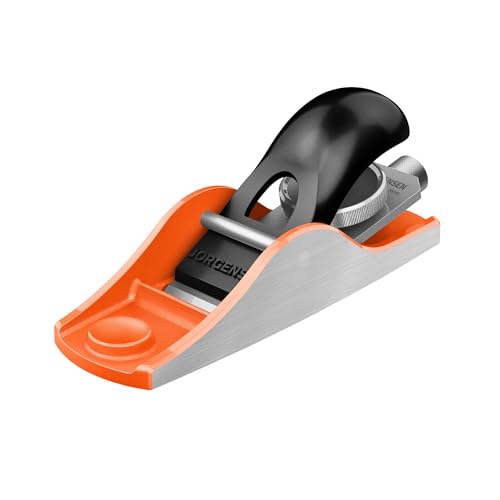
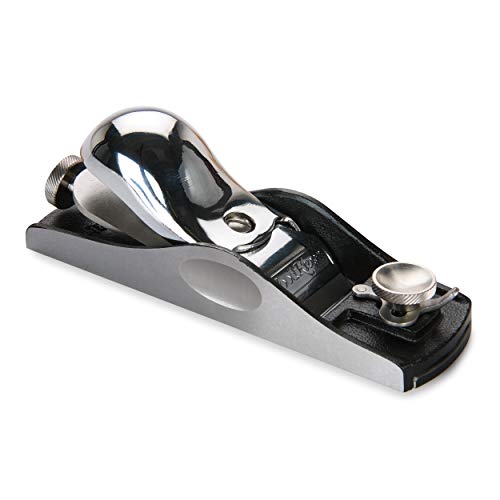
Block planes are short, one handed tools for trimming end grain, easing sharp edges, fitting doors and drawers, and cleaning up small surfaces. The right one feels balanced in your hand, holds a sharp edge well, and adjusts smoothly without slipping during a cut.

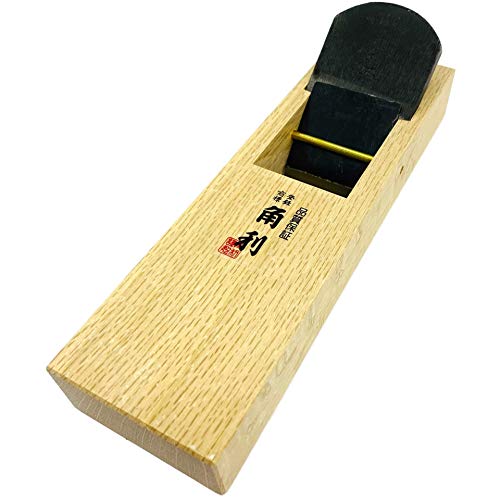

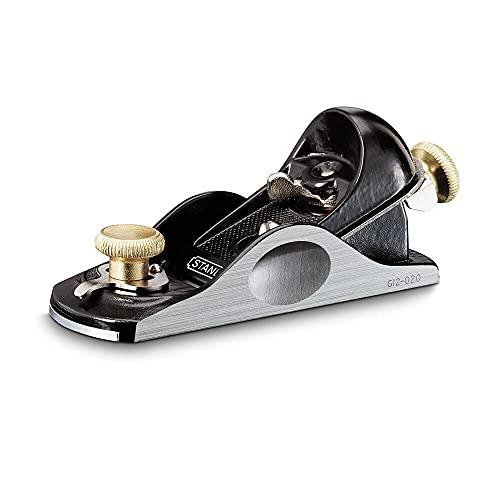


Who Should Buy Which Block Planes?
For People Who Want the Best Performance
Performance buyers often work with hardwoods, end grain, or fine fitting jobs where a clean, thin shaving matters. They benefit from a heavier body that stays steady, a blade that holds an edge, and an adjuster that moves in small, repeatable steps.
Paying more makes sense here when the plane will see daily use and when tear out or chatter would ruin a visible surface. A stable body and a well seated blade save time that a lighter plane might lose to repeated passes.
For Value Seekers
Value seekers want a plane that trims edges, fits small parts, and holds up to regular shop use without a premium price. A mid range body with a solid blade often covers most home workshop jobs well.
Focus on blade quality, a flat sole, and smooth adjustment rather than extra features. Those three points decide most results, while a fancy finish adds little to the cut itself.
For Gift Shoppers
Gift buyers often want a plane that is easy to learn, simple to adjust, and useful for many small jobs. A standard size plane with clear instructions and a maker warranty is usually a safer gift than a specialist low angle or large model.
Check that the recipient has a way to sharpen the blade, since even a good plane cuts poorly with a dull edge. A simple sharpening guide or a note about basic care makes the gift far more useful.
For First Time Buyers
First time buyers should choose a plane that feels comfortable, adjusts without fuss, and forgives small mistakes in pressure and angle. A lighter standard plane is often easier to control than a heavy specialist model.
Start with basic jobs such as easing edges and trimming small parts, and learn to set the blade for a thin shaving before tackling end grain. A plane that is easy to set up will get used far more than one that frustrates you at the bench.
Key Features to Compare
Warranty and Customer Support
A clear maker warranty helps when a casting is flawed, an adjuster binds, or a part arrives damaged. Look for a maker that names what is covered, how long cover lasts, and how to claim, rather than a vague promise of quality.
Support also means usable guidance on setup, blade care, and adjustment. A maker that explains those steps in plain language saves a new buyer from guessing and from blaming the tool for a setup problem.
Build Quality and Materials
Most block planes use a cast iron or ductile iron body, which adds weight and helps the plane stay flat on the work. A heavier body can reduce chatter, but it can also tire a small hand, so balance matters more than weight alone.
Check the sole for flatness, the sides for square, and the mouth for a clean, even opening. A blade made from good tool steel holds an edge longer, which means fewer stops to resharpen during a fitting job.
Key Performance Specs
The most useful specs are blade width, blade angle, body length, and mouth opening. A wider blade covers more surface per pass, while a narrower blade suits small parts and tight spots.
Low angle planes suit end grain and tricky grain, while standard angle planes suit general trimming and edge work. An adjustable mouth lets you close the opening for fine shavings or open it for heavier cuts, which adds real control.
Size, Weight, and Fit for Your Space
Standard block planes are about five to six inches long and suit most hands and most bench jobs. Smaller planes suit detail work and travel kits, while larger planes suit longer edges and heavier trimming.
Hold the plane if you can, or check the grip shape and weight in the listing. A plane that cramps your fingers or pulls your wrist will stay on the shelf, no matter how well it is made.
Intended Use and Who It Is For
Match the plane to your routine. A furniture maker who fits drawers daily needs a different plane than a homeowner who trims a sticking door once a year, and a model maker needs a smaller tool than a joiner working on large frames.
List your three most common jobs before you buy. If two of them are edge trimming and small fitting work, a standard plane will cover them, while end grain work may point you toward a low angle model.
Types of Block Planes Compared
| Type | Best For | Pros | Cons | Typical Price |
|---|---|---|---|---|
| Standard angle | General trimming and edge work | Versatile and easy to learn | Can tear tricky grain | around $30 to $90 |
| Low angle | End grain and fine fitting | Clean cuts on end grain | Needs a sharp blade to shine | around $50 to $150 |
| Small or pocket | Detail work and small parts | Light and easy to control | Slow on long edges | around $25 to $70 |
| Large block | Long edges and heavier trimming | Stable and fast on long runs | Heavy for small hands | around $60 to $160 |
Low Angle Versus Standard Angle
Low angle planes cut with the blade bedded at a lower pitch, which slices end grain cleanly and reduces tear out on tricky grain. They suit furniture makers and anyone who fits joints often, but they demand a truly sharp blade, since a dull low angle edge will skid and chatter.
Standard angle planes suit general shop work, from easing edges to trimming small parts, and they forgive a blade that is slightly less than perfect. They cost less in many cases and are easier to learn, which makes them a strong first plane for most buyers.
If you can buy only one plane, start with a standard angle model and add a low angle plane later when end grain work becomes a regular part of your routine. That order gives you a versatile tool first and a specialist tool second, rather than a specialist tool that sits unused.
Common Mistakes to Avoid When Buying Block Planes
- Choosing only by price, which can leave you with a blade that dulls fast or an adjuster that slips.
- Ignoring warranty and customer support, which matters when a casting or adjuster arrives flawed.
- Buying too large or too small a plane for your hands and your usual jobs.
- Skipping a flatness check, since a sole that rocks will not cut evenly.
- Forgetting sharpening, since even a good plane cuts poorly with a dull blade.
When you compare workshop tools, a guide to best jack planes can help you see where a longer plane suits jointing and flattening better than a short block plane. For bench work, a guide to best butcher blocks can help you choose a solid surface that supports clean, steady planing.
Care and Maintenance Tips
- Read the manual before first use, including blade setup, mouth adjustment, and safe handling.
- Clean and inspect regularly, wiping the sole and blade after use and checking for nicks.
- Store in a dry place, with the blade retracted so the edge does not nick on other tools.
- Sharpen little and often, rather than waiting until the blade tears the surface.
- Oil moving parts lightly as the maker directs, and keep screws snug without overtightening.
Maker tool safety guidance applies throughout: keep hands behind the cutting edge, clamp the work firmly, and wear eye protection when trimming. A sharp blade is safer than a dull one, since it needs less force and is less likely to slip.
Frequently Asked Questions
How much should I spend on a block plane?
Most home workshop buyers spend about $30 to $150, depending on size, blade quality, and body material. A standard plane in the middle of that range covers most trimming and fitting jobs, while a low angle or large model costs more and suits frequent end grain or long edge work.
How do I maintain a block plane?
Keep the blade sharp, wipe the sole and blade after use, and store the plane in a dry place with the blade retracted. Check the sole for flatness from time to time, oil moving parts lightly as the maker directs, and clean out shavings so the mouth and adjuster stay free.
Are expensive block planes worth it?
Yes, when you plane often or work with hardwoods and end grain, since a heavier body, a better blade, and a smoother adjuster save time and give cleaner results. For occasional edge trimming, a mid range plane used with a sharp blade often gives results that are just as good.
How long does a block plane last?
A well made block plane can last for decades with basic care, since the body and adjuster wear slowly when kept clean and dry. The blade is the consumable part, and it can be resharpened many times, so the main cost over time is sharpening supplies rather than a new plane.
What features matter most when buying block planes?
Blade quality, sole flatness, and smooth adjustment matter most, because they decide cut quality and ease of use on every job. Body size, blade angle, and mouth control come next, since they match the plane to your hands, your projects, and the grain you work most often. Check the grip and weight before you buy.
Final Thoughts
Choose by routine first: standard angle for general work, low angle for end grain, small for detail, and large for long edges. Then check blade quality, sole flatness, and adjustment, since those three points decide most results.
A plane that fits your hand and holds a sharp edge will get used often and cut cleanly. Compare sizes in the product table, keep the blade sharp, and let the work you do most often guide the final choice for the best block planes.