
Best Blind Chairs for Hunting: Types Compared and How to Choose for 2026
Disclosure: We may earn a commission when you buy through links on this page, at no extra cost to you. As an Amazon Associate I earn from qualifying purchases. Learn more

Swivel, folding, or low profile? How to pick the best blind chairs for hunting by noise, fit, and comfort for long sits in a blind.
The best blind chairs for hunting are the ones that let you sit still, stay quiet, and keep a clear shooting position for hours inside a ground blind or box blind. Choosing well comes down to the chair type, how it moves, and how it fits the space you hunt from.
This guide compares the main types of blind chairs, explains the features that matter in a cramped blind, and covers care and common questions. Use the product table above to narrow your shortlist once you know which type fits your style of hunting.
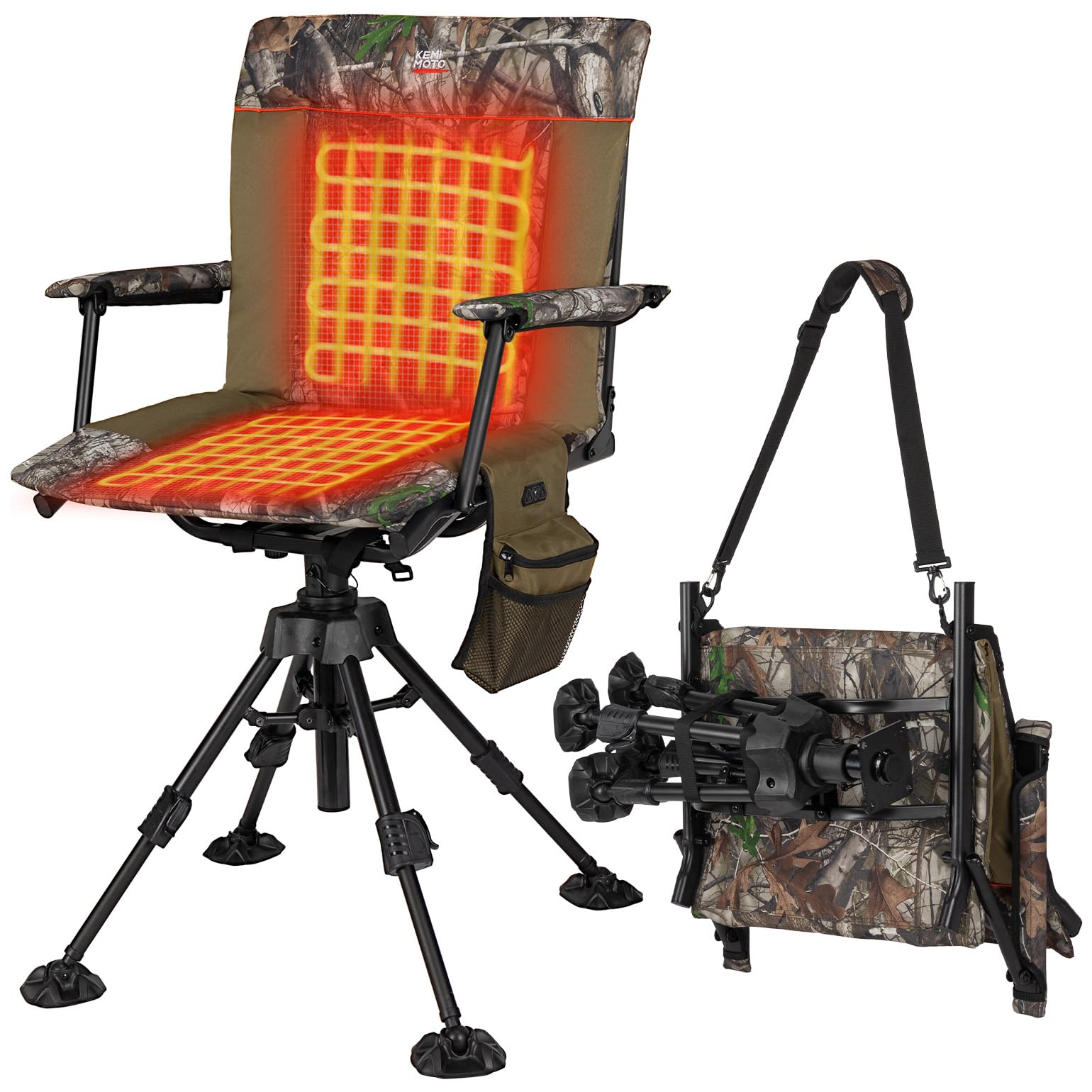

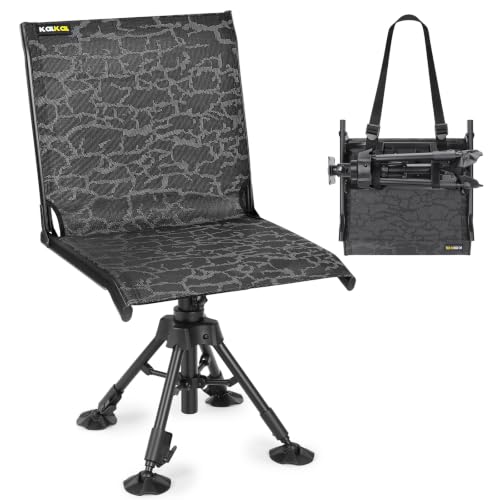


Types of Blind Chairs Compared
| Type | Best For | Strengths | Trade-offs |
|---|---|---|---|
| Swivel blind chairs | Hunters who need to cover several shooting lanes | Quiet 360 degree turning, low profile | Heavier and bulkier to carry |
| Folding camp style chairs | Hunters who hike in or move between blinds | Light, packable, easy to store | Less back support, often no swivel |
| Low profile ground chairs | Small pop-up blinds with low ceilings | Sits low, easy to hide, stable | Harder to stand up from |
| Padded or rocking blind chairs | Long sits in permanent box blinds | Comfort for all-day hunts | Noisy if the joints are not padded |
Swivel and Rotating Chairs
A swivel base is the feature hunters ask about most. It lets you turn toward a deer or turkey without shifting your feet, which cuts down on movement the animal can notice. Look for a smooth, silent rotation and a locking option so the seat does not drift while you aim. Rubber or felt on the moving parts helps keep metal from clicking.
Swivel chairs are best in box blinds and larger ground blinds. In a small pop-up blind, check the seat diameter against the floor space, since a wide seat can bump the walls.
Folding and Packable Chairs
If you walk to your stand, weight and pack size matter more than extras. Folding blind chairs trade some comfort for portability, and many have a carry strap. Check that the frame locks open firmly and does not squeak when you shift. A matte, dark or camouflage fabric also keeps the chair from showing through a window opening.
Low Profile and Ground Chairs
Low chairs keep your head and shoulders below the window line of a short blind. They are steady on uneven ground and easy to conceal. Make sure your knees are not forced up too high, because a seat that is too low makes it hard to stand and move quickly when a shot opportunity appears.
How to Choose the Best Blind Chairs for Hunting
Quiet Operation
Noise is the biggest failure point. Plastic on plastic, bare metal joints, and stiff fabric all make sounds you will hear at dawn. Prefer padded joints, soft-touch fabric, and a swivel that turns without grinding.
Comfort and Support
For long sits, look for a supportive backrest, a seat that does not sag, and armrests that sit at a natural height. Armrests also give you a stable place to rest a bow or rifle in some setups, but make sure they do not catch on your gear.
Size and Fit
Measure the inside of your blind before you shop, including the ceiling height and the distance to the window panels. Compare that to the chair's seat width, folded size, and overall height. A chair that fits on paper should still let you draw a bow or shoulder a gun without hitting the walls.
Weight Capacity and Build
Check the stated weight capacity and add a margin for your clothing and gear. Steel frames are durable but heavier, while aluminum saves weight. Look for sturdy rivets or welds, wide feet that do not sink into soft ground, and a stable stance on a plywood or uneven floor.
Color and Concealment
Dark, matte finishes blend into the shadows inside a blind. Avoid shiny frames and bright logos, which can catch light through the windows.
Matching the Chair to Your Hunting Style
Bow hunters need clearance to draw, so a lower seat with no tall armrests and a compact swivel often works best. Rifle and shotgun hunters usually prefer armrests or a firm backrest for a steady rest. Turkey and waterfowl hunters who shift position often should favor a chair that rotates without noise and a seat height that keeps them below the window line.
Think about the blind itself. Permanent box blinds with solid floors let you use a heavier, padded chair, while pop-up ground blinds with thin floors suit lighter chairs with wide feet that will not sink or tear the fabric. If the floor is slick plywood, rubber feet or a small mat under the chair stops it sliding when you turn.
Best Blind Chairs for Hunting: Comfort for Long Sits
Long sits are where a chair proves its worth. A seat that is too soft sags and cuts circulation, while a seat that is too hard causes numbness after an hour. Look for a firm base with a thin layer of padding, a backrest that supports the lower back, and a seat height that lets your feet rest flat. Dress in layers, since a cold seat makes any chair feel worse, and consider a seat cushion for the coldest mornings.
How to Make Your Blind Chair Last Longer
- Store it dry. Moisture rusts frames and grows mildew on fabric, so wipe it down and let it air dry after wet hunts.
- Tighten fasteners. Vibration and transport loosen bolts over time, so check them before each season.
- Lubricate moving parts quietly. A small amount of silicone-based lubricant on swivel parts keeps them smooth without attracting dirt.
- Follow the manual. The maker's care steps cover the fabric and finish better than generic advice.
Frequently Asked Questions
What features matter most in blind chairs for hunting?
Quiet operation, a smooth swivel, a size that fits your blind, and enough support for long sits matter most. Weight and packability come next if you carry the chair a long way.
How do I choose the right size?
Measure the floor space and ceiling height of your blind, then compare it with the chair's seat width and total height. Leave room to move your arms for a bow or gun.
Is a swivel chair better than a folding chair?
A swivel chair is better for covering several lanes from one spot, while a folding chair is better when you need to carry it in. Many hunters keep a swivel chair in a permanent blind and a folding chair for portable hunts.
How long should a good blind chair last?
With dry storage and basic care, a well built chair can last many seasons. Fabric and padding usually wear out before steel or aluminum frames.
Is an expensive blind chair worth it?
It can be if you hunt often and sit for hours, because better padding, a quieter swivel, and sturdier joints add up over a season. For occasional hunts, a simple, quiet chair that fits your blind is enough. Readers comparing seats for ground blinds may also like our guide to Best Hunting Chairs for Ground Blinds. For a broader view, see Best Blind Chairs, Best Hunting Chairs, and Best Deer Blind Chairs.
Final Thoughts
Pick the chair type that matches how and where you hunt, then check noise, fit, and support before anything else. Compare your finalists in the product table above, and choose the best blind chairs for hunting option that you can sit in quietly for a full morning.


