
Best Blenders for Vegans: Our 2026 Checklist and Buying Guide
Disclosure: We may earn a commission when you buy through links on this page, at no extra cost to you. As an Amazon Associate I earn from qualifying purchases. Learn more

Use this buying guide to the best blenders for vegans covering motor power, jar size, blades, cleaning, and value before you choose a model.
Vegan cooking asks more of a blender than most kitchens do. You are not just making the odd drink. You are turning soaked cashews into cream, frozen fruit into thick spoonable bowls, and leafy greens into sauces with no gritty bits left behind. That is why this guide scores best blenders for vegans against a clear checklist instead of chasing headline claims.
Below you will find the criteria that actually matter, the warning signs to skip, and a simple way to match a machine to your habits. The comparison table below pulls the shortlist together so you can check size, speed options, and price at a glance.

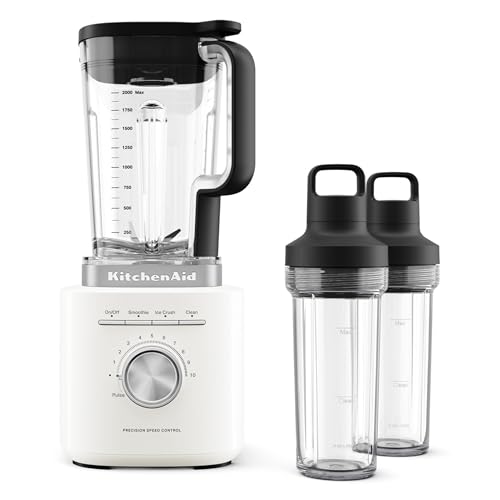


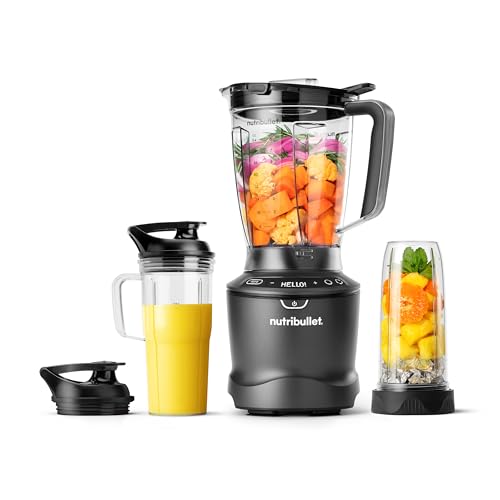


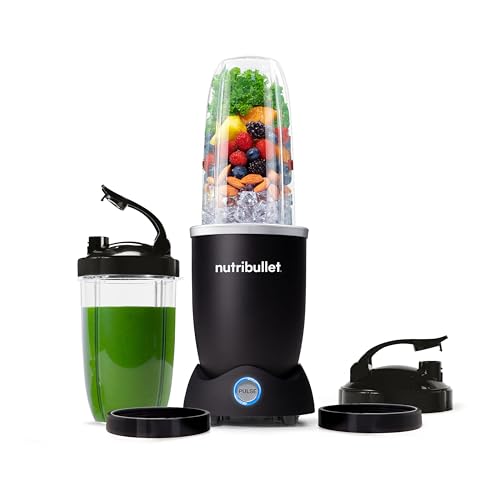
How We Evaluate Blenders
Our checklist gives the most weight to jobs vegan cooks repeat every week. A machine earns its place by handling thick mixtures without stalling, by pulling ingredients down into the blades, and by cleaning up fast enough that you will use it on a busy Tuesday. Looks and bonus programs count for far less than steady results.
Features That Matter for Vegans
Start with the tasks that define plant based cooking. Nut butters, seed butters, hummus, and cashew sauces are thick and sticky, so the jar needs a tamper to push food toward the blades and a shape that keeps a vortex moving. Frozen desserts need strong ice crushing without leaving chunks. Look for variable speed control rather than two or three fixed settings, because starting slow and ramping up stops splashing and air pockets. A jar marked BPA free matters when you blend hot soups often.
Motor Power and Wattage
Wattage is a clue, not a verdict. Many capable full size machines sit around 1000 to 1500 watts, and that range usually handles frozen fruit, ice, and nuts well when the blade and jar design are sound. Lower wattage models can still make green smoothies from soft produce, but they often struggle with thick bowls. Pay attention to how the motor behaves under load. A good design slows slightly and keeps working, while a weak one stops, smells hot, or needs constant shaking to finish the job.
Blade or Attachment Design
Most vegan staples depend on the main blade assembly, not extra attachments. Thick stainless blades that sit low in the jar catch small amounts, which matters for dressings and sauces made in modest batches. A tamper is the most useful extra by far. Some systems add food processor bowls or personal cups, and those help with chopping or single drinks, but attachments borrowed from other tools, such as a dough hook or whisk, belong to mixers and add little here. Judge the core jar first and treat extras as a bonus.
Warranty and Motor Reliability
Blending frozen and dense food is hard on motors, so warranty length tells you how much confidence the maker has. Coverage of about two years is the floor we would accept, while five to ten years on the motor signals a machine built for daily use. Read what the warranty actually covers, since some plans cover the motor but not the jar or blade assembly. Keep your receipt and register the product, because a long warranty only helps if you can prove the purchase date later.
Footprint, Storage, and Cord Length
Measure before you fall for a tall jar. Many full size blenders stand about 17 to 20 inches high, and standard upper cabinets often leave less clearance than that. If the machine must live on the counter, check the height with the lid on. If it will live in a cupboard, weigh how often you will lift it, because heavy bases discourage daily use. Cord length matters too. A cord around three to four feet suits most counters, and cord storage under the base keeps the worktop tidy.
Ease of Cleaning
Nut butters and hummus cling to jar walls, so cleaning design shapes how often you will cook from scratch. A self clean cycle, run with warm water and a drop of soap, handles most residue in under a minute. Removable blades make scrubbing easier but add seals that can trap food, so many cooks prefer a fixed blade jar they can rinse right away. Check whether the jar, lid, and tamper are dishwasher safe, and note that hand washing usually keeps plastic jars clearer for longer.
What a Strong Choice Looks Like at Each Price Tier
Instead of naming winners, use the tiers below to see what your budget should buy. The product table above shows how current options line up against these expectations, so compare each listing against the tier it sits in.
Overall Level
An all round choice for most vegan homes pairs a motor around 1200 watts or more with a jar of about 64 ounces, variable speed control, a pulse function, and a tamper. Expect to pay about $150 to $350 for this level. At that price you should also get a warranty of at least five years, a jar that handles both large soup batches and small sauces, and parts that are easy to replace. If a listing in this tier skips the tamper or offers only preset programs, it is asking premium money for less control.
Value Level
Value picks, often around $60 to $150, suit cooks who blend smoothies, soups, and sauces but make thick bowls only now and then. You may give up some top end power, a shorter warranty of about two to three years, and quieter operation. What you should not give up is a sturdy jar, a pulse setting, and enough speed range to start thick mixtures gently. If you mostly use soft or thawed ingredients, this tier covers your needs well. Shoppers comparing value across ranges may also want to see our guide to the best quality blenders for build cues that hold up over time.
Heavy Use Level
Heavy use means daily thick blending, big family batches, or small business prep. Machines in this class often cost about $300 to $550 and bring stronger motors, metal drive parts, and warranties stretching toward ten years. The jar is usually larger and the base heavier, which helps stability when crushing ice. The trade off is size and noise. Choose this tier only if your current blender stalls or overheats, because lighter users rarely gain enough to justify the extra cost and counter space.
Quick Buyer Checklist
Run through these questions before you order. A yes to most of them means the machine fits your kitchen and your cooking style.
- Does the motor sit near or above 1000 watts for frozen and thick work?
- Is a tamper included for nut butters, hummus, and thick bowls?
- Can you control speed gradually instead of relying only on presets?
- Does the jar size match your usual batch, from single sauces to family soups?
- Will the full height fit under your cabinets or in your storage spot?
- Is the jar marked BPA free and safe for hot liquids if you blend soups?
- Does the warranty cover the motor for at least two years, and longer if you blend daily?
- Can you clean it with a quick rinse cycle rather than full disassembly?
Red Flags to Watch For
Some listings look strong until you read closely. Walk away, or at least pause, when you meet these signs.
- Vague power claims that list peak wattage only, with no running wattage or speed details given.
- No tamper and a tall narrow jar, a pairing that leaves thick mixtures stuck above the blades.
- A warranty under two years on a machine marketed for ice crushing and daily use.
- No clear statement about jar material or hot liquid safety for soup making.
- Replacement jars, lids, or seals that are hard to find, turning a small crack into a full replacement.
If your needs are narrower than a full size machine, our guide to the best blenders for vegan cooking looks at recipe driven demands in more depth, and it can help you decide whether a smaller format might serve you better.
Tips to Get the Most From Your Blender
Order matters more than most people expect. Add liquids first, then soft ingredients, then frozen items and ice on top, so the blades catch fluid and pull the rest down. Fill below the max line, because thick mixtures expand as air folds in. For stubborn blends, pause, use the tamper, and add liquid one spoonful at a time rather than flooding the jar. Clean right away with warm water and a drop of soap, run a short cycle, and rinse, since dried cashew cream takes real scrubbing later.
Frequently Asked Questions
What features matter most in blenders for vegans?
A tamper, variable speed, and enough motor strength for frozen and dense food matter most. Vegan staples like nut butter and hummus are far thicker than a basic drink, so control beats raw presets. Jar shape matters too, because a design that keeps food moving toward the blades saves you from stopping to scrape the sides every few seconds.
How many watts does a good blender need?
Around 1000 watts or more suits most vegan tasks, including ice and frozen fruit. Wattage alone does not guarantee results, though. Blade shape, jar design, and gearing decide how much of that power reaches the food. If you rarely blend anything frozen or thick, a lower powered machine can still handle soft smoothies and soups without trouble.
Can a blender crush ice?
Yes, most full size blenders in the midrange and above can crush ice well. Add a splash of liquid and use pulse bursts so cubes move and break evenly instead of bouncing above the blades. Very small personal models may chip ice for one drink but often leave uneven pieces, so check that ice crushing is listed as a supported task before you rely on it.
How do I clean a blender quickly?
Rinse the jar at once, add warm water and a drop of soap, and run the blender for about 30 seconds. That method lifts most smoothie and sauce residue without taking the jar apart. For nut butter, soak the jar in warm soapy water for ten minutes first, and use a bottle brush around the blades while keeping your fingers well clear of the edges.
What is the difference between a blender and a food processor?
A blender uses a tall jar and fast blades to turn food into smooth liquids and thick purees, which suits soups, sauces, and bowls. A food processor uses a wide bowl and discs or blades to chop, slice, and shred with less liquid. Many vegan cooks own both, but if you must pick one first, the blender covers more daily staples. Shoppers weighing formats can compare our guide to the best stick blenders for small batch sauce work.
Is a more expensive blender worth it?
It is worth it if you blend thick or frozen food most days, because stronger motors and longer warranties pay off over years of use. Occasional smoothie makers usually gain little from premium pricing. Think in cost per year rather than ticket price. A machine that lasts eight years of daily use often costs less over time than a cheap one replaced twice.
Wrapping Up
Match the machine to your thickest regular task, insist on a tamper and gradual speed control, and let warranty length guide your budget. Those three checks will steer you to the best blenders for vegans for your own kitchen far better than any headline claim. When you are ready, scan the comparison table above once more with your checklist in hand. If smoothies are your main job, our guide to the best blenders for smoothies adds drink specific pointers, and cooks short on space may prefer our guide to the best hand blenders for quick purees.


