
Best Blenders for Soups and Smoothies: Budget, Midrange, and Premium Picks for 2026
Disclosure: We may earn a commission when you buy through links on this page, at no extra cost to you. As an Amazon Associate I earn from qualifying purchases. Learn more

Learn how to choose the best blenders for soups and smoothies by price tier, with guidance on hot blending safety, power, jar size, and speeds.
Blenders that handle both hot soup and frozen drinks span a wide price range, from under $60 to more than $500. This guide shows what each tier really gives you, so you can find the best blenders for soups and smoothies for your kitchen without paying for power or programs you will never use. Start with the comparison table below, then read on for the safety and sizing details that matter most with hot liquids.
Soup adds demands that a drink only machine never faces: steam pressure, heat safe materials, and long run times. Smoothies add the opposite demand of crushing ice fast. A good dual purpose machine handles both ends calmly.
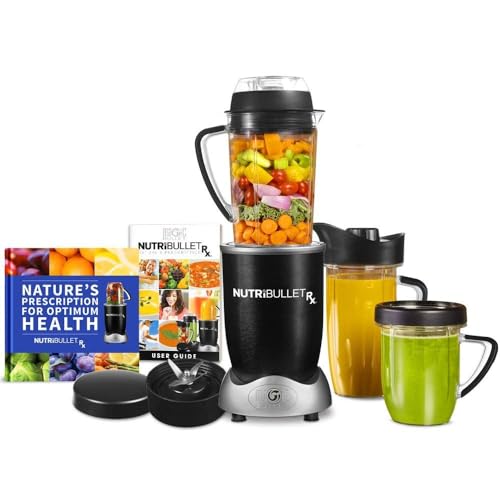
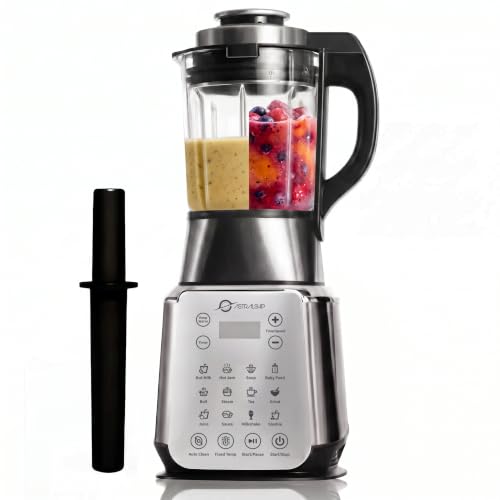


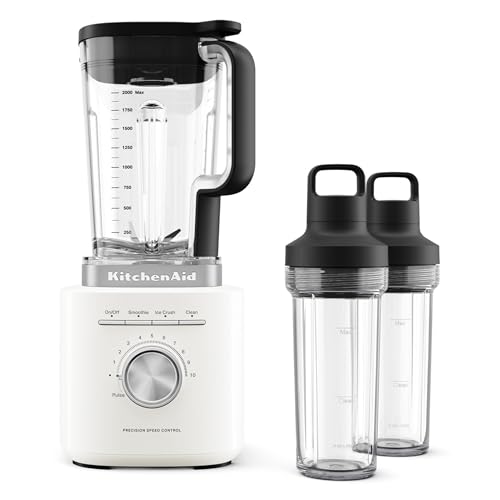
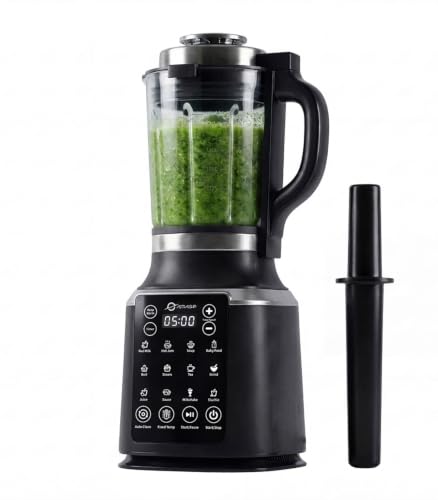
Picks by Budget
These are buying profiles, not named models. Match each profile against the options in the product table above.
Budget Level
A sound budget profile costs around $60 to $100 and covers cold smoothies and warm, precooked soups blended in small batches. Look for at least 600 watts, a jar of about 48 ounces, and a lid with a vent you can open for steam. Expect to let hot soup cool a little before blending and to work in two batches for a full pot. Heat safe glass jars appear at this tier, though they are heavy. This level suits occasional soup makers who blend drinks more often than soups.
Midrange Level
The midrange profile, around $120 to $250, is where hot blending becomes easy. You get variable speed, a Tritan jar marked BPA free, a vented lid designed for steam, and enough power for frozen fruit without long run times. Many models add a soup preset that starts slow and builds speed, which reduces splashing. For most households that make soup weekly in season and smoothies year round, this tier gives the best mix of safety, texture, and price.
Premium Level
A premium profile, around $300 to $500 or more, adds friction heat blending that can bring soup to serving temperature, stronger cooling for long cycles, and warranties of 7 to 10 years. Low speed control is finer for chunky soups, and jars resist staining from tomato and turmeric. This tier suits daily users and large families. If you mostly need drinks for one, our guide to the best personal blenders for smoothies shows smaller, cheaper options, though they are not made for hot soup.
What Your Money Gets You at Each Price Tier
Budget Tier: What to Expect
Budget machines blend drinks well and puree soft cooked vegetables with added liquid. Jar lids may vent poorly, so hot blending needs care: fill no more than half full, hold the lid with a towel, and start on the lowest speed. Motors tire on long cycles, so rest between batches. You trade convenience and safety margin for a low price, which can still be a fair deal for light use.
Midrange Tier: The Sweet Spot for Most Buyers
Midrange machines add the details that make soup night simple: vented lids, clear max fill lines for hot liquids, and speed ramps that prevent the first surge of steam and liquid. Jars get tougher, seals get better, and a tamper helps thick potato or squash soups move without extra stock. Smoothie results improve too, with fewer ice shards. For a household of two to four people, a 64 ounce jar at this tier covers most recipes in one batch.
Premium Tier: When Spending More Pays Off
Premium machines earn their price on long, hot, heavy work. Better bearings and cooling let you run a full soup cycle without a burnt smell, and sound is lower at the speeds used most. Programs for hot soup, precise low speeds, and durable jars that shrug off stains all save effort over years. If you batch cook soup to freeze, the time saved on each pot adds up, and the long warranty lowers the risk of the higher price.
Features Worth Paying For (and Ones to Skip)
Features That Matter for Soups and Smoothies
Heat and ice in one machine require a vented lid, a jar rated for hot liquids, variable speed, and pulse. Look for Tritan or glass that the maker clears for hot use, and a base stable enough for long runs. A useful know how point: blend hot soup in batches and return it to the pot to finish seasoning, because flavors read differently once fully pureed and salt is easy to overdo in the jar.
Motor Power and Wattage
For this pair of jobs, about 900 to 1,200 watts gives smooth frozen drinks and enough stamina for long soup cycles. Higher power helps most with thick mixtures and full jars. Wattage is not the whole story, because cooling design decides whether the motor can sustain that power for five minutes of soup work. Check the warranty and the stated hot liquid capacity, which reveal more than a peak power claim.
Speed Settings and Presets
Variable speed protects you with hot liquids, since a slow start keeps soup from surging. Pulse helps free air pockets in thick smoothies and gives chunk control in salsa like soups. A hot soup preset is genuinely useful when it ramps speed up and down over several minutes. Skip large counts of novelty programs; a dial, pulse, and one or two proven presets cover nearly every recipe you will make.
Blade or Attachment Design
Fixed stainless blades suit this category, since they both crush ice and create the vortex that purees soup evenly. A tamper that fits through the lid is valuable for thick blends. Attachments such as a dough hook belong to other appliances and add little here. If you want small drink only batches as well, see our guide to the best small blenders for smoothies for compact jars that pair well with a full size machine.
Capacity and Jar/Bowl Size
Soup math differs from smoothie math. A 64 ounce jar blends about 48 ounces of hot liquid safely once steam headroom is allowed, which serves roughly four bowls. Smoothie capacity can use the full jar with cold ingredients. Families who freeze soup should size up or accept two batches. Measure cabinet clearance with the jar seated, because tall premium jars often need counter storage instead.
Choosing Blenders for Your Situation
Best Professional Blenders for Soups and Smoothies
The best professional blenders for soups and smoothies stand out on duty cycle, jar durability, and service support rather than extra programs. They run batch after batch without overheating, use parts that a busy kitchen can replace fast, and hold texture under full loads. Home cooks who batch cook every weekend get the same benefits, as long as the larger footprint and higher price around $400 or more fit the kitchen and the budget.
Long Term Costs to Factor In
Expect to replace gaskets over time, and budget for a spare jar if tomato and spice soups stain your main one. Electricity cost is small, though long hot cycles on premium motors use more than a quick smoothie. Warranty terms change the real cost picture: a machine with 7 to 10 years of cover may cost less per year than a cheap model replaced twice. Parts availability matters most, so favor designs whose jars, lids, and tampers are sold separately. If frozen drinks are your priority on some days, our guide to the best blenders for frozen smoothies covers the ice focused details.
Safety has a cost angle too. A jar that cracks from heat shock or a lid that leaks hot soup is expensive in every sense. Follow the hot fill line, vent steam, and never blend boiling liquid in a sealed personal cup. Those habits protect both you and the machine.
Frequently Asked Questions
What features matter most in blenders for soups and smoothies?
A vented lid, a jar rated for hot liquids, variable speed, and a motor with good cooling matter most. Add a tamper for thick purees. One point many buyers miss is the hot fill line, which sits lower than the cold max line on good jars. Respecting that line is what keeps hot soup blending safe and splatter free.
How do I clean a blender quickly?
Rinse the jar, add warm water and one drop of soap, and run it for about 30 seconds, then rinse and dry. For soup films, a short soak lifts starch before the soap cycle. Clean the gasket groove with a soft brush weekly, because soup residue hides there and can flavor a sweet smoothie later in the week.
What's the difference between a blender and a food processor?
A blender purees with liquid into smooth soups and drinks, while a processor chops and slices with little liquid. For soup toppings and smoothie add ins, a processor helps, but it cannot make a silky soup. If a recipe needs both textures, process the garnish first, then blend the base for the cleanest result.
How many watts does a good blender need?
About 900 watts or more suits this dual role, giving ice crushing strength and stamina for long soup cycles. Smaller motors can puree cooked vegetables but may overheat on full jars. Judge cooling and warranty alongside watts, since a sustained five minute blend tests the motor far more than a thirty second smoothie.
Can a blender crush ice?
Yes, most midrange and premium models crush ice well with liquid in the jar and a pulse start. Add ice after liquid and soft ingredients. Very hard, large cubes are the slowest case, so let them sit in the liquid for a minute first. That brief rest softens the surface and gives a finer, quieter crush.
Wrapping Up
For soup and smoothie duty together, prioritize a vented heat safe jar, variable speed, and a motor built for long runs. Midrange models satisfy most kitchens, while premium models reward batch cooks. Whichever you choose, the best blenders for soups and smoothies pick is the one sized to your pot and your household. Compare finalists in the product table above, and if drinks with serious ice are a daily habit, also see our guide to the best blenders for smoothies and ice and our overview of the best blenders for smoothies.


