
The Best Blenders for Smoothies and Milkshakes: Buying Guide and Top Picks for 2026
Disclosure: We may earn a commission when you buy through links on this page, at no extra cost to you. As an Amazon Associate I earn from qualifying purchases. Learn more

Learn how to choose the best blenders for smoothies and milkshakes with clear guidance on power, jar size, speeds, noise, and care for smooth results.
A smoothie asks a blender to turn frozen fruit and greens into something silky, while a milkshake asks for gentle folding of ice cream without melting it into soup. Finding the best blenders for smoothies and milkshakes means finding a machine that can do both jobs well. This guide walks through power, jar size, speeds, and noise so you can choose with confidence, starting with the comparison table below.
You will also learn which designs suit a single glass and which suit a family batch, and how to avoid the common mistake of buying raw power when what you really need is control.

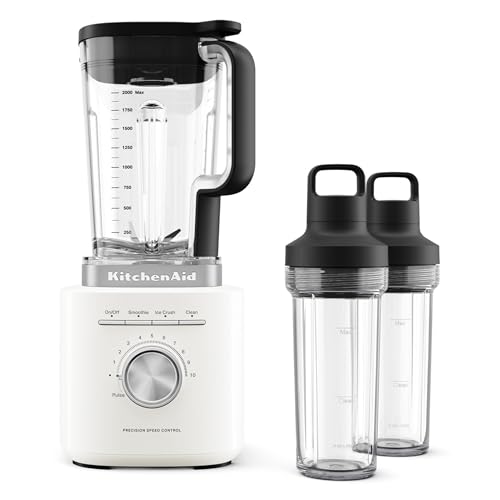


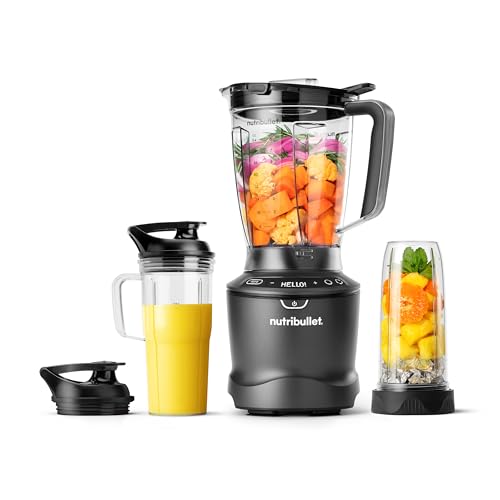


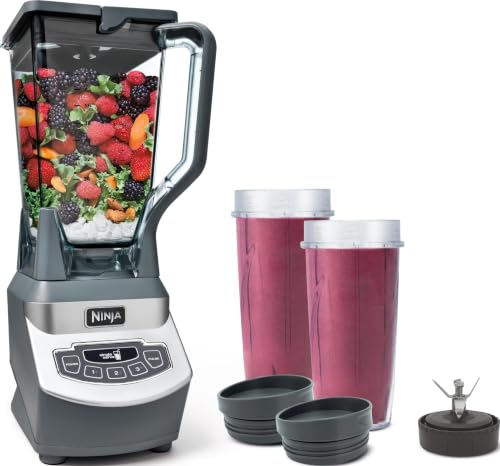
Profiles at a Glance
These profiles describe what to look for at each level, not specific models. Use them as a checklist against the options in the product table above.
Overall Level
An all round choice has about 900 to 1,200 watts, variable speed, pulse, and a jar of about 64 ounces made of Tritan. It should crush ice cleanly, blend frozen berries without grit, and slow down enough to fold ice cream without excess air. A tamper helps with thick drinks, and a warranty of at least 5 years signals a motor built for daily use. Expect to pay around $150 to $300 for this balance of power and control in a full size countertop design.
Value Level
A value choice, around $60 to $120, covers most drink making needs if you choose carefully. Prioritize a motor of at least 600 watts, a jar that creates a good vortex, and simple controls you can use with wet hands. You may give up quiet operation, premium presets, and the longest warranties. For fresh fruit smoothies and classic shakes made a few times a week, that trade off is often wise, and money saved can go toward good frozen fruit and storage cups.
Beginner Level
A beginner friendly choice focuses on simple controls, clear measurement marks, and a jar and lid that are easy to handle and wash. One touch smoothie programs can help while you learn, as long as a pulse button is also present for shakes. Compact personal blenders suit single servings, while a mid size countertop jar suits sharing. If you are still deciding between sizes, see our guide to the best small blenders for smoothies for the space and capacity points that matter most.
How to Choose the Best Blenders: Buying Guide
Features That Matter for Smoothies and Milkshakes
Smoothies need ice crushing strength and a vortex that pulls greens and frozen fruit into the blades. Milkshakes need the opposite skill at times: low speed control that combines without warming or over aerating the mixture. A blender with variable speed and pulse handles both. Look for a wide jar base for thick drinks, a secure lid for high speed work, and a tamper for dense blends that form air pockets.
Motor Power and Wattage
Around 600 watts is a workable floor for fresh smoothies and shakes, while about 900 watts or more gives smoother results with frozen fruit and ice. Wattage alone does not decide texture, because blade angle and jar shape drive the vortex. A practical test when you shop is warranty length: makers tend to give longer cover to motors with better cooling. Avoid running a small motor on ice for long stretches, and let it rest between large batches.
Blade or Attachment Design
Drink blenders use a fixed blade assembly at the jar base, shaped to crush and circulate at once. Stainless steel blades resist corrosion from acidic fruit, and a design that sits close to the jar floor helps with small batches. Attachments such as travel cups are useful, while dough hook or whisk tools belong to other appliances and add little for drinks. Choose a jar where the blade area is easy to rinse, since dried smoothie residue hides there first.
Noise Level
Blenders are loud, often loud enough to carry through an apartment during early morning use. Models with sound shields, heavier bases, and better motor mounts tend to be less harsh, though none are quiet. If you blend before others wake, a personal size machine used for a shorter cycle can help, and blending frozen ingredients with enough liquid shortens run time. Place the base on a folded towel to reduce counter vibration, a simple know how tip that makes a real difference.
Speed Settings and Presets
Variable speed is the most valuable control for this pair of drinks. Start a smoothie low to gather ingredients, then go high for a smooth finish. For a milkshake, stay low and use short pulses so the texture stays thick and cold. Presets can repeat a good cycle, but check that you can stop or adjust mid cycle. If milkshakes are your main goal, compare drink specific advice in our guide to the best blenders for milkshakes before you decide.
Capacity and Jar/Bowl Size
Think in servings. A personal jar of about 20 to 24 ounces suits one person, a 48 ounce jar suits two people, and a 64 ounce jar suits families and entertaining. Remember that thick drinks need headroom to circulate, so do not fill past the max line. Jar material matters too: Tritan is light and resists stains, glass is heavy but does not hold odors, and both should be marked BPA free where plastic is used.
Warranty and Motor Reliability
Drink making is hard on motors because ice and frozen fruit create sudden load. A warranty of 2 to 3 years is standard at lower prices, while 5 to 10 years appears on stronger machines. Check whether the jar, lid, and blade assembly are covered or only the motor base. Keep frozen loads moderate, add liquid before ice, and your motor will last longer regardless of the tier you buy. For single serving routines, our guide to the best personal blenders for smoothies covers smaller motors and their limits.
Types of Blenders
Food Processors
A food processor chops, slices, and mixes with little liquid, which makes it poor for pourable drinks but strong for toppings and mix ins. Chop nuts or cookie pieces in a processor, then fold them into a shake by hand. It is a partner tool, not a replacement for a drink blender.
Stand Mixers
A stand mixer whips cream and mixes batters with ease, and some accept attachments. It cannot crush ice or make a smooth frozen drink. Its role here is beside the blender: whip a topping, mix a thick add in, or prepare desserts that pair with your shakes.
Blender and Food Processor Combos
Combo systems share one motor base with a blender jar and a processor bowl. They save storage space and can suit small kitchens, though each function may be less refined than a dedicated machine. For households that blend often and process now and then, a combo can be a sensible value.
Immersion (Stick) Blenders
An immersion blender works right in a glass or pot and is handy for soft fruit smoothies and quick shakes for one. It will not crush much ice and can leave greens stringy. Cleanup is fast and storage is minimal, which makes it a good second tool. If ice is central to your drinks, start with our guide to the best blenders for smoothies and ice instead.
Care and Maintenance Tips
- Add liquids first, then soft ingredients, then ice and frozen fruit on top, so the vortex forms quickly and the motor strains less.
- Do not overfill past the max line, because thick drinks expand in motion and can force the lid or stall circulation.
- Clean right away with warm water and a drop of soap, run the blender briefly, then rinse and dry with the lid off.
- Let the motor rest between heavy batches, especially with ice, so heat can clear and seals are not stressed.
- Check the gasket weekly for trapped residue, and rinse the blade area with a brush while keeping fingers well clear.
These habits protect flavor as much as parts. Old residue in a seal can sour the next drink, and heat is the quiet enemy of small motors.
Frequently Asked Questions
What features matter most in blenders for smoothies and milkshakes?
Variable speed, pulse, and enough power for ice matter most, with a jar that circulates thick mixtures well. One extra point is lid design: a lid with a removable center cap lets you add ice cream or fruit mid blend for shakes without stopping, which keeps texture cold and even.
What's the difference between a blender and a food processor?
A blender needs liquid and makes pourable drinks, while a processor works with little liquid for chopping and slicing. For drinks, that difference is decisive. Use a processor only for mix ins and toppings, and let the blender do the liquid work where its vortex can create a smooth, even texture.
Can a blender crush ice?
Yes, if it has enough power, strong blades, and a jar shaped for circulation. Use pulse first, add liquid, and avoid huge solid cubes. Smaller cubes break faster and give a finer result, and they reduce the banging load that can crack a light jar or loosen a blade assembly over time.
How do I clean a blender quickly?
Fill the jar part way with warm water, add one drop of soap, and run it for about 30 seconds, then rinse. For milkshake residue, rinse with cold water first so dairy fat does not set with heat. Dry the gasket separately now and then, because moisture trapped there causes odors.
Is a more expensive blender worth it?
It can be worth it if you blend daily with frozen ingredients and want quieter operation and a long warranty. If you make fresh drinks a few times a week, a mid priced model often gives the same glass of smoothie. Spend first on speed control and jar quality, not on extra programs you will rarely use.
How many watts does a good blender need?
About 900 watts is a comfortable target for frozen smoothies, while around 600 watts can handle softer drinks and shakes. Judge the full design, not the number alone. A strong vortex in a well shaped jar will beat a higher watt motor paired with a narrow jar that stalls on thick mixtures.
Our Verdict
Control beats raw power for this pair of drinks: choose variable speed, a jar sized to your household, and a motor with a solid warranty. Check your finalists in the comparison table above, and remember that the best blenders for smoothies and milkshakes for you is the one that makes a thick shake without melting it and a frozen smoothie without grit. For a narrower shortlist focused only on fruit drinks, see our guide to the best blenders for smoothies.


