
Best Blenders for Sauces: A Buying Guide for 2026
Disclosure: We may earn a commission when you buy through links on this page, at no extra cost to you. As an Amazon Associate I earn from qualifying purchases. Learn more
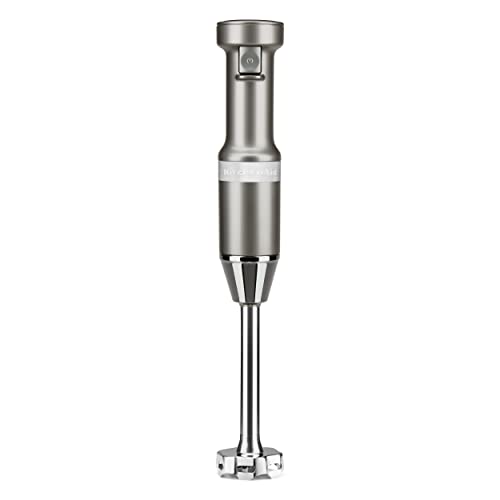
Find a blender that makes silky sauces, from emulsions and purees to small batch pesto, with jar shapes and speed control that matter most daily.
A silky sauce turns on emulsion and texture, not just power. Best blenders for sauces covers the jar shapes, speeds, and blade designs that produce smooth results, and the comparison table below compares immersion, countertop, and personal blenders for sauce work. The right blender should puree without lumps and emulsify without splitting.
This guide explains emulsion technique, jar shape, speed control, and batch size. It also covers cleaning, since oil based sauces cling to blades and seals if left standing.

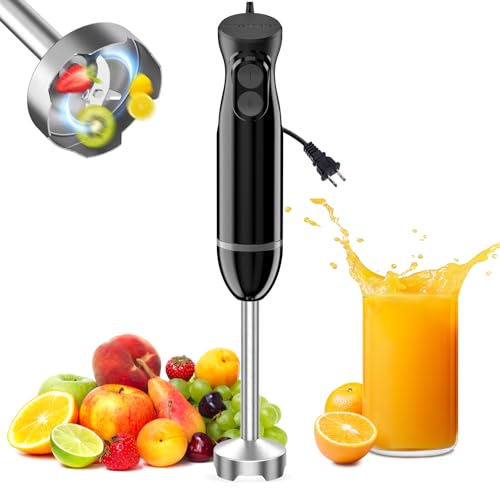
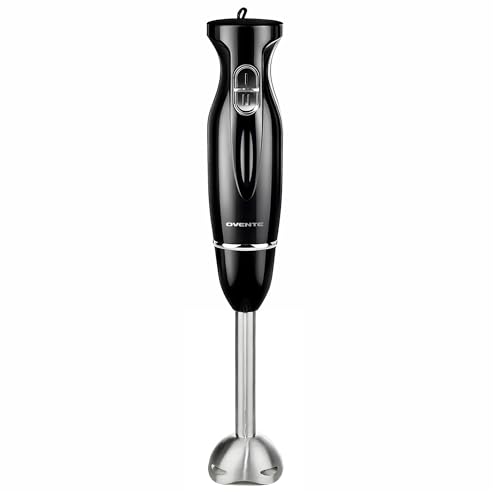


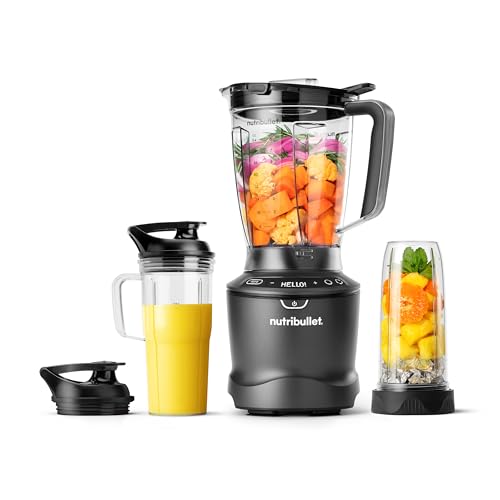


Who Should Buy
For Everyday Sauce Cooks
Everyday cooks need a blender that handles tomato sauce, gravy, and pureed soups without fuss. An immersion blender suits this routine, since it blends directly in the pot and cleans in seconds. A countertop blender with a narrow jar also works well for smooth purees.
For Emulsion Lovers
Mayonnaise, vinaigrettes, and hollandaise need slow, steady emulsion rather than brute power. A blender with variable speed and a narrow jar builds emulsion gradually and evenly. A drizzle opening in the lid helps, since it lets oil enter slowly while blending.
For Small Batch and Pesto Makers
Pesto, chimichurri, and herb sauces come in small batches that large jars handle poorly. A small jar or an immersion blender with a chopper attachment suits these sauces best. Small batches blend evenly when ingredients stay close to the blades.
Key Features to Compare
Jar Shape and Batch Size
Narrow jars create a strong vortex that pulls ingredients toward the blades, which suits sauces and emulsions. Wide jars suit large soup batches but leave small sauce batches stranded above the blades. Match jar size to your usual batch, since a jar far larger than your sauce blends poorly.
Variable Speed Control
Variable speed matters more for sauces than maximum power. Low speeds start emulsion gently, while higher speeds finish purees smoothly. Pulse control helps with chunky salsas, since short bursts keep texture while blending evenly.
Blade Design for Pureeing
Blunt pureeing blades crush and circulate better than sharp slicing blades for sauces. A four blade assembly that reaches low into the jar blends small volumes evenly. Check that blades sit close to the jar base, since high blades miss the bottom layer of sauce.
Pouring and Serving
A jar with a spout and a comfortable handle pours sauce cleanly without drips. Detachable blades ease cleaning, though they add a seal to check. A lid with a removable centre cap lets you drizzle oil during emulsion without stopping the blender.
For related blender styles, see the guides on best quality blenders, best stick blenders, best hand blenders, best blenders for smoothies, and best blenders for shakes.
Emulsion Basics for Silky Sauces
Emulsion means suspending oil droplets evenly through a water based sauce, and slow oil addition is the key. Start blending the base ingredients first, then drizzle oil in a thin stream while the blender runs. If a sauce splits, start a fresh egg yolk or mustard base and whisk the split sauce in slowly to rebuild it.
Temperature matters too: room temperature ingredients emulsify more easily than cold ones. The product table above compares jar shapes, speeds, and pouring features across sauce friendly blenders.
Common Mistakes to Avoid
- Blending small sauce batches in a jar far too large for the volume.
- Pouring oil in all at once and splitting an emulsion.
- Using maximum speed from the start, which splashes and aerates sauces.
- Leaving oil based residue to set on blades and seals.
Setup and Care Tips
Rinse sauce residue immediately, since oil and tomato set quickly on blades. Wash jars, lids, and blade assemblies with warm soapy water, and dry seals fully before reassembly. Check gaskets for tomato staining and odour, and replace them when they no longer seal firmly.
Store sauce blenders with jars dry and lids off where possible, so seals stay fresh. Deep clean monthly with a warm soapy blend cycle to clear residue from blade housings.
From Weeknight Sauces to Dinner Party Purees
Weeknight sauces reward speed, so an immersion blender that blends in the pot and rinses in seconds often beats a countertop model on busy evenings. Tomato sauce, gravy, and bean purees all come together quickly with minimal washing up. Keep the immersion blender accessible rather than buried in a cupboard, since convenience decides weeknight use.
Scaling sauces for guests needs a larger jar and careful batching, since overfilling causes splashes and uneven texture. Blend in two batches for dinner parties, then combine and adjust seasoning in the pot. Guests notice smooth texture and balanced seasoning far more than they notice which blender you used.
Make ahead sauces save dinner party stress, since many purees and vinaigrettes taste better after a day of resting. Store sauces refrigerated in sealed jars, and reheat gently rather than boiling, which can split emulsions. Taste and adjust seasoning after reheating, since cold storage dulls flavours slightly.
Pairing sauces with dishes matters as much as texture, so match richness to the main ingredient. Bright acidic sauces lift rich meats, while creamy purees comfort alongside roasted vegetables. A sauce should complement, not dominate, which means seasoning and balance deserve as much attention as smoothness.
Fixing a split sauce is a useful skill, since even careful cooks split emulsions occasionally. Start a fresh base of egg yolk or mustard, then whisk the split sauce in slowly until it recombines. Gentle heat and patience rescue most splits, so never discard a sauce before attempting this simple fix.
Frequently Asked Questions
What blender is best for mayonnaise?
A blender with a narrow jar, variable speed, and a drizzle opening suits mayonnaise best, since slow oil addition builds a stable emulsion. Start on low speed with egg and mustard, then drizzle oil slowly. An immersion blender in a tall narrow cup also makes mayonnaise reliably.
Why does my sauce stay lumpy?
Lumps usually mean the batch is too small for the jar, the speed is too low, or blending stopped too soon. Use a jar matched to the batch size, blend longer at a steady speed, and scrape down the sides midway. Straining through a fine sieve fixes a nearly smooth sauce quickly.
Can I blend hot sauces safely?
Yes, if the jar is heat safe and the lid vents steam. Fill the jar half full, start on low speed, and hold the lid with a towel. Hot sauce expands during blending, so never seal a jar fully with hot liquid or blend boiling sauce at high speed.
How do I make small batch pesto?
Use a small jar or a chopper attachment, since large jars leave small herb batches stranded above the blades. Pulse in short bursts to keep texture, and add oil gradually. Scrape down the sides between pulses for an even pesto without over blending.
How do I clean oil residue from a blender?
Rinse immediately with warm water, then blend warm soapy water briefly and rinse again. Dry blade assemblies and seals fully before storage, since trapped oil turns rancid and leaves odour. A monthly deep clean keeps blade housings free of residue.
Final Thoughts
Silky sauces come from matched jar size, variable speed, and patient emulsion technique. Narrow jars, slow oil addition, and prompt cleaning matter more than raw power. The product table above compares the features that make sauce blending easy.
Start slow, drizzle oil gradually, and clean promptly. Those habits make best blenders for sauces a reliable route to smooth, professional tasting sauces at home.


