
The Best Blenders for Salsa: Buying Guide for 2026
Disclosure: We may earn a commission when you buy through links on this page, at no extra cost to you. As an Amazon Associate I earn from qualifying purchases. Learn more

Pulse control, jar size and speed settings decide salsa texture. A buying guide to the best blenders for salsa, chunky or smooth.
Salsa punishes the wrong blender in both directions: too little control and you get tomato soup, too little power and you get a salad that never came together. This guide shows you how to choose the best blenders for salsa by focusing on pulse control, jar shape, and the speed range that keeps texture exactly where you want it.
Read the buying guide, compare the profiles below, and check the comparison table below to see how current options match the way you like your salsa.


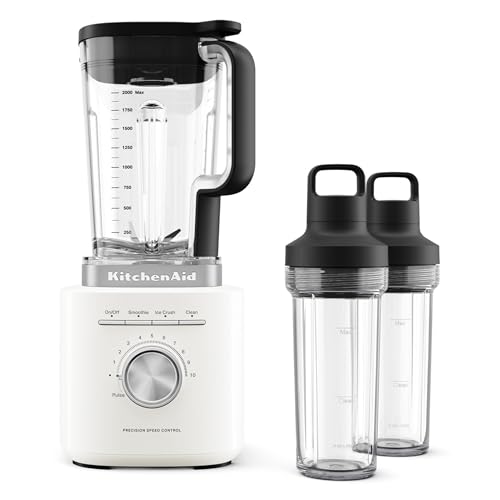
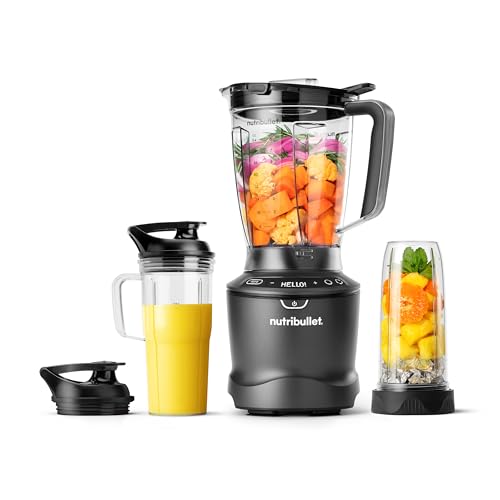


Three Buyer Profiles to Match
Instead of pushing specific models, this section describes three machine profiles and the salsa maker each one suits. Find your profile, then shop for any blender that matches its shape.
Overall Profile
The overall profile pairs a 56 to 64 ounce jar with true variable speed and a responsive pulse button. That combination lets you creep up on chunky texture in short bursts, then finish a smoother batch for enchilada sauce in the same jar. Power around 900 to 1,200 watts keeps tomatoes, onions, and peppers moving without long pauses to stir. Expect to pay about $120 to $250. The main drawback is counter space, since a jar this size stands tall under most cabinets.
Value Profile
The value profile keeps pulse and at least four speed settings while trimming jar size to around 48 ounces and power to roughly 700 to 900 watts. It handles weekly batches of pico style salsa and smooth table salsa with ease, though you may need to scrape the sides once for very thick, low liquid recipes. Prices land around $60 to $110. For most home cooks, this profile delivers the texture control that matters at a price that leaves room in the budget for good tomatoes.
Beginner Profile
The beginner profile favors simplicity: a clear jar with measurement marks, a pulse button that is easy to reach, and a low speed that is genuinely slow. Many new cooks overblend because the lowest setting on a powerful machine is already aggressive, so a gentle first gear is a real advantage. A jar near 48 ounces keeps batches manageable. Expect to pay around $50 to $90. You give up some speed on frozen work, but for learning salsa texture by eye, this calm profile is ideal.
How to Choose the Best Blenders: Buying Guide
Salsa is a control task disguised as a power task. The points below explain what actually decides texture, batch after batch, in the best blenders for salsa category and in everyday machines alike.
Features That Matter for Salsa
Salsa ingredients are soft, wet, and uneven, so the challenge is moving them without pureeing them. A wide jar base helps chunks circulate at low speed, and a tamper lets you nudge onions and peppers into the blade path without adding water. Look for a low speed you can hold steadily, a pulse that responds instantly, and a lid you can open mid batch to scrape and taste. BPA free jar materials keep tomato acids and lime from staining or holding odors.
Motor Power and Wattage
Salsa needs far less power than ice crushing. Around 600 to 900 watts is plenty for raw vegetables, and even roasted tomatillo sauces blend smoothly at that level. Extra wattage mainly helps if the same machine also handles frozen drinks. What matters more here is how the motor behaves at low speed: a machine that lurches or surges at its lowest setting will chop unevenly. If you plan one machine for many jobs, browsing the best quality blenders can help you judge build quality across brands.
Blade or Attachment Design
The standard fixed blade in a countertop jar does the salsa work. Blades with a slightly raised, angled design lift ingredients and create movement at low speed, which protects chunk. Attachments such as a dough hook or whisk belong to baking and add cost without helping here. Some systems offer a separate chopping bowl, which can be excellent for small, chunky batches. Judge any attachment by one test: does it give you more control over final texture, or just more parts to wash?
Capacity and Jar Size
Think in servings. A game day batch for a crowd needs 56 to 64 ounces, while a weeknight batch for tacos is happier in 40 to 48 ounces, where a smaller load still reaches the blades. Very large jars struggle with tiny batches because ingredients spread below the blade. Personal size cups suit smooth sauces for one or two people. Also check the max fill line, since tomatoes release juice as they break down and the working level rises during blending.
Footprint, Storage, and Cord Length
A salsa blender often lives on the counter during tomato season and in a cupboard the rest of the year, so both fits matter. Measure cabinet clearance with the jar seated, and look for a base under about 17 inches if your storage is tight. A cord of three feet or more lets you work away from the outlet cluster near the stove. Compact models store easily but limit batch size, so match the footprint to your biggest realistic batch, not your average one.
Speed Settings and Presets
Pulse is the single most valuable control for salsa, because five or six short bursts often finish a chunky batch perfectly. Variable speed comes second, letting you blend smooth sauces without whipping in air. Presets labeled for dips or salsa can be convenient starting points, but they run a fixed time that ignores your ingredients, so treat them as suggestions. Avoid machines whose lowest speed is already fast, since you lose the gentle end of the range where salsa control lives.
Types of Blenders
Full Size Countertop Blenders
These are the natural home for salsa: a motor base, a large jar, and enough room for a family batch. They offer the best mix of pulse control and capacity, and they double for soups and drinks. Their weakness is small batches, which can slip under the blades. Most salsa makers who cook for four or more should start here.
Personal and Single Serve Blenders
Compact blenders that work in a travel cup are quick for smooth sauces and small amounts of salsa verde. Their narrow cups build a strong vortex, which trends toward puree, so chunky styles are harder to control. Cleanup is fast and storage is minimal. They suit singles and couples who make small, smooth batches often and value speed over texture range.
Stand Mixers
A stand mixer is a baking tool, and on its own it cannot make salsa at all. Some brands sell blender or chopper attachments that mount on the mixer hub, which can work for occasional small batches. If you already own the mixer, an attachment may be a reasonable space saver. If you do not, buying a mixer for salsa makes little sense when a dedicated countertop blender costs less and performs better.
Immersion (Stick) Blenders
An immersion blender works directly in a bowl or pot, which is handy for smoothing a cooked salsa roja without moving it. Many come with a small chopper cup that handles a cup or two of chunky salsa surprisingly well. Texture control is decent because you can lift and move the wand. For a closer look at this style, see our guide to the best stick blenders and note which models include chopper attachments.
Care and Maintenance Tips
- Add ingredients in a smart order: juicy tomatoes first, then peppers and onions, so liquid forms early and pulls chunks toward the blades.
- Work in short pulses and check texture between bursts, because salsa cannot be unblended once it turns to soup.
- Never fill past the max line, since vegetables release juice and the mixture climbs as it breaks down.
- Clean right away with warm water and a drop of soap, because tomato and onion residue dries fast and holds odors.
- Let the motor rest between heavy batches on big cooking days, and your machine will keep its low speed manners for years.
- Store the jar with the lid ajar so garlic and onion smells from the last batch do not season the next one.
Frequently Asked Questions
What features matter most in blenders for salsa?
Pulse control and a genuinely slow low speed matter most, because texture is the whole game with salsa. A wide jar and a tamper help chunks circulate without extra liquid. Power is secondary, since vegetables are soft. Also value a jar you can open mid batch for tasting, because seasoning and texture checks are part of the process, not an interruption of it.
How do I clean a blender quickly?
Rinse the jar as soon as you empty it, then blend warm water with a drop of soap for about 30 seconds and rinse again. Tomato pigments can tint pale plastic, so a short soak with a spoon of baking soda in warm water helps lift stains. Wash the lid gasket by hand, dry the jar with the lid off, and wipe the base with a damp cloth rather than rinsing it under the tap.
Is a more expensive blender worth it?
For salsa alone, usually not, because the task rewards control rather than raw power. Money buys smoother low speed behavior, better jars, and longer warranties, which matter if the machine also handles frozen drinks or daily smoothies. If salsa is your main job, a midrange model with excellent pulse control beats a premium powerhouse with an aggressive low gear. Spend on control first, and let other kitchen jobs justify any extra cost.
How many watts does a good blender need?
About 600 to 900 watts covers salsa comfortably, from chunky pico styles to smooth cooked sauces. Below that range, thick batches with little liquid may need more stirring and scraping. Above it, you gain speed on unrelated jobs such as ice, not better salsa. Pay more attention to how calmly the motor runs at its lowest setting, because that behavior decides whether your chunks stay chunks.
What is the difference between a blender and a food processor?
A food processor chops with a wide bowl and a flat blade, which many cooks prefer for very chunky salsa because the pieces stay distinct. A blender pulls ingredients into a vortex and trends smoother, though pulse control keeps good chunk. Processors also handle large amounts of dry chopping for garnishes. If you want one tool for both salsa and drinks, choose the blender, and read our guide to the best blenders for smoothies to see how the same machines handle fruit.
Can a blender crush ice?
Most countertop models in this guide can, if they offer around 700 watts or more and you add liquid before the ice. Salsa itself never needs ice, so treat crushing ability as a bonus for other recipes. Use pulse and modest amounts per batch to protect the motor. If ice drinks become a weekly habit, a stronger machine earns its keep, but it will not improve your salsa.
Our Verdict
Choose control over power: a responsive pulse, a calm low speed, and a jar sized to your usual batch will make better salsa than raw wattage ever will. Compare the product table above with those points in mind, pick the best blenders for salsa profile that fits your kitchen, and your next batch will land at exactly the texture you pictured.


