
The Best Blenders for Puree: Buying Guide for 2026
Disclosure: We may earn a commission when you buy through links on this page, at no extra cost to you. As an Amazon Associate I earn from qualifying purchases. Learn more

Compare the best blenders for puree by type, motor, blade and jar design, with tips for smooth baby food, soups and sauces.
Smooth puree starts with a machine that breaks food down evenly, with no lumps or dry pockets left in the jar. This guide to the best blenders for puree explains which type, motor and jar shape handle cooked vegetables, soft fruit, beans and grains, so you can compare the options in the product table for your own kitchen.
The right blender is not always the most expensive one. It is the one that fits your batch size, your storage space and the textures you make most often.




Who Should Buy a Puree Blender
Parents Making Baby Food
Baby food needs very smooth textures and small batches that are easy to portion and freeze. A small jar or a stick blender works well, and parts should wash quickly. Follow your pediatrician's advice on foods and textures for your child.
Home Cooks Making Soups and Sauces
Cooks who puree soups, sauces and dips want a jar with a vented lid for hot food or a stick blender that works directly in the pot. Silky results without straining save time.
People With Chewing or Swallowing Needs
Very smooth, consistent textures matter here. A strong motor and a long blend time remove lumps. Ask your doctor or dietitian about the right texture for your needs.
Meal Preppers
Batch cooks need a larger jar so a week of puree takes only a couple of rounds, and parts that go in the dishwasher.
Types of Blenders for Puree
Countertop Jar Blenders
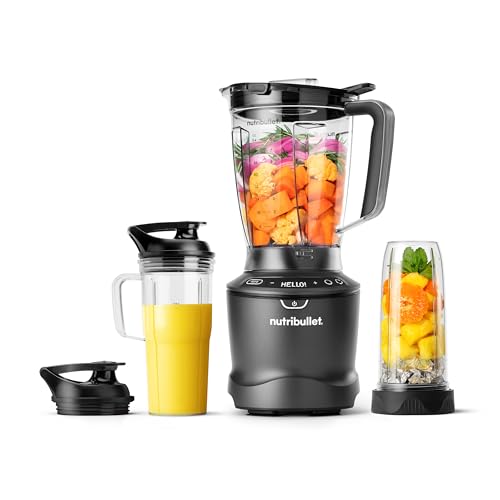
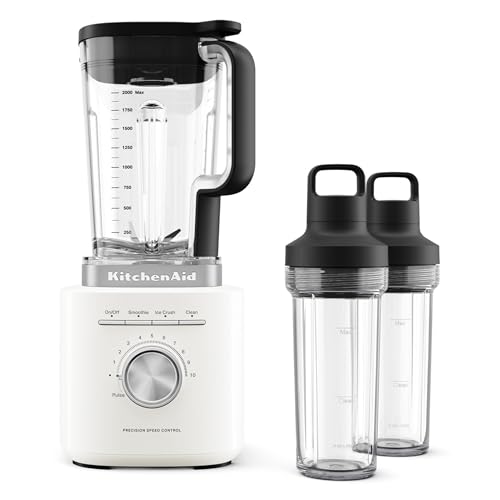
A countertop blender offers a large jar, a strong motor and speed control for full batches of soup or sauce. It takes more counter space and more washing, but it gives the smoothest results.
Stick Blenders
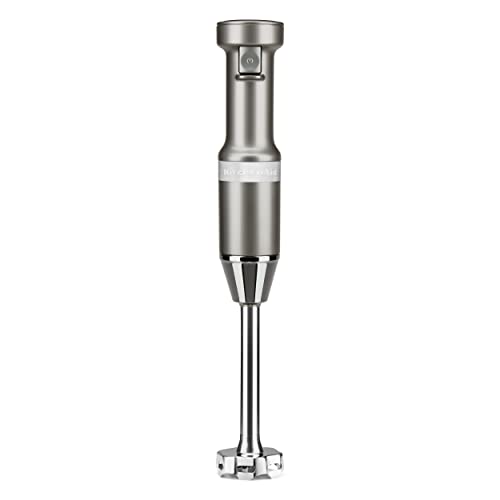
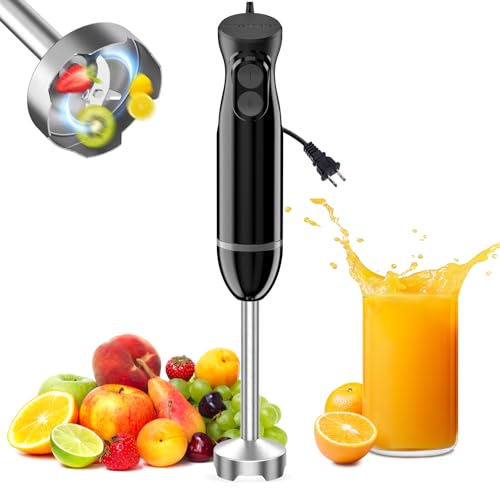
A stick blender, also called an immersion blender, purees directly in the pot, which means no transferring of hot food. It suits small batches and cleans in seconds, though it leaves more texture in fibrous foods than a jar blender.
Personal Cup Blenders
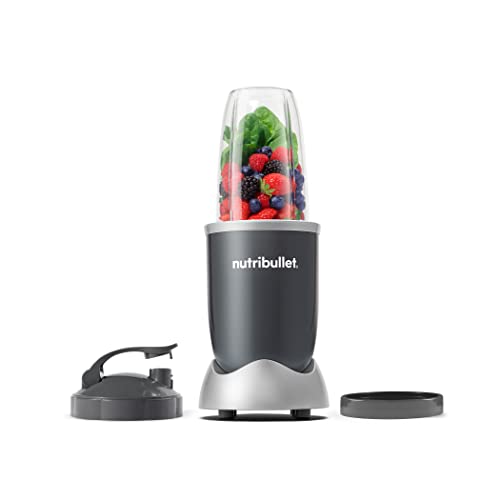
A personal blender purees a single serving at a time, which is handy for small portions of baby food or sauce. Large batches take repeated rounds.
High Power Blenders
High power blenders handle fibrous vegetables and thick mixtures that stall weaker machines, and they give a very fine finish. They cost more but suit daily puree makers.
Key Features to Compare
Motor Strength
Enough power keeps the blades turning through thick food without stopping or overheating. Check for overload protection if you blend dense mixtures such as beans or root vegetables.
Blade Design
Blades that reach food at different heights leave no chunks hiding near the top. Sturdy stainless blades stay sharp longer.
Jar Shape
A tapered jar draws food down toward the blades instead of letting it ride above them, which cuts down on stopping and stirring.
Speed Control
Low speeds give a gentle start and higher speeds give a final smooth finish. Pulse helps with chunky starting mixtures.
Easy Cleaning
Puree dries fast and sticks in corners. Choose parts that rinse quickly or go in the dishwasher.
Tips for a Smooth Puree
Cook vegetables until fully tender, since cooking softens fiber and gives a smoother result. Add liquid a little at a time, because too much thins the texture and too little stalls the blades. For hot food, let it cool for a few minutes, fill the jar no more than half, vent the lid and hold it with a towel. Store homemade puree in clean sealed containers and follow standard food safety guidance for fridge and freezer storage.
Choosing by Batch Size
Think about how much puree you make at once. For a small tub of baby food or a cup of sauce, a stick blender or a personal cup is quick and easy to wash. For a pot of soup or a week of meal prep, a countertop jar of 48 to 64 ounces saves you from blending in many rounds. Overfilling any jar causes leaks and uneven results, so keep to the max fill line and work in batches.
Price Guide
Stick blenders and personal blenders start at around $20 to $60 and are fine for small, soft batches. Midrange countertop blenders, around $60 to $200, add stronger motors, speed control and larger jars that suit soups and sauces. High power models cost more but give the finest finish and last longer under daily use. Pick the level that matches how often you blend, not the most expensive option on the page.
Safe Hot Blending
Steam builds pressure in a sealed jar. Let hot soup cool for a few minutes, fill the jar no more than half, remove the center cap or vent the lid and hold it with a folded towel. Start at the lowest speed and increase slowly. A stick blender used in the pot avoids these steps, but keep the head under the surface to stop splashes.
Storage and Freezing
Spoon cooled puree into small clean containers or ice cube trays, freeze solid, then move the cubes to a sealed bag. This gives ready portions that thaw quickly. Label the date, and follow standard food safety guidance for how long to keep puree in the fridge and freezer.
Related Guides
For nearby choices, read about quality blenders, stick blenders, hand blenders and blenders for smoothies.
Frequently Asked Questions
Can a regular blender make smooth puree?
Yes, if it has enough power and you add enough liquid. Very thick puree may need pauses and stirring to keep the blades moving.
How much liquid should I add for puree?
Start with a small amount and add a little at a time. Too much liquid thins the texture, while too little stalls the blades.
Do I need to cook vegetables before pureeing?
Cooking softens fiber and helps flavors blend evenly through the finished puree, so most vegetables should be cooked first.
How do I store homemade puree safely?
Cool it promptly, store it in clean sealed containers and follow standard food safety guidance for refrigerated and frozen storage.
Why does my puree stay lumpy?
Lumps usually come from too little liquid, pieces cut too large or a jar shape that lets food sit above the blades. Cut food smaller and blend longer in stages.
Final Thoughts
Choosing the best blenders for puree comes down to fit: your batch size, your space and your budget. Match the type to your most common use, compare motor, blade and jar design, and use the product table to shortlist options before you order.


